























|
Getting your Trinity Audio player ready...
|
Iran-Linked Vessels Navigate Hormuz Despite U.S. Claims Blockade Remains Intact
By: Fern Sidman
In the volatile maritime corridor of the Persian Gulf, where geopolitical rivalries converge with the lifeblood of the global energy market, a new chapter of strategic brinkmanship has begun to unfold. According to reporting on Thursday by World Israel News, competing narratives have emerged regarding the effectiveness of a United States naval blockade aimed at constraining Iran’s maritime activity, as vessel tracking data appears to contradict official military assertions.
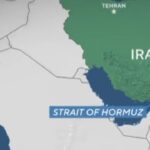
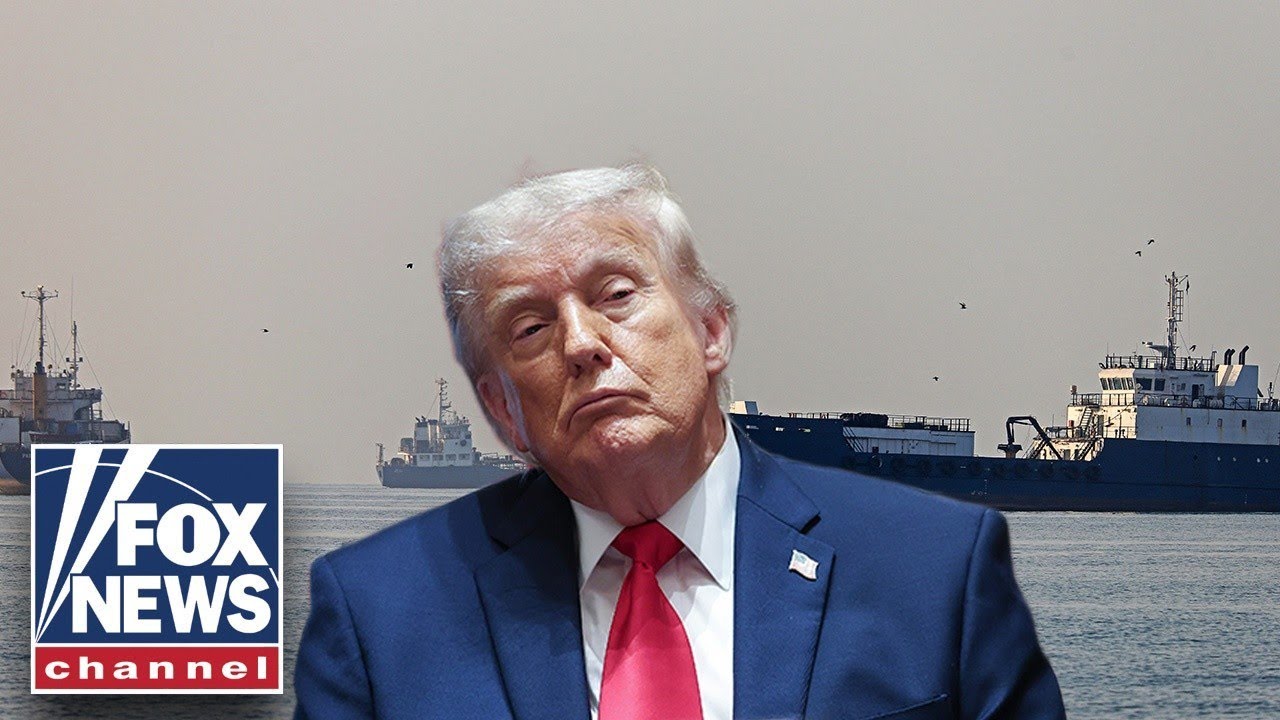
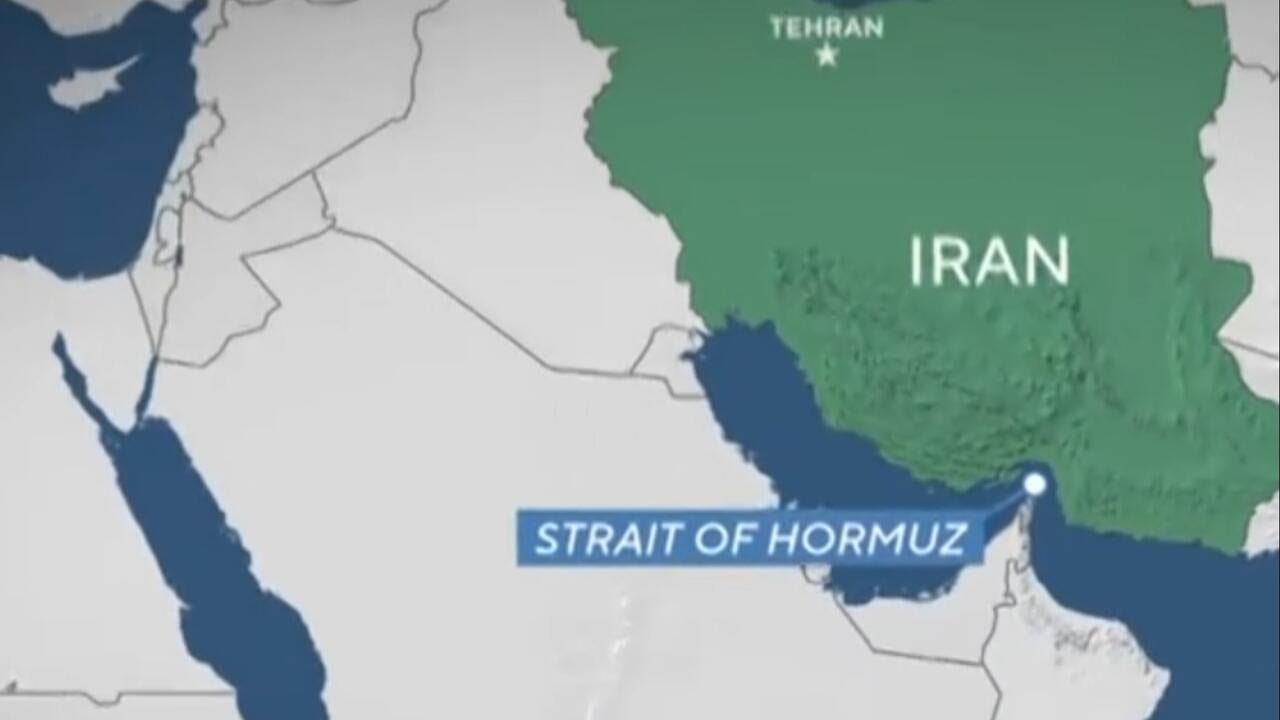
At the heart of this unfolding drama lies the Strait of Hormuz, a narrow but indispensable artery through which a substantial proportion of the world’s oil and gas supply flows. It is here that the United States has sought to assert its dominance, deploying naval assets in an effort to interdict vessels linked to Iran and thereby exert economic and strategic pressure on Tehran. Yet, even as American military officials insist upon the success of their enforcement measures, independent maritime data has cast a measure of ambiguity over those claims.
The United States Central Command, known as CENTCOM, has presented a resolute account of its operations. In statements disseminated publicly, the command has maintained that its forces successfully prevented any vessel from breaching the blockade during its initial phase. According to CENTCOM, no ships managed to escape Iranian ports within the first forty-eight hours of enforcement. The command further asserted that at least ten vessels had been compelled to reverse course, underscoring what it described as the uncompromising effectiveness of American naval power.
Such declarations, however, have not gone unchallenged. Maritime analytics firms, drawing upon satellite tracking and shipping data, have reported a series of vessel movements that appear to contradict the official narrative. Among the ships cited is the Liberia-flagged bulk carrier *Christianna*, which reportedly traversed the Strait after completing a substantial cargo delivery at the Iranian port of Bandar Imam Khomeini. According to available data, the vessel navigated past Iran’s Larak Island, a key waypoint within the strait, suggesting that at least some maritime traffic has continued despite the blockade.
Similarly, the Comoros-flagged tanker Elpi has been identified as having moved through the same contested waters. Carrying tens of thousands of tons of methanol, the vessel was tracked in proximity to Larak Island before reportedly completing its passage through the strait later in the day. Another ship, the Argo Maris, was likewise observed departing Iranian waters and transiting the chokepoint, adding to the growing body of evidence that challenges the absolute nature of the American claims.
These discrepancies have introduced a layer of strategic opacity into an already complex situation. Maritime experts have cautioned that tracking data in such a heavily contested environment must be interpreted with prudence. Electronic signals, they note, are frequently subject to disruption, manipulation, or deliberate obfuscation, particularly in regions where military operations intersect with commercial shipping. In this context, the apparent contradictions between official statements and independent observations may reflect not only operational realities but also the inherent uncertainties of monitoring maritime activity in a conflict zone.
Nevertheless, the broader implications of this episode extend far beyond the technicalities of vessel tracking. The dispute underscores a fundamental tension between assertion and verification in modern warfare, where information itself becomes a contested domain. For Washington, the blockade represents a critical instrument of leverage, designed to curtail Iran’s economic lifelines while reinforcing the credibility of American deterrence. For Tehran, any demonstration of continued maritime mobility serves as a symbolic and practical rebuttal to that pressure.
The stakes are further amplified by the global significance of the Strait of Hormuz. Even minor disruptions to traffic through this narrow passage can reverberate across international markets, influencing energy prices and economic stability on a worldwide scale. In this sense, the unfolding contest is not merely a bilateral confrontation but a matter of global consequence, with ripple effects extending far beyond the immediate theater of operations.
As World Israel News has consistently emphasized in its coverage, the evolving situation reflects a broader pattern of escalating tensions in the region. The interplay between military action, economic pressure, and diplomatic maneuvering has created an environment in which clarity is often elusive and narratives are subject to rapid revision. The current dispute over the blockade’s effectiveness is emblematic of this dynamic, illustrating how competing accounts can coexist in the absence of definitive verification.
For policymakers and observers alike, the episode raises critical questions about the nature of modern conflict. How should success be measured in an era where information is as contested as territory? To what extent can military operations achieve their intended objectives when their outcomes are filtered through competing narratives? And perhaps most importantly, what are the long-term consequences of sustained confrontation in a region so vital to the global economy?
In the days ahead, further developments are likely to shed additional light on these questions. Continued monitoring of maritime traffic, coupled with official disclosures and independent analysis, may help to clarify the extent to which the blockade has achieved its aims. Yet even as new data emerges, the fundamental tension between competing perspectives is unlikely to dissipate entirely.
For now, the Strait of Hormuz remains a stage upon which the intricate choreography of power, perception, and persistence continues to play out. Beneath its waters, the currents of global commerce flow ceaselessly. Above them, the currents of geopolitical rivalry swirl with equal intensity, shaping a narrative that is as contested as the sea itself.