
























|
Getting your Trinity Audio player ready...
|
(TJV NEWS) Three weeks into the escalating conflict, Iran is making one thing clear: it believes it has the upper hand—and it’s not interested in a quick or easy peace deal.
As the Wall Street Journal reports, Tehran is signaling that any ceasefire will come at a steep cost, with demands that could dramatically reshape the balance of power in the Middle East. Iranian leaders are pushing for major concessions, including financial reparations, the removal of U.S. forces from the region, and even control over one of the world’s most critical oil chokepoints—the Strait of Hormuz.
Iran’s Core Demands
The most striking element of Iran’s position is its insistence on leveraging the war to secure long-term strategic gains. According to the Wall Street Journal, Iranian officials want:
- Reparations from the U.S. and its allies
- A full U.S. military withdrawal from the region
- Control over the Strait of Hormuz, potentially turning it into a toll-based shipping route under Iranian authority
That last demand is especially significant. The Strait of Hormuz handles a massive portion of the world’s oil supply, and any attempt by Iran to control or monetize it would send shockwaves through global energy markets.
Why Iran Thinks It’s Winning
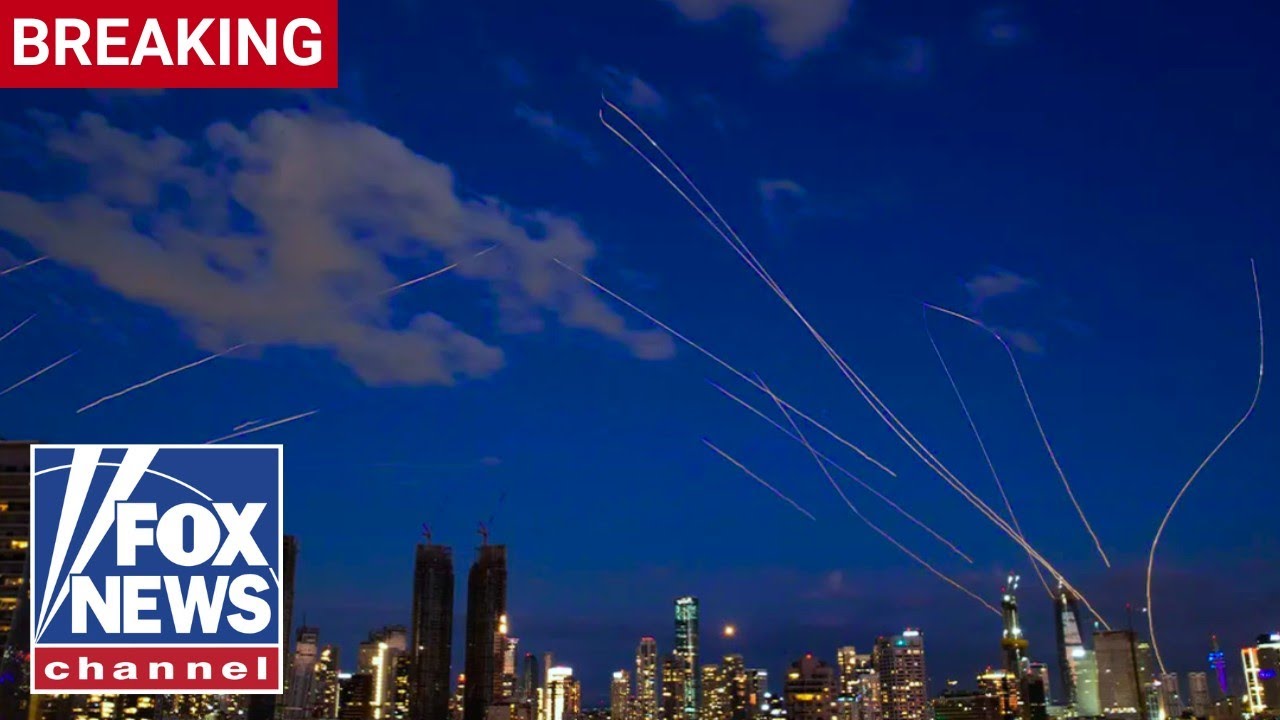
Despite heavy U.S. and Israeli strikes, Iran has continued launching missiles and drones across the region. As the Wall Street Journal details, Iranian attacks have recently intensified, hitting energy infrastructure in multiple Gulf countries while still maintaining strong oil exports.
This combination—continued offensive capability plus economic resilience—has emboldened Tehran. Iranian leadership appears to believe time is on its side, especially as rising oil prices put pressure on global economies and Western leaders.
A Dangerous Miscalculation?
Still, analysts warn Iran may be overplaying its hand.
U.S. and Israeli officials have suggested the conflict could end sooner than expected, but they’ve also continued ramping up military deployments in the region. The Wall Street Journal notes that Washington has reinforced its presence even while publicly signaling optimism about a near-term resolution.
Experts caution that Iran’s confidence could turn into a strategic mistake—particularly if it underestimates how far the U.S. is willing to escalate.
Global Stakes Rising
The longer the war drags on, the more leverage Iran appears to gain—especially through its ability to disrupt global energy flows. But that leverage cuts both ways.
Allowing Iran to dictate terms, particularly over the Strait of Hormuz, would be seen by many analysts as a major geopolitical defeat for the U.S. and its allies. At the same time, forcing a resolution through military escalation carries its own risks of a broader regional war.
The Bottom Line
Iran isn’t negotiating from weakness—it’s negotiating like it believes it’s winning.
And as the Wall Street Journal underscores, that mindset could prolong the conflict, raise the stakes, and make any eventual deal far more difficult to reach.



