


























|
Getting your Trinity Audio player ready...
|
By: David Avrushmi
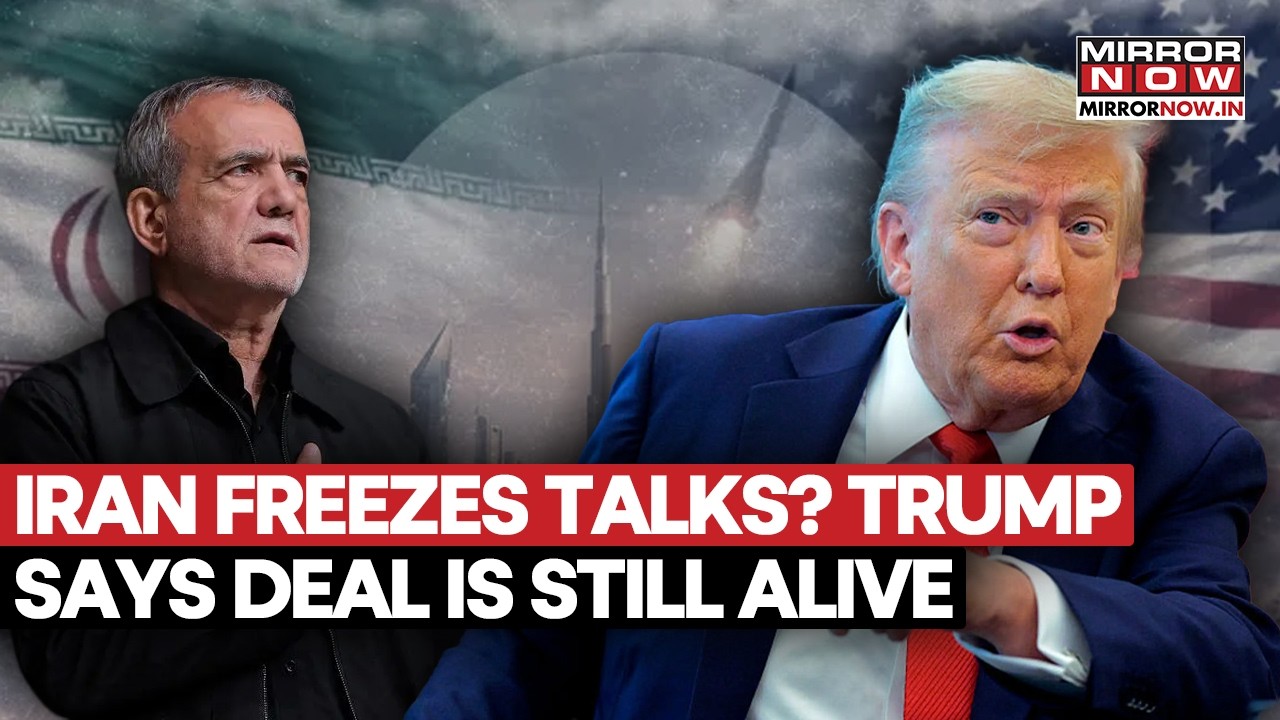
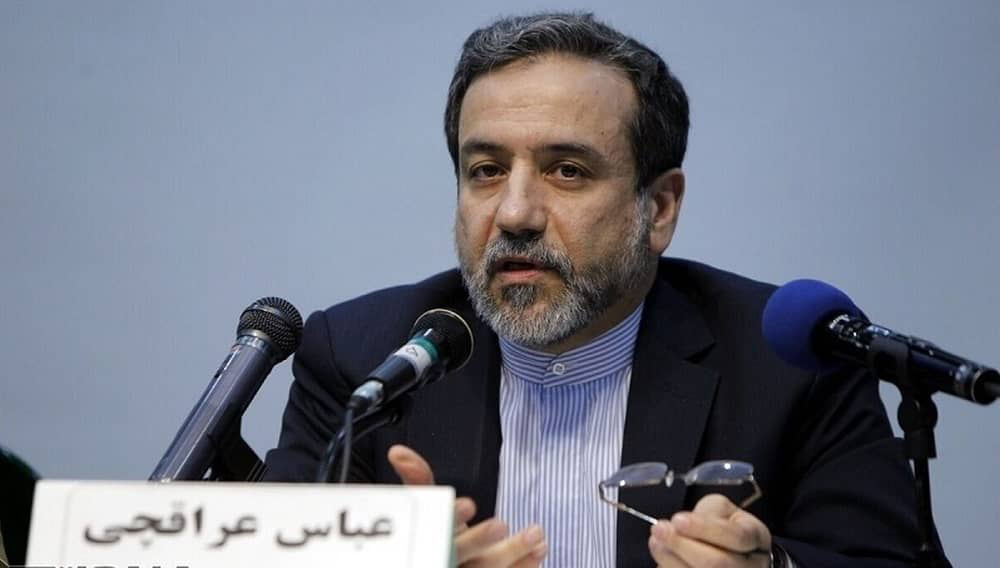
In a development that has sent ripples of alarm through diplomatic circles and global markets alike, Iran has formally rejected participation in a second round of negotiations with the United States, casting a long shadow over already fragile efforts to de-escalate tensions in the Persian Gulf.
The decision, conveyed through the Islamic Republic News Agency (IRNA) marks a decisive rupture in what had been cautiously anticipated as a potential pathway toward extending a tenuous ceasefire set to expire within days. The abrupt reversal has left observers grappling with the prospect of renewed confrontation at a moment when the stakes—both regional and global—could scarcely be higher.
The Iranian government’s refusal was accompanied by a pointed denunciation of Washington’s negotiating posture. Officials in Tehran characterized American demands as excessive and unreasonable, accusing the United States of shifting its positions with disconcerting frequency and engaging in contradictory messaging that has eroded any foundation for trust. According to the IRNA report, Iranian authorities also condemned the continuation of a United States naval blockade, arguing that such actions constitute a violation of the ceasefire framework and fundamentally undermine the conditions necessary for meaningful dialogue. The rhetoric emanating from Tehran suggests a calculated effort not only to justify the withdrawal from talks but also to reframe the narrative as one of resistance against external pressure.
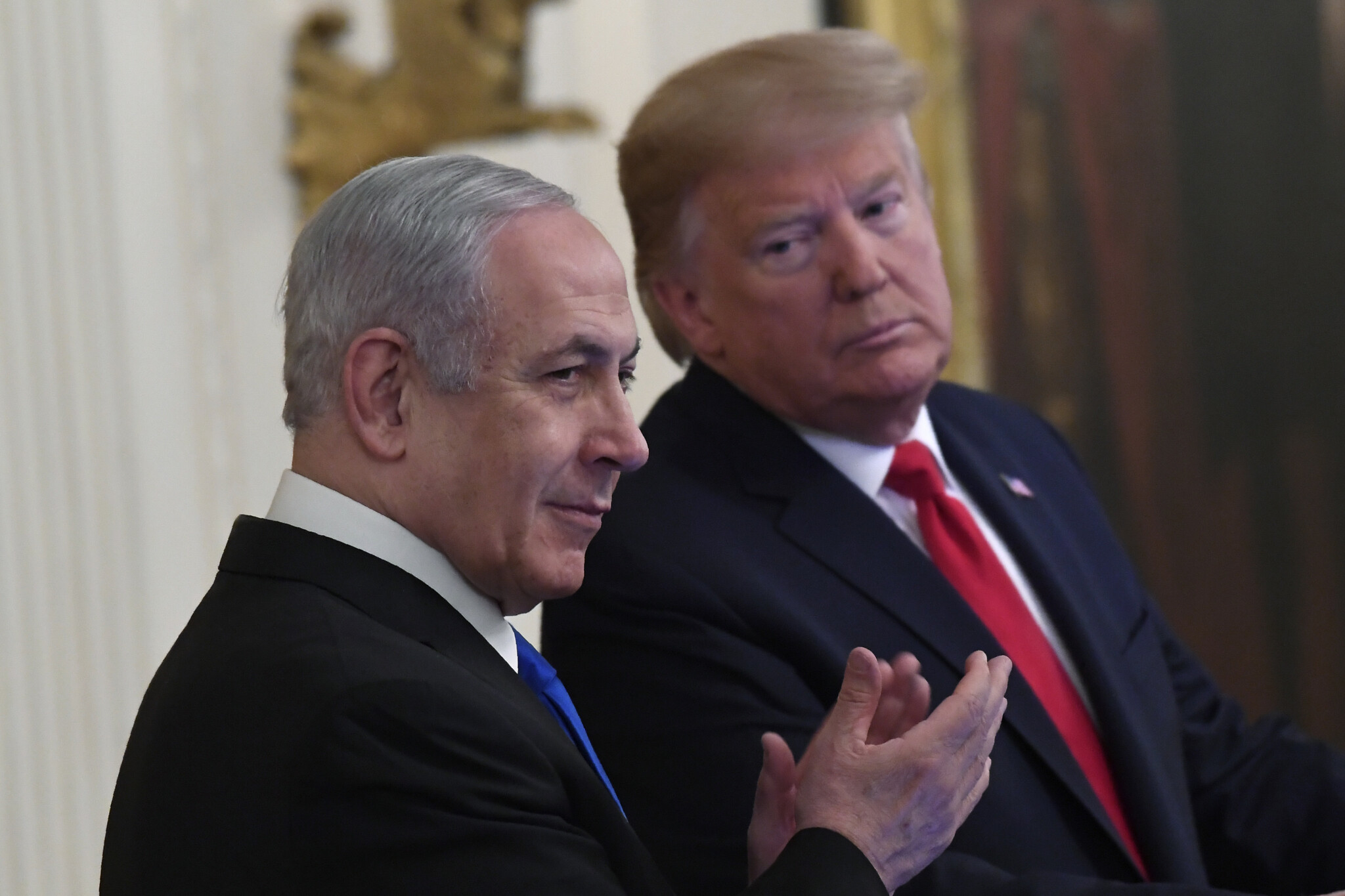
This stance stands in stark contrast to earlier indications from Washington that a second round of negotiations was imminent. President Donald Trump had publicly asserted that American negotiators would travel to Pakistan for renewed discussions on Monday, raising cautious hopes that the diplomatic process might regain momentum. Yet, as The Associated Press noted, Iran had not confirmed these plans at the time, and the subsequent denial has now laid bare the extent of the disconnect between the two sides.
Compounding the uncertainty is the increasingly fraught situation in the Strait of Hormuz, a maritime corridor of immense strategic importance through which a significant portion of the world’s energy supply flows. The strait has effectively been rendered impassable amid escalating tensions, with Iranian threats and the enforcement of an American naval blockade creating a volatile environment for commercial shipping. The disruption has not only heightened geopolitical anxiety but has also introduced a new layer of risk into global economic calculations, as energy markets respond to the possibility of prolonged instability.
At the heart of the impasse are a series of deeply entrenched disagreements that have long defined the relationship between Washington and Tehran. Chief among these are disputes over Iran’s nuclear enrichment program, its network of regional proxies, and its assertion of control over critical maritime routes. As the AP has reported, there is little evidence that either side has meaningfully shifted its position on these core issues, leaving the diplomatic process mired in a stalemate that appears increasingly difficult to resolve.
The fragility of the current ceasefire only amplifies these concerns. Initially conceived as a temporary measure to halt hostilities and create space for negotiation, the ceasefire now appears to be teetering on the brink of collapse. With its expiration looming, the absence of a clear diplomatic pathway raises the specter of renewed conflict, a scenario that would carry profound implications for regional stability and international security.
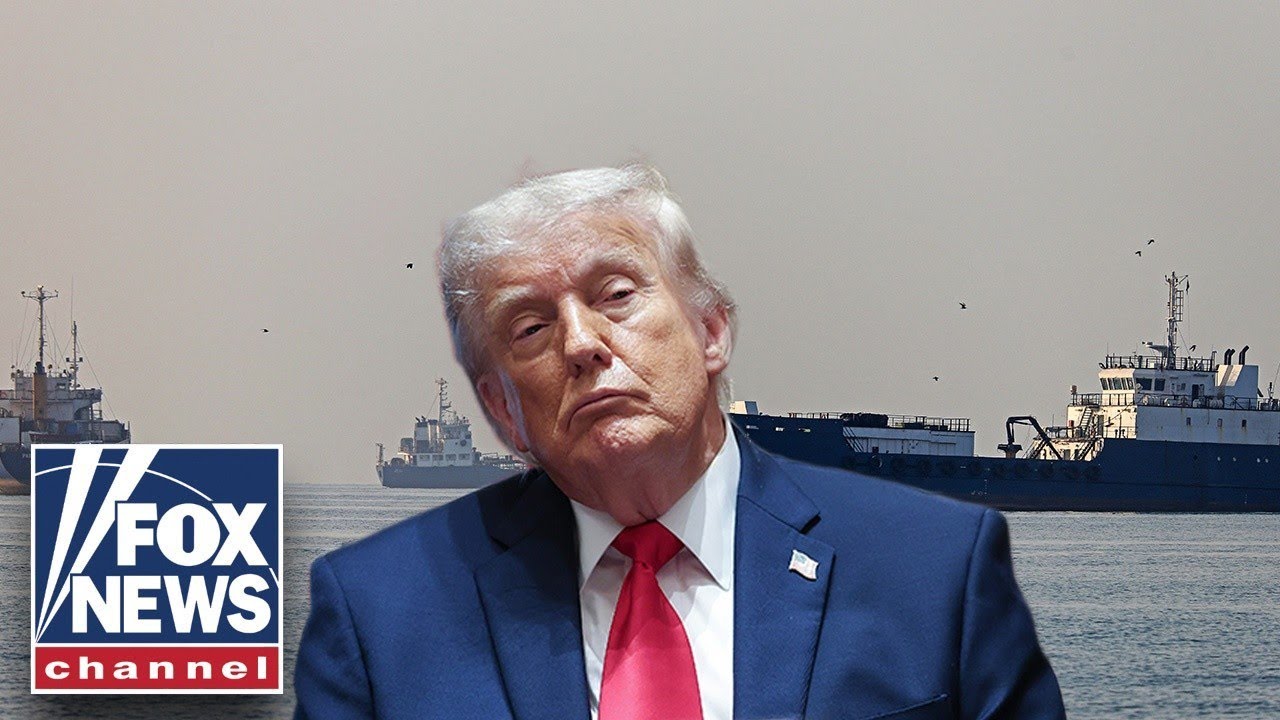
Further complicating the situation is a dramatic escalation in enforcement actions by the United States. In a move that has drawn significant attention, President Trump announced that American forces had intercepted and seized an Iranian-flagged cargo vessel attempting to bypass the naval blockade near the Strait of Hormuz. According to details reported by the AP, the vessel, identified as the Touska, was warned by a United States Navy guided missile destroyer to halt its course. When it failed to comply, American forces reportedly disabled the ship by targeting its engine room, bringing it to an abrupt stop before boarding and securing it.
The President’s account of the operation, delivered via social media, was characteristically forceful. He described the interception as a decisive demonstration of American resolve, emphasizing that the vessel had been stopped “right in its tracks” and that United States Marines had taken control of the situation. While the immediate objective of the operation appears to have been the enforcement of the blockade, its broader implications are likely to reverberate across the diplomatic landscape.
Notably, there was no immediate response from Iranian officials regarding the seizure, a silence that has only added to the prevailing uncertainty. The incident has raised critical questions about the interplay between military actions and diplomatic efforts, particularly at a time when the latter appear to be faltering. For some analysts, the interception underscores the inherent tension between coercive measures and negotiation, highlighting the difficulty of pursuing both simultaneously without undermining one or the other.
The timing of the operation is particularly significant, as it coincides with the collapse of expectations surrounding the second round of talks. The prospect of renewed negotiations had offered a glimmer of hope that the ceasefire might be extended and that a more durable framework for de-escalation could be established. The combination of Iran’s rejection and the United States’ assertive actions, however, has cast doubt on the viability of this scenario, leaving the future of the ceasefire in considerable doubt.
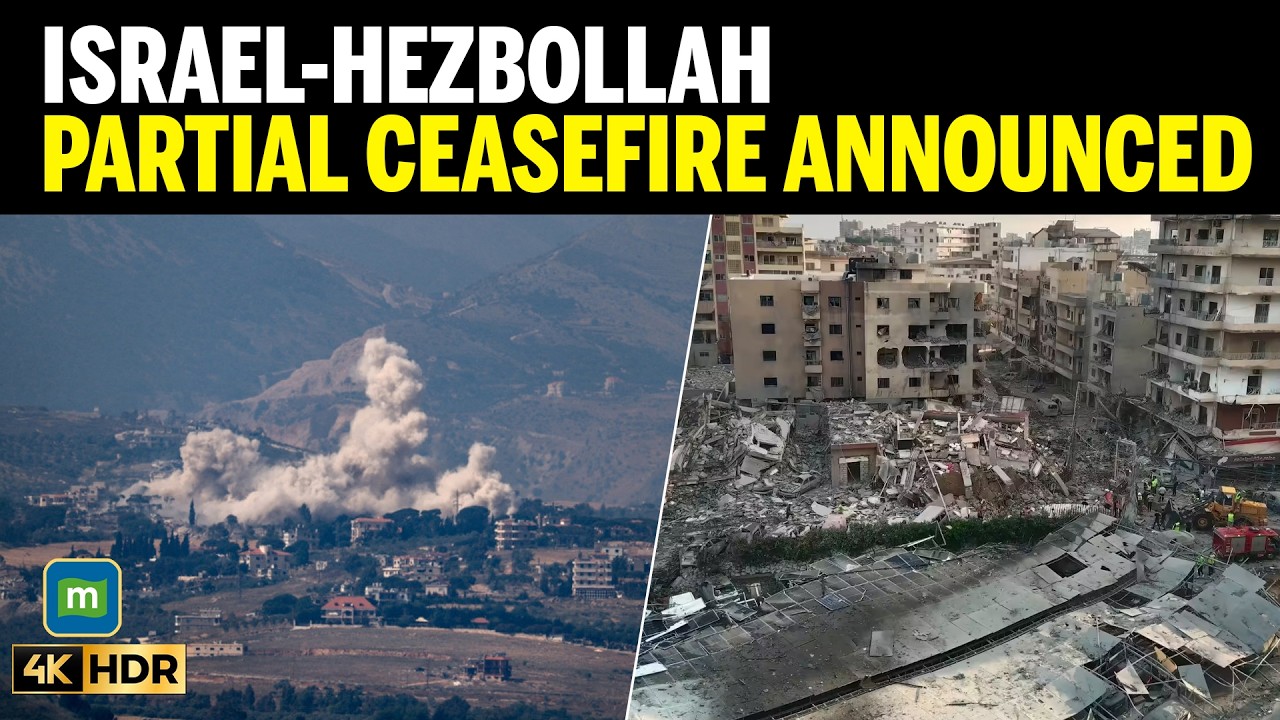
Meanwhile, developments in the broader region provide a measure of contrast. A separate ceasefire between Israel and Lebanon, brokered under different circumstances, appears to be holding for the time being. Yet, as the AP report observed, the interconnected nature of Middle Eastern conflicts means that stability in one arena does not necessarily translate into calm across the region. The escalating tensions between the United States and Iran have the potential to spill over, influencing dynamics far beyond the immediate theater of operations.
The international community now faces a critical juncture. The breakdown of negotiations and the intensification of military actions have created a volatile environment in which the risk of miscalculation is markedly heightened. In such a context, even relatively minor incidents could trigger a cascade of events with far-reaching consequences. The challenge for policymakers lies in navigating this precarious landscape while seeking to preserve whatever avenues for dialogue remain.
For Iran, the decision to withdraw from talks may reflect a strategic calculation aimed at consolidating its negotiating position and resisting perceived external pressure. By framing the United States as the party responsible for the impasse, Tehran seeks to shift the burden of responsibility while reinforcing its domestic and international narrative. For Washington, the emphasis on enforcement and deterrence underscores a commitment to maintaining pressure, even as the diplomatic track falters.
The divergence between these approaches highlights the fundamental difficulty of reconciling competing strategic objectives. Each side views its actions as necessary and justified, while interpreting the other’s behavior as provocative and destabilizing. This mutual mistrust, deeply ingrained and repeatedly reinforced, constitutes one of the most formidable obstacles to any lasting resolution.
As the deadline for the ceasefire approaches, the absence of a clear path forward is increasingly apparent. Whether through renewed negotiations, third-party mediation, or a recalibration of strategies, the need for a mechanism to de-escalate tensions is urgent. Yet the current trajectory suggests that such a mechanism may prove elusive in the immediate term.
In the final analysis, the unfolding crisis represents a convergence of diplomatic breakdown and military escalation, a combination that has historically proven difficult to manage. As the AP report noted, the coming days will be critical in determining whether the situation stabilizes or deteriorates further. The choices made by leaders in Washington and Tehran will not only shape the immediate outcome but also influence the broader contours of regional and global security.
For now, the world watches as a fragile equilibrium gives way to uncertainty, and as the promise of diplomacy recedes in the face of mounting confrontation. In this precarious moment, the margin for error is vanishingly small—and the consequences of miscalculation could be profound.



