






















|
Getting your Trinity Audio player ready...
|
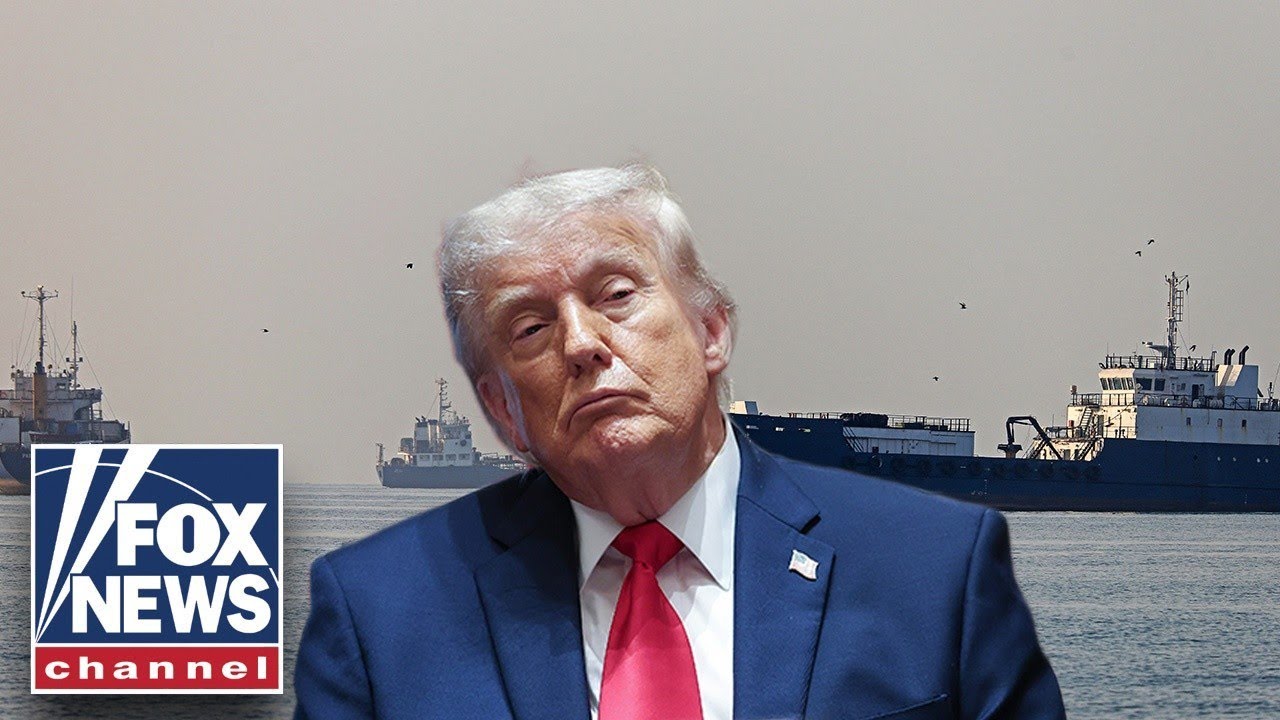
(TJV NEWS) The Wall Street Journal reports that Iran is escalating its control over the Strait of Hormuz while simultaneously presiding over a wave of attacks and disruptions targeting commercial shipping in one of the world’s most critical oil corridors, despite pressure from President Trump to fully reopen the waterway.
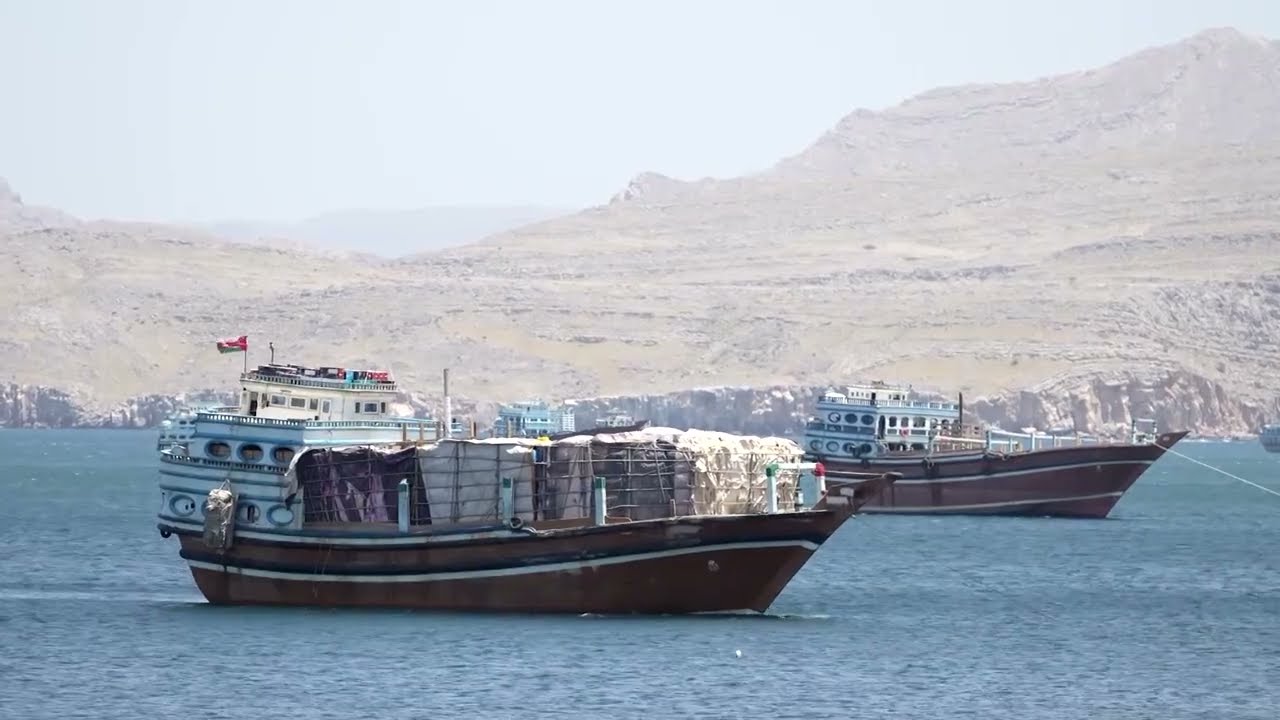
According to the WSJ reporting, the situation on the ground has shifted from diplomatic standoff to active maritime conflict, with multiple vessels attacked or seized in and around the strait. The incidents include commercial ships being struck by projectiles, targeted by small fast-attack craft, and in some cases escorted or diverted into Iranian-controlled waters after coming under fire.
Maritime security groups and regional monitoring agencies have documented a series of separate attacks on at least three vessels in a single day, with ships reporting explosions or being hit while transiting near the chokepoint. These incidents are part of a broader pattern in which commercial shipping has become increasingly vulnerable, with more than two dozen reported strikes or interceptions since the latest phase of hostilities began.
In several cases, Iranian forces or Iran-linked units are described as using small naval craft to approach commercial vessels at close range before issuing warnings, firing upon them, or forcing them to alter course. Some ships have been escorted under duress into Iranian-controlled waters, while others have sustained damage but managed to continue sailing after evasive action or naval protection was provided.
The WSJ notes that Iran’s Islamic Revolutionary Guard Corps (IRGC) has issued repeated warnings that vessels passing through the strait without Iranian authorization could be treated as hostile targets. In practice, this has created a de facto enforcement system in which shipping companies must either comply with Iranian navigation rules or risk interception.
At the same time, the United States has responded with a heavier naval presence and protective operations for commercial traffic. U.S. forces have engaged Iranian fast-attack boats in at least one confrontation, destroying multiple vessels after they were deemed to be threatening shipping lanes.
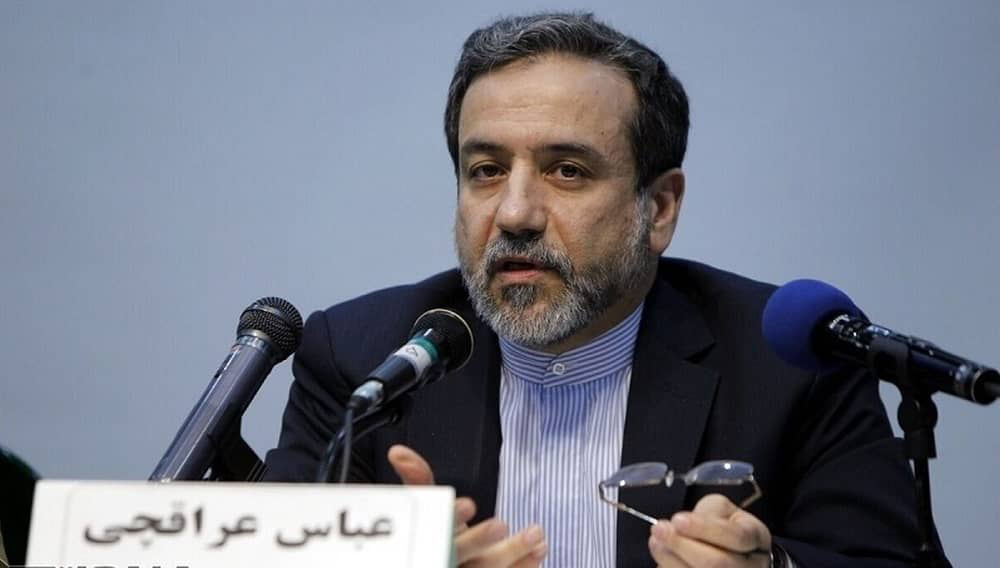
Iranian officials, meanwhile, have maintained that these actions are part of enforcing a new maritime order in the strait and have continued to assert that foreign vessels must coordinate passage through Iranian military channels. WSJ reporting indicates that this posture has not eased even under U.S. pressure, but instead hardened as attacks and counterattacks escalate.
The result, the Journal writes, is a shipping corridor that remains technically open but functionally unstable — with commercial traffic flowing only under military escort, after delays, or through negotiated safe passage arrangements, while the risk of sudden attack remains elevated.



