



















|
Getting your Trinity Audio player ready...
|
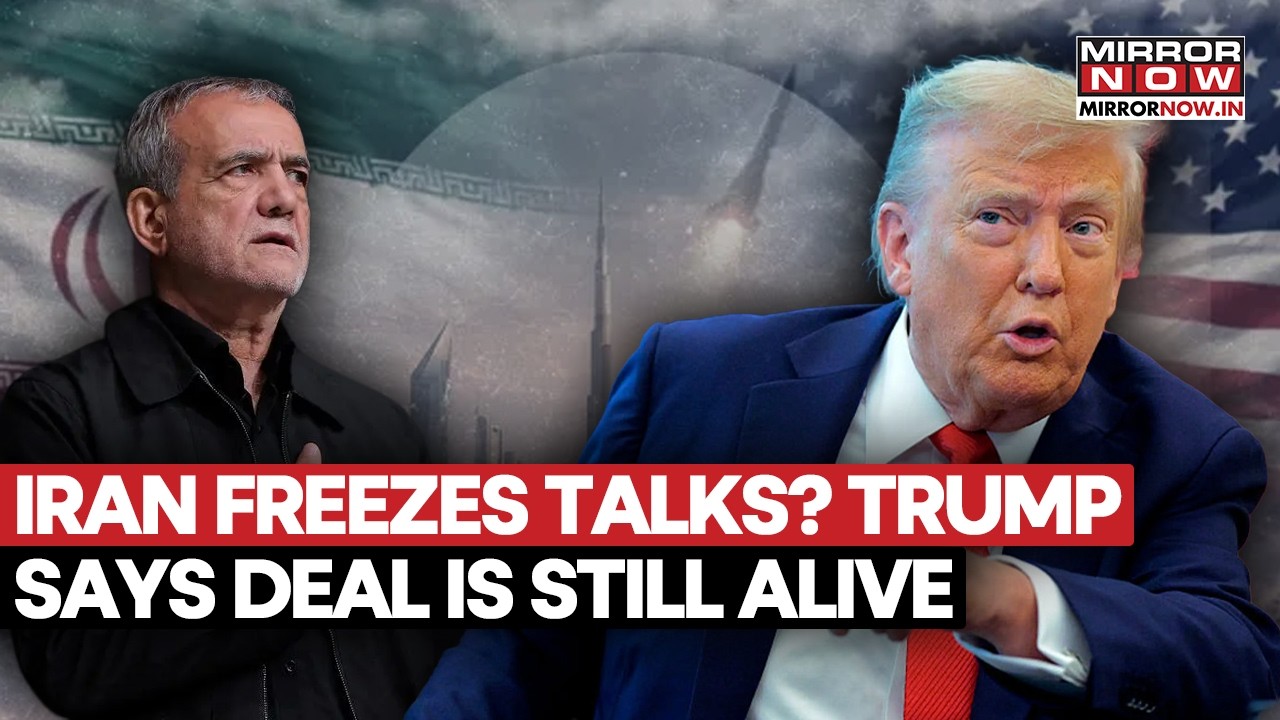
(TJV NEWS) A fragile pause in the Iran war is increasingly under strain, as Tehran continues to delay its response to a U.S.-backed peace proposal even after renewed clashes in one of the world’s most strategically vital waterways.
According to The Times of Israel, the United States is still waiting for an official reply from Iran following the latest diplomatic initiative aimed at ending more than two months of fighting. The delay comes amid rising tensions and sporadic flareups around the Strait of Hormuz, a critical artery for global energy supplies.
A Ceasefire Under Pressure
While a relative calm has returned in recent days, that stability appears increasingly fragile. The report notes that the latest fighting represents some of the most intense clashes since a ceasefire was established roughly a month ago.
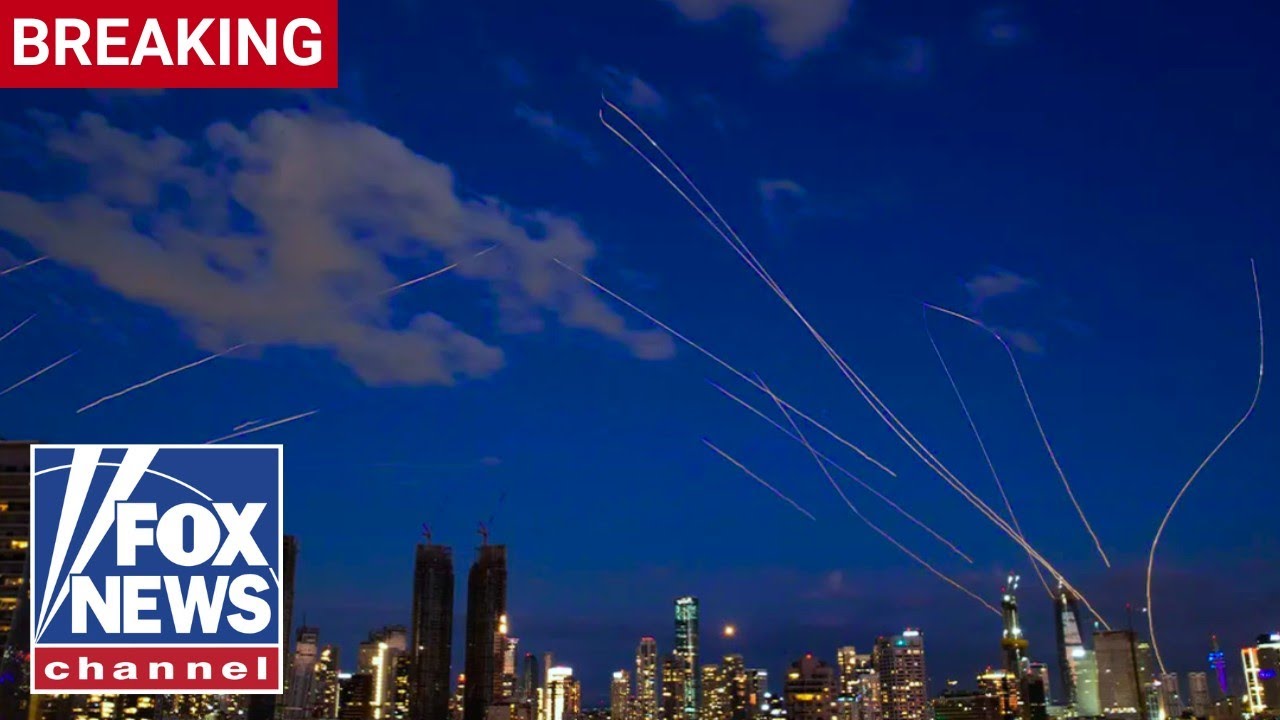
Hostilities have included renewed attacks in the region, with the United Arab Emirates coming under fire again as tensions spiked late in the week. These developments have cast doubt on whether the ceasefire can hold long enough to allow meaningful negotiations to take shape.
Iran Questions U.S. Intentions
Tehran’s hesitation is not simply procedural—it reflects deeper skepticism about Washington’s motives. Iranian officials have openly questioned the credibility of the United States as a negotiating partner, pointing to what they describe as repeated violations of the ceasefire.
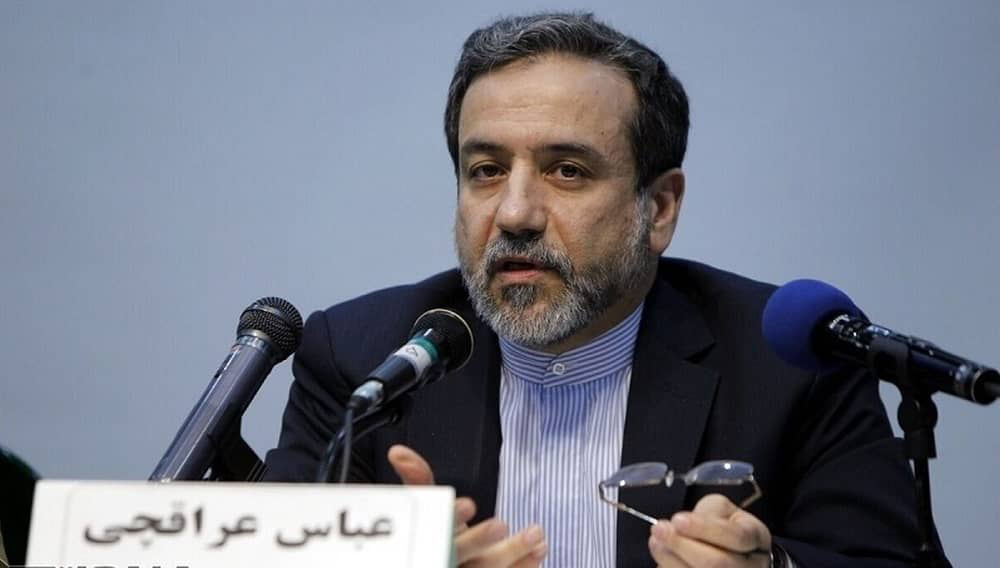
Iran’s foreign minister, Abbas Araghchi, raised concerns about what he called the lack of seriousness behind U.S. diplomatic efforts, citing recent American military actions in the Persian Gulf as evidence that Washington may not be fully committed to de-escalation.
These accusations underscore the widening gap between the two sides, even as talks continue through intermediaries.
Diplomacy Continues Behind the Scenes
Despite the delays, diplomatic efforts have not collapsed. Pakistan has remained actively involved in mediation, working to keep communication channels open between Washington and Tehran.
However, Iran has signaled it is in no rush to respond, dismissing external pressure and deadlines. Officials have indicated they are still reviewing the proposal, suggesting that negotiations could stretch on even as tensions simmer.
The uncertainty has prompted additional military precautions. The United Kingdom has reportedly moved a warship toward the Strait of Hormuz, potentially as part of a broader naval mission aimed at safeguarding shipping routes in the volatile region.
A Region on Edge
The situation highlights how precarious the current moment has become. Even as diplomats push for a negotiated settlement, the risk of escalation remains ever-present.
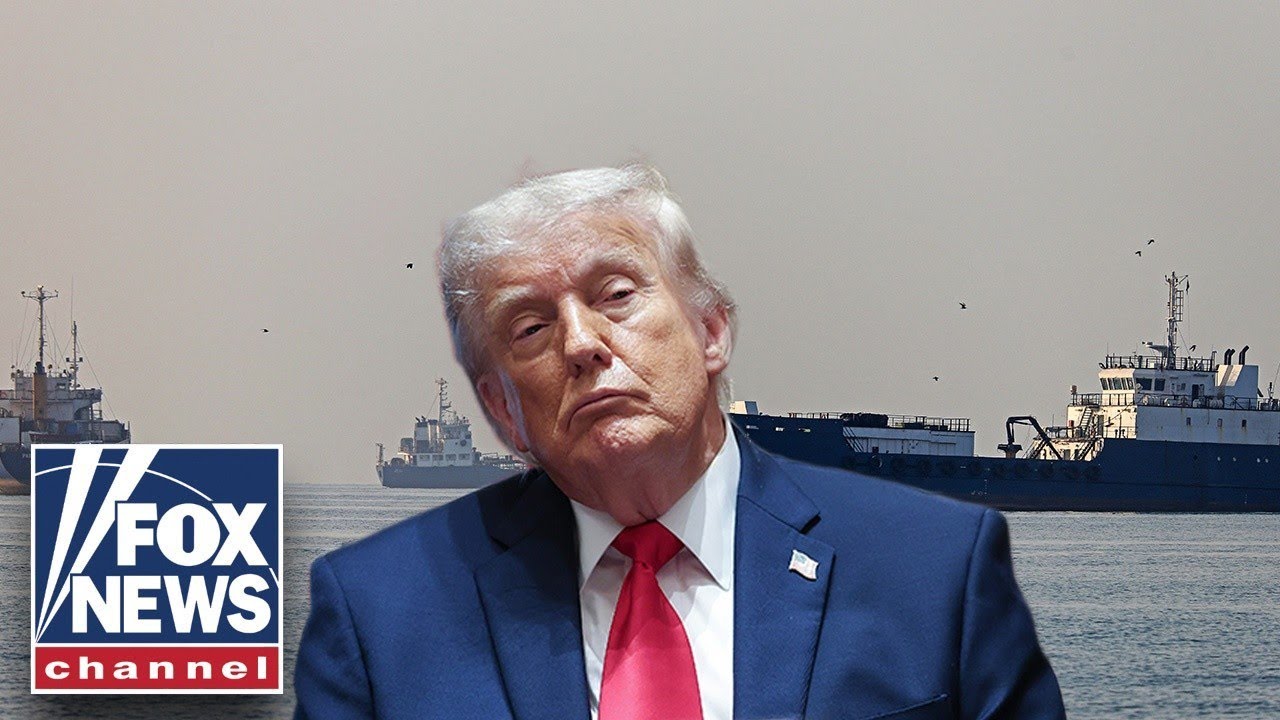
The Strait of Hormuz—through which a significant share of the world’s oil supply passes—has become both a flashpoint for military confrontation and a focal point for global economic anxiety.
Repeated clashes in and around the waterway have already disrupted shipping and driven uncertainty in energy markets, amplifying the stakes of the ongoing standoff.
Waiting for a Decision
For now, the trajectory of the conflict may hinge on Tehran’s next move. A formal response to the U.S. proposal could either open the door to renewed negotiations or deepen the crisis if rejected.
As The Times of Israel report makes clear, the war has entered a tense holding pattern—one defined by cautious diplomacy, mutual distrust, and the constant threat that a single miscalculation could reignite full-scale conflict.
Until Iran delivers its answer, the region—and much of the world—remains in suspense.



