



















|
Getting your Trinity Audio player ready...
|
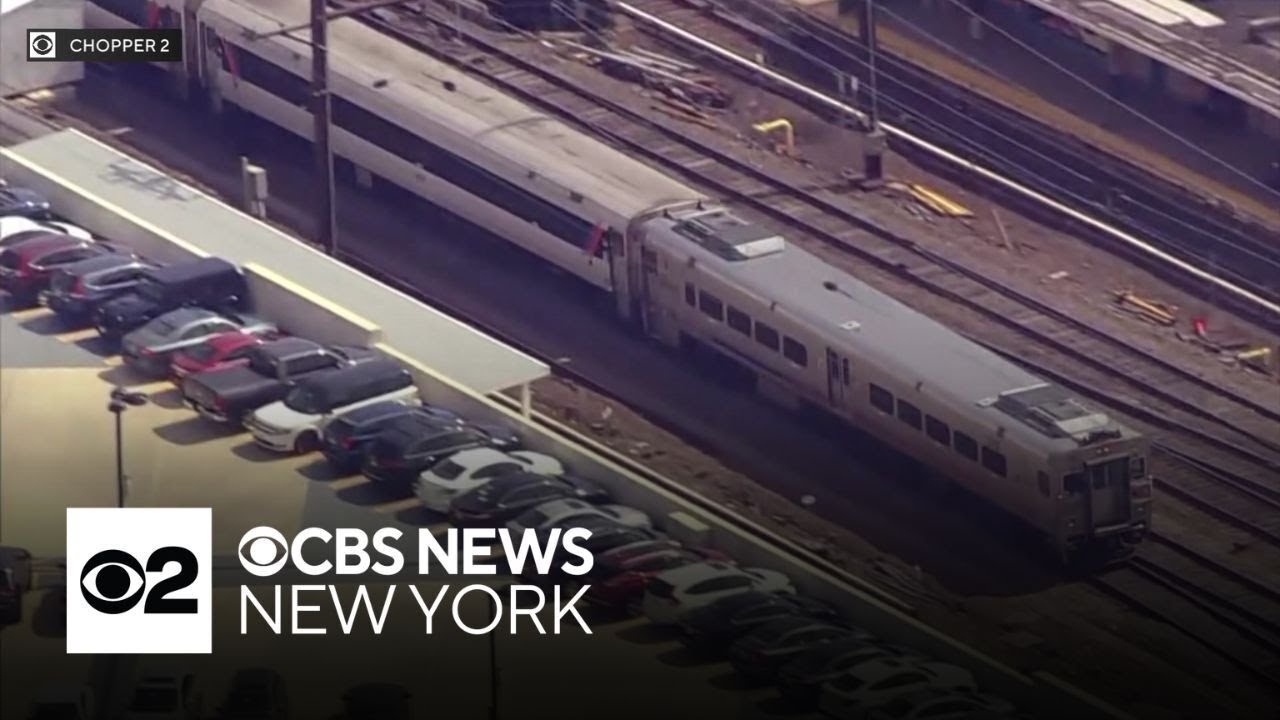
(TJV NEWS) A high-profile pricing controversy surrounding transportation to the 2026 World Cup has forced officials in New Jersey to backtrack, cutting sharply criticized train fares after public outrage over what many called an “unprecedented” cost to attend matches.
According to reporting attributed to Bloomberg, New Jersey Transit reduced its planned round-trip fare to MetLife Stadium from $150 to approximately $105 following intense backlash from fans, political leaders, and even international soccer officials. The move represents a roughly 30% cut, though the revised price remains far higher than typical commuter costs.
Sticker Shock Sparks Backlash
The original $150 fare stunned fans, especially given that a normal round-trip ticket between Manhattan and the stadium area typically costs under $15. Critics argued the price hike—amounting to increases of several hundred percent—risked pricing out ordinary supporters and undermining the fan experience.
The backlash quickly grew beyond local frustration. FIFA officials themselves warned that such steep transportation costs could discourage attendance and dampen enthusiasm for the tournament.
Officials Forced to Reconsider
Facing mounting pressure, New Jersey Governor Mikie Sherrill urged transit authorities to find alternative funding sources rather than placing the full financial burden on riders. The eventual fare reduction was made possible through a combination of federal assistance, sponsorship funding, and contributions from local organizing committees.
Even with the reduction, the new fare—around $105—remains dramatically higher than everyday ticket prices, highlighting the extraordinary costs associated with hosting a global event of this scale.
The Real Cost of Hosting the World Cup
Transit officials have defended the pricing by pointing to the enormous logistical demands of transporting tens of thousands of fans to each match. Estimates suggest that roughly 40,000 spectators per game will rely on rail service, particularly because parking at the stadium is extremely limited.
Security requirements, operational upgrades, and infrastructure strain have all driven costs higher. State officials have also pointed to a broader financial burden tied to hosting duties, including tens of millions of dollars in public safety expenses.
A Broader Debate Over Who Pays
At the heart of the controversy is a deeper question: who should bear the cost of staging a global sporting event expected to generate billions in revenue.
Local officials have argued that FIFA, which stands to reap massive profits from the World Cup, should contribute more toward infrastructure and transportation. FIFA, for its part, has maintained that host cities are responsible for providing transit services under existing agreements.
The dispute reflects a broader tension seen in host cities worldwide, where governments often shoulder significant upfront costs in exchange for the long-term economic benefits associated with global events.
Lingering Frustration Among Fans
Despite the fare reduction, frustration has not fully subsided. Many fans continue to argue that even the discounted price remains excessive, particularly when compared to other host cities that are maintaining lower or subsidized transit costs.
Some supporters have described the revised fare as still “unaffordable,” raising concerns that transportation barriers could limit access to one of the world’s most anticipated sporting events.
A Warning Sign for Future Events
The controversy surrounding NJ Transit’s World Cup pricing underscores the growing challenge of balancing accessibility with the financial realities of hosting mega-events.
While officials have managed to ease some of the immediate backlash, the episode highlights the delicate line between recouping costs and ensuring that major international events remain accessible to everyday fans.
As the countdown to kickoff continues, transportation—and its price—may prove to be just as critical to the fan experience as the matches themselves.



