










|
Getting your Trinity Audio player ready...
|
By: Fern Sidman
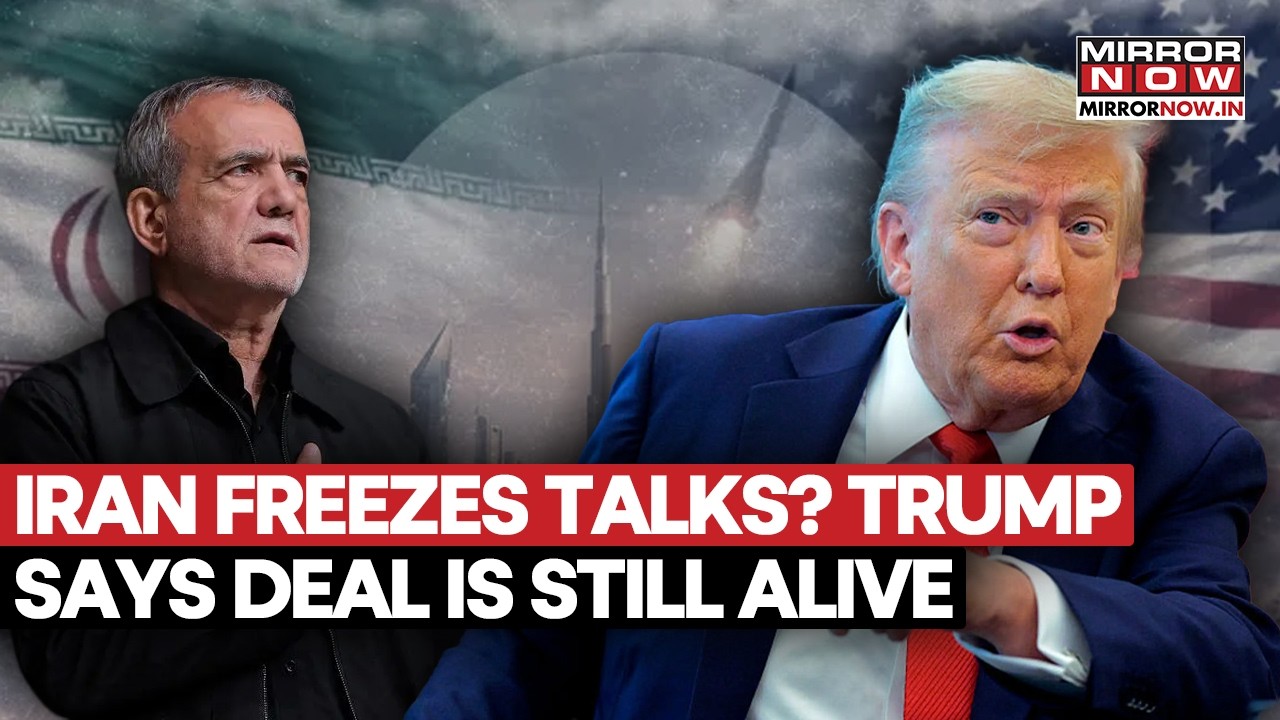
In a forceful and unambiguous address to reporters on Tuesday, President Donald Trump delivered a sweeping ultimatum to the Islamic Republic of Iran, warning that Tehran must accept Washington’s terms for ending the ongoing conflict and curbing its nuclear ambitions—or face devastating consequences. The remarks, reported by Israel National News, underscored a decisive moment in a high-stakes geopolitical standoff that continues to reverberate across the Middle East and beyond.
Speaking shortly before departing for a high-profile diplomatic visit to China, Trump adopted a tone that blended strategic clarity with unmistakable resolve. “They’ll either do the right thing, or we’ll finish the job,” the President declared, rejecting any notion that domestic economic pressures—such as fluctuating fuel prices or market volatility—were influencing his approach to the crisis.
“I don’t think about Americans’ financial situations. I don’t think about anybody,” Trump said, as quoted by Israel National News. “I think about one thing: we cannot let Iran have a nuclear weapon. That’s all.”
The statement encapsulates what has become the defining principle of the administration’s Iran policy: an uncompromising insistence that Tehran must be prevented from acquiring nuclear capabilities under any circumstances. Trump emphasized that this objective transcends all other considerations, including short-term economic fluctuations.
“The most important thing by far is Iran cannot have a nuclear weapon. Every American understands it,” he continued. “If the stock market goes up or down a little bit, the American people understand it.”
This framing reflects a broader attempt to position the issue as one of national and global security rather than economic calculus. By elevating the nuclear question above all else, the administration seeks to justify a range of potential actions—from continued diplomatic engagement to the resumption of military operations.
Trump’s remarks also conveyed a sense of inevitability regarding the outcome of the conflict. “We will win it one way or the other,” he asserted. “We’ll win it peacefully or otherwise. No matter how you cut it, we win.” Such language, as highlighted in Israel National News coverage, signals a willingness to pursue multiple pathways while maintaining confidence in the ultimate result.
The immediate catalyst for the President’s comments was Iran’s latest response to a United States proposal aimed at ending hostilities and establishing a framework for addressing its nuclear program. Trump had previously dismissed the response as unacceptable, and he reiterated that assessment on Tuesday.
“They agreed that they will never have nuclear weapons, and then that’s not what they sent to me,” he said. “We don’t play games.” The remark underscores a central grievance within the administration: that Iran’s negotiating posture has been inconsistent, if not deliberately evasive.
Trump went further, suggesting that the United States currently holds a position of strategic dominance. “We have Iran very much under control,” he stated. “We are either gonna make a deal or they will be decimated.” The starkness of this language reflects both the intensity of the standoff and the administration’s readiness to escalate if necessary.
According to the Israel National News report, these comments come against the backdrop of mounting frustration within the White House. On Monday, sources cited by CNN indicated that Trump’s patience with the diplomatic process has worn thin, with senior officials increasingly considering a pivot back to active combat operations. The President’s dissatisfaction appears rooted in what he perceives as Tehran’s failure to offer meaningful concessions.
The internal dynamics of the administration, as described in these reports, suggest a growing divide between those advocating for continued diplomacy and those urging a more assertive military posture. While no final decision has been announced, the rhetoric emanating from the White House indicates that the latter perspective may be gaining traction.
On the Iranian side, officials have responded with equal firmness, though from a markedly different vantage point. Mohammad Bagher Ghalibaf, a prominent figure within Iran’s political establishment, issued a statement on social media asserting that the only viable path forward is the acceptance of Tehran’s own proposal.
“There is no alternative but to accept the rights of the Iranian people as laid out in the 14-point proposal,” Ghalibaf wrote, as reported by Israel National News. “Any other approach will be completely inconclusive; nothing but one failure after another.”
Ghalibaf’s remarks reflect a broader narrative within Iran that frames the conflict as a defense of national sovereignty and rights. By emphasizing the legitimacy of Iran’s position, he sought to counter the pressure being applied by Washington and its allies.
He also introduced an economic dimension to the argument, suggesting that prolonged negotiations would impose additional costs on the United States. “The longer they drag their feet, the more American taxpayers will pay for it,” Ghalibaf stated. This assertion appears aimed at leveraging domestic considerations within the United States, even as Trump has publicly dismissed such factors as secondary.
The juxtaposition of these statements highlights the fundamental divergence between the two sides. For Washington, the issue is non-negotiable: Iran must abandon any path toward nuclear capability. For Tehran, the emphasis is on preserving what it views as its sovereign rights while seeking relief from economic and military pressure.
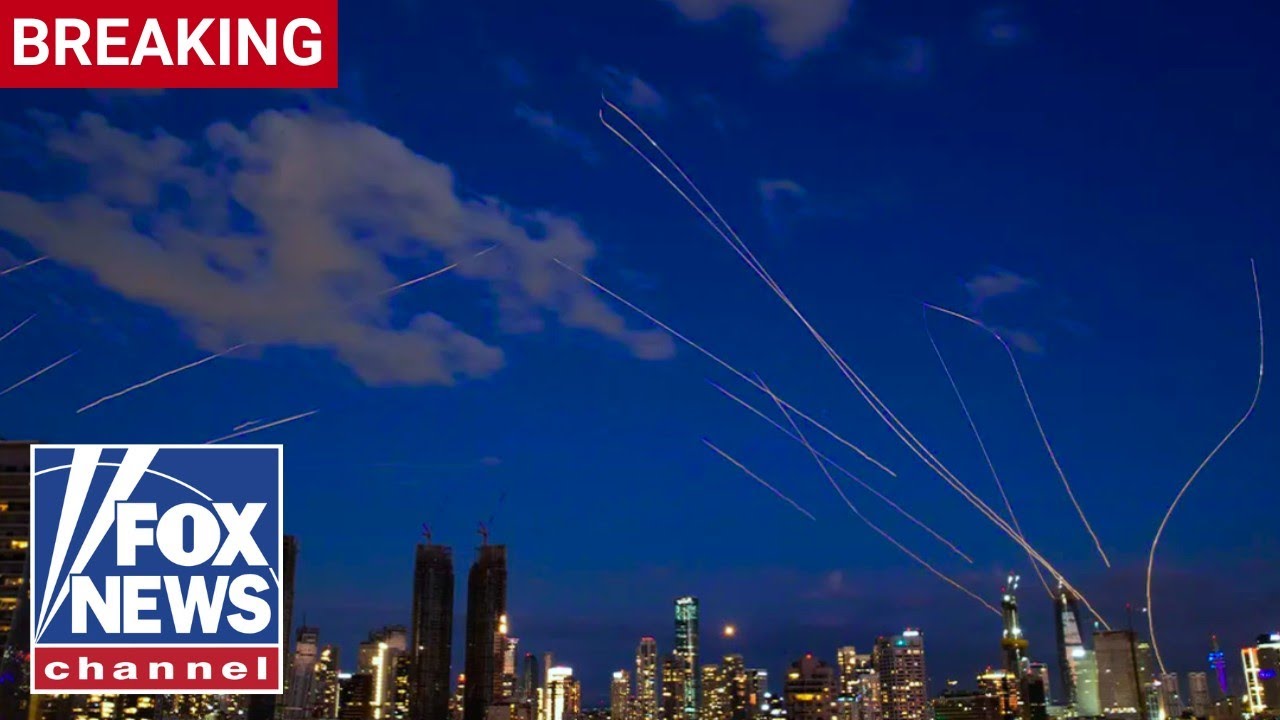
The broader geopolitical context further complicates the picture. The Strait of Hormuz remains a critical flashpoint, with its partial closure continuing to disrupt global energy markets. Regional tensions have been exacerbated by sporadic exchanges of fire and the involvement of multiple actors, each with their own strategic interests.
Trump’s visit to China adds another layer of complexity. While the primary focus of the trip is expected to be trade and economic relations, the Iran issue is likely to feature prominently in discussions with President Xi Jinping. Beijing’s longstanding ties with Tehran, coupled with its role as a major purchaser of Iranian oil, position it as a potentially influential actor in any effort to resolve the conflict.
The Israel National News report noted that the administration may seek to leverage these dynamics, pressing China to use its influence to encourage a more conciliatory stance from Iran. Whether such efforts will yield tangible results remains uncertain, but they underscore the interconnected nature of contemporary diplomacy.
For now, the trajectory of the conflict remains uncertain, with both sides entrenched in their respective positions. Trump’s remarks suggest that the window for a negotiated settlement may be narrowing, even as the consequences of escalation loom large.
Yet the President’s framing leaves little room for ambiguity. “We’ll win it peacefully or otherwise,” he said, reiterating a theme that has become central to his approach. It is a formulation that combines optimism with a willingness to act decisively, reflecting a broader philosophy of leadership that prioritizes outcomes over process.
As Israel National News reported, the stakes of the confrontation remain exceedingly high. The question is no longer merely whether a deal can be reached, but on what terms—and at what cost. With both Washington and Tehran signaling their readiness to stand firm, the coming weeks may prove decisive in determining whether diplomacy can prevail or whether the conflict will enter a more perilous phase.
In the interim, Trump’s message to Iran is unequivocal: the choice, as he sees it, lies squarely with Tehran. “They’ll either do the right thing,” he said, “or we’ll finish the job.”



