














|
Getting your Trinity Audio player ready...
|
By: Russ Spencer
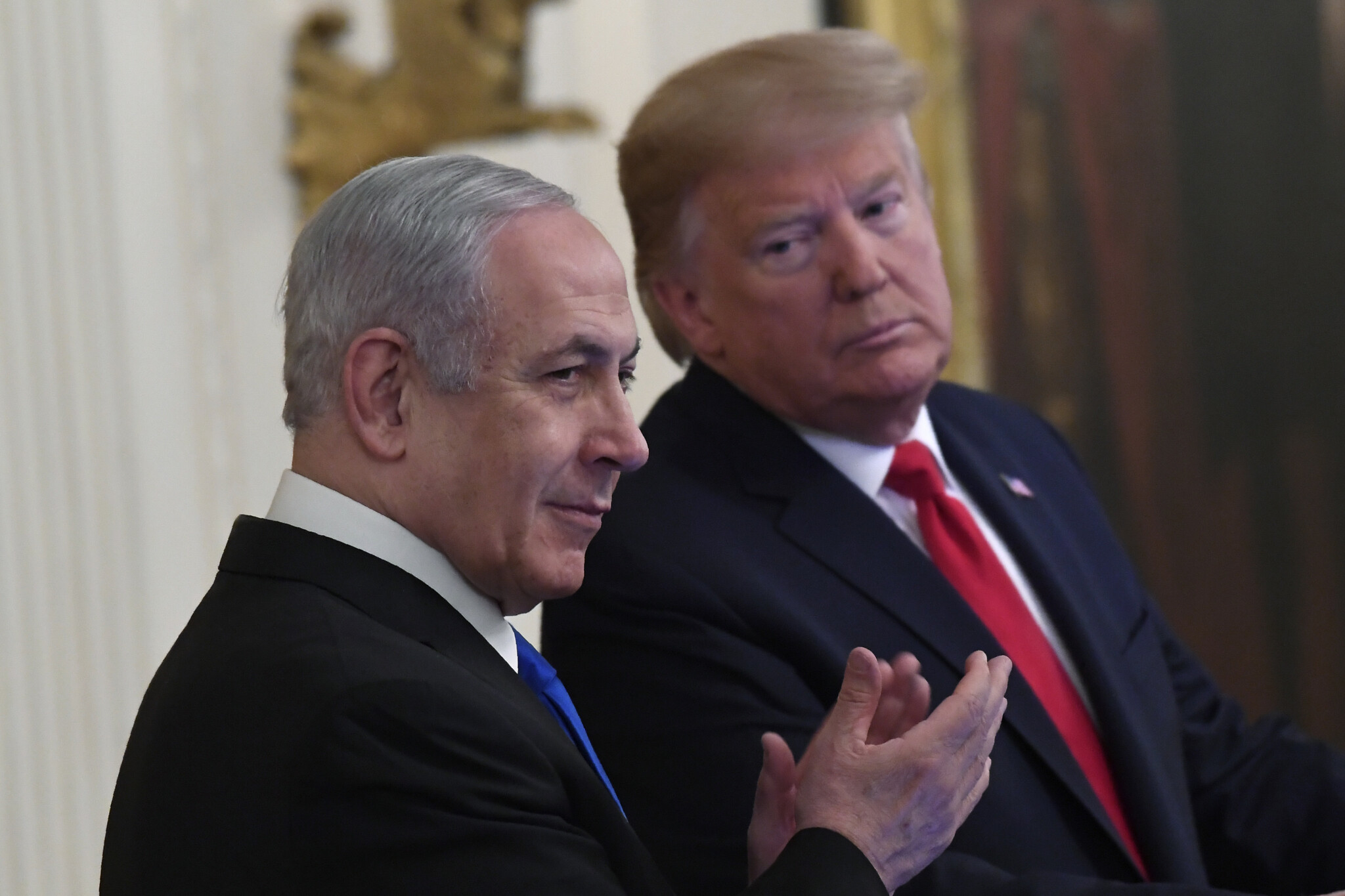
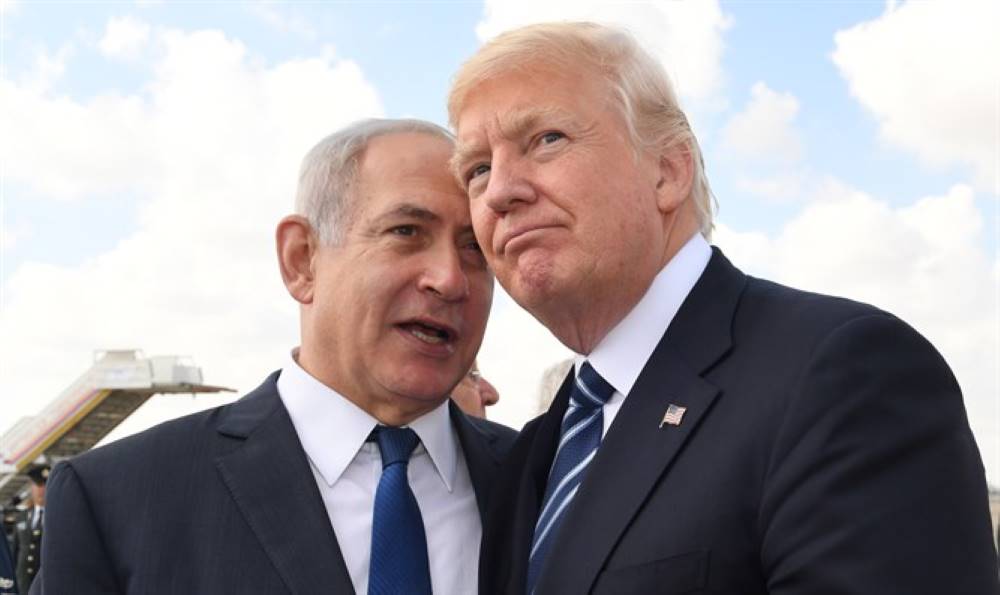
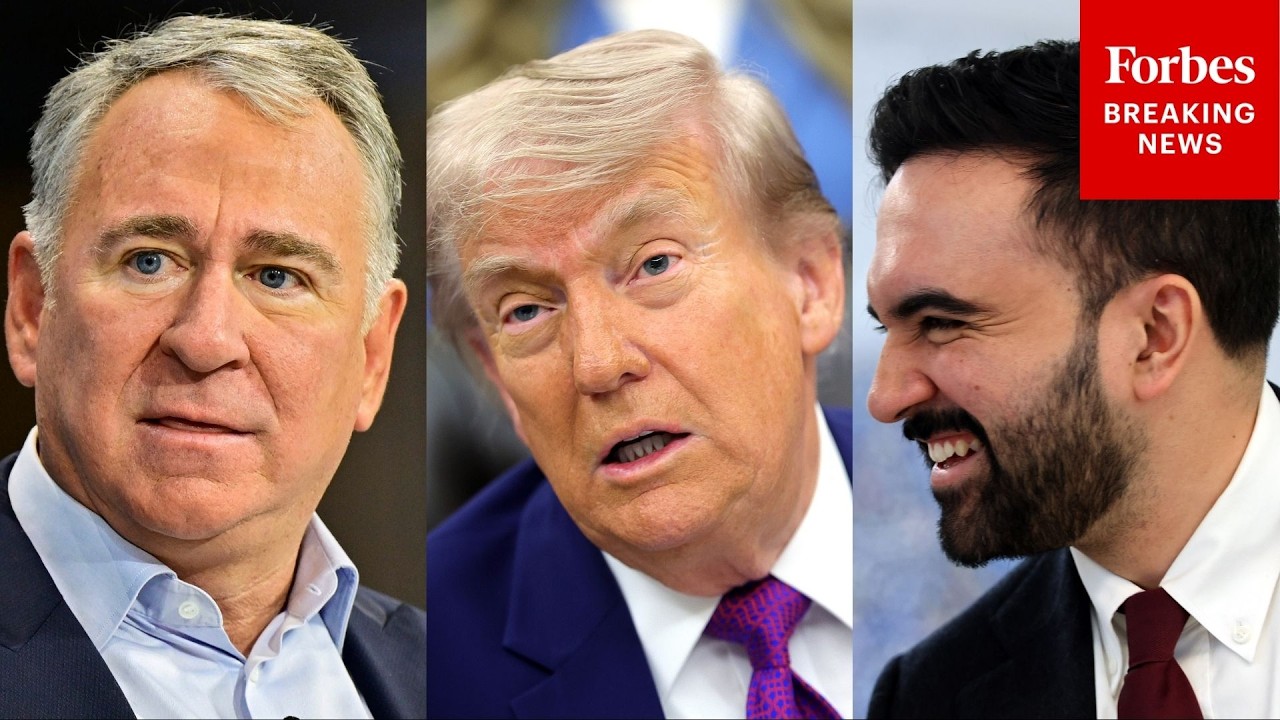
In a striking intervention into New York City’s increasingly fraught political and economic landscape, President Trump issued a stark warning to Mayor Zohran Mamdani, urging him to “cherish” the very business leaders whose presence has long underpinned the city’s global financial dominance. The remarks, delivered during a radio interview and reported on Tuesday by The New York Post, come amid escalating tensions between City Hall and some of the most influential figures in the financial sector—most notably hedge fund titan Ken Griffin.
At the center of the controversy lies a growing concern among business leaders that New York’s political climate is becoming increasingly inhospitable to capital investment, high-net-worth individuals, and large-scale development projects. Trump’s comments, delivered with characteristic bluntness, underscored what he described as the potentially irreversible consequences of alienating such figures.
“When you lose people like that, it’s sort of not recoverable,” Trump said in the interview with WABC radio host Sid Rosenberg, according to The New York Post report. “Always you say something’s recoverable, right? But it’s not recoverable. Then they build something else. They’re going to be there for 30 years. They don’t come back.”
The president’s remarks reflect a broader anxiety coursing through New York’s business community—namely, that the departure of major financial players could trigger a cascading effect, diminishing the city’s tax base, employment opportunities, and long-term economic vitality.
Trump elaborated further, emphasizing what he views as a fundamental responsibility of municipal leadership: cultivating relationships with those who drive economic growth. “You’ve got to do the opposite. You’ve got to cherish them,” he said. “You got to bring them to the office. You got to meet them. You have to have dinner with them. You have to convince them not to leave, you’re going to make their life great, you’re going to help them with their building, with their project.”
His message was unequivocal: engagement, not antagonism, should define the relationship between political leaders and economic stakeholders. “You got to do it and I don’t know—it’s not hard to do, but maybe it is for some people,” Trump added. “But you don’t want to lose people like Ken, that would be a big loss for New York.”
The urgency of Trump’s warning is amplified by recent statements from Griffin himself, whose firm, Citadel, stands as one of the most prominent players in the global hedge fund industry. Speaking at the Milken Institute Global Conference in Beverly Hills on May 5, Griffin made clear that his company is already recalibrating its strategic trajectory in response to the city’s political climate.
“We will add far more jobs in Miami over the next decade as an immediate and direct consequence of the mayor’s poor decision here with respect to his posting of that video,” Griffin said, as reported by The New York Post.
The “video” in question has become a flashpoint in the unfolding dispute. Filmed by Mayor Mamdani outside Griffin’s record-setting $238 million penthouse at 220 Central Park South, the social media clip was intended to promote a proposed “pied-à-terre” tax targeting luxury second homes valued above $5 million. Yet the optics—and tone—of the video have drawn fierce criticism from business leaders, who view it as emblematic of a broader campaign to vilify wealth.
Griffin’s reaction was immediate and unambiguous. He described the video as “creepy” and “weird,” later escalating his critique by calling it “frightening” after reviewing it multiple times. His concern, as conveyed in remarks cited by The New York Post, extended beyond personal discomfort to encompass broader societal implications.
According to Griffin, such rhetoric risks “inflaming political extremism,” a warning he underscored by referencing the 2024 Midtown murder of UnitedHealthcare CEO Brian Thompson—a tragedy that has become a touchstone in discussions about the intersection of public discourse and real-world violence.
The implications of Griffin’s potential departure extend far beyond the symbolic. Citadel is currently involved in plans for a $4.5 billion Park Avenue tower, a project that represents not only a substantial financial investment but also a significant commitment to New York’s future as a global financial hub. The prospect that such a development could be jeopardized has sent ripples through the city’s real estate and business communities.
Adding to the chorus of concern is Steve Roth, whose firm is partnering with Citadel on the Park Avenue project. Roth did not mince words in his assessment of the mayor’s actions, characterizing the video as an “ugly, unnecessary video stunt” that was “both irresponsible and dangerous.”
Such language, as highlighted in The New York Post report, reflects a growing frustration among developers and investors who perceive an increasingly adversarial posture from City Hall. For many, the issue is not merely one of policy disagreement, but of tone and approach—of whether New York’s leadership is fostering an environment conducive to investment or one that deters it.
The reverberations of this controversy are already being felt beyond a single firm or project. Reports indicate that Apollo Global Management is weighing the possibility of expanding operations in Florida or Texas, jurisdictions widely regarded as more business-friendly. Such deliberations underscore the competitive pressures facing New York as it seeks to retain its status as the preeminent financial capital of the world.
The broader narrative emerging from these developments is one of a city at a crossroads. On one hand, there is a political movement advocating for greater equity, increased taxation of wealth, and a rebalancing of economic power. On the other, there is a deeply entrenched financial ecosystem that has historically driven New York’s prosperity and global influence.
The tension between these forces is not new, but it has reached a new level of intensity under the current administration. For critics of the mayor’s approach, the concern is that rhetoric targeting the wealthy—however politically resonant—may ultimately prove counterproductive, driving away the very individuals and institutions that sustain the city’s economy.
Trump’s intervention, as reported by The New York Post, can thus be seen as both a political statement and an economic warning. His emphasis on the long-term consequences of losing major investors reflects a view that such losses are not easily reversed.
“They’re going to be there for 30 years. They don’t come back,” he said, highlighting the enduring nature of large-scale investments and the difficulty of recapturing them once lost.
For Mayor Mamdani, the challenge lies in navigating this complex terrain—balancing the demands of his political base with the practical realities of governing a city that depends heavily on private capital. His administration has defended its policies as necessary steps toward addressing inequality and ensuring that the city’s wealthiest residents contribute their fair share.
Yet the unfolding dispute suggests that the path forward will require not only policy adjustments, but also a recalibration of tone and engagement. As Trump’s remarks make clear, the stakes extend beyond individual personalities or projects; they encompass the broader question of what kind of economic environment New York seeks to cultivate.
The coming months may prove decisive If Griffin and other business leaders follow through on their warnings and the city could face a significant shift in its economic landscape. Conversely, a renewed effort at dialogue and collaboration could help to stabilize relations and preserve New York’s position as a global financial powerhouse.
For now, the message from both Trump and the business community is unmistakable: the cost of alienation may be far greater than the political gains of confrontation. And in a city whose identity is so closely tied to its economic vitality, that is a risk few can afford to ignore.



