
























|
Getting your Trinity Audio player ready...
|
By: Mario Mancini
A new statewide law requiring businesses to accept cash is now in effect across New York — but many New York City shops are still finding ways to avoid complying, according to a report by the New York Post.
The law, which took effect in late March, makes it illegal for most retail stores and food establishments to refuse cash payments or charge customers more for using it. As the New York Post reported, the rule mirrors a similar regulation that has technically been in place in New York City since 2020, though enforcement has been inconsistent.
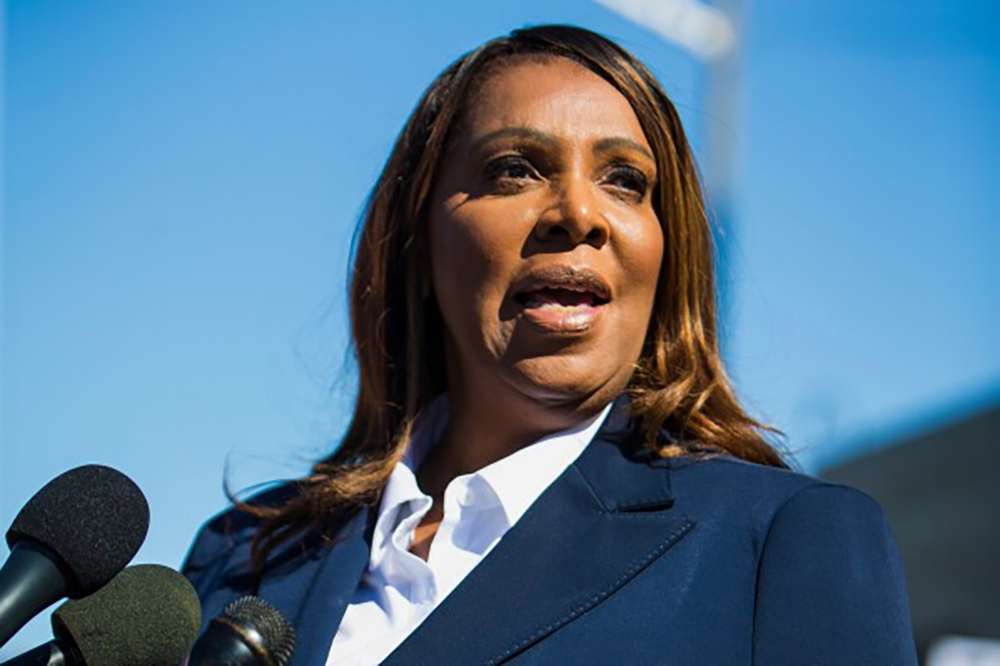
New York Attorney General Letitia James recently issued a consumer alert reminding businesses that customers have a legal right to pay with cash. She emphasized that stores cannot deny service based on payment method, warning that violators could face fines of up to $1,000 for a first offense and higher penalties for repeat violations.
Despite the crackdown, the New York Post found that hundreds of city businesses continue operating as cashless establishments, particularly in Manhattan. Since enforcement began several years ago, nearly 500 violations have been issued, with the vast majority concentrated in Manhattan, followed by Brooklyn, Queens, and the Bronx.
Rather than openly rejecting cash, many businesses are turning to creative workarounds to comply with the letter of the law while avoiding its intent. One of the most common methods involves so-called “reverse ATMs,” machines that allow customers to insert cash and receive a prepaid debit card in return. These cards can then be used within the store or venue, effectively maintaining a cashless system while technically offering a cash option.
According to the New York Post, major venues such as Madison Square Garden and Yankee Stadium have long relied on this system, and others have followed suit. Because the law allows businesses to refuse cash if they provide such a machine without charging a fee, the workaround has become increasingly popular.
Supporters of the law argue it is essential for protecting consumers who rely on cash, particularly low-income individuals, seniors, and those without access to banking services. Lawmakers have said that banning cashless-only policies ensures equal access to basic goods and services, especially as digital payments continue to dominate.
The New York Post report highlights the growing tension between regulators and businesses as the state pushes to preserve cash as a viable payment option while many retailers move in the opposite direction.
For now, enforcement remains a challenge. While officials have pledged to hold violators accountable, the widespread use of loopholes suggests that many businesses are willing to test the limits of the law rather than fully embrace it.



