

















|
Getting your Trinity Audio player ready...
|
By: Fern Sidman
In a decisive and consequential move that underscores mounting alarm over the state of public education in the nation’s largest school system, the Trump administration has launched a federal civil rights investigation into the New York City Department of Education. The inquiry, initiated by the U.S. Department of Education’s Office for Civil Rights, seeks to determine whether systemic failures within the department have permitted, or even tacitly enabled, the proliferation of antisemitic indoctrination in classrooms—an issue that has grown increasingly acute since the events of October 7, 2023.
According to a report on Friday in The Algemeiner, the investigation centers on allegations that teachers within the New York City public school system have actively recruited students into anti-Zionist study groups and extracurricular programming. These initiatives, organized under the banner of a group known as “NYC Educators for Palestine,” are accused of promoting deeply inflammatory narratives that blur the line between political discourse and outright anti-Jewish hostility.
The federal government’s intervention reflects a growing consensus among advocacy organizations, legal experts, and community leaders that the situation has reached a critical threshold. For many, the inquiry is not merely justified but overdue—a necessary response to what is increasingly perceived as a hostile educational environment for Jewish students and faculty.
The allegations, first brought to public attention by the North American Values Institute, paint a troubling picture. As detailed in The Algemeiner report, educators affiliated with the group have reportedly conducted sessions in which students—some as young as five years old—are exposed to highly charged and controversial characterizations of Israel and its supporters. These sessions, described by federal officials as lengthy and intensive, allegedly include assertions that Israelis are “genocidal white supremacists” and portray members of Hamas as “martyrs.”
Such framing does not constitute legitimate academic inquiry but rather a form of ideological conditioning. The concern is not simply that students are being introduced to controversial perspectives, but that they are being encouraged to adopt a worldview that fosters hostility toward their Jewish peers. In this context, the classroom—traditionally a space for learning and intellectual development—becomes a site of division and antagonism.
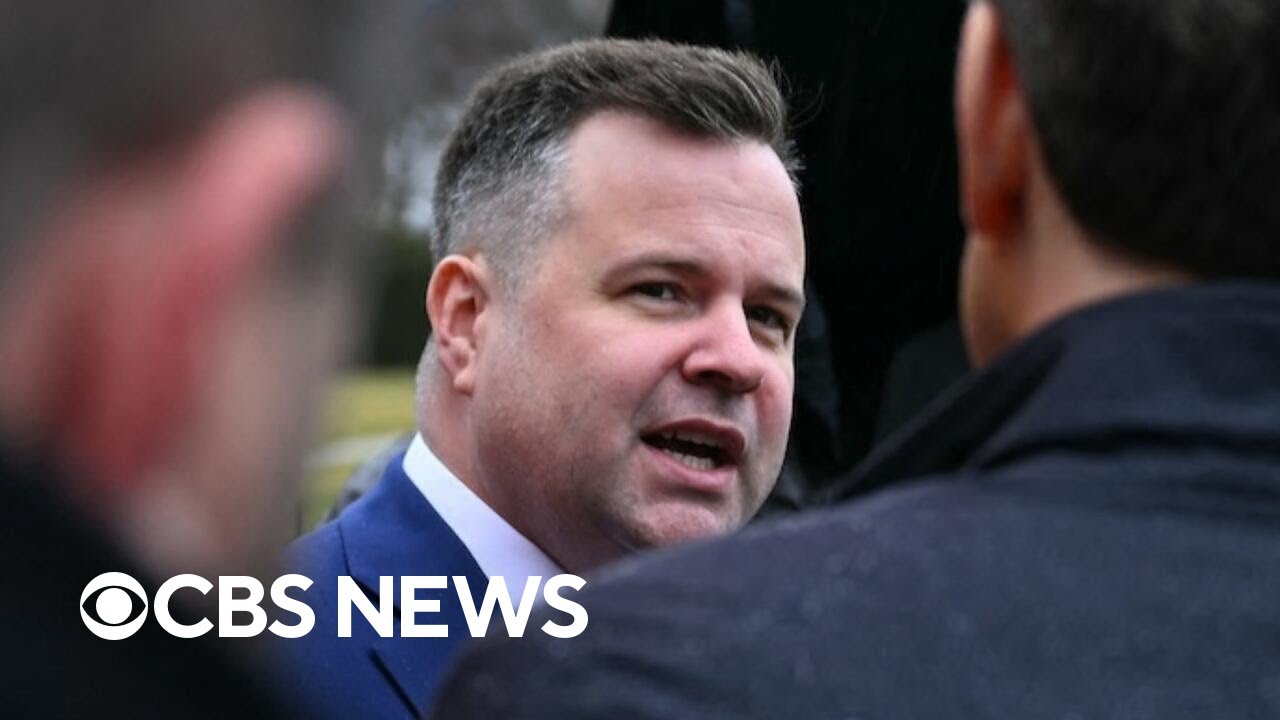
Assistant Secretary of Education for Civil Rights Kimberly Richey articulated the administration’s position in unequivocal terms. “No child should be taught by his or her teachers to hate their peers. Neither should Jewish children be taught that being Jewish somehow makes them inherently guilty or proponents of hate and violence,” she stated. Her remarks, cited in The Algemeiner, reflect a broader commitment to ensuring that educational institutions uphold the principles of equality and non-discrimination enshrined in federal law.
Richey further emphasized the administration’s resolve, declaring that “discrimination has no place in our schools” and that the Office for Civil Rights “will investigate these appalling allegations to ensure the equal treatment of all students.” This language signals a departure from what critics have described as previous inaction, positioning the current inquiry as a corrective measure aimed at restoring accountability.
The scope of the activities extends beyond isolated classroom discussions. According to the information provided in The Algemeiner report, NYC Educators for Palestine has organized a series of “teach-ins” and extracurricular programs designed to engage students across a wide age range, including high school students preparing to enter college and the workforce. One such event, held on the Martin Luther King Jr. holiday, reportedly targeted participants between the ages of six and eighteen.
The implications of these initiatives are profound. By presenting politically charged narratives as educational content the programs risk shaping students’ perceptions in ways that are both misleading and harmful. The concern is that such exposure may lead to the internalization of biases, which can manifest in the form of harassment or exclusion within the school environment.
This dynamic has been highlighted by Josh Weiner, chief strategy officer of the North American Values Institute. In an exclusive interview with The Algemeiner, Weiner expressed deep concern about the impact of these activities. “Essentially what they’re doing is training students to be hostile toward fellow students based on their identity as Jews as Israelis,” he explained. He further noted that the involvement of public school teachers in these initiatives creates the impression of institutional endorsement, thereby compounding the problem.
Weiner also raised questions about the ethical responsibilities of educators, arguing that the promotion of such content represents a clear violation of professional standards. By leveraging their positions within the public school system to attract participation, these individuals blur the distinction between personal activism and official instruction.
The issue is further complicated by the involvement of broader organizational networks. As reported by The Algemeiner, financial and institutional support for NYC Educators for Palestine is linked to entities such as Rethinking Schools, a nonprofit organization that advocates for social justice-oriented education. This organization, in turn, receives backing from larger bodies, including the National Education Association, as well as philanthropic foundations.
Critics argue that these connections raise important questions about accountability and oversight. When funding streams and institutional affiliations intersect with public education, the potential for influence—both direct and indirect—becomes a matter of public concern. The challenge, therefore, lies not only in addressing individual incidents but in examining the broader ecosystem that enables them.
Legal experts have underscored the significance of the federal investigation. Yael Lerman, executive director of StandWithUs Saidoff Law, emphasized the importance of enforcing existing civil rights protections. “Jewish and Israeli students are afforded the same protections as every other child under Title VI of the Civil Rights Act,” she stated in comments reported by The Algemeiner. She added that schools are not venues for unfettered political activism, particularly when such activism creates a hostile environment.
Lerman’s remarks highlight a central tension at the heart of the issue: the balance between freedom of expression and the obligation to ensure a safe and inclusive educational setting. While robust discussion of global issues is a legitimate component of education, it must be conducted in a manner that respects the rights and dignity of all students.
The broader context of rising antisemitism lends additional urgency to the investigation. Since October 7, 2023, Jewish communities in the United States and beyond have reported a significant increase in incidents of harassment and discrimination. In New York City, home to one of the largest Jewish populations in the world, these trends have been particularly pronounced.
As The Algemeiner has documented, the educational sphere has not been immune to these developments. Reports of antisemitic language, exclusionary behavior, and hostile classroom environments have become increasingly common, prompting calls for decisive action.
For many observers, the federal probe represents a necessary intervention in a system that has failed to adequately address these concerns. By invoking the authority of civil rights law, the Trump administration is signaling that the protection of students is not merely a local responsibility but a national imperative.
The stakes are considerable. At issue is not only the well-being of Jewish students and faculty but the integrity of the educational system itself. Schools are entrusted with the task of fostering critical thinking, mutual respect, and intellectual growth. When they instead become arenas for ideological conflict and discrimination, that trust is fundamentally compromised.
The outcome of the investigation will likely have far-reaching implications. Should the allegations be substantiated, the New York City Department of Education may face significant legal and institutional consequences. More broadly, the case could establish important precedents for how similar issues are addressed in school systems across the country.
As the inquiry proceeds, the focus will remain on the fundamental question of whether the rights of students have been upheld. In the words of Kimberly Richey, the goal is to ensure “the equal treatment of all students”—a principle that lies at the core of the American educational ideal.
In confronting this challenge, the federal government has taken a step that is both necessary and overdue. Whether it will lead to meaningful change remains to be seen, but the message is clear: the normalization of hatred, in any form, cannot be permitted to take root within the nation’s classrooms.