


























|
Getting your Trinity Audio player ready...
|
By: Andrew Carlson
In a development that has stirred both alarm and measured restraint across international health agencies, officials around the globe are racing to identify and monitor individuals potentially exposed to a rare and deadly strain of hantavirus linked to a cruise ship outbreak. As reported on Thursday by The New York Times, the unfolding situation has prompted urgent contact tracing operations spanning multiple continents, even as leading experts emphasize that the risk of widespread transmission remains limited under current conditions.
The outbreak, traced to passengers aboard the MV Hondius, has already resulted in three fatalities and several confirmed infections. Yet despite the tragic toll, global health authorities have been careful to temper fears of a broader crisis. “This is not Covid, this is not influenza,” Dr. Maria Van Kerkhove, a senior official at the World Health Organization, declared during a press briefing in Geneva, according to The New York Times. “This spreads very, very differently.”
Her remarks underscore a crucial distinction. Unlike respiratory viruses that propagate rapidly through casual contact, hantavirus infections are typically transmitted through exposure to rodents or their droppings. The particular strain implicated in this outbreak, known as the Andes variant, is the only one documented to spread from human to human, and even then, such transmission is rare and generally requires close personal contact.
“This is not the start of an epidemic, this is not the start of a pandemic,” Dr. Van Kerkhove reiterated, a statement that The New York Times has highlighted as central to the international response. Nevertheless, she acknowledged that vigilance remains essential, particularly given the unique circumstances of a cruise ship environment, where close quarters can facilitate transmission.
The timeline of events has been meticulously reconstructed by health authorities. Since April 11, at least five confirmed cases of hantavirus have been identified among individuals connected to the vessel, with all cases linked to the Andes strain, which is primarily endemic to parts of South America. The deaths of three passengers have intensified scrutiny, prompting a cascade of public health interventions across multiple countries.
One particularly concerning episode involved a 69-year old Dutch woman who briefly boarded a commercial flight shortly before her death. According to The New York Times report, the woman was assisted onto the aircraft in a wheelchair and remained on board for approximately one hour before being removed due to her deteriorating condition.
“Nobody on board thought that they were dealing with a contagious virus,” recalled Barbara de Beukelaar, a fellow passenger, in remarks cited by The New York Times. Her account illustrates the inherent challenges of identifying and containing such infections in real time, particularly when symptoms may initially appear nonspecific.
Airline officials subsequently provided passenger manifests to health authorities to facilitate contact tracing. Meanwhile, a flight attendant who had interacted with an infected individual was undergoing testing in the Netherlands, though officials declined to disclose whether she had exhibited symptoms.
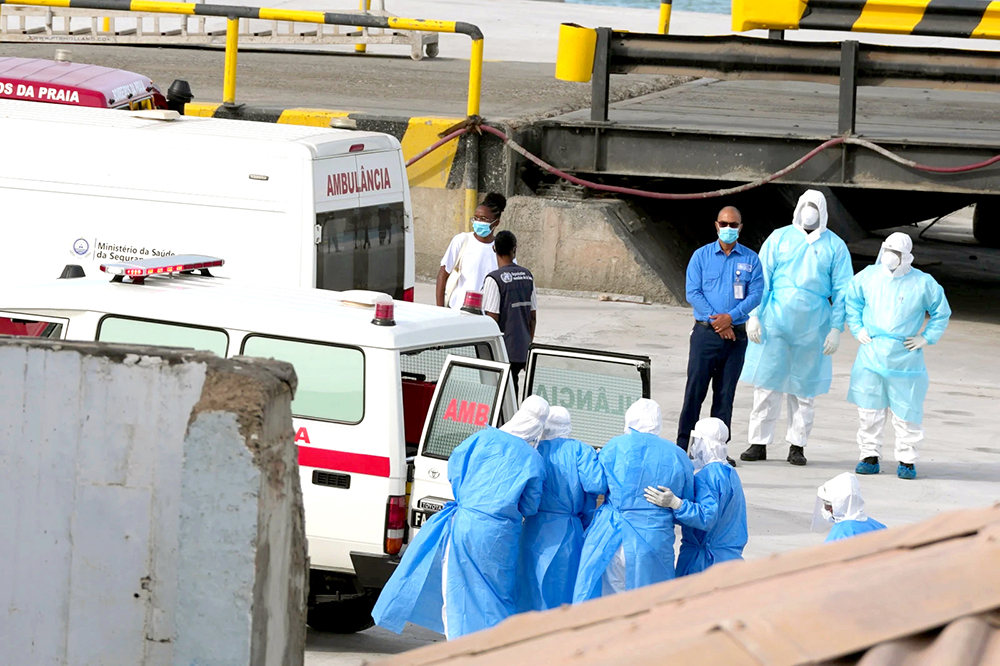
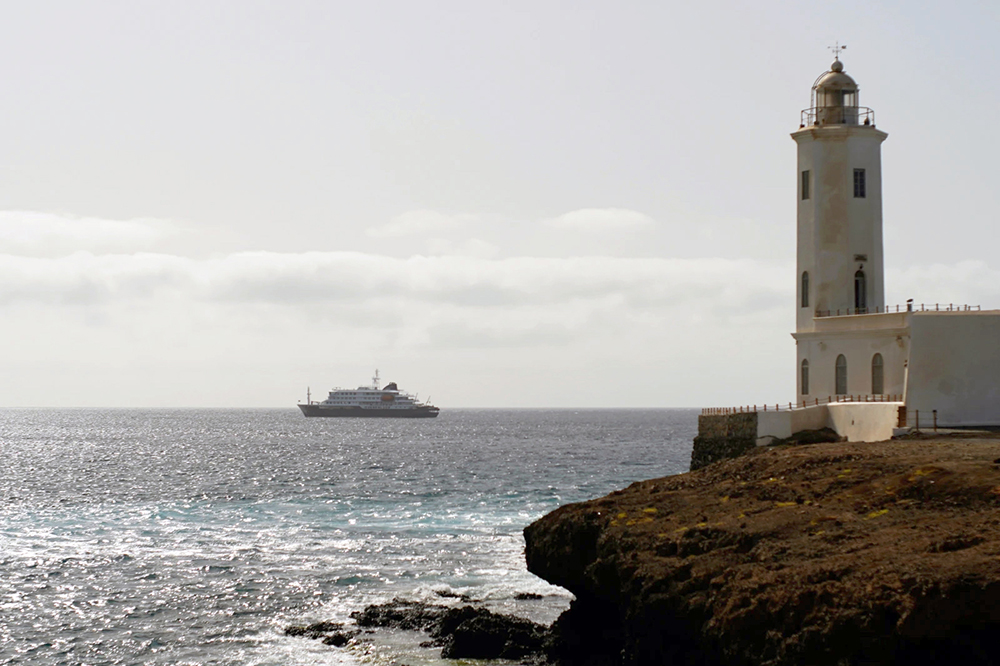
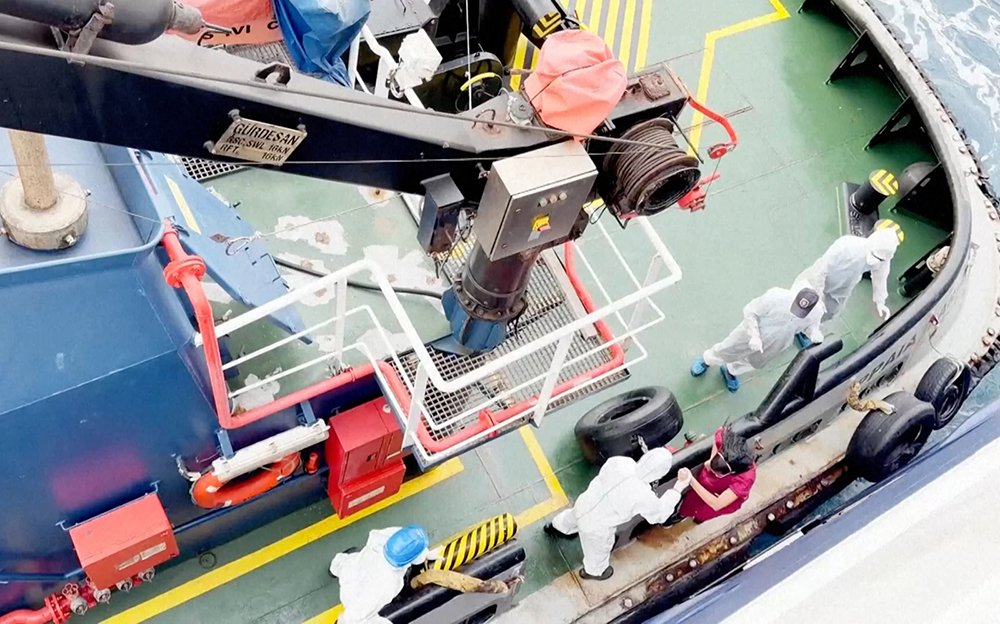
The cruise ship itself, carrying approximately 150 passengers and crew members from nearly two dozen nations, has become the focal point of an intricate international response. As detailed by The New York Times, the vessel was en route to the Canary Islands but has been instructed to remain offshore while evacuation procedures are coordinated.
Passengers are expected to be transferred in stages to the island of Tenerife, from where they will board flights back to their respective countries. Oceanwide Expeditions, the company operating the cruise, confirmed that several individuals with suspected or confirmed infections had already been evacuated for medical treatment.
Among them were two crew members displaying symptoms, a British national aged 56 and a Dutch citizen aged 41. A German passenger without symptoms was also evacuated and is undergoing precautionary testing. These measures, though disruptive, are emblematic of the rigorous protocols now being deployed to contain the outbreak.
The complexity of the situation is compounded by the ship’s itinerary, which included a stop on the remote island of St. Helena. On April 24, more than 30 passengers disembarked there, dispersing to various destinations before the first case was confirmed. According to The New York Times report, at least one of these individuals has since tested positive and is receiving treatment in Switzerland.
“We are working to establish details of all passengers and crew who embarked and disembarked the ship,” Oceanwide stated, emphasizing the scale of the undertaking. The logistical challenge of tracing potentially exposed individuals across multiple jurisdictions has tested the capacity of public health systems worldwide.
In Singapore, two individuals connected to the ship have been placed in isolation pending test results. In Denmark, a passenger has voluntarily self-isolated despite showing no symptoms. In the United States, health officials in several states are monitoring individuals who were aboard the vessel, though none have exhibited signs of illness thus far.
Maariv reported on Thursday that an Israeli man was diagnosed with Hantavirus after apparently contracting the rare disease during a trip to Eastern Europe.
According to the report, the patient developed symptoms consistent with hantavirus infection after returning from Eastern Europe several months ago. Antibody testing initially indicated exposure to the virus, while a later PCR test confirmed the infection. The patient is reportedly in stable condition and under medical monitoring.
The global nature of the response reflects both the interconnectedness of modern travel and the heightened sensitivity to emerging infectious threats. Yet experts have consistently urged caution against overreaction. Dr. Jeanne Marrazzo, a leading authority in infectious diseases, articulated this balance with notable clarity.
“Our level of concern should be really high,” she said, in comments reported by The New York Times. “But it’s not the situation where it’s going to start an outbreak everywhere in the world.” She added, “We really have to sort of try to just be calm and focus on the context and look at the risk in those situations.”
Her perspective reflects a broader consensus among epidemiologists that while the outbreak is serious, it does not exhibit the characteristics of a rapidly spreading global pathogen. Instead, it represents a localized cluster that requires targeted interventions rather than sweeping restrictions.
Nevertheless, the incident has reignited discussions about preparedness and the vulnerabilities inherent in international travel. Cruise ships, in particular, have come under renewed scrutiny due to their history as sites of infectious disease outbreaks. The confined environment, combined with the constant movement of passengers between ports, creates conditions that can complicate containment efforts.
As The New York Times report observed, the current response has been marked by a high degree of coordination among national health authorities, international organizations, and private companies. This collaborative approach is widely viewed as essential to mitigating the impact of the outbreak.
At the same time, the situation serves as a reminder of the enduring challenges posed by zoonotic diseases, which originate in animals and occasionally cross over into human populations. Hantavirus, carried by rodents, exemplifies this category, highlighting the importance of monitoring environmental factors as well as human behavior.
Looking ahead, the focus will remain on identifying additional cases, providing appropriate medical care, and preventing further transmission. The World Health Organization has indicated that with proper public health measures, the spread of the virus is expected to remain limited.
“This spreads very, very differently,” Dr. Van Kerkhove emphasized once more, a refrain that has become central to the narrative surrounding the outbreak. Her words encapsulate both the distinct nature of the threat and the cautious optimism that it can be contained.
In the final analysis, the hantavirus outbreak aboard the MV Hondius stands as a stark illustration of the complexities of modern epidemiology. It is a story of tragedy and resilience, of scientific vigilance and international cooperation.