



|
Getting your Trinity Audio player ready...
|
By: Jason Ostedder
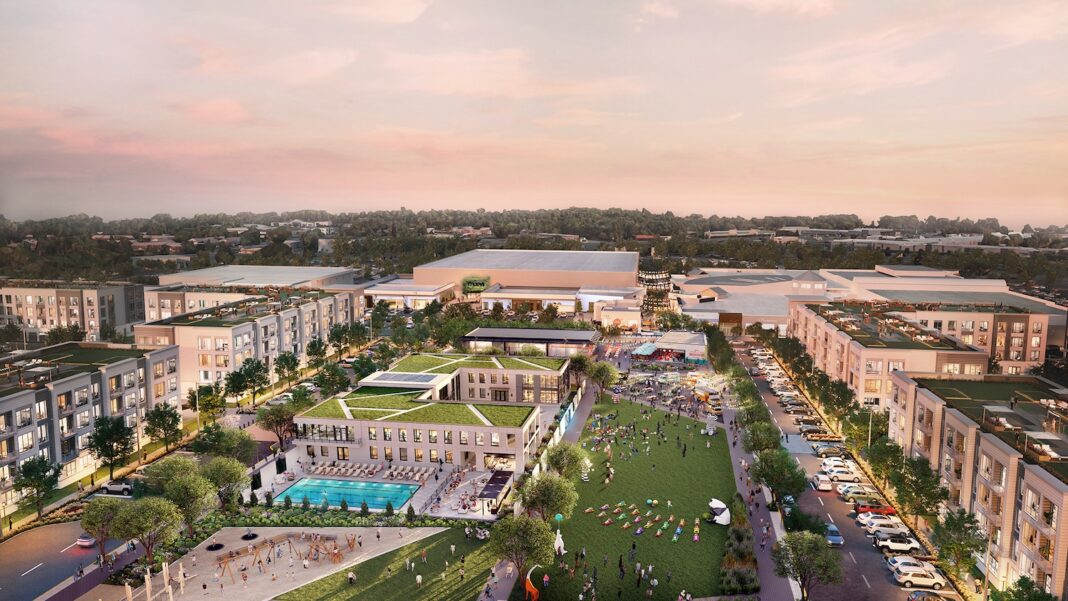
In the heart of Monmouth County, a sweeping transformation is underway—one that promises not merely to reshape a long-standing commercial landmark but to redefine the very contours of suburban development in New Jersey. The former Monmouth Mall in Eatontown, once emblematic of the enclosed retail paradigm that dominated late twentieth-century America, is now being reimagined as Monmouth Square, an ambitious, more than $500 million mixed-use project spearheaded by Kushner Companies. The redevelopment represents a bold vision for the future of retail, residential, and communal life, and it bears the unmistakable imprint of one of the region’s most influential real estate dynasties.
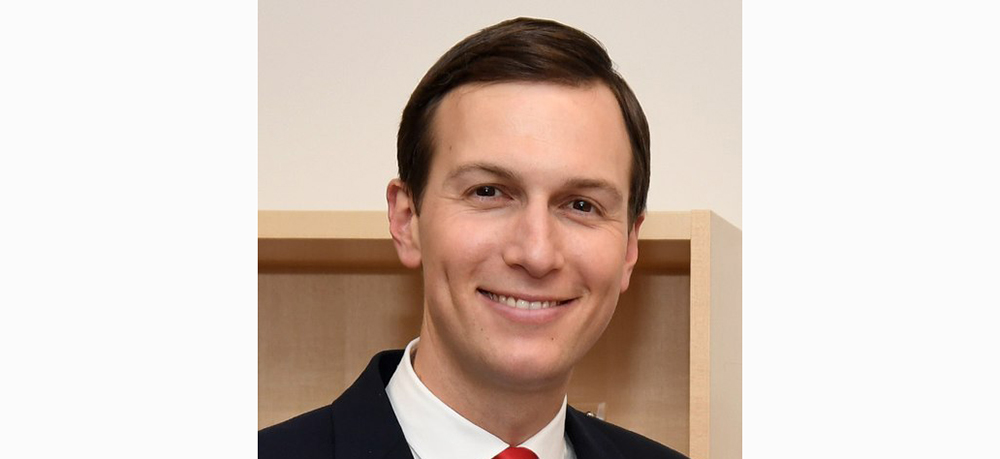
At the center of this undertaking stands Jared Kushner, whose strategic vision and deep-rooted ties to New Jersey have helped propel the project forward. Though widely known for his role in national politics, Kushner’s enduring influence in the real estate sector—particularly within his home state—remains both profound and consequential. Monmouth Square is not merely another development; it is the latest chapter in a decades-long narrative of transformation, risk-taking, and reinvention that has defined the Kushner family’s approach to property development.
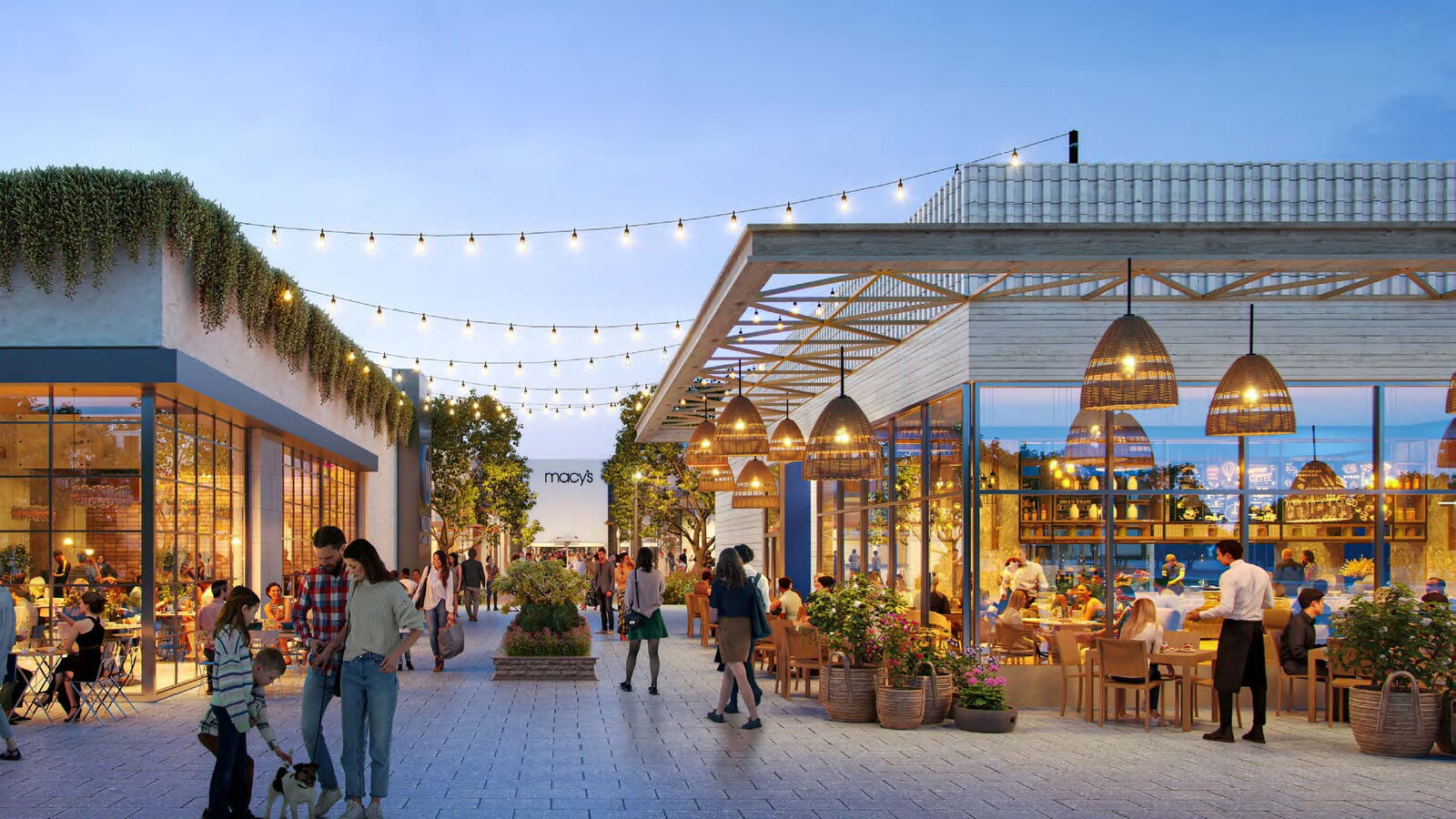
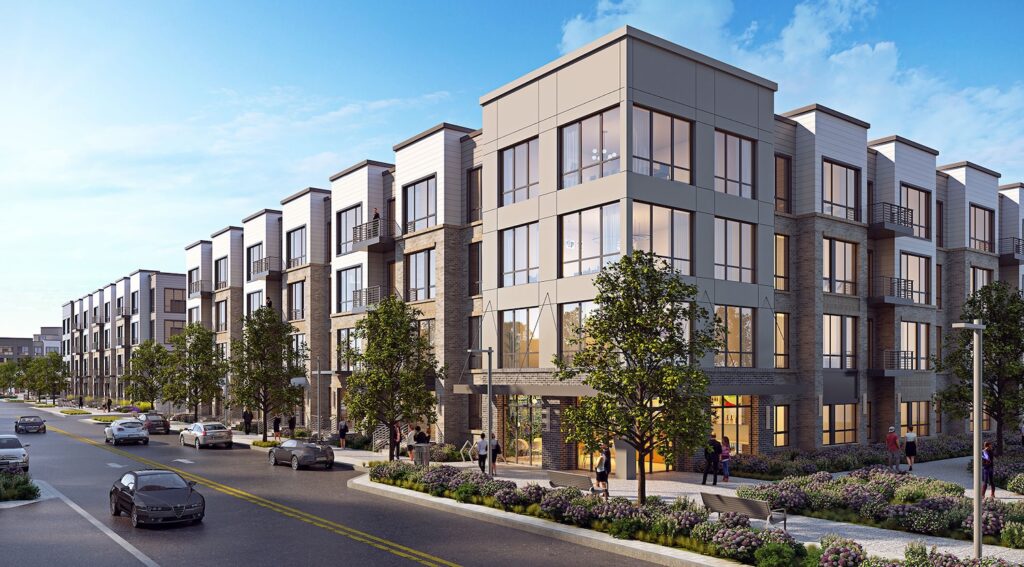
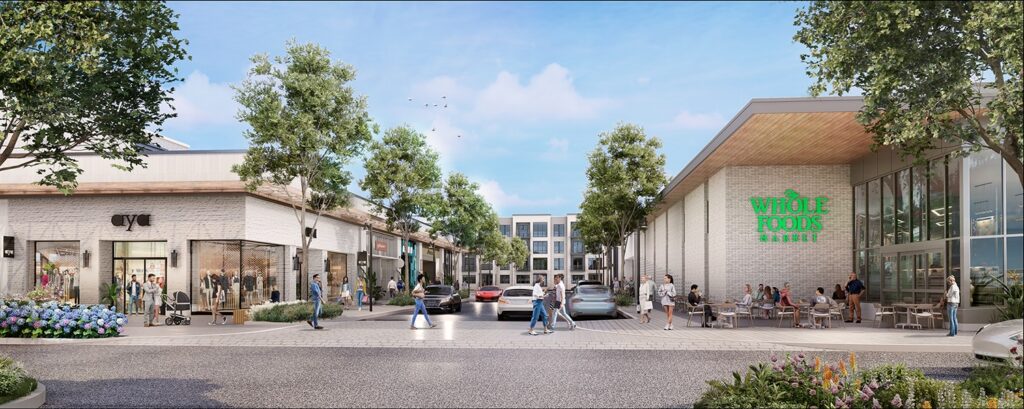
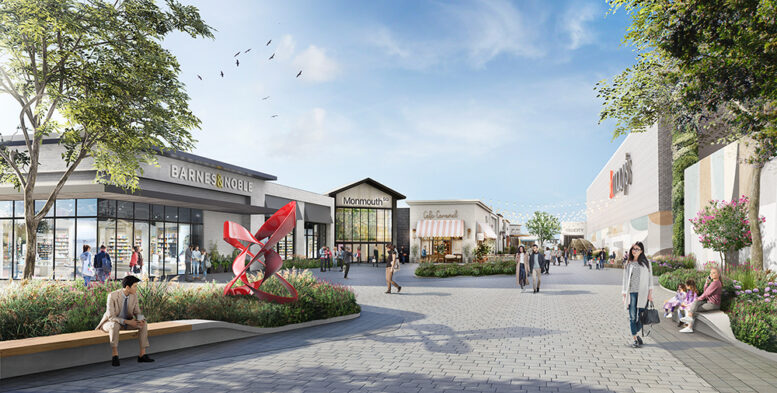
The scale of the project is formidable. Encompassing approximately 1.5 million square feet, the redevelopment will replace the aging indoor mall with a vibrant, open-air town center designed to integrate commerce, housing, and public space. Plans call for 990,000 square feet of retail and dining establishments, alongside approximately 1,000 residential units that will introduce a substantial new population into the area. Complementing these elements will be medical office facilities, a central green space intended for concerts and community gatherings, and an intricate network of pedestrian pathways designed to foster connectivity and accessibility.
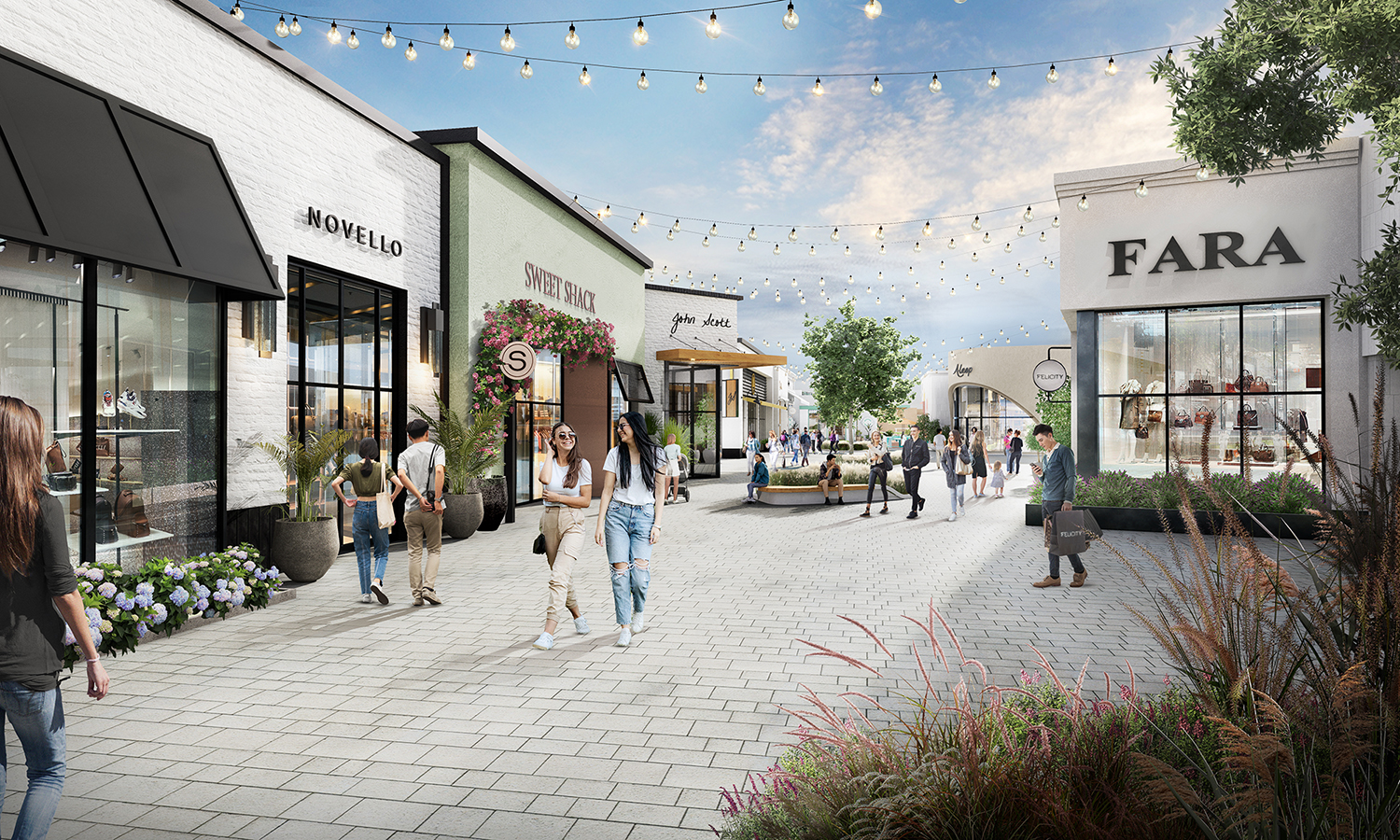
This vision reflects a broader shift in urban planning philosophy—away from isolated, automobile-dependent shopping complexes and toward integrated, walkable environments that prioritize experience and community engagement. In this sense, Monmouth Square is both a response to and a catalyst for changing consumer preferences, as traditional malls across the United States grapple with declining foot traffic and evolving economic realities.
Yet what distinguishes this project is not merely its scale or ambition, but the pedigree of the organization behind it. Kushner Companies, founded by Charles Kushner and later expanded under the leadership of his son Jared, has long been a dominant force in New Jersey’s real estate landscape. The firm’s portfolio spans residential, commercial, and mixed-use properties, with a particular emphasis on transformative projects that seek to unlock the latent potential of underutilized assets.
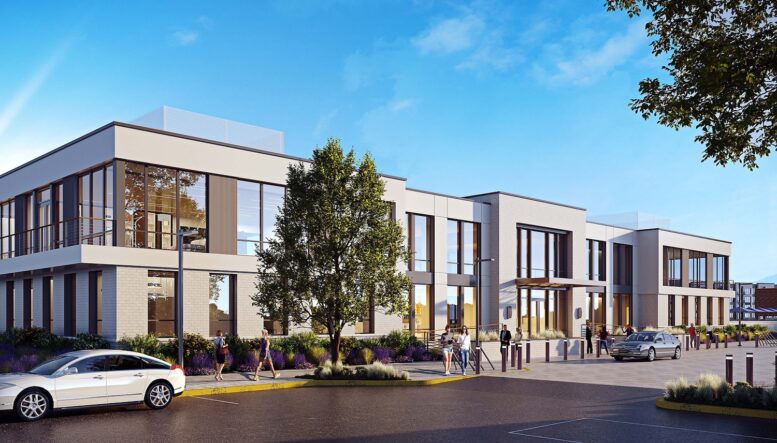
The Kushner family’s history in New Jersey is both extensive and deeply intertwined with the state’s economic development. Beginning with Charles Kushner’s early ventures in the latter half of the twentieth century, the company built a substantial portfolio of residential properties across the region, establishing a reputation for both aggressive acquisition strategies and meticulous asset management. Over time, this foundation enabled the firm to expand into more complex and high-profile developments, including office buildings, luxury apartments, and large-scale redevelopment initiatives.
Under Jared Kushner’s stewardship, the company has embraced an increasingly sophisticated and forward-looking approach. Educated in both business and law, Kushner brought a global perspective to the firm, emphasizing innovation, branding, and strategic partnerships. His tenure has been marked by a willingness to undertake ambitious projects that challenge conventional wisdom, as well as a keen understanding of the interplay between real estate, finance, and public policy.
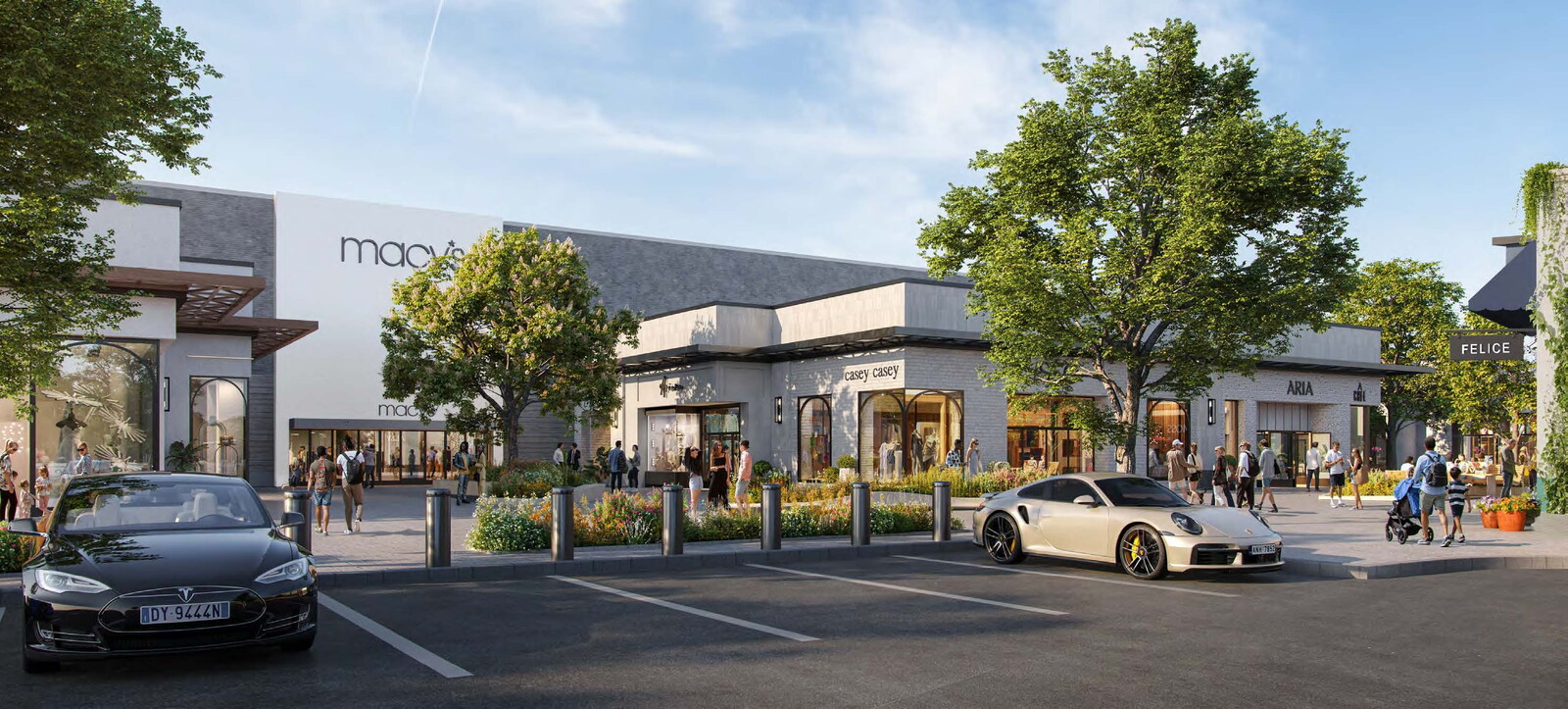
Monmouth Square exemplifies this philosophy. Rather than attempting to preserve the traditional mall format—a model that has struggled in the face of online retail and shifting consumer habits—the project seeks to create a destination that transcends mere commerce. The inclusion of residential units, for example, reflects a recognition that modern consumers increasingly value proximity and convenience, preferring environments where they can live, work, and socialize within a cohesive, integrated setting.
The retail component, meanwhile, has been carefully curated to balance established anchors with emerging brands. Existing tenants such as AMC Dine-In Theatre, Macy’s, Boscov’s, Barnes & Noble, and LensCrafters have remained operational throughout the construction process, providing continuity and stability. At the same time, new additions—including popular dining and lifestyle brands—are being introduced to enhance the center’s appeal and diversify its offerings.
Equally significant is the project’s emphasis on public space. The central green, envisioned as a focal point for community events, represents a deliberate effort to create a sense of place and belonging. In an era characterized by increasing social fragmentation, such spaces serve as vital arenas for interaction, fostering connections that extend beyond transactional relationships.
The logistical complexity of the redevelopment cannot be overstated. Transforming a functioning mall into a mixed-use environment while maintaining operations requires meticulous planning, coordination, and execution. Construction began in earnest in 2024 and is expected to continue through 2026, with various phases unfolding in a carefully orchestrated sequence. The site’s strategic location—near the intersection of Routes 35 and 36 and in close proximity to the Garden State Parkway—further underscores its potential as a regional hub.
For Jared Kushner, the project also carries symbolic significance. It represents a return to the state where he was raised and where his family built its fortune, as well as an opportunity to demonstrate the continued relevance of the Kushner Companies in a rapidly evolving industry. In this sense, Monmouth Square is both a culmination of past achievements and a statement of future intent.
The broader implications of the redevelopment extend beyond Eatontown. As municipalities across New Jersey and the United States confront the challenges posed by aging infrastructure and shifting economic patterns, projects like Monmouth Square offer a potential blueprint for revitalization. By integrating residential, commercial, and recreational elements, such developments can generate new sources of revenue, attract investment, and enhance quality of life.
At the same time, they raise important questions about affordability, accessibility, and the balance between private development and public interest. The inclusion of luxury apartments, for example, may contribute to rising property values, potentially placing pressure on existing residents. Addressing these concerns will require ongoing dialogue and collaboration between developers, local governments, and community stakeholders.
Nevertheless, the scale and ambition of the project underscore the enduring capacity of visionary development to reshape landscapes and redefine possibilities. In the case of Monmouth Square, that vision is inseparable from the legacy and leadership of Kushner Companies and its most prominent figure, Jared Kushner.
As construction continues and the contours of the new development gradually take shape, the transformation of Monmouth Mall stands as a testament to the power of reinvention. What was once a relic of a bygone era is being reborn as a dynamic, multifaceted environment—one that reflects the complexities and aspirations of contemporary life.
In the years to come, the success or failure of Monmouth Square will be measured not only in financial terms but in its ability to foster community, drive economic growth, and adapt to the ever-changing demands of the modern world. For now, it serves as a compelling illustration of how strategic vision, combined with institutional experience, can breathe new life into even the most familiar of spaces.
