

















|
Getting your Trinity Audio player ready...
|
By: Jeff Gorman
In the shadowed corridors of Washington’s defense establishment, a quiet but consequential process is underway—one that could reshape the geopolitical balance in the Western Hemisphere. According to a report on Wednesday by USA Today, the United States Department of Defense has begun preliminary planning for a potential military operation in Cuba, awaiting only a formal directive from President Trump as tensions between Washington and Havana intensify.
The development, though not publicly announced through official channels, reflects a convergence of strategic considerations, political signaling, and economic pressure. Two anonymous sources familiar with internal deliberations disclosed to USA Today that Pentagon personnel have been tasked with preparing contingency frameworks for possible action. While the scope and nature of such an operation remain undefined, the mere existence of these plans underscores a notable escalation in posture toward the island nation.
The timing of these preparations is far from coincidental. In January, the Trump administration imposed restrictions on oil shipments to Cuba, a move widely interpreted as part of a broader effort to exert economic leverage. This policy shift has placed additional strain on Cuba’s already fragile economy, intensifying domestic challenges and complicating its international relationships. The intersection of economic sanctions and military planning suggests a coordinated strategy aimed at compelling change, though the precise objectives remain subject to interpretation.
Reports of the Pentagon’s planning efforts first emerged through independent channels before circulating among policymakers on Capitol Hill. As noted in the USA Today report, these disclosures have prompted a mixture of concern and scrutiny within legislative circles, where questions about oversight, authorization, and long-term implications are being actively debated. The involvement of anonymous sources reflects the sensitivity of the matter, as officials navigate the tension between operational secrecy and public accountability.
At the same time, diplomatic avenues have not been entirely foreclosed. In March, representatives from the United States and Cuba were reportedly engaged in discussions aimed at forging a historic economic agreement. Such a deal, if realized, could alleviate some of the pressures currently defining the bilateral relationship. However, as USA Today report emphasized, these negotiations have yet to produce a concrete outcome, leaving the situation in a state of uncertainty.
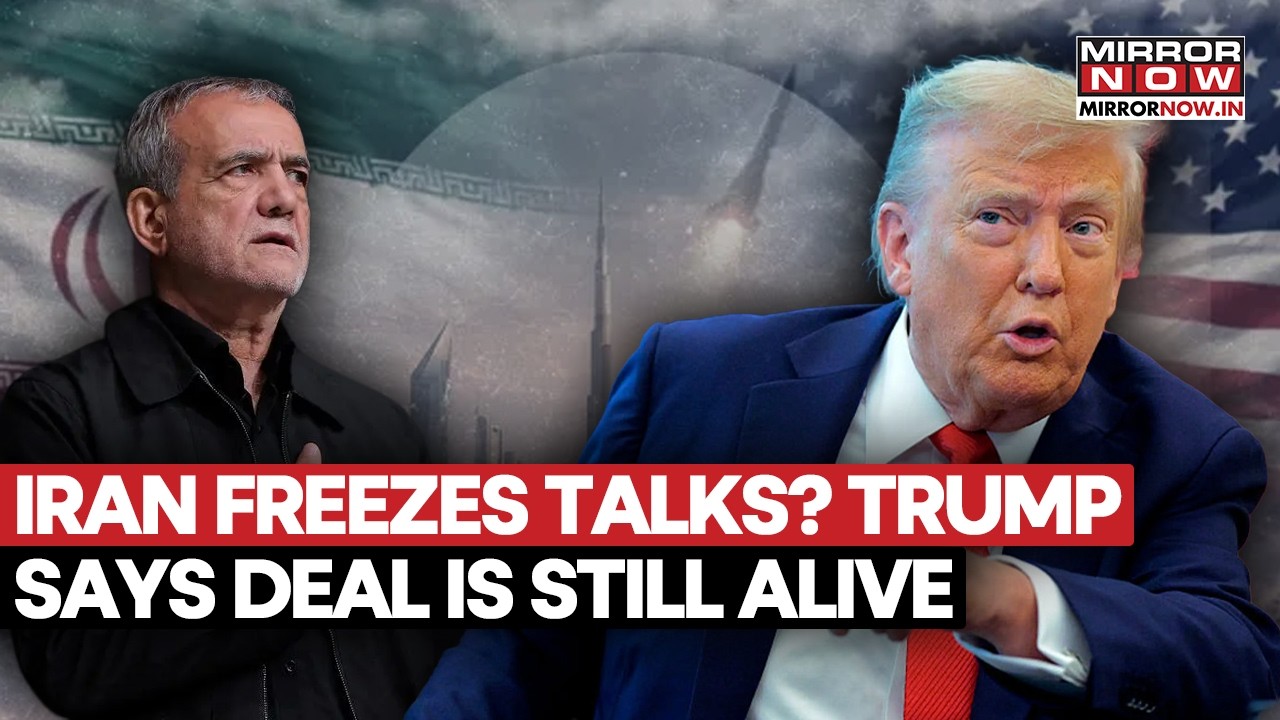
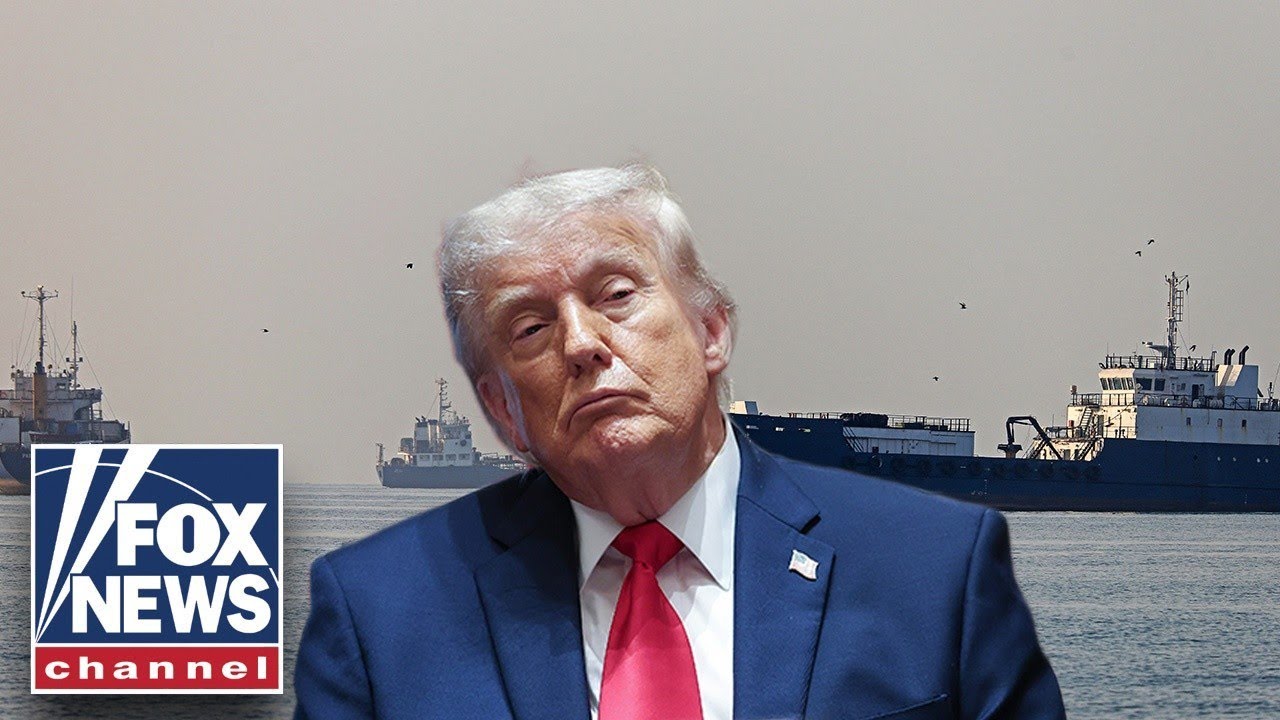
President Trump’s own remarks have added a layer of ambiguity to the evolving narrative. In an interview conducted on April 13, he suggested that the United States might “stop by Cuba” following the conclusion of its conflict with Iran. While the statement was delivered in a characteristically informal manner, its implications have not gone unnoticed. Analysts have interpreted it as a signal of intent, albeit one that lacks specificity regarding timing, scale, or strategic rationale.
The historical context of U.S.-Cuba relations lends additional weight to these developments. For decades, the relationship has been defined by cycles of confrontation and cautious engagement, shaped by ideological differences and geopolitical considerations. From the Cold War tensions that culminated in the Cuban Missile Crisis to the gradual normalization efforts of more recent years, the trajectory has been anything but linear. The current moment appears to represent another inflection point, one in which past patterns may inform but do not fully determine future outcomes.
Within the Pentagon, the process of contingency planning is both routine and essential. Military strategists are tasked with anticipating a wide range of scenarios, developing operational frameworks that can be activated if circumstances require. Such planning does not necessarily indicate an imminent decision to act; rather, it reflects a commitment to preparedness in an uncertain environment. Nevertheless, the focus on Cuba suggests that the island has reemerged as a priority within the broader strategic landscape.
The potential implications of any military action are considerable. Cuba’s geographic proximity to the United States, combined with its complex political and economic dynamics, makes it a uniquely sensitive arena for intervention. Any escalation would likely reverberate across the region, influencing relationships with neighboring countries and drawing responses from global actors. The risk of unintended consequences, including humanitarian and economic disruptions, would need to be carefully weighed against any perceived strategic gains.
Domestically, the issue is likely to generate significant debate. Questions of authorization, particularly the role of Congress in approving military action, are expected to feature prominently in discussions. Additionally, public opinion may play a decisive role, as citizens assess the rationale and potential costs of involvement. The interplay between executive authority and legislative oversight will be a critical factor in shaping the trajectory of events.
From an economic perspective, the situation introduces another layer of complexity. The restrictions on oil shipments have already impacted Cuba’s energy sector, with potential spillover effects on industries ranging from transportation to manufacturing. Further escalation could exacerbate these challenges, influencing regional markets and supply chains. For the United States, the implications would extend to trade, investment, and broader economic stability.
The international dimension of the issue cannot be overlooked. Cuba maintains relationships with a range of global partners, including countries that may view U.S. actions through the lens of broader geopolitical competition. The response of these actors could influence the strategic calculus, either by amplifying tensions or by facilitating avenues for de-escalation. In this context, the role of diplomacy remains critical, even as military planning proceeds in parallel.
As USA Today has reported, the current situation is characterized by a delicate balance between preparation and restraint. The existence of contingency plans does not predetermine their execution, and the path forward will depend on a complex interplay of factors. These include developments in ongoing negotiations, shifts in domestic and international opinion, and the evolving priorities of the administration.
For observers and analysts, the unfolding narrative offers a window into the mechanisms of modern statecraft. It highlights the ways in which economic policy, military strategy, and diplomatic engagement intersect, often in ways that are not immediately visible to the public. It also underscores the importance of transparency and accountability in navigating issues of such profound consequence.
In the final analysis, the Pentagon’s planning for a potential operation in Cuba represents a moment of heightened significance in U.S. foreign policy. It reflects both the challenges and the opportunities inherent in managing complex international relationships. As the situation continues to evolve, the decisions made in Washington will carry implications not only for the United States and Cuba but for the broader global community.
Whether the current trajectory leads to confrontation, compromise, or a recalibration of priorities remains to be seen. What is clear, however, is that the stakes are substantial, and the margin for error is narrow. In such circumstances, the importance of careful deliberation, informed judgment, and strategic foresight cannot be overstated.