










|
Getting your Trinity Audio player ready...
|
“Trying to get a little breathing room between Israel and Lebanon. It has been a long time since the two leaders have spoken, like 34 years,” Trump wrote in a post on his Truth Social platform. “It will happen tomorrow. Nice! President DJT,” added the American leader.
Israeli and Lebanese officials last engaged in direct, U.S.-backed talks following the 1982 First Lebanon War, culminating in the May 17 Agreement. The pact was the closest the two nations have ever come to a formal peace deal, but it was never fully implemented, and was formally canceled by Beirut in 1984.
Trump did not specify which leaders would take part, whether Israeli Prime Minister Benjamin Netanyahu, Israeli President Isaac Herzog, Lebanese President Joseph Aoun or Lebanese Prime Minister Nawaf Salam.
However, Israeli Minister of Innovation, Science and Technology Gila Gamliel, a member of Netanyahu’s Cabinet, told Army Radio that the premier would be speaking with Aoun.
After an anonymous Lebanese source told AFP on Thursday morning that Beirut was “not aware” of any upcoming contact with Israel, the country’s Al-Jadeed TV station that efforts were underway to arrange a trilateral call between Netanyahu, Aoun and U.S. Secretary of State Marco Rubio.
Iranian-backed Hezbollah began firing rockets, missiles and suicide drones at Israel from Lebanon last month in retaliation for the Jewish state’s targeted killing of Iranian Supreme Leader Ali Khamenei in the opening strikes of “Operation Roaring Lion/Epic Fury” against the Islamic Republic on Feb. 28.
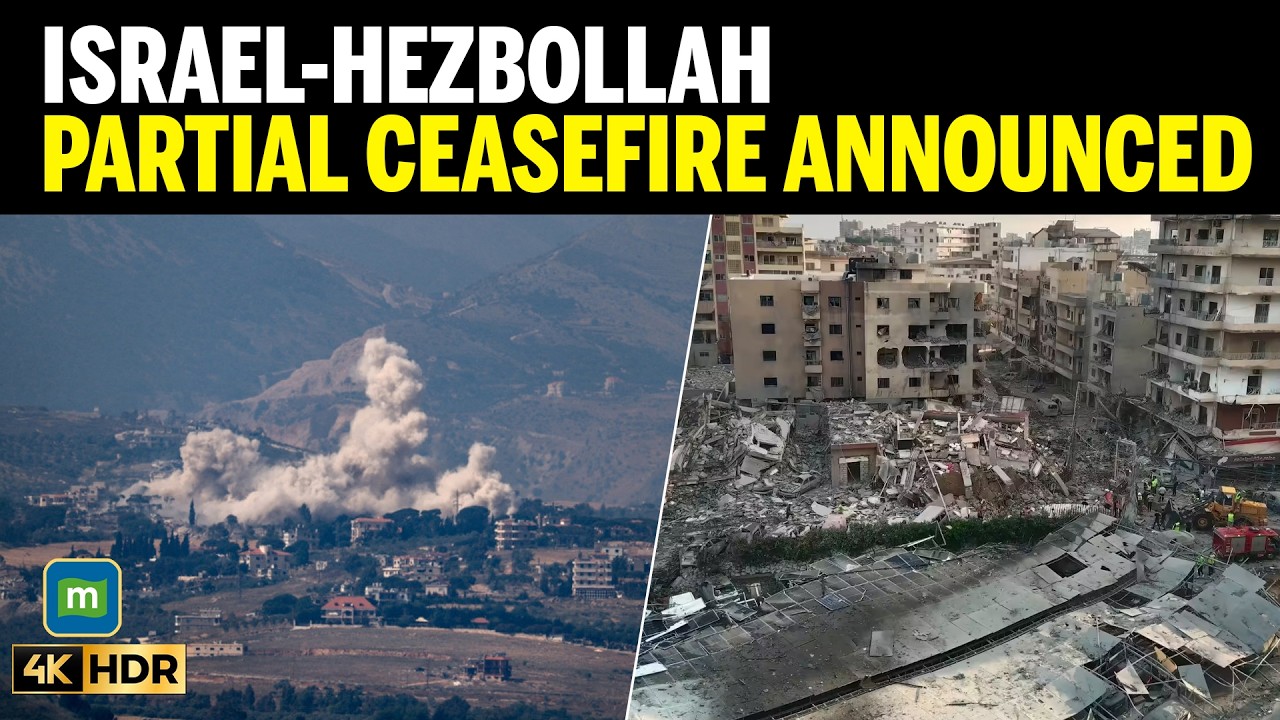
In response to the terrorist organization’s violation of the U.S.-brokered Nov. 27, 2024, truce agreement, Jerusalem launched an aerial campaign against Hezbollah and ordered the Israel Defense Forces to take control of additional areas in Southern Lebanon to halt cross-border attacks.
Netanyahu announced on April 9 that Lebanon had requested the reopening of direct negotiations with the Jewish state aimed at disarming Hezbollah.
After more than two hours of talks that Rubio hosted in Washington, D.C., on Tuesday, Israeli Ambassador to the United States Yechiel Leiter said that the most important outcome of the negotiations was that Jerusalem and Beirut are “on the same side of the equation.”
“We are both united in liberating Lebanon from an occupation power dominated by Iran called Hezbollah,” said Leiter. “Lebanon is under their occupation, and we are suffering from their constant barrages of missiles and terror attacks trying to cross our border.”
Lebanese President Joseph Aoun stated after the meeting that he hoped the talks mark “the beginning of the end of the suffering of the Lebanese people.”
“The only solution lies in the Lebanese army re-deploying up to the internationally recognized border, and so being solely responsible for the security of the area and the safety of its residents, without the partnership of any other party,” said Aoun.
Hezbollah Secretary-General Naim Qassem on Monday had urged Aoun to cancel the talks, which he described as “stabbing the resistance in the back.”
“Israel and the United States have openly stated they want to strengthen the army to disarm Hezbollah, fight it, dismantle its institutions and eliminate the resistance, its people and all who support it,” said Qassem, according to a translation by Iran’s official Press TV outlet. “They want the [Lebanese] army to fight its own people—something the army cannot and will not do.”
Rejecting negotiations with Jerusalem as “futile and humiliating,” Qassem said Hezbollah would “remain steadfast, keep our heads held high and liberate the land.”
IDF chief: Over 1,700 Hezbollah terrorists killed
Israeli forces have eliminated more than 1,700 Hezbollah terrorists since the start of military operations in Lebanon, IDF Chief of Staff Lt. Gen. Eyal Zamir said on Wednesday during a visit to the 162nd Division in Southern Lebanon.
Zamir met with senior commanders, conducted an on-site situational assessment and praised troops engaged in ongoing ground operations. “Hezbollah is weakened and isolated in Lebanon,” he said.
Active operations are continuing in Bint Jbeil, led by the 98th Division, and in the Beit Leaf area, where the 162nd Division is working to dismantle terrorist infrastructure. Three additional divisions are stabilizing a forward defense zone in the region. Zamir said he has ordered all of Southern Lebanon up to the Litani River designated a no-go zone for Hezbollah.
“When you look behind you, you see the Israeli towns of Hanita, Zar’it, and Shlomi—we are fighting for them and for their long-term security and peace,” said Zamir. “There are extraordinary acts of bravery here. We are paying heavy prices, but we understand this is our mission and we are moving forward. We will continue to strike Hezbollah operatives and dismantle terrorist infrastructure.”
Thirteen IDF troops have fallen since the military expanded ground operations in Southern Lebanon in early March.
Zamir said he had approved additional operational plans Tuesday in consultation with the General Staff Forum, covering both Lebanon and Iran.
On the Islamic Republic, Zamir said Israel and the United States had conducted a joint strike against what he called the “Iranian terror regime,” degrading its defensive capabilities. He warned that Israel would not allow Iran to make advances on its nuclear program, in the Strait of Hormuz, or on other outstanding issues. “Air Force aircraft are armed and prepared, and targets are loaded into the systems,” said Zamir. “We know how to command them for a powerful strike immediately.”
Missile hits south of Haifa
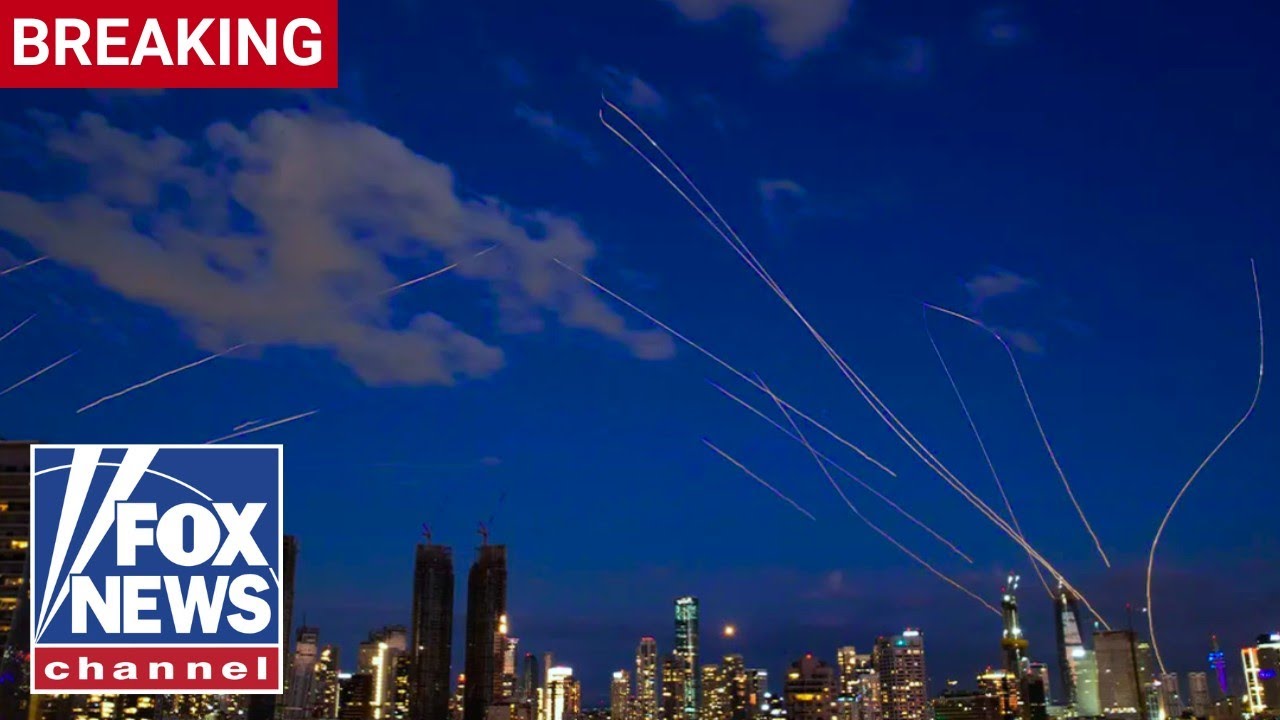
Air-raid sirens continued to blare across northern Israel on Thursday morning—with alerts activated from Lebanese border communities all the way to Karmiel in the center of the Galilee—amid ongoing Hezbollah aerial attacks, the IDF’s Home Front Command said.
On Wednesday night, a missile fired from Lebanon hit an open area south of Haifa, the Ynet news outlet reported. No sirens were activated due to the expected location of the impact, according to the report.
Earlier on Wednesday, one person sustained light wounds when a rocket fired by Hezbollah hit the Arab-Israeli city of Tamra. The casualty, identified as a 61-year-old man, suffered shrapnel wounds and was evacuated for treatment at Haifa’s Rambam Health Care Campus.
Hezbollah on Wednesday morning launched a string of attacks targeting the Upper and Western Galilee, including one heavy barrage that saw some 30 rockets fired in under 40 minutes, Channel 12 News reported.



