













|
Getting your Trinity Audio player ready...
|
By: Fern Sidman
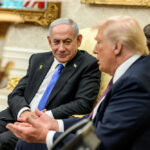
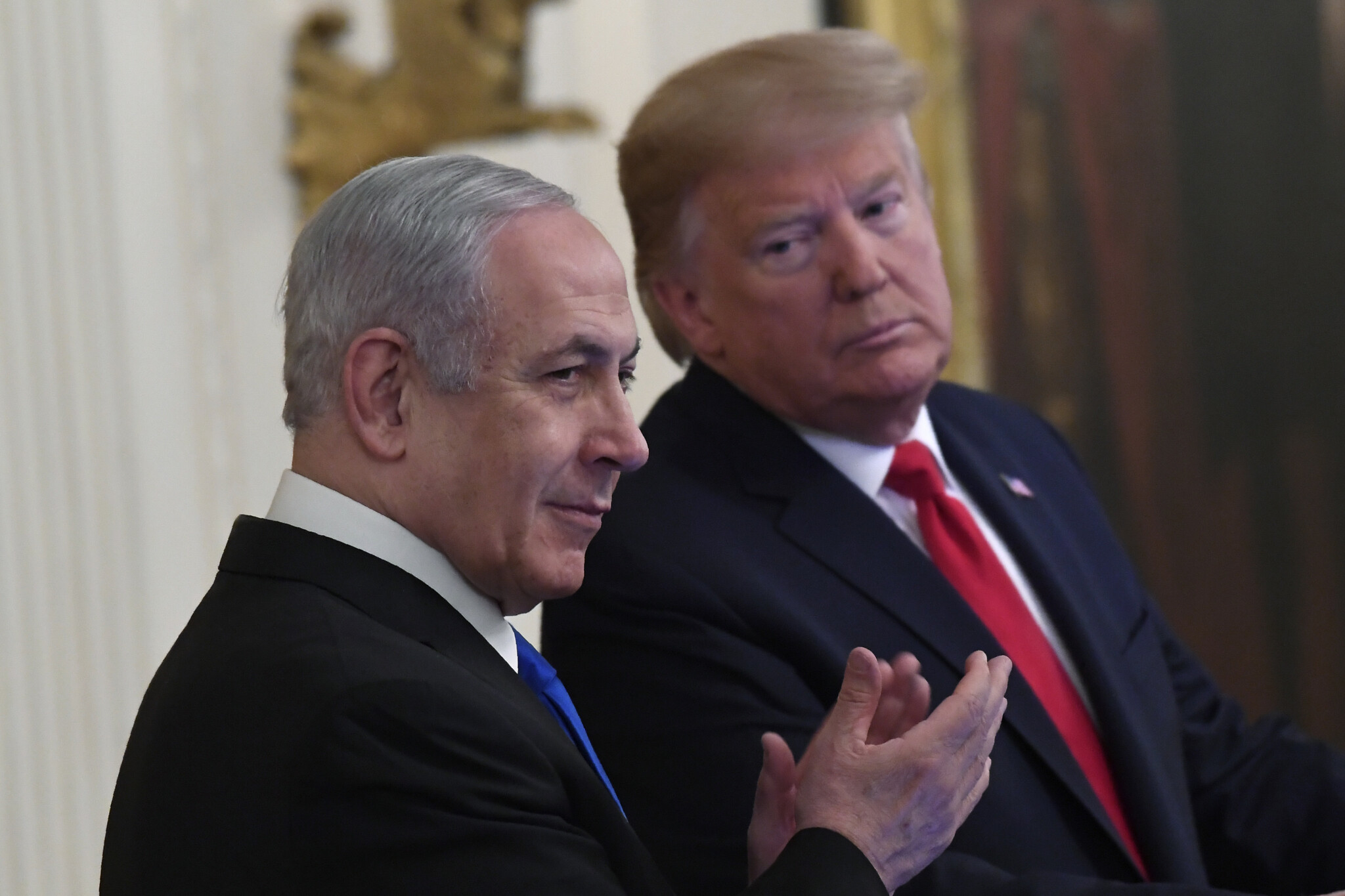
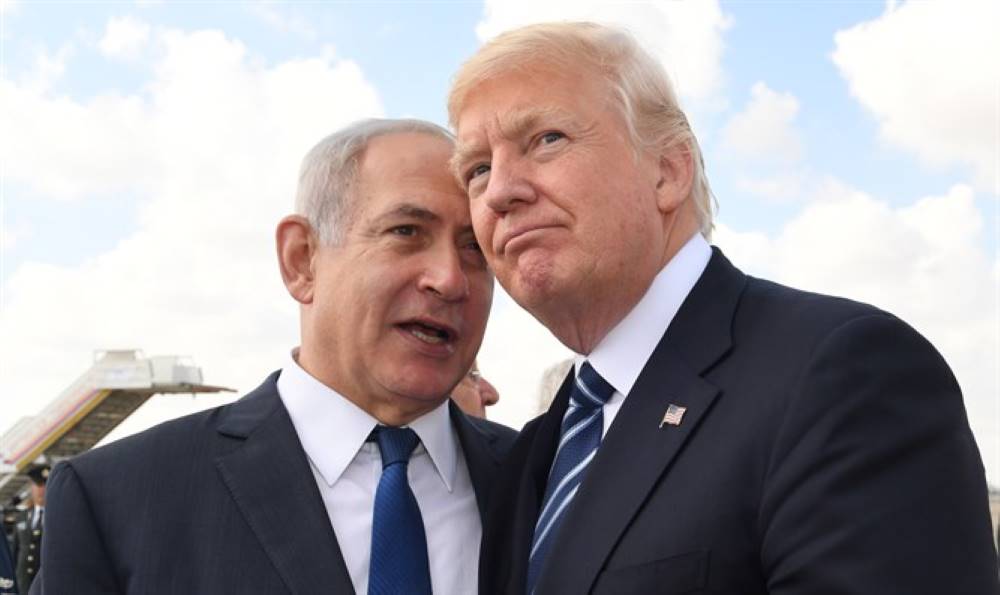
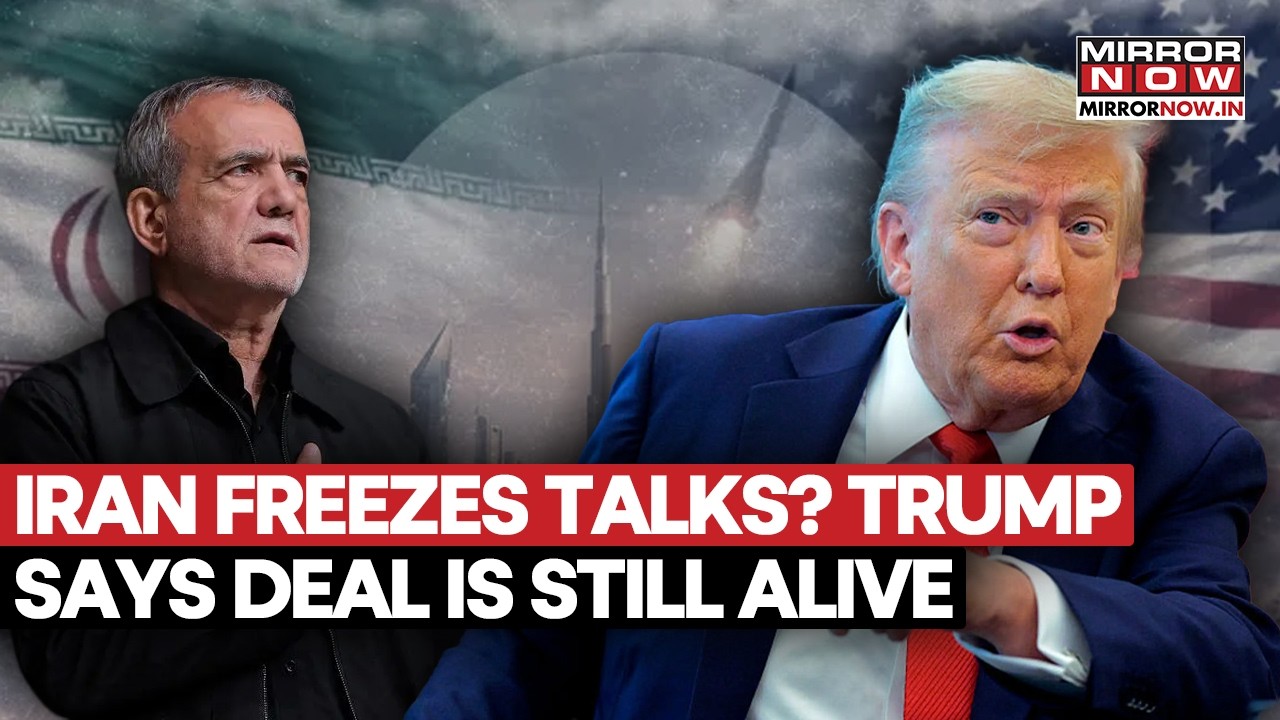
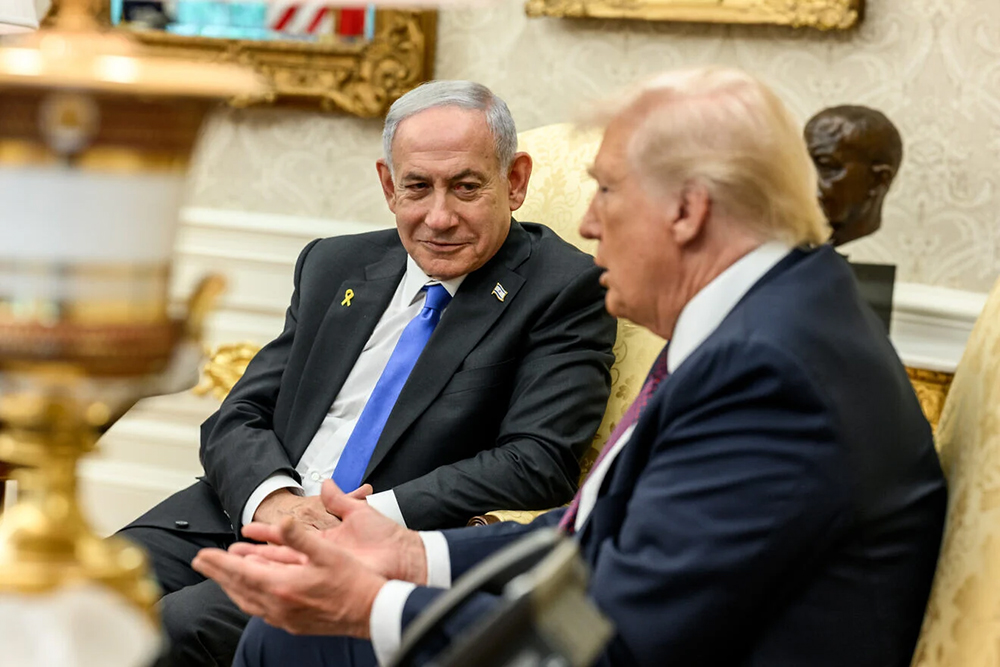
In a striking display of rhetorical contrast that underscores the complexity of contemporary Middle Eastern diplomacy, President Donald Trump issued a fervent public endorsement of Israel on Saturday, only a day after remarks that appeared to constrain its military operations in Lebanon. As reported by Israel National News, the President’s latest statements reflect both admiration for Israel’s strategic resilience and an assertive American effort to shape the contours of an increasingly volatile regional conflict.
Taking to his Truth Social platform on Saturday, Trump extolled Israel in emphatic terms, characterizing the Jewish state as an indispensable partner whose reliability has been proven under the most trying conditions. “Whether people like Israel or not, they have proven to be a GREAT ally of the United States,” the President declared, according to Israel National News. He went further, praising Israel’s fortitude and tactical acumen, describing it as “courageous, bold, loyal, and smart,” and asserting that, unlike other actors in moments of crisis, Israel “fights hard and knows how to win.”
Such language, infused with both admiration and strategic recognition, highlights the enduring centrality of the US-Israel alliance within Washington’s foreign policy architecture. For decades, Israel has been regarded by successive administrations as a cornerstone of American influence in the Middle East—a democratic partner possessing advanced military capabilities and a shared commitment to security cooperation. Trump’s remarks, as noted by Israel National News, reaffirm that foundational perspective even as geopolitical realities continue to evolve at a rapid pace.
Yet the President’s effusive praise did not emerge in a vacuum. Rather, it followed closely on the heels of comments made the previous day that introduced an element of uncertainty into the bilateral relationship. On Friday, Trump suggested that the United States had effectively curtailed Israeli military operations in Lebanon, declaring that Israel would no longer conduct bombing campaigns there. “Israel will not be bombing Lebanon any longer. They are prohibited from doing so by the USA. Enough is enough,” he wrote, in a statement that quickly reverberated across diplomatic and military circles.
The apparent abruptness of this declaration, coupled with its unilateral tone, reportedly caught Israeli leadership off guard. According to the Israel National News report, subsequent reporting indicated that Prime Minister Benjamin Netanyahu and his senior aides first learned of the President’s remarks through media coverage, prompting immediate efforts to ascertain whether a substantive shift in American policy had occurred. The episode illustrates the often delicate interplay between public messaging and behind-the-scenes diplomacy, particularly in moments of heightened tension.
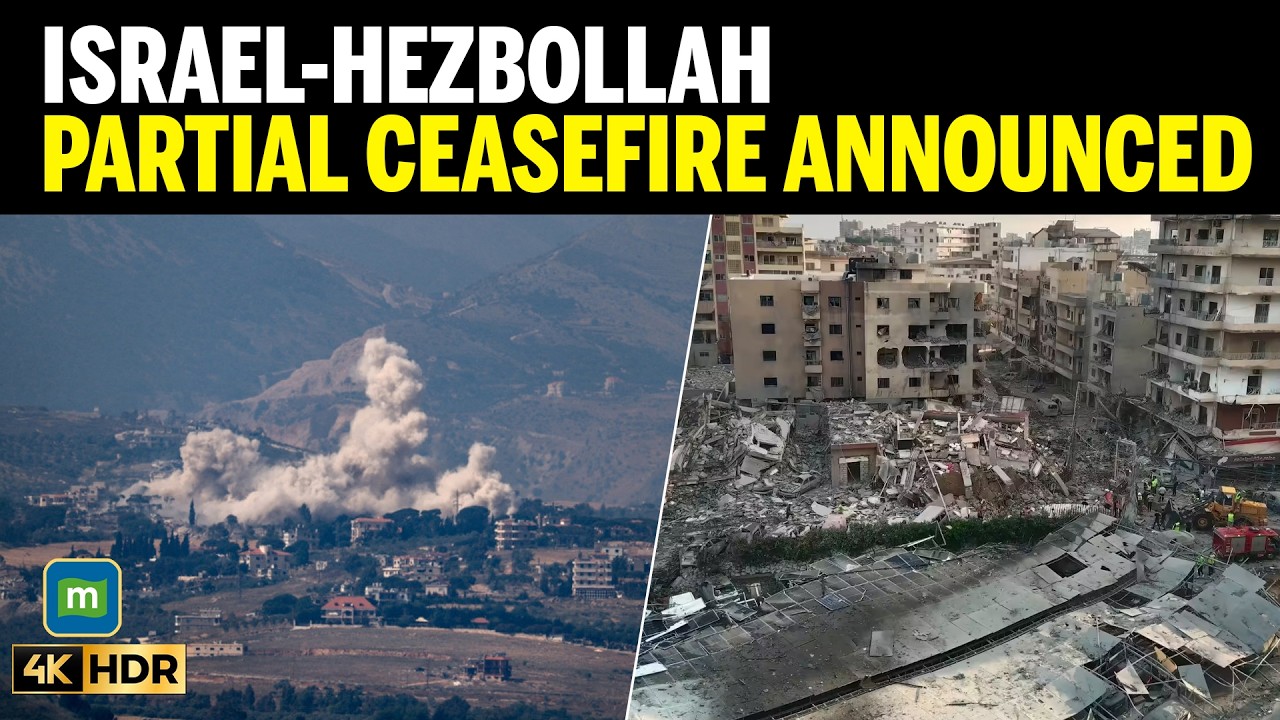
In response to inquiries, a US official later sought to clarify the administration’s position, emphasizing that the ceasefire framework governing the Israel-Lebanon theater remains nuanced rather than absolute. As cited by Israel National News, the official explained that while the agreement restricts offensive operations against Lebanese targets, it unequivocally preserves Israel’s right to act in self-defense against imminent or ongoing threats. This distinction is critical, as it underscores the dual objectives of de-escalation and deterrence that define current US strategy.
The broader context of these developments is a region gripped by instability, where the specter of wider conflict looms large. The situation in Lebanon, long complicated by the presence of Hezbollah and its ties to Iran, represents a particularly volatile flashpoint. American policymakers have sought to prevent escalation into a full-scale confrontation that could draw in multiple actors and destabilize the region further. Trump’s intervention, therefore, can be understood as part of a concerted effort to impose limits on the conflict while maintaining strategic alignment with Israel.
Nevertheless, the juxtaposition of praise and constraint raises important questions about the nature of US influence and the expectations placed upon its allies. Trump’s commendation of Israel’s military prowess and loyalty is unmistakable, yet his willingness to publicly delineate boundaries for Israeli action suggests a more interventionist posture than might be inferred from his rhetoric alone. As the Israel National News report observed, this dynamic reflects a broader tension inherent in alliance relationships: the balance between support and oversight.
For Israel, the implications are multifaceted. On one hand, the President’s endorsement reinforces its standing as a trusted partner whose contributions to regional security are both recognized and valued. On the other, the episode highlights the degree to which Israeli operational decisions remain subject to the strategic calculus of its most powerful ally. Navigating this terrain requires a careful calibration of national interests, diplomatic sensitivities, and military imperatives.
From the American perspective, the stakes are equally significant. The United States has long sought to position itself as both a guarantor of Israel’s security and a mediator capable of de-escalating conflicts that threaten broader regional stability. Achieving these objectives simultaneously is no small task, particularly in an environment characterized by shifting alliances, ideological rivalries, and the persistent influence of non-state actors.
Trump’s recent statements, as detailed in the Israel National News report, encapsulate this duality. His praise underscores a recognition of Israel’s strategic value, while his earlier remarks signal a determination to prevent further escalation in Lebanon. Together, they form a narrative that is at once supportive and directive, reflecting the complexities of leadership in a moment of geopolitical flux.
The reaction within diplomatic circles has been predictably mixed. Some analysts view the President’s approach as a pragmatic effort to leverage American influence in the service of peace, arguing that clear boundaries can help avert unintended escalation. Others, however, express concern that public pronouncements of this nature risk undermining coordination with allies and creating ambiguity regarding policy intentions.
What remains clear is that the US-Israel relationship continues to occupy a central role in the unfolding drama of Middle Eastern politics. As Israel National News has consistently reported, developments in this partnership carry implications that extend far beyond bilateral ties, influencing the calculations of regional actors and shaping the trajectory of ongoing conflicts.
In the days ahead, attention will likely focus on how these dynamics evolve. Will the ceasefire framework hold, or will renewed hostilities test its limits? How will Israel interpret and implement the constraints articulated by Washington? And to what extent will the United States continue to assert its influence in directing the course of events?
For now, Trump’s words stand as a testament to both the strength and the complexity of the alliance he so vigorously defends. They reflect a leader who views Israel as a formidable and reliable partner, yet who is equally determined to steer the region away from the precipice of wider war. As the Israel National News report highlighted, this balancing act—fraught with challenges and contradictions—will remain a defining feature of American foreign policy in the Middle East for the foreseeable future.
In an era where alliances are tested and recalibrated with increasing frequency, the interplay between praise and pressure may well prove to be the defining characteristic of US engagement with Israel. Whether this approach ultimately fosters stability or invites further uncertainty will depend not only on the decisions of leaders in Washington and Jerusalem, but also on the unpredictable forces that continue to shape the reg