












|
Getting your Trinity Audio player ready...
|
By: Max Schleifer
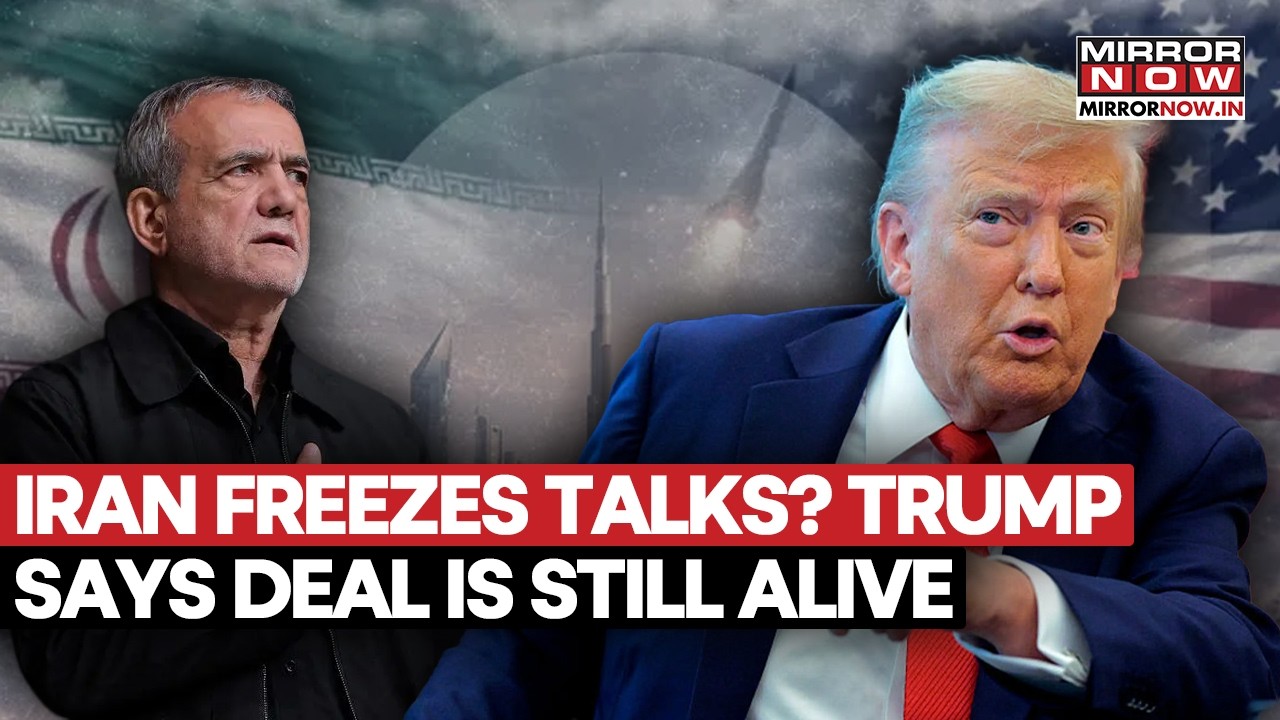
In a striking escalation of rhetoric and strategic posture, President Donald Trump has conveyed mounting frustration with the faltering diplomatic process aimed at resolving the ongoing conflict with Iran, raising the prospect that the United States may soon pivot away from negotiations and toward renewed military engagement. As reported on Monday by Israel National News, the President’s patience appears to be nearing exhaustion amid what administration officials describe as Tehran’s persistent refusal to offer substantive concessions.
According to multiple sources cited in the Israel National News report, the deterioration in diplomatic momentum follows a series of Iranian counterproposals that have been dismissed by Washington as inadequate and, in some cases, outright obstructive. The impasse has been compounded by the continued closure of the Strait of Hormuz, a strategic maritime corridor through which a significant portion of the world’s energy supply transits, and by a lack of tangible progress in negotiations over Iran’s nuclear program.
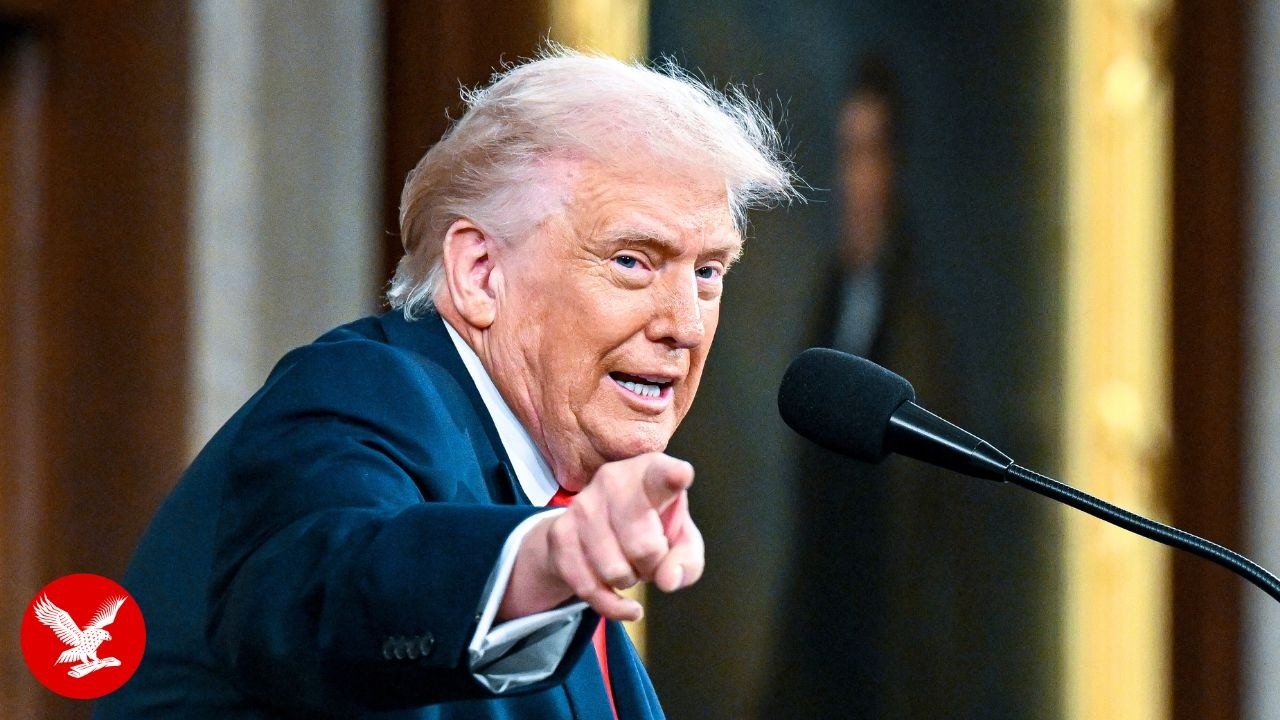
The President’s dissatisfaction has been expressed in unusually blunt terms. Speaking to reporters, Trump remarked, “They think I’ll get tired, or get bored, or I’ll have some pressure. There’s no pressure at all. We’re going to have a complete victory.” His comments, quoted in reports by Israel National News, underscore a growing conviction within the administration that Iran’s negotiating posture reflects not seriousness but strategic delay.
The diplomatic stalemate has unfolded against the backdrop of a tenuous ceasefire that has endured for more than one month. Despite this nominal pause in large-scale hostilities, the persistence of the maritime blockade and the absence of a comprehensive agreement have rendered the ceasefire increasingly fragile. Officials cited by Israel National News suggest that the President now views the arrangement as insufficient to secure American objectives, particularly in light of what he perceives as Tehran’s unwillingness to engage in meaningful compromise.
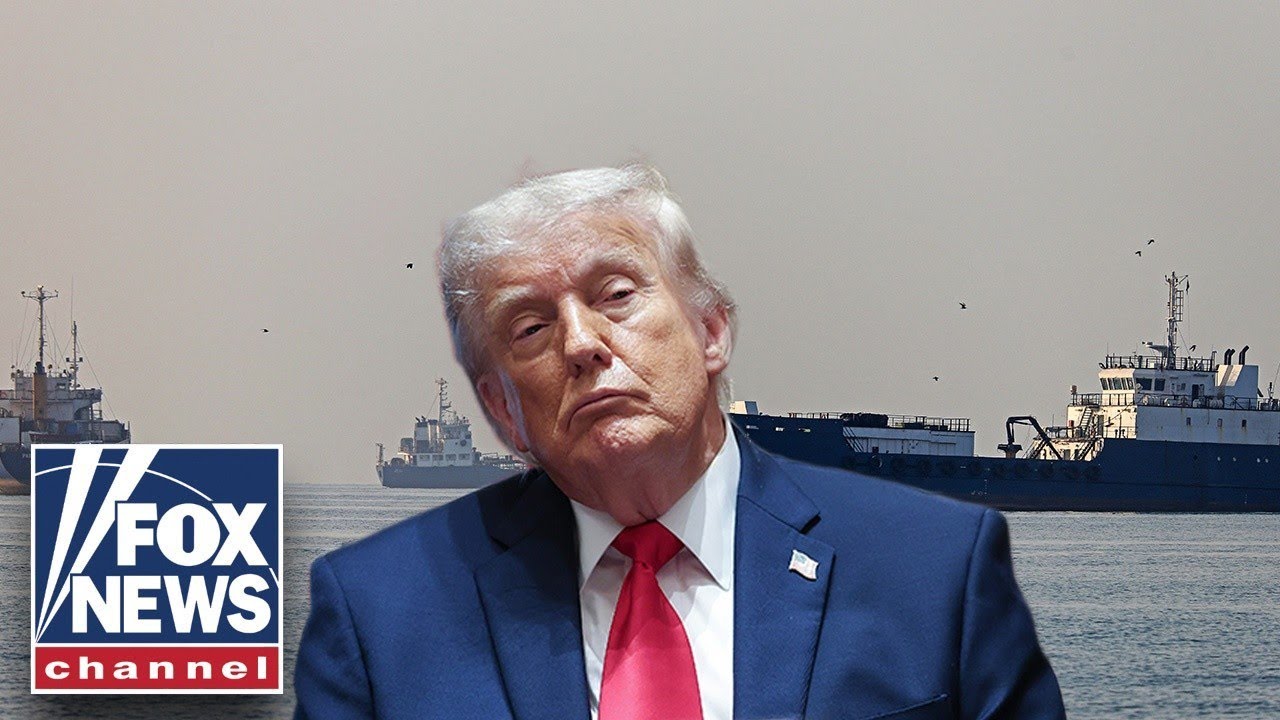
Central to Washington’s concerns is the continued inaccessibility of the Strait of Hormuz. The waterway, long recognized as a critical artery for global oil and gas shipments, remains effectively constrained, exacerbating volatility in international energy markets and heightening geopolitical tensions. As the Israel National News report emphasized, the inability to restore full maritime transit has become a primary driver of the administration’s impatience.
Within the White House, deliberations over the appropriate course of action have reportedly intensified. According to sources cited by Israel National News, senior advisers are divided into competing camps, each advocating a distinct strategic approach. One faction has urged a return to active military operations, specifically recommending the resumption of “Operation Epic Fury,” the prior U.S. air campaign targeting Iranian military infrastructure.
Proponents of this approach argue that a renewed series of precision strikes against the remaining 25% of strategic sites not yet targeted could compel Tehran to reassess its position and reengage in negotiations from a position of diminished leverage. These officials contend that the current stalemate is unsustainable and that decisive military pressure may be necessary to break the impasse.
Conversely, another group within the administration has counseled caution, advocating for the continuation of diplomatic efforts, albeit with recalibrated expectations. These advisers warn that an abrupt return to hostilities could carry significant risks, including regional escalation and unintended consequences for global stability. Nonetheless, as noted in the Israel National News report, even within this more cautious camp there is a growing recognition that the existing diplomatic framework may be insufficient to achieve a durable resolution.
Complicating the situation further are questions surrounding the efficacy of intermediary actors. Pakistani officials have played a prominent role in facilitating communications between Washington and Tehran, but their effectiveness has come under increasing scrutiny. Some members of the President’s inner circle have expressed concern that the messages conveyed through these channels may not accurately reflect the administration’s level of dissatisfaction.
According to sources cited by Israel National News, there is apprehension that Pakistani mediators may be presenting a “sanitized” interpretation of the President’s position, thereby diluting the intended pressure on Iranian negotiators. This perceived disconnect has contributed to skepticism regarding the viability of the current mediation framework and has fueled calls for a reassessment of diplomatic strategy.
Amid these internal deliberations, the President convened an intensive meeting with his national security team to evaluate potential contingencies. As detailed in the Israel National News report, the discussions encompassed a range of options, from the revival of “Project Freedom”—a naval initiative designed to escort commercial vessels through the Gulf—to more assertive measures, including special operations aimed at securing Iran’s enriched uranium stockpiles.
While no final decision has been announced, the breadth of scenarios under consideration underscores the gravity of the moment. Officials indicated that a definitive directive is unlikely to be issued until after the President’s scheduled departure for China, where he is expected to engage in high-level discussions on a range of global issues. Nevertheless, the trajectory of recent statements suggests that the possibility of renewed military action is being treated with increasing seriousness.
The President’s rhetoric toward Iran has grown notably more forceful in recent days. In remarks cited prominently in the Israel National News report, President Trump dismissed Tehran’s latest proposal in stark terms, stating, “Iran’s proposal is stupid. I didn’t even finish reading it. I had an amazing plan after Iran was defeated. They must understand that they will not have nuclear weapons. They are dangerous.”
He further characterized the ceasefire as precarious, declaring, “The ceasefire is very weak after the piece of garbage they sent us.” These statements, while reflecting a heightened level of frustration, also signal a potential shift in strategic calculus, as the administration appears increasingly inclined to consider alternatives to protracted negotiations.
Iranian officials, for their part, have responded with their own warnings and assertions of resolve. Mohammad Bagher Ghalibaf, Speaker of Iran’s Parliament, issued a series of statements emphasizing the readiness of Iran’s military to respond to any perceived aggression. “Mistaken strategy and mistaken decisions will always lead to mistaken results. The whole world has already figured this out,” he wrote in a social media post, as reported by Israel National News.
Ghalibaf’s remarks continued in a similarly assertive tone: “We are prepared for all options; they will be surprised.” In a subsequent statement, he insisted that the only viable path forward lies in the acceptance of Iran’s own framework for resolving the conflict. “There is no alternative but to accept the rights of the Iranian people as laid out in the 14-point proposal,” he stated. “Any other approach will be completely inconclusive; nothing but one failure after another.”
He also sought to highlight the potential costs of continued stalemate for the United States, asserting, “The longer they drag their feet, the more American taxpayers will pay for it.” These comments, as noted in the Israel National News report, reflect Tehran’s effort to frame the negotiations as a test of endurance, with both sides seeking to leverage time and economic pressure to their advantage.
The interplay of these competing narratives—Washington’s insistence on more robust concessions and Tehran’s demand for recognition of its proposals—has created a diplomatic environment marked by mutual distrust and limited progress. As the Israel National News report observed, the absence of a shared framework for negotiation has hindered efforts to bridge the gap between the two sides.
At the same time, the broader geopolitical context continues to exert significant influence on the trajectory of the conflict. The disruption of maritime traffic in the Gulf has implications far beyond the immediate region, affecting global energy markets and prompting concern among international stakeholders. The potential for escalation, whether through renewed military operations or unintended incidents, remains a persistent risk.
For the United States, the challenge lies in balancing the pursuit of strategic objectives with the management of these broader implications. The administration’s deliberations reflect an awareness of both the opportunities and the risks associated with a shift in approach. While the prospect of renewed military action may offer a means of exerting pressure, it also carries the potential for significant and unpredictable consequences.
As the situation continues to evolve, the statements and actions of both sides will be closely scrutinized by observers around the world. The coming days, particularly in the wake of the President’s international engagements, are likely to prove pivotal in determining whether the current impasse can be resolved through diplomacy or whether it will give way to a renewed phase of conflict.
For now, the trajectory of U.S.-Iran relations appears increasingly uncertain. The convergence of stalled negotiations, escalating rhetoric, and strategic recalibration within the White House suggests that a critical juncture has been reached—one that may ultimately shape the course of the conflict and its implications for regional and global stability.