













|
Getting your Trinity Audio player ready...
|
By: Tzirel Rosenblatt
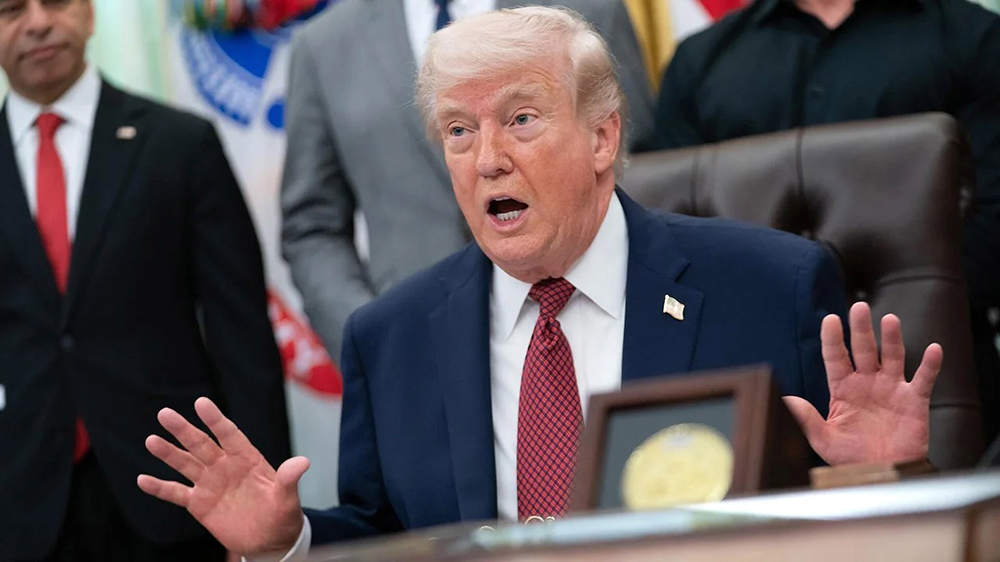
In a moment defined by tension, calculation, and cautious optimism, President Donald Trump has signaled his determination to proceed with high-stakes negotiations with Iran, even as conflicting messages from Tehran cast uncertainty over the diplomatic horizon. As reported on Monday by The New York Post, the President has expressed confidence that the anticipated talks in Islamabad will move forward, underscoring both the urgency of the moment and the fragile balance between confrontation and conciliation.
Speaking with The New York Post, Trump conveyed a sense of guarded assurance that the diplomatic process remains intact. “We’re supposed to have the talks,” he remarked, adding pointedly that he assumes “nobody’s playing games.” The statement, delivered in the President’s characteristic blend of directness and skepticism, encapsulates the precarious nature of the current engagement—one in which both sides appear to be probing the limits of leverage while attempting to preserve the possibility of resolution.
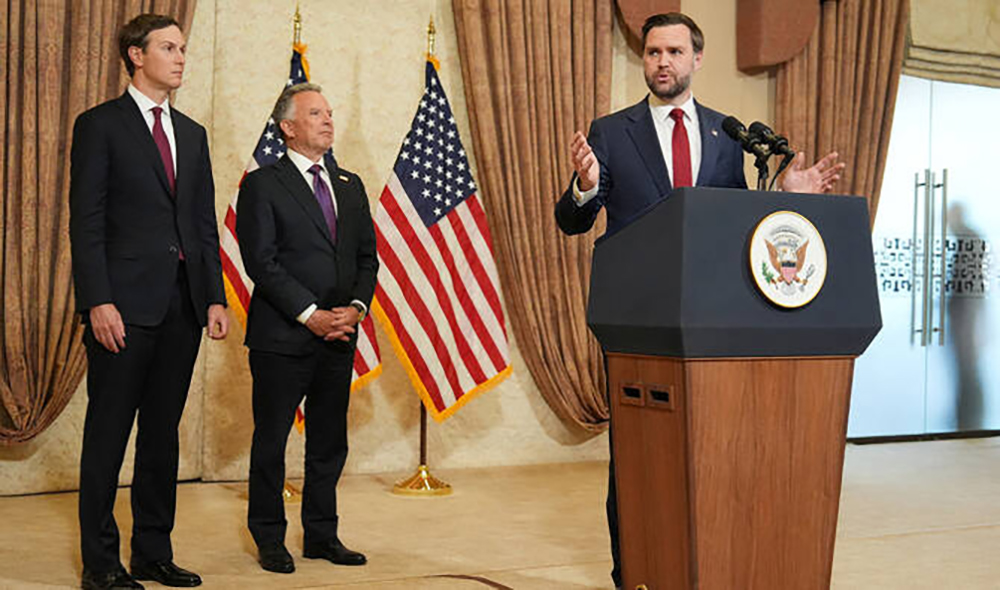
At the heart of this diplomatic initiative lies a rapidly approaching deadline. The cease-fire between the United States and Iran, already tenuous, is set to expire imminently, raising the specter of renewed hostilities should negotiations falter. In this context, the dispatch of senior American officials to Pakistan represents not merely a procedural step but a strategic imperative. Vice President JD Vance, special envoy Steve Witkoff, and senior adviser Jared Kushner have all departed for Islamabad, signaling the administration’s commitment to pursuing a negotiated outcome even as the window for diplomacy narrows.
The composition of the delegation is itself indicative of the administration’s approach. By entrusting the talks to figures with significant political and diplomatic experience, the White House appears intent on projecting both seriousness and competence. At the same time, Trump has made clear that he remains personally engaged in the process, expressing a willingness to meet directly with Iranian leaders should circumstances permit. “I have no problem meeting them,” he stated, a remark that suggests an openness to high-level engagement that could, under the right conditions, alter the trajectory of the conflict.
Yet this willingness to engage is accompanied by a firm articulation of American objectives. Chief among these is the unequivocal demand that Iran abandon any pursuit of nuclear weapons capability. As Trump reiterated in his comments to The New York Post, “there will be no nuclear weapon.” This position, long a cornerstone of United States policy, has taken on renewed urgency in the current context, where concerns about proliferation intersect with broader questions of regional stability and global security.
The President has also sought to frame compliance with this demand not as a concession but as an opportunity for Iran. By suggesting that the country could achieve prosperity if it adheres to the terms of a potential agreement, Trump has attempted to couple deterrence with incentive, presenting a vision of mutually beneficial outcomes. At the same time, his refusal to elaborate on the consequences of failure—beyond the ominous assertion that the outcome “wouldn’t be pretty”—serves as a reminder of the coercive dimension that underpins the diplomatic effort.
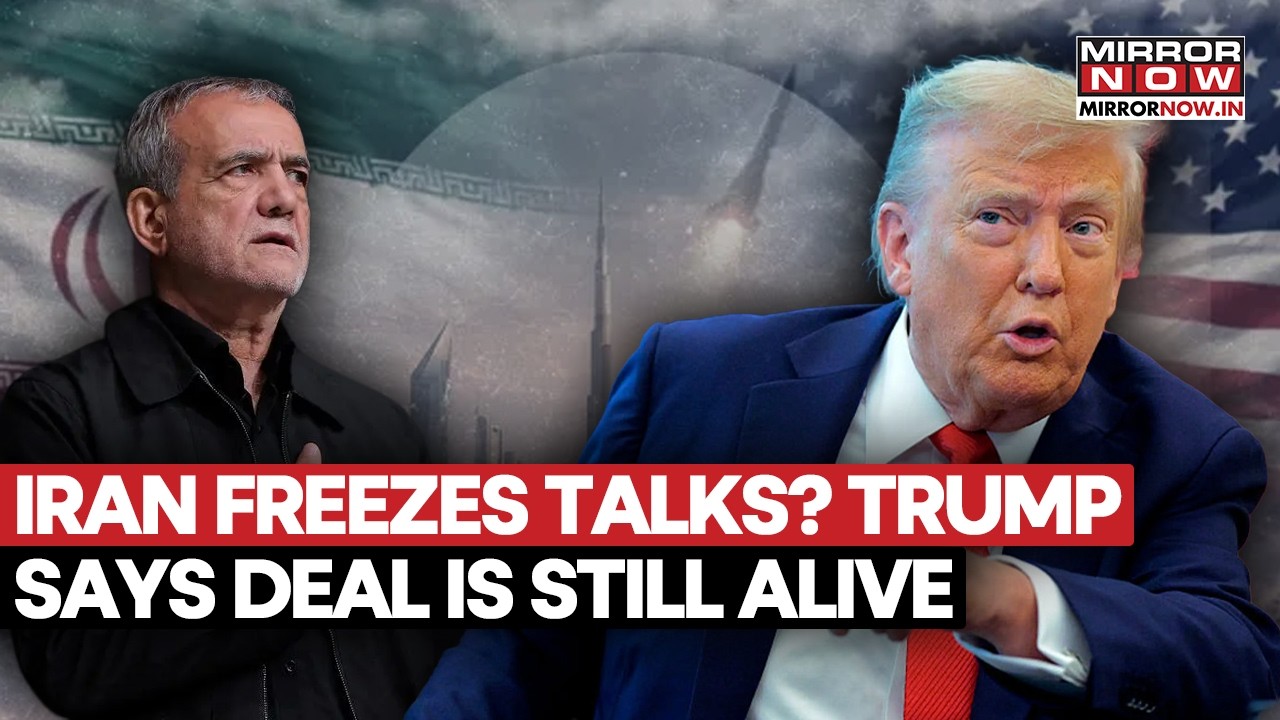
On the Iranian side, the situation is marked by a degree of ambiguity that has complicated the negotiation process. Public statements from Tehran have cast doubt on the country’s willingness to participate in a second round of talks, raising questions about the viability of the Islamabad meeting. However, as The New York Post reported, there are indications that these pronouncements may be less definitive than they appear.
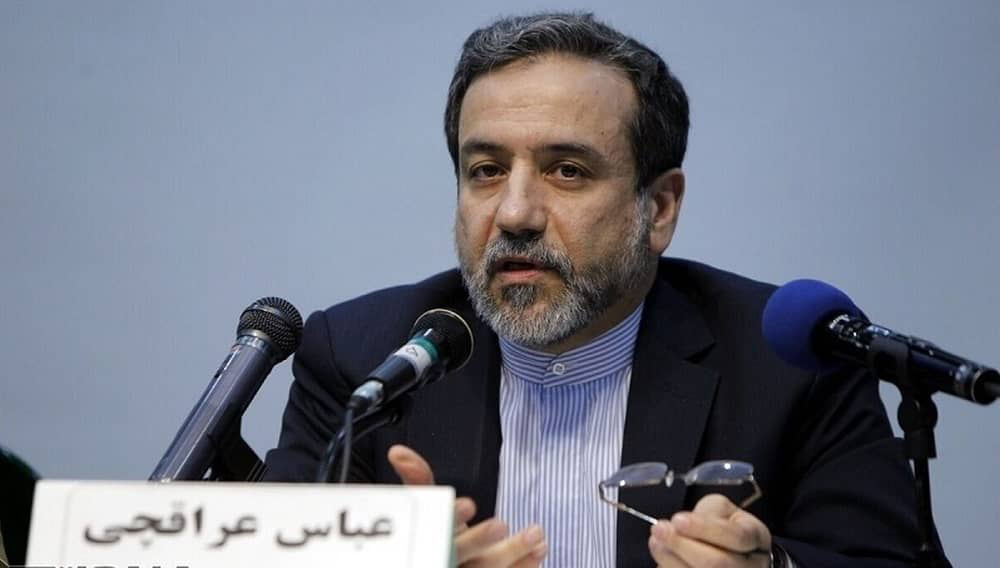
According to sources cited in the report, Iran’s outward reluctance may in fact constitute a calculated negotiating tactic, designed to extract more favorable terms by signaling resistance. Such strategies are not uncommon in high-stakes diplomacy, where the projection of resolve can serve as a means of enhancing bargaining power. A source familiar with discussions involving Iran’s Foreign Ministry suggested that the current posture is intended to maximize leverage ahead of a potential second round of negotiations.
This interpretation introduces an additional layer of complexity to an already intricate process. If Iran’s public stance is indeed a strategic maneuver, then the apparent divergence between rhetoric and intention must be carefully navigated by American negotiators. Misreading such signals could lead to miscalculation, while an accurate assessment could provide an opening for progress.
The role of Pakistan as the host and mediator further underscores the multifaceted nature of the diplomatic landscape. Islamabad has long been regarded by both Washington and Tehran as a credible intermediary, capable of facilitating dialogue in a context where direct communication is often fraught with difficulty. The decision to hold talks in Pakistan reflects not only logistical considerations but also a recognition of the country’s capacity to serve as a neutral ground for engagement.
At the same time, the involvement of Pakistan has not been without controversy. Reports suggesting that the country’s military leadership had urged the United States to ease its naval blockade of Iran have been firmly denied by Pakistani officials, who, according to the report in The New York Post, have characterized such claims as inaccurate. This episode highlights the challenges inherent in managing information flows during periods of heightened tension, where competing narratives can obscure the underlying realities of diplomatic interaction.
The broader context in which these negotiations are unfolding is one of sustained volatility. The conflict between the United States and Iran, while currently constrained by a cease-fire, remains unresolved at a fundamental level. Issues such as nuclear enrichment, regional influence, and maritime security continue to divide the two sides, creating a landscape in which progress is both essential and elusive.
In this environment, the stakes of the Islamabad talks are exceptionally high. A successful negotiation could pave the way for a more stable and predictable relationship, reducing the risk of escalation and opening avenues for cooperation. Conversely, a failure to reach agreement could precipitate a return to hostilities, with consequences that would extend far beyond the immediate region.
President Trump’s approach to this moment reflects a dual strategy of engagement and pressure. By advancing the prospect of talks while maintaining a posture of readiness for more severe measures, the administration seeks to compel Iran to negotiate from a position of perceived disadvantage. Whether this approach will yield the desired outcome remains an open question, one that will be answered in the coming days as the contours of the diplomatic effort become clearer.
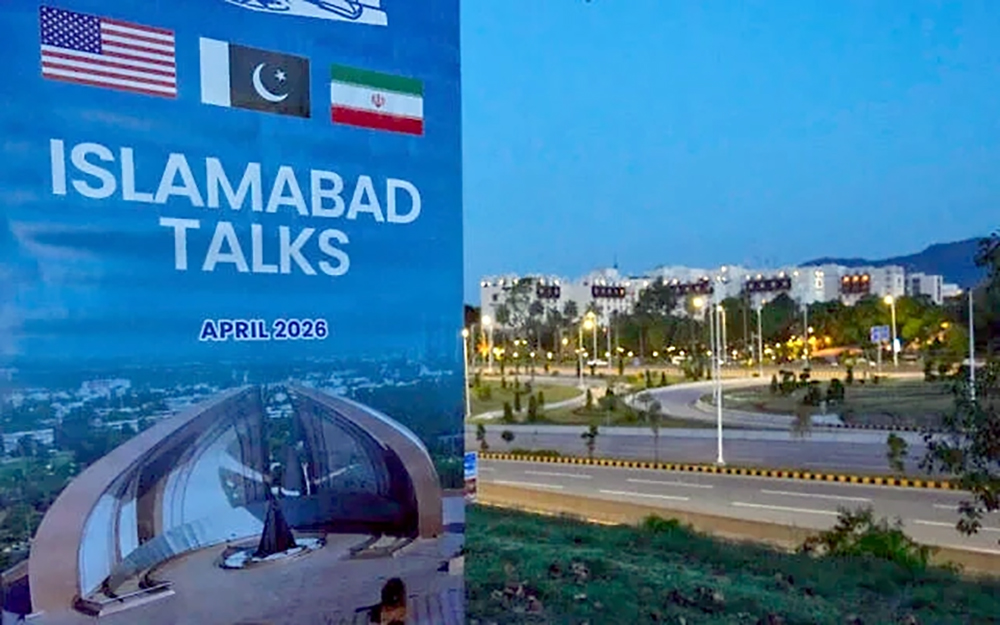
What is evident, however, is that the current juncture represents a critical inflection point. The decisions made in Islamabad—by both American and Iranian representatives—will have a profound impact on the trajectory of the conflict and the broader dynamics of international relations. As reported by The New York Post, the process is moving forward despite uncertainty, driven by a combination of necessity, ambition, and the enduring hope that diplomacy can prevail even in the most challenging circumstances.
In the final analysis, the unfolding negotiations embody the perennial tension between war and peace, between confrontation and compromise. They serve as a reminder that even in moments of profound discord, the possibility of dialogue endures—and that the pursuit of that dialogue, however fraught, remains an indispensable component of the international order.
Trump Says Deal Would Eclipse the JCPOA
Also on Monday, President Trump declared that a prospective agreement with Iran—currently under discussion amid fragile diplomatic conditions—would eclipse the 2015 nuclear accord in both strength and strategic clarity. As reported by The New York Post, the President has framed the emerging framework not merely as an incremental improvement, but as a fundamental recalibration of international efforts to contain Iran’s nuclear ambitions and stabilize a volatile region.
In a forceful statement disseminated via social media, Trump sharply criticized the Joint Comprehensive Plan of Action, the multilateral agreement negotiated during the Obama administration, describing it as among the most flawed diplomatic undertakings in modern history. He asserted that the earlier accord, rather than curbing Iran’s nuclear trajectory, effectively created a pathway toward eventual weaponization. By contrast, he insisted that the deal now under consideration “will not, and cannot” permit Iran to develop nuclear weapons, positioning it as a definitive corrective to what he views as past strategic misjudgments.
This rhetorical contrast between the former agreement and the proposed framework serves as the conceptual backbone of Trump’s diplomatic posture. His critique of the JCPOA extends beyond its technical provisions to encompass its financial dimensions. Referencing the transfer of substantial funds to Iran under the prior arrangement, he argued that such measures not only failed to secure lasting compliance but also empowered the very regime whose ambitions they were intended to restrain. In this narrative, the new deal is cast as both a policy reversal and a moral imperative—an effort to ensure that financial concessions are no longer decoupled from enforceable guarantees.
The President’s assertions, as noted in The New York Post report, are accompanied by a broader vision of global security. He has suggested that a successful agreement would extend its benefits far beyond the immediate context of United States-Iran relations, contributing to stability across the Middle East, safeguarding European interests, and reinforcing the security architecture of the United States itself. This expansive framing underscores the administration’s view of the negotiations as a pivotal moment with far-reaching implications.
This confidence is reflected in the administration’s concrete actions. A delegation of senior officials—comprising Vice President JD Vance, special envoy Steve Witkoff, and adviser Jared Kushner—has already departed for Islamabad to prepare for the negotiations. Their presence signals both the seriousness with which the United States approaches the talks and the compressed timeline within which they must operate, given the impending expiration of the current cease-fire.
Trump himself has indicated a willingness to engage directly with Iranian leadership should the negotiations reach a critical juncture. “I have no problem meeting them,” he remarked, suggesting that personal diplomacy could play a role in bridging remaining divides. Such openness to direct engagement is consistent with his broader approach to international negotiations, which has often emphasized leader-to-leader interaction as a means of achieving breakthroughs.
At the core of the American position is a non-negotiable demand: Iran must relinquish any effort to develop nuclear weapons. This principle, reiterated repeatedly by the President, serves as the foundation upon which all other elements of the agreement are constructed. At the same time, Trump has sought to balance this demand with an offer of economic and political normalization, asserting that Iran could achieve prosperity if it complies with the stipulated conditions.
The contours of the proposed agreement, while not yet finalized, have begun to emerge through various reports. According to information referenced in coverage by The New York Post, discussions have focused on several key provisions that could form the basis of a comprehensive settlement. These include a prolonged halt to uranium enrichment, potentially extending for fifteen years, as well as the conversion of existing nuclear material into forms unsuitable for weaponization. Additionally, the framework reportedly envisions rigorous oversight mechanisms designed to ensure compliance, thereby addressing one of the principal criticisms of the earlier accord.
Beyond the nuclear dimension, the proposed arrangement encompasses a range of measures aimed at de-escalating broader tensions. Among these are provisions for reopening the Strait of Hormuz, a critical maritime corridor whose disruption has had significant economic repercussions, as well as the cessation of hostilities and the gradual withdrawal of United States forces from the region. The lifting of economic sanctions, contingent upon Iranian compliance, is also envisioned as a central component of the agreement, offering a pathway toward reintegration into the global economy.
These elements, taken together, suggest an ambitious attempt to address both the immediate and underlying causes of the conflict. However, their implementation would require a level of mutual trust and verification that has historically proven difficult to achieve in United States-Iran relations. The challenge for negotiators will be to translate broad principles into detailed, enforceable commitments that can withstand the pressures of political change and regional volatility.
Complicating this effort is the strategic calculus of the Iranian leadership, which must balance domestic considerations with external pressures. Reports cited by The New York Post indicate that Iran’s public reluctance to engage in further talks may be a negotiating tactic aimed at securing more favorable terms. Such maneuvers are characteristic of high-stakes diplomacy, where signaling resistance can enhance bargaining leverage. However, they also introduce an element of unpredictability that can hinder progress.
Pakistan’s role as host and intermediary adds another layer of complexity. Widely regarded by both parties as a credible mediator, Islamabad provides a neutral venue for discussions that might otherwise be difficult to convene. At the same time, the involvement of a third party necessitates careful coordination to ensure that the interests and perspectives of all stakeholders are adequately represented.
As the cease-fire deadline approaches, the urgency of these negotiations becomes increasingly apparent. The potential consequences of failure are significant, ranging from renewed military confrontation to further destabilization of an already fragile region. Trump’s warning that the outcome “wouldn’t be pretty” if talks collapse underscores the high stakes involved, even as he refrains from specifying the precise nature of possible responses.
In this context, the President’s confident assertions about the superiority of the proposed deal serve both as a statement of intent and as a strategic signal. By emphasizing the transformative potential of the agreement, he seeks to shape expectations and to frame the negotiations as an opportunity rather than a concession. Whether this framing will resonate with Iranian negotiators, and whether it will translate into concrete progress, remains to be seen.



