






















|
Getting your Trinity Audio player ready...
|
(TJV NEWS) The fragile ceasefire between the United States and Iran appears increasingly close to collapse, as new reports indicate the Trump administration is actively considering a renewed military campaign—reportedly under the name “Operation Sledgehammer”—amid mounting fears that Tehran has rapidly rebuilt portions of its military capabilities.
According to NBC News reporting cited by multiple outlets, senior U.S. officials have been discussing contingency plans for restarting large-scale combat operations against Iran if ongoing diplomatic efforts fail and hostilities resume. NBC News reportedly said internal Pentagon discussions have centered on replacing the previous military campaign name, “Operation Epic Fury,” with the far more aggressive-sounding “Operation Sledgehammer.”
The discussions underscore growing concern inside Washington that the current ceasefire may only be temporary as Iran continues strengthening its regional military posture and resisting American demands tied to nuclear restrictions, missile programs, and control over the Strait of Hormuz.
Ceasefire Showing Signs of Collapse
The ceasefire, brokered earlier this year following weeks of intense warfare between the United States, Israel, and Iran, has remained under increasing strain in recent days.
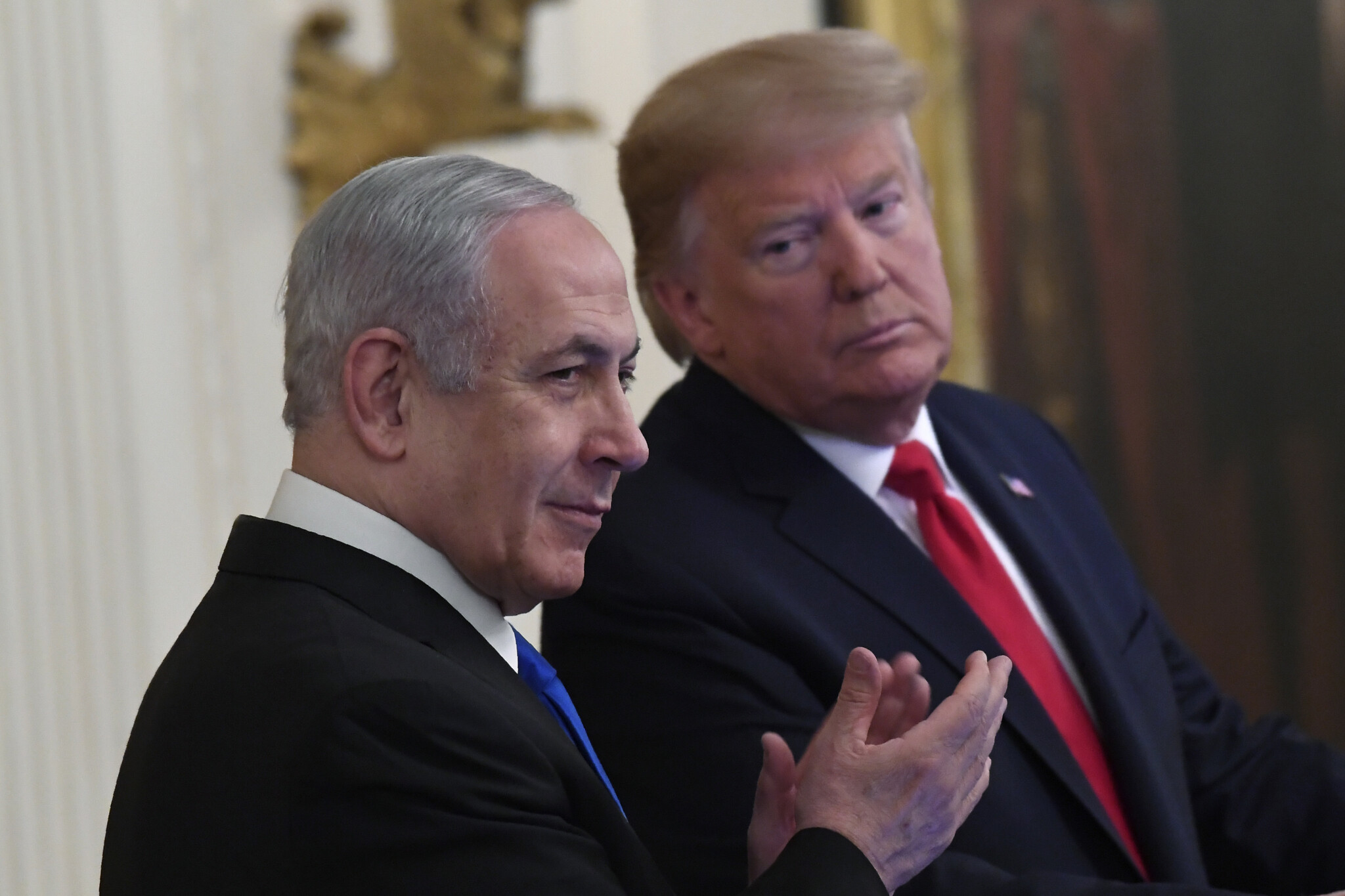
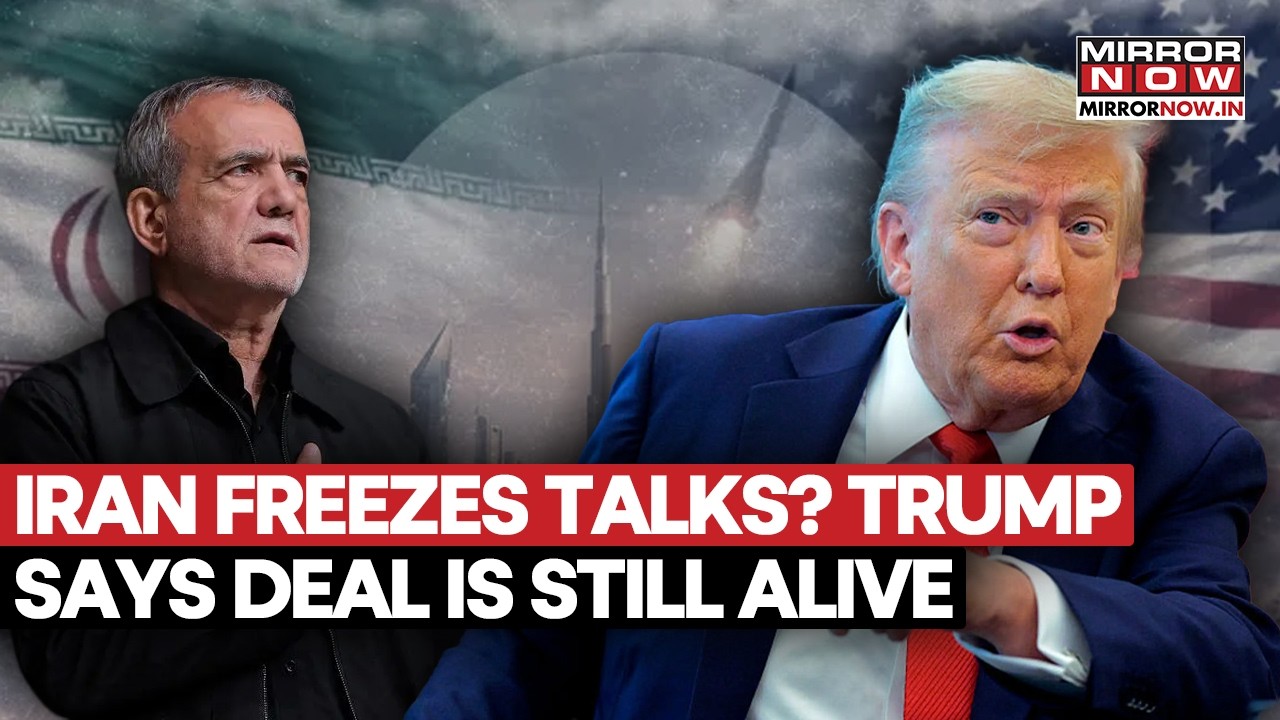
NBC News reports cited by international media indicate that President Donald Trump has become increasingly frustrated with Tehran’s latest response to American peace proposals. Trump reportedly described Iran’s recent counteroffer as “totally unacceptable” while warning that military options remain on the table.
Reuters separately reported that Trump recently declared the ceasefire to be “on life support,” further fueling speculation that preparations for renewed conflict may already be underway.
Iran Rebuilding Military Capabilities
At the center of the growing tension are intelligence concerns that Iran has used the ceasefire period to regroup militarily.
According to NBC News reporting referenced by Anadolu Agency and other outlets, U.S. officials believe Tehran has continued rebuilding missile infrastructure, reorganizing proxy forces, and reinforcing strategic military assets damaged during earlier American and Israeli strikes.
Analysts warn that despite earlier claims by U.S. officials that Iran’s military capabilities had been severely degraded, Tehran appears to retain significant operational capacity, particularly involving ballistic missiles, drones, naval assets, and asymmetric warfare tactics.
Questions also reportedly remain surrounding Iran’s stockpile of enriched uranium and the status of underground nuclear facilities damaged during the conflict.
Strait of Hormuz Remains Central Flashpoint
One of the most dangerous unresolved issues remains the Strait of Hormuz, the critical global shipping corridor through which a major percentage of the world’s oil and liquefied natural gas supplies pass.
The ceasefire originally included discussions surrounding reopening and stabilizing maritime traffic through the waterway. However, tensions involving naval blockades, shipping restrictions, and regional military deployments have persisted throughout negotiations.
NBC News previously reported that repeated clashes involving Iranian naval forces and U.S.-allied vessels significantly contributed to the original escalation of the war earlier this year.
Any renewed fighting in the Strait of Hormuz could send global energy markets into immediate turmoil, with oil prices already showing heightened volatility amid fears of another regional explosion.
Pentagon Preparing for Possible Escalation
The reported consideration of “Operation Sledgehammer” reflects how seriously the Pentagon appears to be treating the possibility of renewed war.
According to NBC News reporting cited by Anadolu Agency, military planners are examining how quickly combat operations could resume if diplomacy collapses entirely.
The proposed operational name itself has attracted attention because of its implication of overwhelming force and rapid escalation.
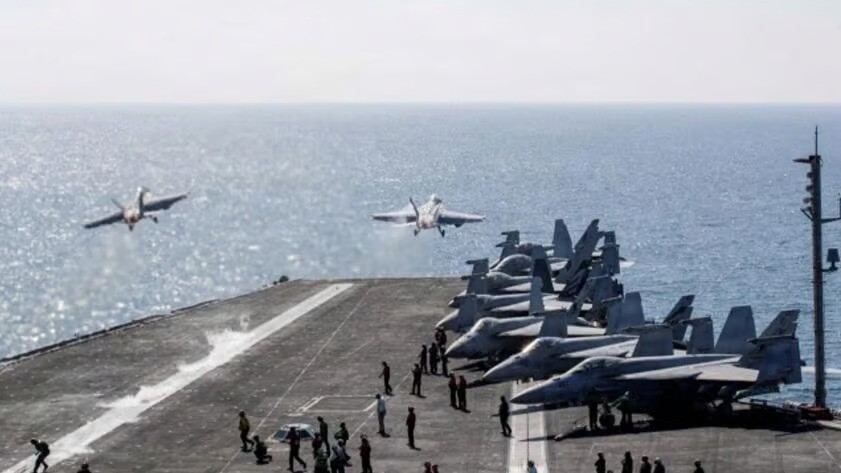
Military analysts say any renewed campaign would likely involve coordinated airstrikes, naval operations, cyberwarfare, attacks on Iranian missile infrastructure, and expanded pressure against Iranian proxy groups across the Middle East.
Regional Tensions Continuing to Escalate
Even during the ceasefire, violence across the broader region has never fully stopped.
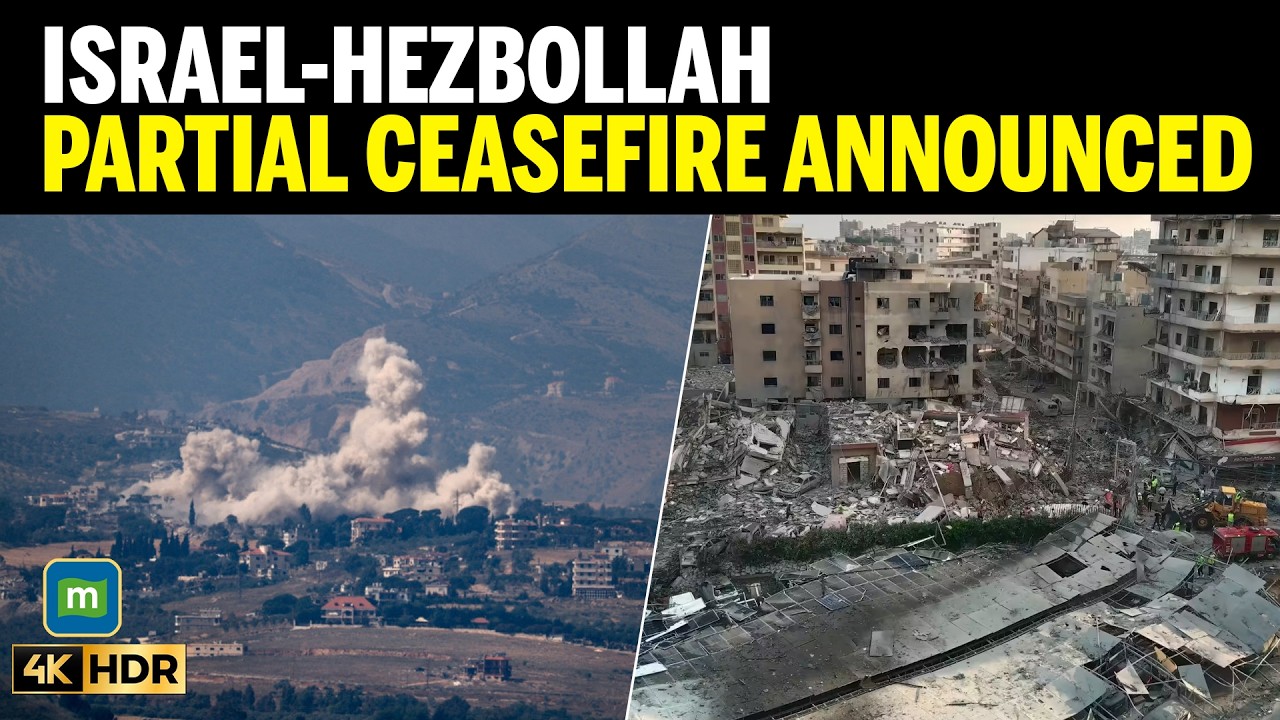
Iran-backed groups including Hezbollah and the Houthis have continued threatening Israel and Western interests, while Israeli operations inside Lebanon and Syria have repeatedly risked reigniting direct confrontation.
The continued instability has led some U.S. officials to privately question whether the ceasefire was ever sustainable in the first place.
Global Markets Watching Nervously
Financial markets and energy traders are closely monitoring developments as fears grow that another major Middle East conflict could trigger severe disruptions to global oil supplies, shipping lanes, and international trade.
Oil prices have already surged amid speculation surrounding renewed fighting, with analysts warning that any collapse of the ceasefire could create immediate economic shockwaves worldwide.
A Region Once Again Near the Edge
For now, diplomacy continues behind the scenes. But the increasingly public discussion surrounding “Operation Sledgehammer” is signaling that Washington may already be preparing for the possibility that negotiations fail entirely.
NBC News reports suggest the administration views the current situation as highly unstable, with officials increasingly doubtful that Iran will accept core American demands without renewed pressure.
As tensions continue building, the Middle East once again appears dangerously close to another major military escalation—one that could reshape global energy markets, regional alliances, and the balance of power across the region.