

























|
Getting your Trinity Audio player ready...
|
By: Ariella Haviv
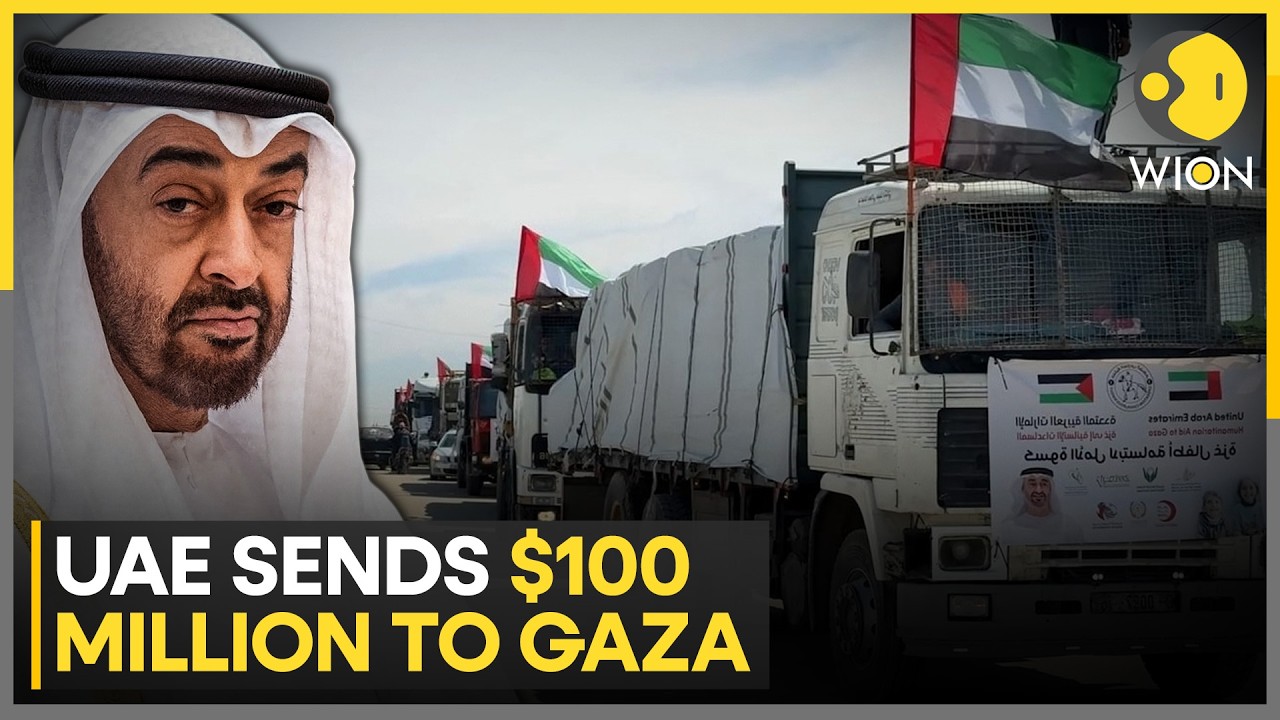
In a significant and potentially transformative development for post-war Gaza governance, the United Arab Emirates has pledged $100 million toward the establishment and training of a new Palestinian security force, an initiative designed to reshape the security architecture of the enclave and prevent the reemergence of militant control. The move, reported on Friday by World Israel News and corroborated by regional diplomatic sources, underscores the growing international effort to stabilize Gaza following the devastating conflict that concluded in October 2025.
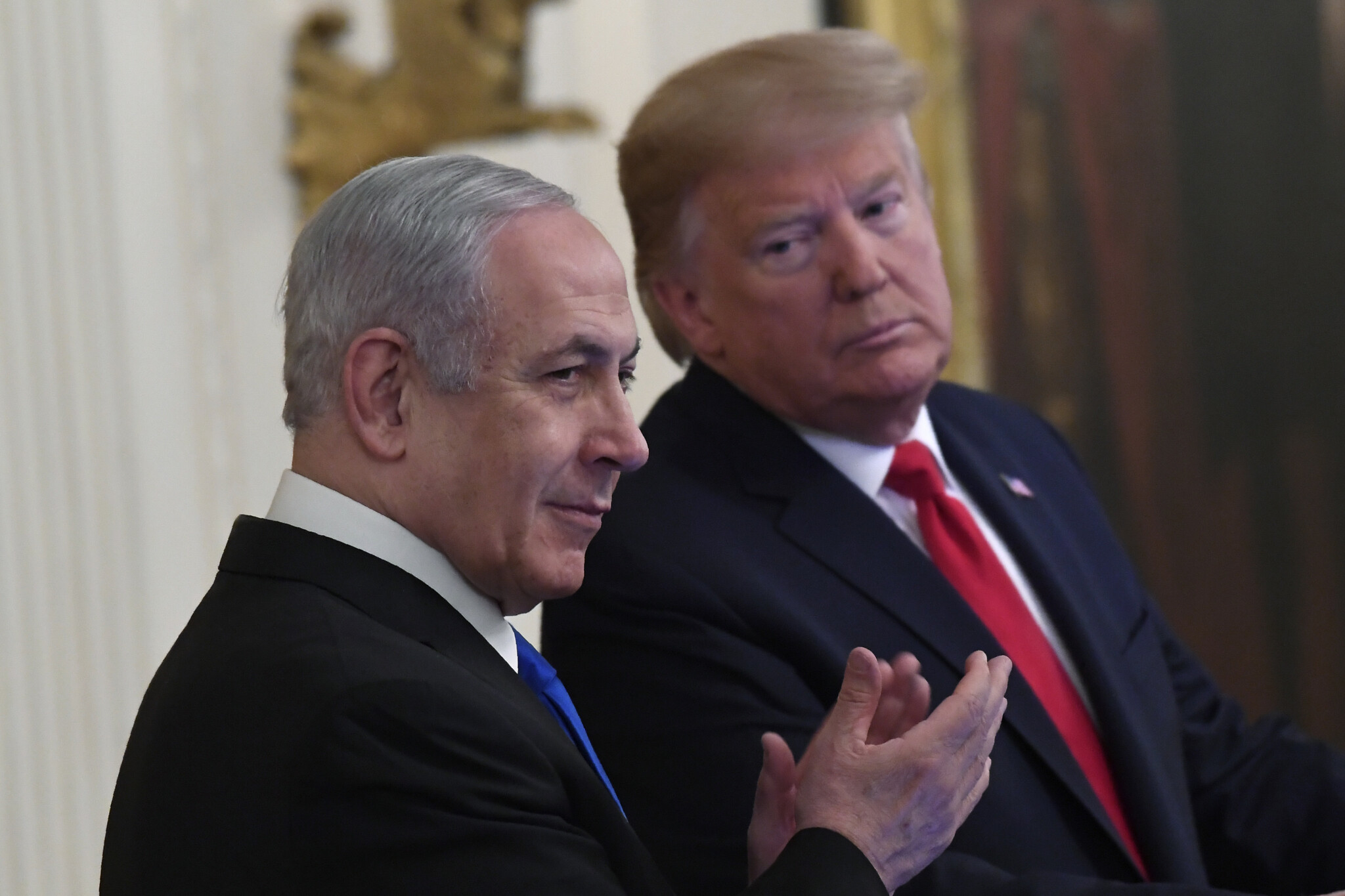
According to officials cited by World Israel News, the Emirati contribution represents the largest single financial commitment to the Board of Peace initiative, a multinational framework tasked with coordinating reconstruction, governance, and security reform in the war-torn territory. This pledge comes in the wake of a broader $17 billion package announced during a high-profile conference convened under the auspices of President Donald Trump earlier this year.
At the core of the Board of Peace initiative lies an ambitious and highly sensitive objective: the creation of a new Palestinian police force capable of maintaining order in Gaza while excluding both Hamas and Israeli military presence from direct control over the territory’s internal security.
World Israel News reported that this proposed force will operate under the authority of the National Committee for the Administration of Gaza, a technocratic body composed of Palestinian professionals rather than political figures. The intention, according to planners, is to establish a governance structure insulated from factional rivalries and ideological agendas.
The envisioned security force is expected to number approximately 27,000 officers, a scale that reflects both the magnitude of Gaza’s security challenges and the determination of international stakeholders to create a durable alternative to existing power structures.
Training for these recruits is slated to take place in Egypt and Jordan, a decision that reflects both logistical considerations and the desire to involve regional partners in the stabilization process.
The recruitment phase of the initiative has already begun, with early indications suggesting significant interest among Palestinians. According to the information provided in the World Israel News report, several thousand applications were submitted shortly after the process opened, signaling a willingness among segments of the population to participate in the new security framework.
Nickolay Mladenov, the Board of Peace’s envoy for Gaza, confirmed the level of engagement. “Several thousand Palestinians submitted applications shortly after recruitment opened,” he said.
However, the composition of the force remains a matter of considerable sensitivity. In a notable and potentially controversial decision, applicants who previously served as civil servants under Hamas have been permitted to apply. This approach reflects a pragmatic recognition of the limited administrative and security expertise available within Gaza.
At the same time, stringent vetting procedures are being implemented to mitigate security risks. All applicants will be subject to screening by Israel’s internal security agency, the Shin Bet, before receiving final approval.
This dual-track approach—balancing inclusivity with rigorous oversight—highlights the complexity of building a credible and effective security force in a deeply divided environment.
Despite the progress in recruitment and funding, the success of the initiative hinges on a single, formidable condition: the disarmament of Hamas.
The World Israel News report emphasized that the removal of Hamas’s military capabilities remains the primary obstacle in negotiations over the second phase of the 20-Point plan governing Gaza’s post-war future.
Under the proposed framework, the new Palestinian police force would be tasked with confiscating weapons held by Hamas, a responsibility that carries both operational and political risks. The feasibility of such an undertaking remains uncertain, particularly given Hamas’s entrenched presence within the territory.
The National Committee for the Administration of Gaza has not yet entered the enclave and is currently engaged in efforts to persuade Hamas to surrender its arsenal as part of the ceasefire agreement that brought an end to hostilities.
The fragility of the current arrangement was underscored earlier this week, when the Board of Peace indicated that Israel would not be bound by the terms of the October 2025 ceasefire if Hamas refuses to disarm.
According to a document obtained by World Israel News, continued resistance by Hamas would render the truce void, effectively reopening the door to renewed military operations by the Israel Defense Forces.
This development introduces a heightened sense of urgency into ongoing negotiations. The prospect of renewed conflict looms large, particularly in light of reports suggesting that Hamas has reestablished control over approximately half of Gaza.
The World Israel News report noted that Israeli military planners are actively preparing contingency operations aimed at dismantling Hamas’s remaining capabilities should diplomatic efforts fail.
The UAE’s $100 million pledge is not merely a financial contribution; it is a strategic signal of regional commitment to the stabilization of Gaza. By investing in the creation of a new security force, Abu Dhabi is positioning itself as a key player in shaping the territory’s post-war trajectory.
The involvement of Arab states such as Egypt and Jordan in training efforts further reinforces the regional dimension of the initiative. This collaborative approach reflects a shared interest in preventing Gaza from becoming a persistent source of instability.
At the same time, the initiative carries broader geopolitical implications. The exclusion of both Hamas and Israeli forces from direct security control represents a delicate balancing act, one that seeks to reconcile competing demands for sovereignty, security, and legitimacy.
The Board of Peace, which serves as the coordinating body for these efforts, has emerged as a central actor in the post-conflict landscape. Its mandate encompasses not only security reform but also economic reconstruction and governance.
World Israel News reported that the Board’s envoy, Nickolay Mladenov, has been actively engaged in advancing the Gaza initiative, working to align the interests of international donors, regional partners, and local stakeholders.
The success of the Board of Peace will depend on its ability to navigate a complex web of political, security, and logistical challenges. The creation of a 27,000-strong police force is an ambitious undertaking, one that requires sustained commitment and coordination.
As the situation continues to evolve, the interplay between funding, recruitment, and disarmament will determine the viability of the proposed security framework. The UAE’s substantial financial commitment provides a critical foundation, but it does not resolve the underlying tensions that threaten to derail the process.
The World Israel News report emphasized that the coming weeks will be decisive. The response of Hamas to disarmament proposals, the progress of recruitment and training, and the stance of Israel regarding the ceasefire will collectively shape the future of Gaza.
The initiative to establish a new Palestinian police force in Gaza represents both an opportunity and a risk. On one hand, it offers a pathway toward stability and self-governance, supported by significant international and regional backing. On the other, it confronts deeply entrenched realities that have historically resisted change.
The success of this effort will depend not only on financial resources and institutional design but also on the willingness of all parties to engage in a process of genuine transformation.
For now, the $100 million pledge from the United Arab Emirates stands as a tangible expression of hope—a signal that, despite the formidable challenges ahead, there remains a concerted effort to chart a new course for Gaza.
Whether that effort will ultimately succeed remains an open question, one that will be answered in the crucible of negotiation, implementation, and, perhaps, renewed conflict.



