













|
Getting your Trinity Audio player ready...
|
By: David Avrushmi
Preliminary discussions surrounding a possible September visit by President Donald Trump to Israel have begun attracting considerable attention within diplomatic and political circles, raising speculation about what could become one of the most consequential international events in Israel’s political calendar this year. According to a report on Sunday at Israel Hayom, American officials are actively examining the feasibility of a presidential trip that could occur during a period of extraordinary political uncertainty in the Jewish state.
While no formal decision has been announced and officials caution that discussions remain preliminary, the prospect of a Trump visit has already generated significant interest due to its potential implications for Israeli-American relations, domestic Israeli politics, and broader regional diplomacy.
According to the Israel Hayom report, conversations regarding a possible presidential visit are currently taking place at the United States Embassy in Israel, where officials have reportedly begun evaluating logistical and diplomatic considerations associated with hosting an American president.
The discussions come against the backdrop of continuing regional instability and an evolving political environment inside Israel, where lawmakers are simultaneously grappling with the possibility of an early national election.
While American officials have not publicly confirmed any travel plans, Israel Hayom reported that embassy personnel have begun exploring adjustments to traditional diplomatic programming in anticipation of a possible presidential arrival.
Among the options reportedly being considered is scaling back the embassy’s customary July 4 Independence Day celebrations and redirecting resources toward larger events tied to a prospective Trump visit later in the year.
Although officials have emphasized that no final determination has been made, the very existence of such discussions suggests that Washington is at least evaluating the practical framework necessary for a high-profile presidential trip.
The United States Embassy declined to comment publicly regarding the report, maintaining its longstanding practice of avoiding discussion of potential presidential travel before official announcements are made.
Nevertheless, according to the Israel Hayom report, sources familiar with the matter have indicated that internal planning conversations are underway.
One of the most notable elements associated with the proposed visit involves the possibility that Trump would formally receive Israel’s highest civilian distinction, the Israel Prize. Earlier this year, Israel awarded Trump the prestigious honor in recognition of what Israeli officials described as his historic contributions to the Jewish state and the broader Jewish people.
According to the Israel Hayom report, Education Minister Yoav Kisch cited Trump’s “unique contribution to the Jewish people” when announcing the award. Although Trump was unable to attend the official Israel Prize ceremony held in April, Israeli officials have repeatedly indicated their desire to present the honor to him personally at a future date.
A September visit would provide an ideal opportunity for such a presentation.
The symbolic significance of the award is difficult to overstate. Throughout his presidency, Trump implemented several landmark policies that dramatically altered the trajectory of American-Israeli relations.
Among the most consequential were the relocation of the United States Embassy from Tel Aviv to Jerusalem, recognition of Israeli sovereignty over the Golan Heights, and the negotiation of the Abraham Accords, which normalized relations between Israel and multiple Arab states.
For many Israelis, those actions fundamentally reshaped the strategic environment of the Middle East.
As a result, a formal Israel Prize ceremony during a presidential visit would likely become one of the defining diplomatic moments of the year.
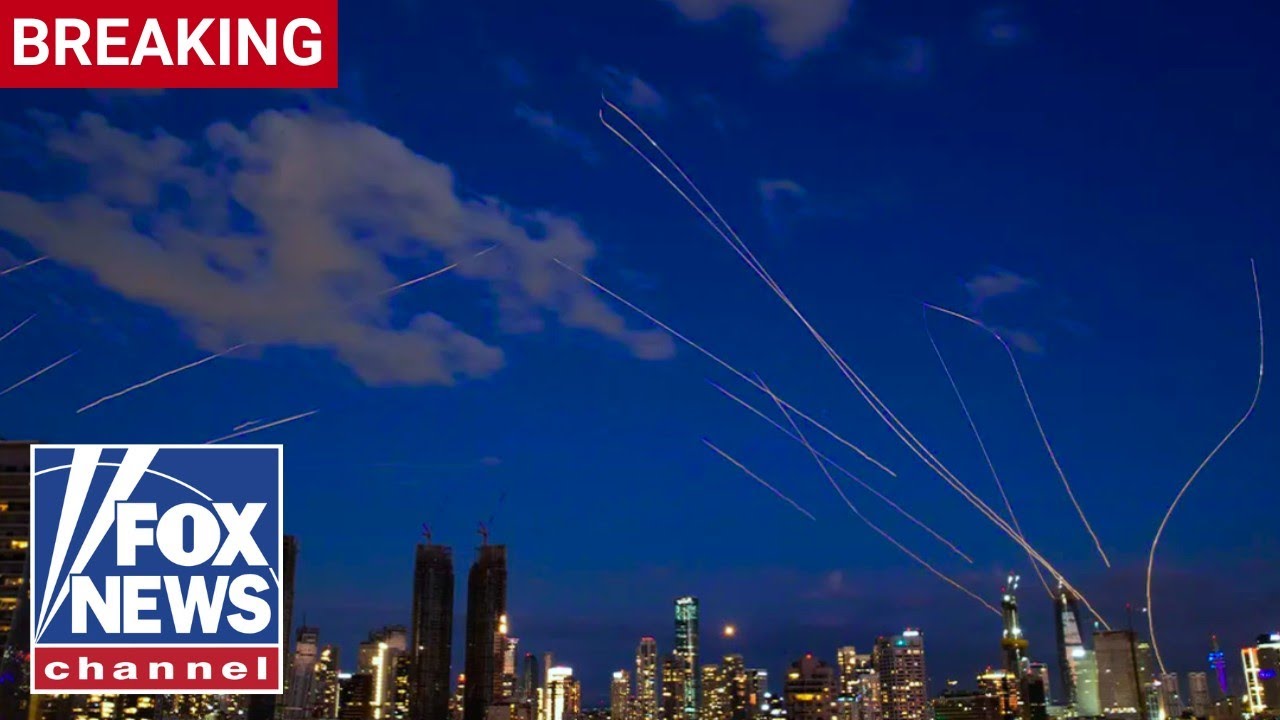
Despite the growing discussion, Israel Hayom emphasized that any visit remains contingent upon developments in the ongoing confrontation involving Iran.
Officials familiar with the planning process reportedly indicated that a presidential trip is not currently viewed as practical while active hostilities continue. Security concerns, diplomatic sensitivities, and logistical complexities associated with wartime conditions would significantly complicate such a visit.
However, according to the report at Israel Hayom, a ceasefire agreement or broader diplomatic understandings could dramatically alter the situation. Should a period of relative calm emerge in the coming months, the possibility of a September visit would become considerably more realistic.
Such a development would not only facilitate diplomatic engagement but also provide an opportunity for both governments to showcase continued strategic cooperation during a period of regional uncertainty.
Complicating matters further is Israel’s rapidly evolving domestic political situation. The Knesset has already taken initial steps toward a possible early election following an overwhelming 110-0 preliminary vote supporting legislation to dissolve parliament.
The extraordinary vote reflected deep tensions within Prime Minister Benjamin Netanyahu’s governing coalition.
At the center of the dispute is longstanding disagreement regarding military service exemptions for yeshiva students, an issue that has repeatedly generated friction between secular and religious political factions. The crisis intensified when ultra-Orthodox parties demanded legislative action preserving exemptions for their constituents.
As tensions mounted, coalition stability came increasingly into question.
Netanyahu’s coalition ultimately submitted its own dissolution legislation after ultra-Orthodox lawmakers threatened to topple the government if their demands were not addressed.
While the measure still requires additional legislative approvals before becoming law, the possibility of an early election has become increasingly tangible.
Coalition whip Ofir Katz is expected to advance the legislation through the Knesset House Committee before additional readings in the parliament.
Although no official election date has been established, Israel’s political system now faces a period of considerable uncertainty.
Under existing legal requirements, elections must occur no later than October 27.
However, if the dissolution bill advances successfully, Israelis could be called to the polls significantly earlier.
According to the Israel Hayom report, ultra-Orthodox parties have reportedly favored an election date in early September.
Netanyahu, meanwhile, has sought to avoid scheduling that could negatively affect the broader right-wing bloc. The resulting uncertainty creates a politically sensitive environment for any potential presidential visit.
A Trump appearance could occur during an active election campaign or immediately before voting begins. Given Trump’s enduring popularity among many Israeli voters, particularly within conservative and nationalist constituencies, such timing would inevitably attract intense political scrutiny.
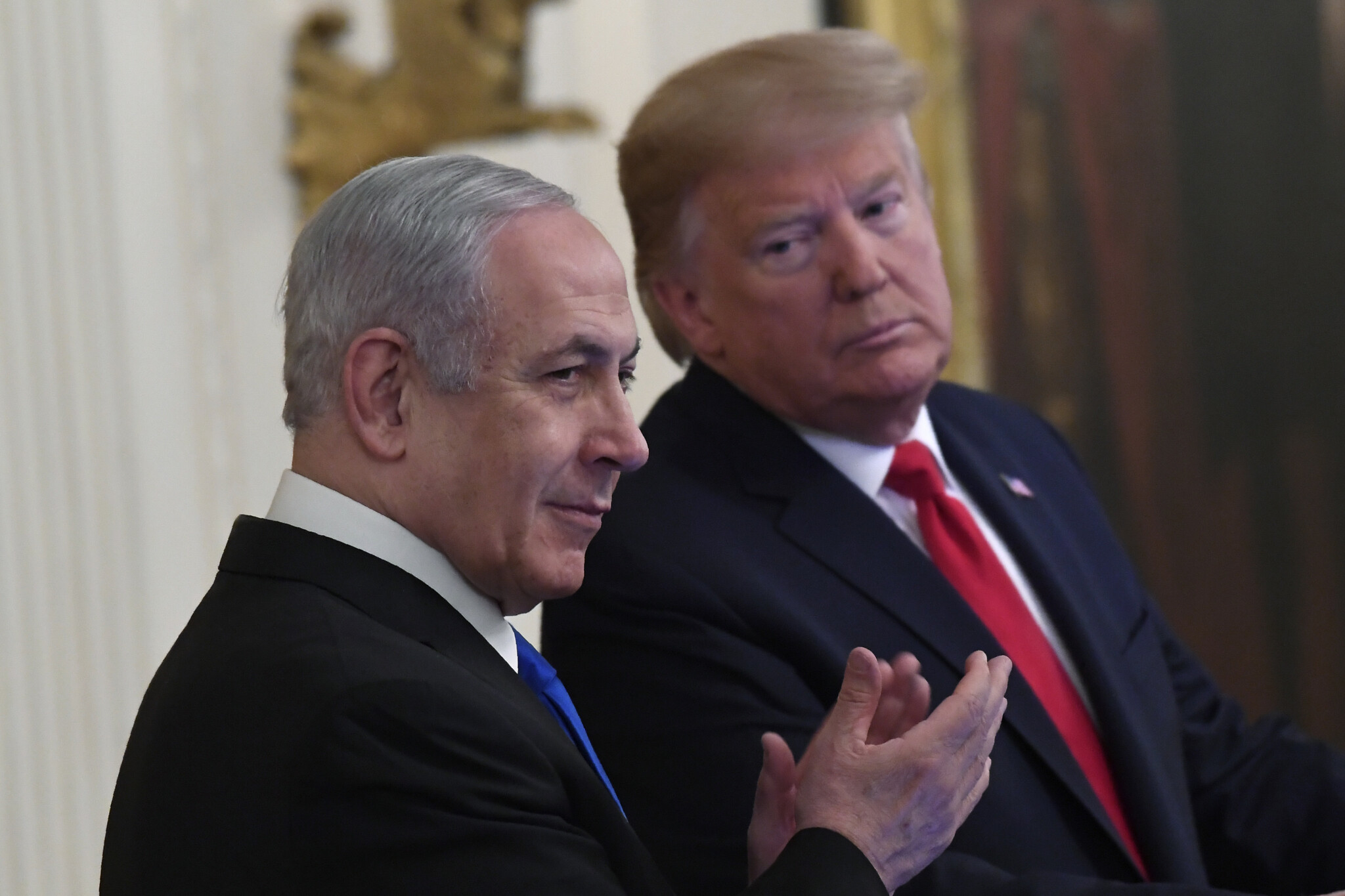
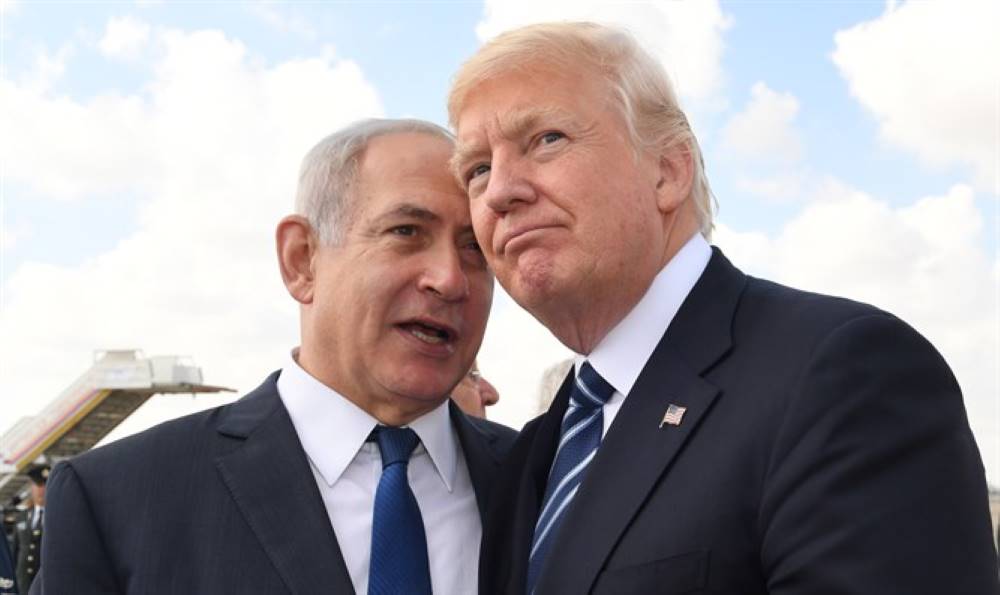
The prospect of a Trump visit carries additional significance because of the long-standing relationship between the American president and Israeli Prime Minister Benjamin Netanyahu.
Over the years, Netanyahu has frequently highlighted his close working relationship with Trump, emphasizing the strategic benefits that emerged from cooperation between the two leaders. Their partnership produced several landmark diplomatic achievements that continue to influence regional geopolitics.
The relocation of the American embassy to Jerusalem fulfilled a decades-old aspiration among many Israelis. Recognition of Israeli sovereignty over the Golan Heights represented another major diplomatic milestone.
Perhaps most significantly, the Abraham Accords transformed relations between Israel and several Arab nations, opening new avenues for economic, diplomatic, and security cooperation.
For Netanyahu, a presidential visit featuring an Israel Prize ceremony could provide a highly visible demonstration of international support during a politically sensitive period.
Some political observers believe efforts may already be underway behind the scenes to discourage or delay a Trump visit because of its potential impact on the electoral environment. While no specific details regarding such efforts have been publicly disclosed, the concern reflects widespread recognition of the symbolic power associated with a presidential appearance.
The image of an American president receiving Israel’s highest civilian honor while standing alongside Israeli leaders could resonate strongly with voters. Political analysts note that foreign policy achievements have frequently played an important role in Israeli election campaigns.
A major diplomatic event involving one of Israel’s most supportive American presidents would almost certainly become a central topic of political discussion.
Additional momentum behind the speculation emerged in May when United States Ambassador Mike Huckabee publicly expressed hope that Trump would visit Israel. According to comments cited by Israel Hayom, Huckabee suggested that the president would enjoy overwhelming popularity if he were a candidate in Israeli elections.
The ambassador’s remarks reinforced perceptions regarding Trump’s enduring appeal among large segments of the Israeli public. Although Huckabee’s comments were made in a lighthearted context, they highlighted the unusually strong connection Trump has developed with many Israelis over the course of his political career.
For now, officials on both sides of the Atlantic continue to stress that discussions remain preliminary.
No formal travel announcement has been issued, and significant variables—including developments involving Iran and Israel’s evolving political calendar—must still be resolved.
Nevertheless, according to the Israel Hayom report, diplomatic planners continue to evaluate the possibility. Should the visit ultimately occur, it would represent far more than a routine presidential trip.
It would combine high-level diplomacy, symbolic recognition through the Israel Prize, strategic discussions regarding regional security, and potentially profound political implications during one of the most consequential periods in Israel’s domestic political life.
As discussions continue behind closed doors, Israeli and American officials alike remain focused on whether circumstances will align to make such a historic visit possible. If they do, September could become one of the most diplomatically significant months in recent Israeli memory.



