


















|
Getting your Trinity Audio player ready...
|
Behind the Curtain of War: Netanyahu’s Secret UAE Visit Reveals Deepening Strategic Alliance Against Iran
By: Fern Sidman
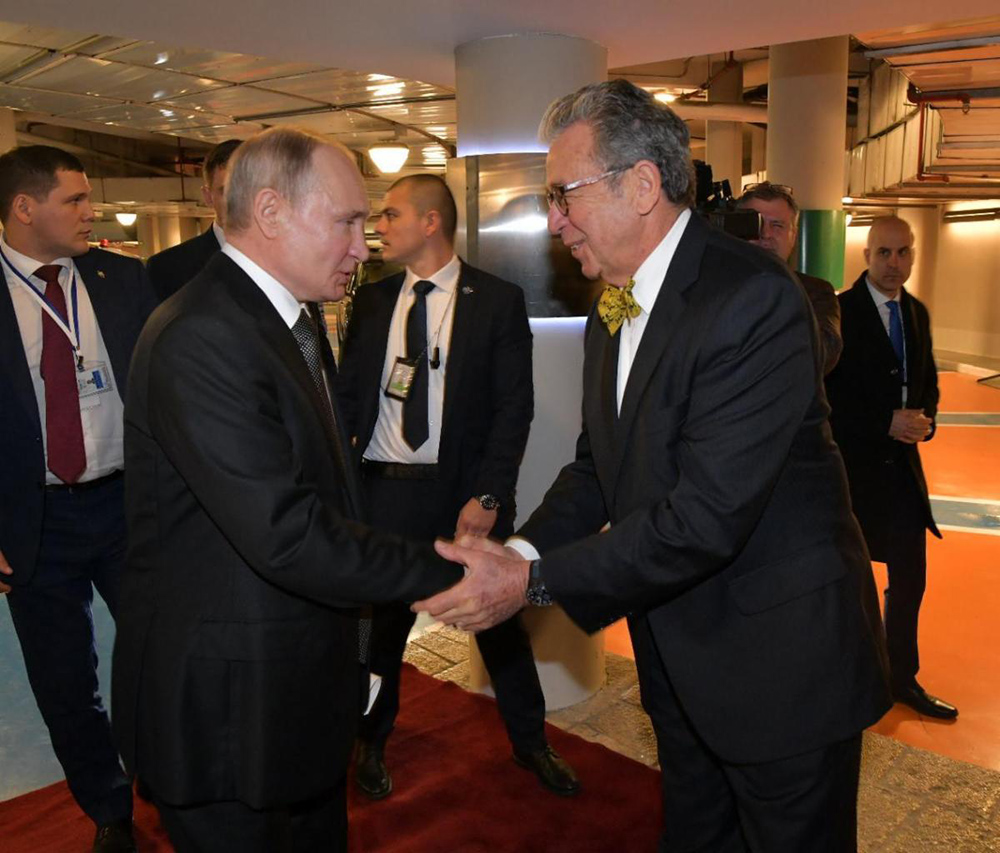
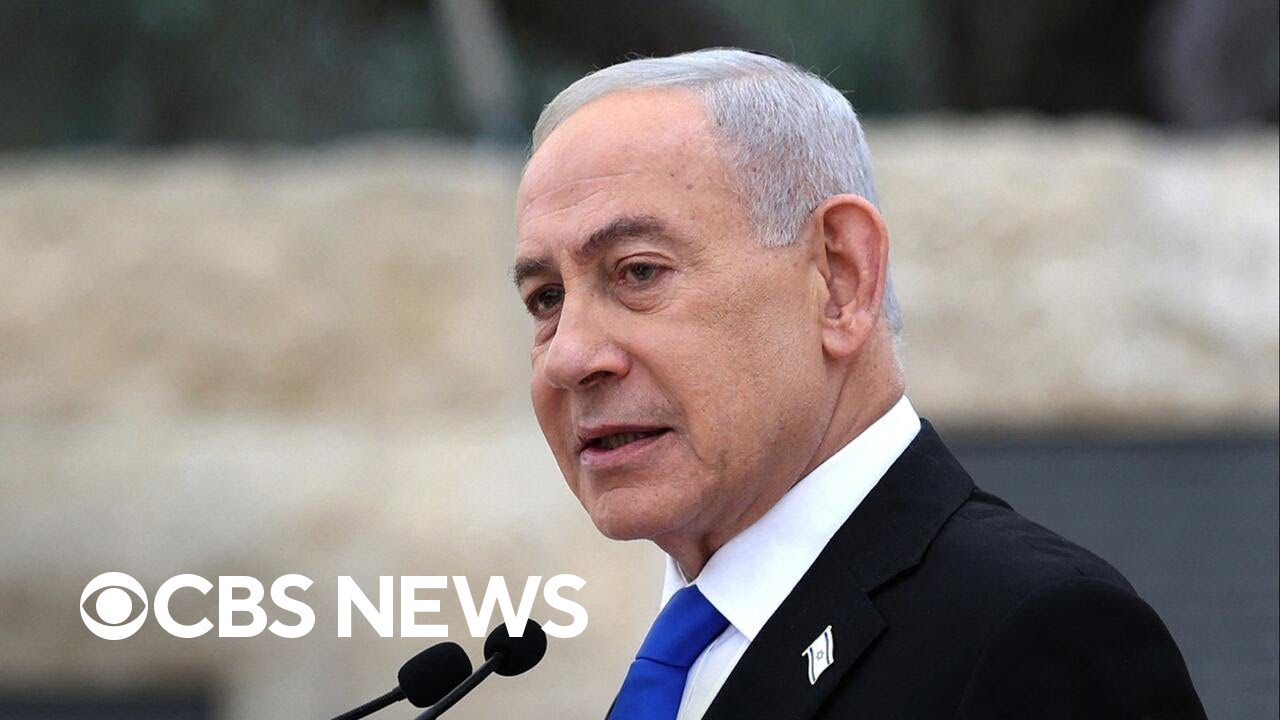
In a revelation that dramatically reframes the geopolitical architecture of the recent Middle East conflict, Israeli officials have confirmed that Prime Minister Benjamin Netanyahu undertook a clandestine wartime visit to the United Arab Emirates, where he held high-level discussions with Mohamed bin Zayed Al Nahyan. The disclosure, reported by United With Israel on Wednesday, sheds unprecedented light on the depth of coordination between Israel and key Gulf states during the war with Iran and signals a profound transformation in regional alliances.
The visit, which occurred during Operation “Roaring Lion,” had remained undisclosed until recently, underscoring the extraordinary sensitivity and strategic importance of the engagement. According to a statement from the Israeli Prime Minister’s Office, the meeting was characterized internally as a “historic breakthrough,” a phrase that reflects not only the symbolic significance of the encounter but also the substantive cooperation that has emerged between Jerusalem and Abu Dhabi in the face of a shared threat.
As United With Israel emphasized in its report, the revelation is not merely a diplomatic curiosity but rather a window into a broader and highly coordinated regional effort aimed at countering Iranian aggression. The timing of the visit—amid escalating missile and drone attacks launched by Tehran across the Gulf—suggests that the discussions were not confined to abstract diplomacy but instead focused on immediate operational imperatives.
“This was a moment of strategic clarity,” one Israeli official, cited in reporting referenced by United With Israel, explained. “When faced with a common adversary, partnerships that once seemed improbable have become indispensable.” While the official comments were measured, the underlying message was unmistakable: the alliance between Israel and the United Arab Emirates has matured into a robust and multifaceted partnership capable of shaping the course of regional events.
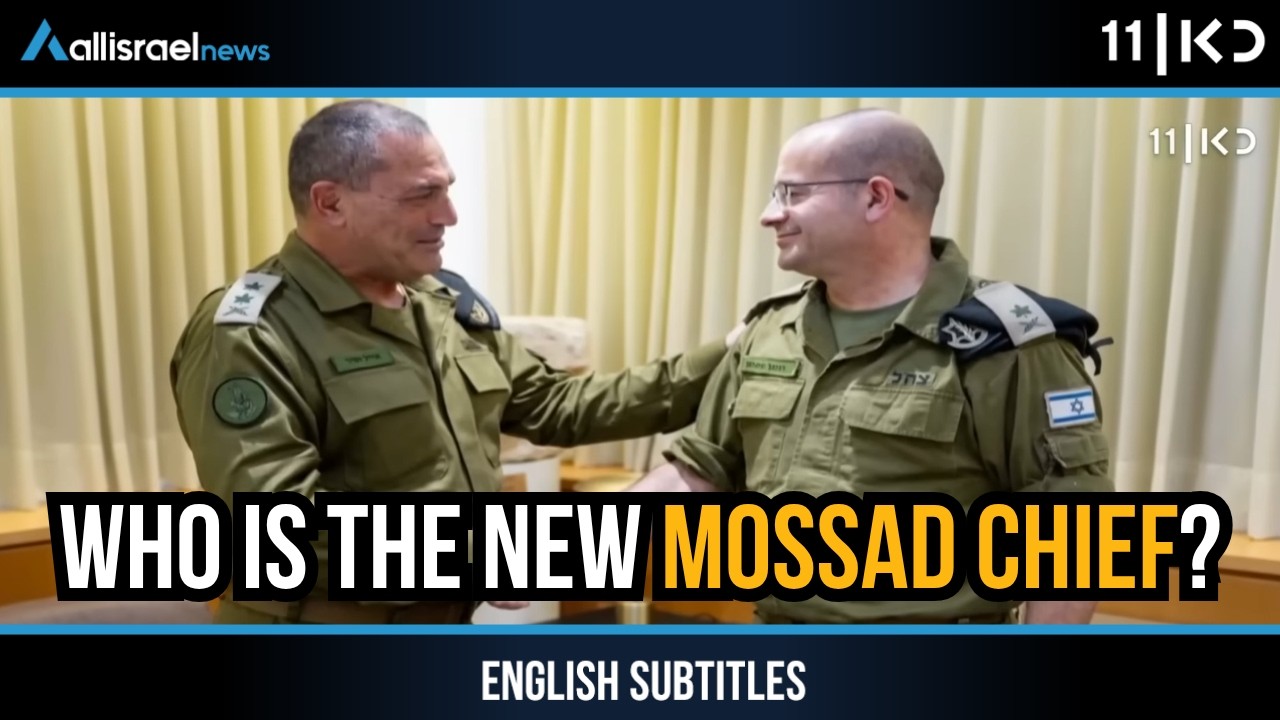
The Netanyahu visit represents the apex of a series of high-level interactions that took place largely out of public view. Earlier reports had already indicated that senior Israeli intelligence figures were traveling to the Gulf during the conflict. Most notably, David Barnea, head of Israel’s Mossad intelligence agency, is said to have visited the UAE at least 2 times during the war. According to the United With Israel report, these visits were aimed at coordinating intelligence-sharing mechanisms and aligning operational responses to Iranian actions.
The involvement of Barnea underscores the centrality of intelligence cooperation in the evolving Israel-Gulf partnership. As Iran unleashed successive waves of missiles and drones targeting both military installations and civilian infrastructure, the need for real-time intelligence and coordinated defensive measures became paramount. “The level of cooperation was unlike anything we have seen before,” a source familiar with the discussions noted, as cited in United With Israel’s analysis. “This was not symbolic—it was operational.”
Further evidence of the depth of collaboration emerged with reports that David Zini, the head of Israel’s internal security service, also traveled to the UAE in recent weeks. Described as an “unprecedented visit” in the context of an active conflict, Zini’s presence highlights the breadth of coordination, extending beyond external intelligence to encompass internal security considerations and counterterrorism strategies.
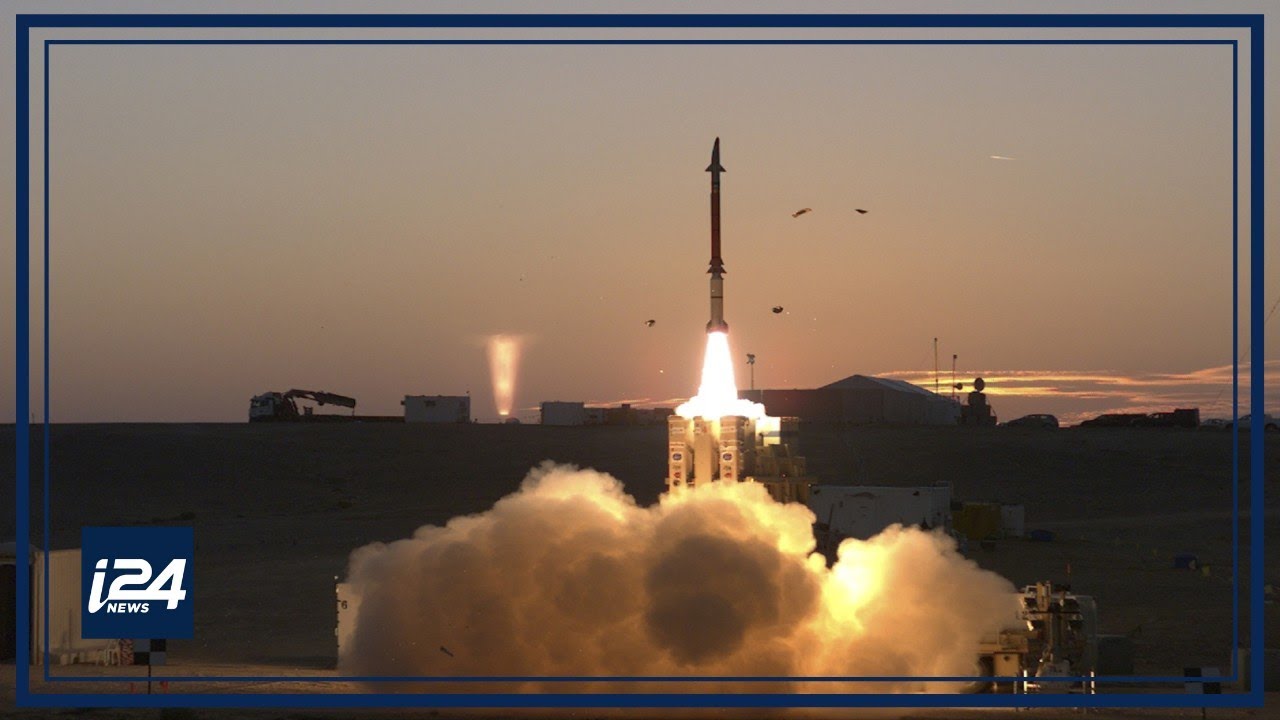
The operational dimension of this partnership was not confined to intelligence alone. According to the United With Israel report, Israel took the extraordinary step of deploying Iron Dome missile defense batteries to the UAE, accompanied by dozens of personnel tasked with operating and maintaining the system. This move, which would have been unthinkable only a few years ago, represents a tangible manifestation of mutual defense commitments.
“The deployment of Iron Dome systems to the Emirates was a game-changer,” an Israeli defense source was quoted as saying in the United With Israel report. “It demonstrated that this partnership is not theoretical—it is real, it is active, and it is effective.” The systems played a critical role in intercepting incoming Iranian projectiles, thereby mitigating damage and reinforcing the sense of collective security among regional partners.
The convergence of Israeli and Gulf interests has been further underscored by reports of direct military actions undertaken by regional states. The United Arab Emirates, carried out covert strikes within Iranian territory, including an operation targeting a key oil refinery on Lavan Island. These actions were reportedly conducted in response to sustained bombardment from Tehran, marking a significant escalation in the conflict.
Similarly, Saudi Arabia is believed to have engaged in its own series of covert airstrikes against Iranian targets. While details remain scarce, the implication is clear: Gulf states that had traditionally relied on external security guarantees have begun to assert themselves more directly in the military domain. As the United With Israel report noted, this shift represents a fundamental reorientation of regional defense dynamics.
Taken together, these developments point to the emergence of a de facto coalition united by a common objective: countering the strategic ambitions of Iran. This coalition, while not formalized through a single treaty or alliance structure, operates through a dense network of bilateral and multilateral engagements that encompass political dialogue, intelligence sharing, and coordinated military action.
The Netanyahu visit to the UAE must therefore be understood within this broader context. It was not an isolated diplomatic gesture but rather a pivotal moment in the consolidation of a new regional order. “This is the culmination of years of quiet engagement,” an analyst quoted by United With Israel observed. “What we are seeing now is the public manifestation of relationships that have been developing behind the scenes for a long time.”
The significance of this transformation cannot be overstated. For decades, relations between Israel and the Arab world were defined by hostility and mutual suspicion. The normalization agreements of recent years began to alter this landscape, but the events of the current conflict have accelerated the process in ways that few could have anticipated.
At the same time, the clandestine nature of the Netanyahu visit highlights the continued sensitivity surrounding these relationships. Despite the progress that has been made, public opinion in many parts of the Arab world remains cautious, and leaders must navigate a complex interplay of domestic and international considerations. The decision to keep the visit secret until after the fact reflects a careful balancing of these factors.
Nevertheless, the eventual disclosure of the trip—and its characterization as a “historic breakthrough”—suggests a growing confidence among Israeli and Emirati leaders in the durability of their partnership. As the United With Israel report emphasized, the alliance is no longer confined to symbolic gestures or limited cooperation; it has evolved into a comprehensive strategic relationship with far-reaching implications.
The implications extend beyond the immediate context of the war with Iran. The deepening ties between Israel and the Gulf states have the potential to reshape the broader Middle East, influencing everything from energy markets to security arrangements and diplomatic alignments. “This is a new Middle East taking shape,” a regional expert noted in commentary cited by United With Israel. “The old divisions are giving way to new partnerships based on shared interests and common threats.”
Yet challenges remain. The conflict with Iran is far from resolved, and the risk of further escalation persists. The delicate balance between deterrence and diplomacy will require careful management, as will the task of maintaining cohesion among a diverse group of regional actors with differing priorities and perspectives.
For now, however, the revelations surrounding Netanyahu’s secret visit offer a compelling glimpse into the evolving dynamics of the Middle East. They reveal a region in transition, where longstanding rivalries are being recalibrated and new alliances are being forged in response to shifting realities.
In this context, the words of one Israeli official, as quoted in the United With Israel report, resonate with particular force: “History will look back on this period as a turning point. The decisions made now—the partnerships formed now—will define the future of the region for decades to come.”
As the dust of the conflict begins to settle, the contours of that future are becoming increasingly clear. At its core lies a recognition that in a world of complex and interconnected challenges, cooperation is not merely desirable but essential. The secret meeting between Netanyahu and Mohamed bin Zayed Al Nahyan, once hidden from view, now stands as a powerful symbol of that realization—a testament to the transformative potential of strategic partnership in an era of profound uncertainty.