













|
Getting your Trinity Audio player ready...
|
Israel–Lebanon Talks Resume in Washington on Thursday Amid Ceasefire Tensions & Regional Uncertainty
By: Fern Sidman
As the fragile equilibrium along the Israel–Lebanon frontier teeters under the weight of unresolved hostilities, a second round of direct diplomatic engagement between the two nations is set to unfold in Washington this Thursday. According to a report on Tuesday in The Times of Israel, the forthcoming discussions—hosted at the United States State Department—represent a rare and consequential moment of high-level dialogue between two countries whose relationship has long been defined by conflict, mistrust, and intermittent violence.
The renewed talks arrive at a critical juncture, mere days before the expiration of a tenuous ten-day ceasefire between Israel and the Iran-backed terrorist organization Hezbollah. Against this volatile backdrop, the diplomatic initiative is widely viewed as both an opportunity and a test: an opportunity to de-escalate a dangerous confrontation, and a test of whether entrenched adversaries can translate cautious engagement into tangible progress.
The meeting scheduled for Thursday will bring together representatives from Israel, Lebanon, and the United States, with Washington once again assuming the role of mediator. Israel is expected to be represented by its envoy to the United States, while Lebanon’s delegation will be led by Simon Karam, a former ambassador to Washington with prior experience in sensitive negotiations.
This follows an earlier round of talks held on April 14, which, as noted by The Times of Israel, marked the highest-level direct interaction between Israeli and Lebanese officials to date. That initial session, which lasted approximately two hours, was facilitated by Marco Rubio and other American diplomats, signaling a concerted effort by the United States to foster dialogue between the two sides.
In a statement to The Times of Israel, a State Department official emphasized Washington’s commitment to sustaining this diplomatic momentum. The official described the initial engagement as “productive” and affirmed that the United States would continue to facilitate discussions conducted in good faith.
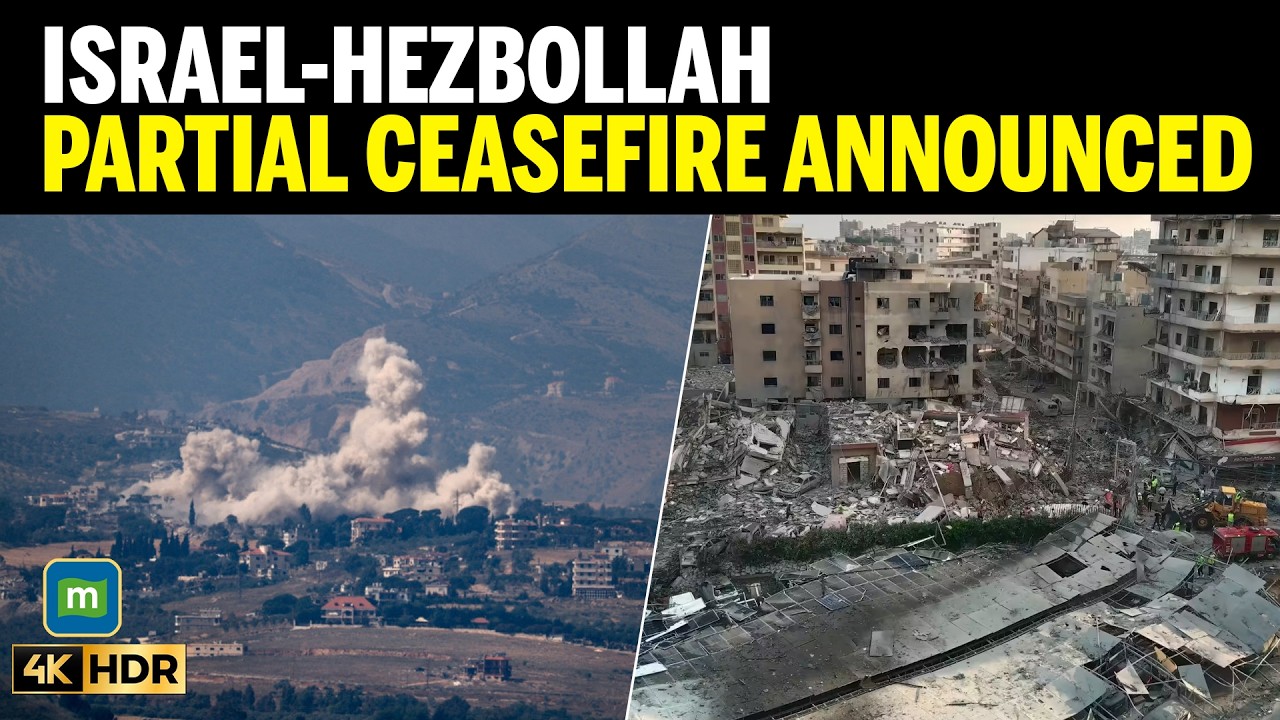
The timing of the second round of talks is particularly significant given the impending expiration of the ceasefire between Israel and Hezbollah. The truce, which has provided a temporary respite from active hostilities, remains fragile, with both sides accusing each other of violations even as negotiations proceed.
Efforts to extend the ceasefire are reportedly underway. Nabih Berri indicated following a meeting with the United States ambassador to Lebanon that Washington is actively working to prolong the truce. This development, reported by The Times of Israel, underscores the urgency of the diplomatic process and the high stakes involved in preventing a renewed escalation.
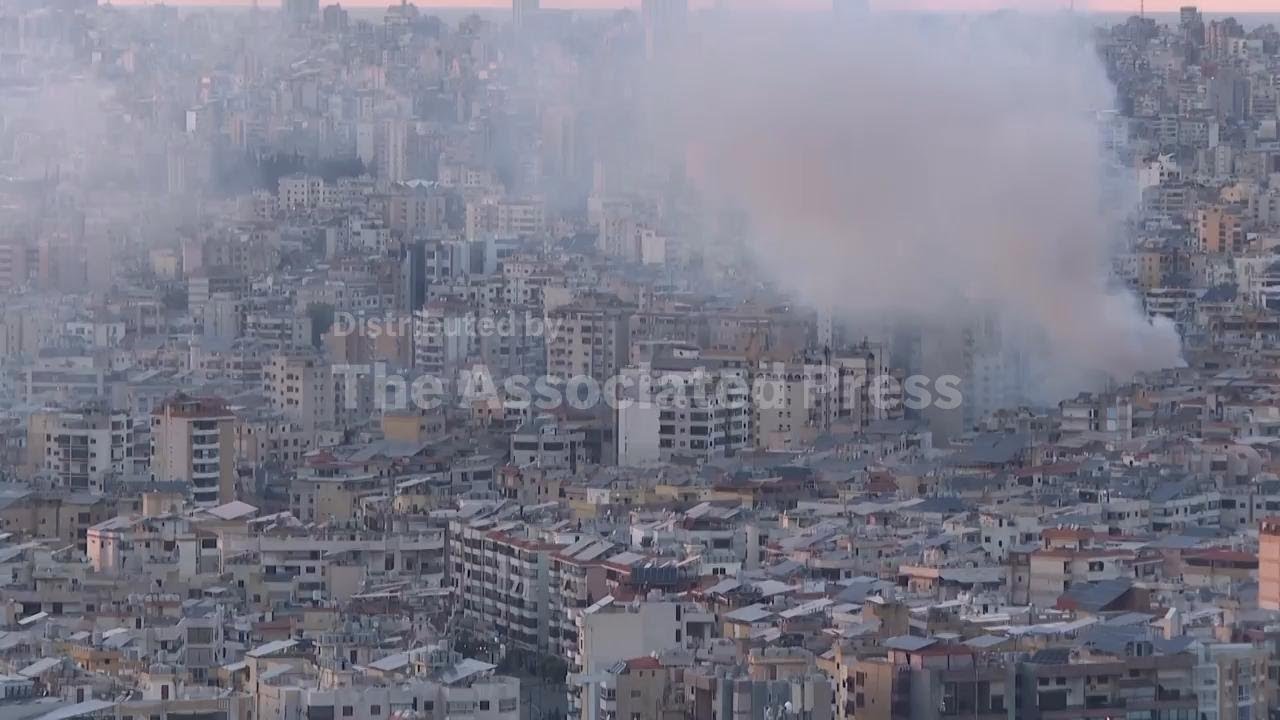
The ceasefire itself has been punctuated by incidents that highlight its precarious nature. Since its implementation, clashes have continued at a lower intensity, with sporadic attacks and retaliatory strikes contributing to an atmosphere of persistent tension.
Complicating the diplomatic landscape is the unequivocal opposition of Hezbollah, which remains steadfast in its commitment to armed resistance against Israel. The organization, which is backed by Iran and openly calls for Israel’s destruction, has rejected the premise of negotiations and signaled its intention to continue military operations.
Hassan Fadlallah articulated this position in stark terms, condemning the talks and vowing to dismantle what he described as Israeli-imposed boundaries within southern Lebanon. His remarks, cited in The Times of Israel report, reflect a broader strategy aimed at maintaining operational freedom and resisting any constraints on Hezbollah’s activities.
Fadlallah dismissed the concept of demarcated zones—whether characterized as defensive lines or buffer areas—as unacceptable impositions. He further asserted that Hezbollah would not relinquish its arsenal under any circumstances, a stance that directly contradicts demands made by both Israel and elements within the Lebanese government.
This divergence highlights a fundamental challenge facing the negotiations: while the Lebanese state seeks a path toward stability, Hezbollah operates as a powerful non-state actor with its own agenda, one that often runs counter to official policy.
In contrast to Hezbollah’s confrontational posture, Joseph Aoun has emerged as a vocal proponent of the negotiation process. Framing the situation in stark terms, he has presented Lebanon with a binary choice: the continuation of war, with all its attendant devastation, or the pursuit of diplomacy as a means of securing lasting stability.
Aoun’s endorsement of negotiations, as reported by The Times of Israel, reflects a strategic calculation grounded in the recognition of Lebanon’s precarious position. The country faces significant humanitarian, economic, and political challenges, many of which have been exacerbated by ongoing conflict.
In a recent address, Aoun underscored his commitment to reclaiming national agency, declaring that Lebanon would no longer serve as a battleground for external interests. This assertion of sovereignty resonates within a broader effort to reframe the country’s role in regional dynamics and to prioritize internal stability over external entanglements.
The negotiations themselves are expected to focus on several key objectives. Among these are the cessation of Israeli military operations within Lebanese territory, the withdrawal of Israeli forces currently stationed in the south, and the deployment of the Lebanese Armed Forces along the border.
Aoun has emphasized that these talks are distinct from parallel negotiations involving the United States and Iran, despite the interconnected nature of regional alliances. By delineating these processes, he seeks to ensure that Lebanon’s interests are addressed independently and not subsumed within broader geopolitical considerations.
The composition of Lebanon’s negotiating team has also been a point of internal contention. Aoun has insisted that Simon Karam will lead the delegation, signaling a commitment to continuity and experience in what are likely to be complex and sensitive discussions.
The involvement of the United States as a mediator underscores the broader international dimension of the conflict. Washington’s role is not merely facilitative but also strategic, reflecting its interest in maintaining stability in a region that remains critical to global security.
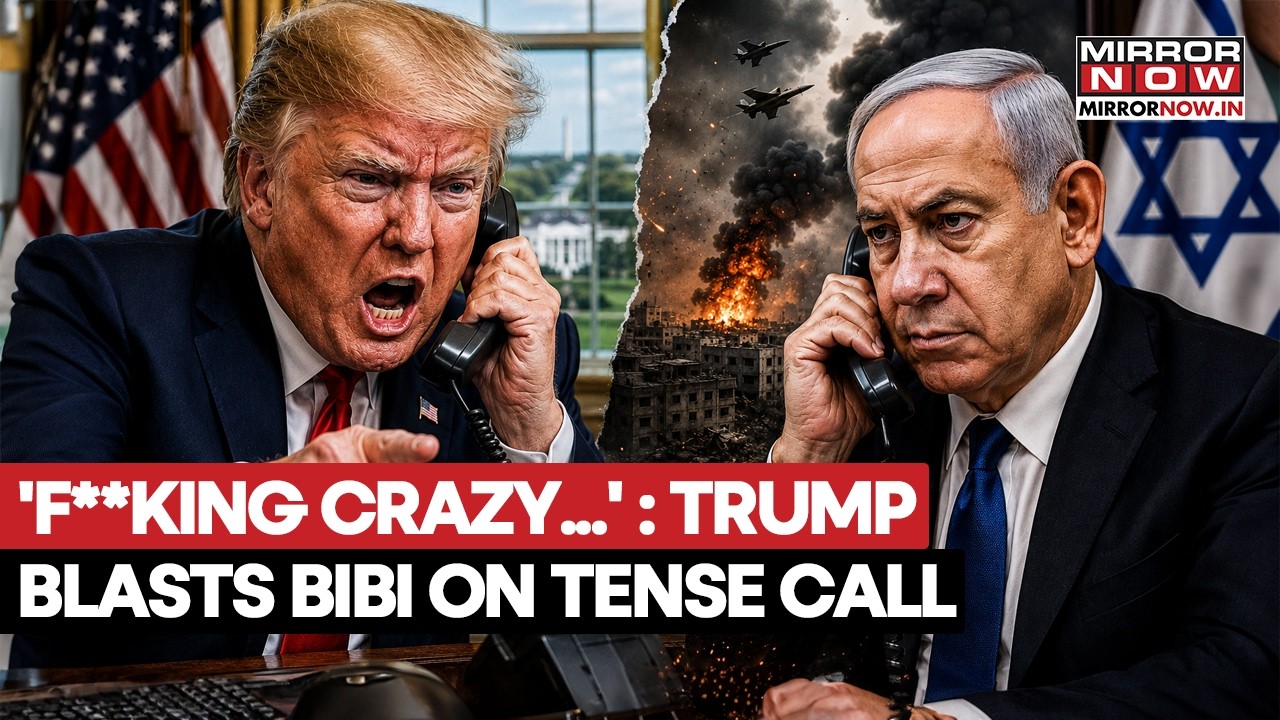
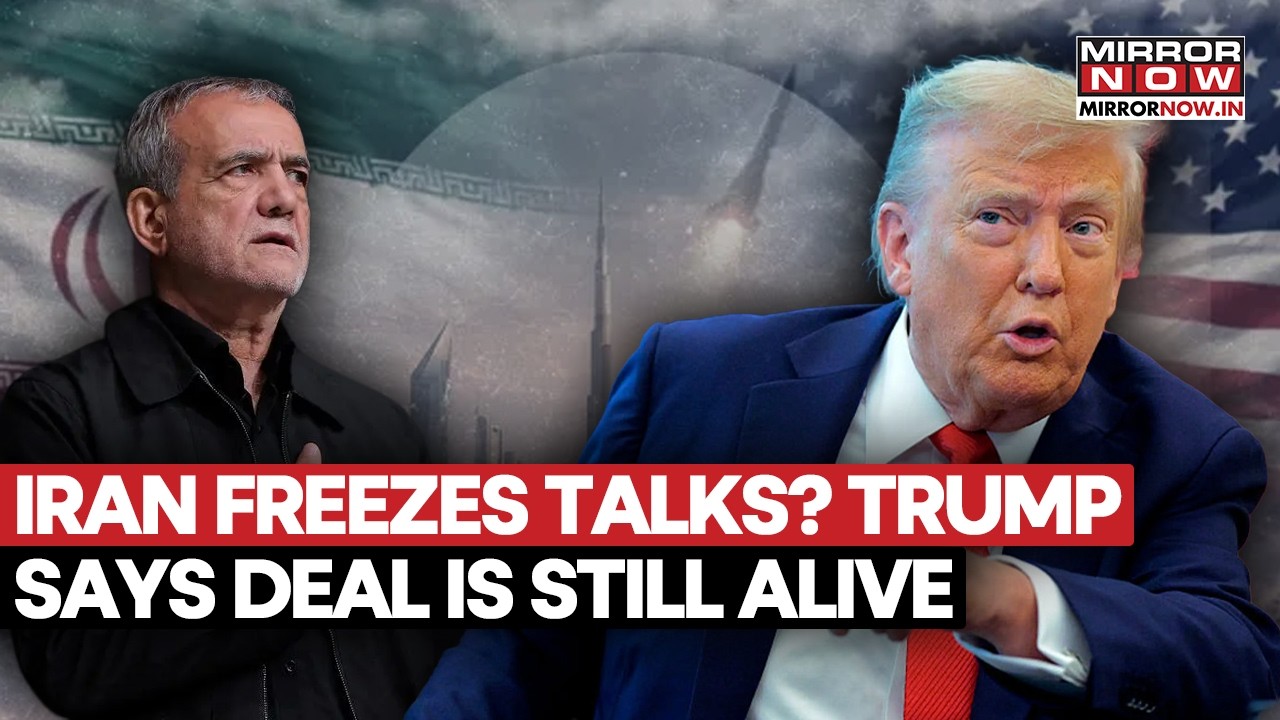
Support for Lebanon’s negotiating position has also been expressed by President Trump, who conveyed his backing during a recent telephone conversation with Aoun. While details of this exchange remain limited, it highlights the extent to which the negotiations are embedded within a wider network of diplomatic relationships.
At the same time, the influence of Iran looms large, given its support for Hezbollah. This connection adds a layer of complexity to the talks, as any agreement reached between Israel and Lebanon must contend with the realities of Hezbollah’s alignment with Tehran.
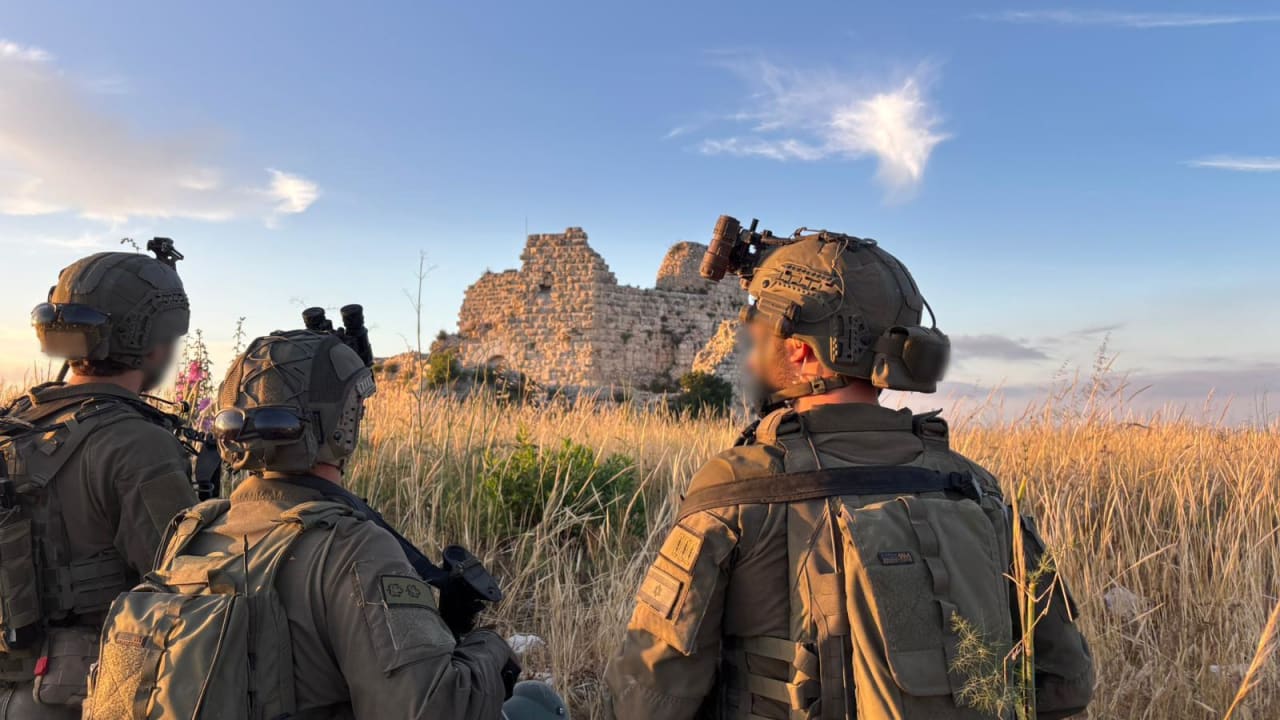
Even as diplomatic efforts intensify, the situation on the ground remains volatile. Incidents since the ceasefire began have included attacks on Israeli forces and retaliatory strikes against Hezbollah positions.
One such episode involved an explosive device targeting an Israeli armored vehicle in southern Lebanon. Hezbollah claimed responsibility for the attack, stating that multiple explosive charges had been planted along a convoy route. The Israeli military acknowledged that a vehicle was likely struck but reported no injuries, according to The Times of Israel.
The aftermath of these clashes has been marked by competing narratives. Lebanese officials have accused Israeli forces of extensive destruction in southern villages, with claims that dozens of communities have been affected since the ceasefire took effect.
Ali Hassan Khalil described the damage as severe and characterized the actions as violations of international norms. Such assertions, reported by The Times of Israel, contribute to an already charged atmosphere and complicate efforts to build trust between the parties.
Amid the broader conflict, questions regarding maritime boundaries have also resurfaced. A map published by the Israeli military depicting a naval defense zone extending from the Lebanese coastline has prompted clarification from Lebanese officials.
Joe Saddi stated that the map does not alter the maritime agreement reached between the two countries in 2022. His remarks, cited by The Times of Israel, reaffirm the legal standing of the existing accord and seek to prevent additional points of contention from emerging.
As the second round of talks approaches, the stakes could scarcely be higher. The convergence of diplomatic initiative and military tension creates a moment of profound uncertainty, one in which the trajectory of the Israel–Lebanon relationship may be significantly influenced.
The path forward remains fraught with obstacles, from internal divisions within Lebanon to the uncompromising stance of Hezbollah and the broader regional dynamics shaped by external powers. Yet the very existence of direct talks represents a departure from entrenched patterns of disengagement.
In the final analysis, the negotiations in Washington embody both the fragility and the potential of diplomacy in a region long accustomed to conflict. Whether they will yield a durable resolution or merely a temporary reprieve remains to be seen. What is clear, as consistently reported by The Times of Israel, is that the outcome of these discussions will reverberate far beyond the immediate participants, shaping the contours of regional stability for the foreseeable future.



