




















|
Getting your Trinity Audio player ready...
|
By: Fern Sidman
A profound sense of strategic vigilance appears to be gripping Israeli society as the nation confronts the evolving contours of its confrontation with Iran. According to a newly released survey by the Israel Democracy Institute, a clear majority of Israelis believe that bringing the current conflict to an immediate close under existing conditions would imperil national security rather than safeguard it. The findings, widely cited and analyzed in a report on Wednesday by World Israel News, offer a revealing portrait of a population deeply cognizant of the stakes involved in what many perceive to be a generational struggle.
The survey’s central conclusion is striking in its clarity. Fully 59 percent of respondents indicated that ending the war at this juncture would be either “only slightly compatible” or “not compatible at all” with Israel’s security interests. This sentiment is even more pronounced among Jewish Israelis, approximately two-thirds of whom expressed skepticism or outright opposition to a premature cessation of hostilities. By contrast, nearly half of Arab respondents took a more conciliatory view, underscoring the complex internal dynamics that shape Israeli public opinion.
As World Israel News has repeatedly emphasized in its coverage, the divergence of perspectives within Israel reflects not only demographic distinctions but also differing perceptions of risk and historical experience. For many Jewish Israelis, the memory of previous conflicts and the persistent threat posed by Iranian proxies loom large, reinforcing a conviction that deterrence must be sustained rather than diluted.
The survey further illuminates the extent to which Israelis anticipate continued instability. A significant 62 percent of respondents believe that another large-scale confrontation with Iran is likely in the foreseeable future, while only 30 percent consider the prospect of renewed fighting to be remote. This expectation of ongoing conflict has contributed to a climate of cautious realism, in which strategic patience is often favored over expedient resolution.
The implications of these findings extend beyond immediate military considerations. As World Israel News notes, the data also reveal a growing unease regarding Israel’s international standing and the broader geopolitical environment in which it operates. An overwhelming 72 percent of respondents described declining support for Israel among the American public as “somewhat worrying” or “very worrying.” This perception underscores the importance of maintaining robust alliances while navigating an increasingly complex global landscape.
Equally significant is the evolving perception of decision-making authority. According to the survey, 51 percent of respondents believe that the United States administration exerts greater influence over Israeli defense policy than Israel’s own government, a notable increase from 44 percent in October 2025. By comparison, only 18 percent of those surveyed felt that Israel’s government retains primary control over such decisions. This shift, highlighted by World Israel News, reflects a growing sensitivity to the interplay between national sovereignty and international partnership.
Public confidence in key aspects of national resilience has also exhibited signs of erosion. Optimism regarding Israel’s national security declined from 47 percent in March to 39 percent in April, while confidence in social cohesion fell from 30 percent to 22.5 percent over the same period. These figures suggest that the prolonged strain of conflict, coupled with internal divisions, is taking a measurable toll on the collective psyche.
Despite these concerns, attitudes toward the economy and democratic governance have remained relatively stable, indicating that Israelis continue to place trust in certain institutional pillars even as other areas experience turbulence. This duality—resilience in some domains and fragility in others—captures the complexity of the current moment.
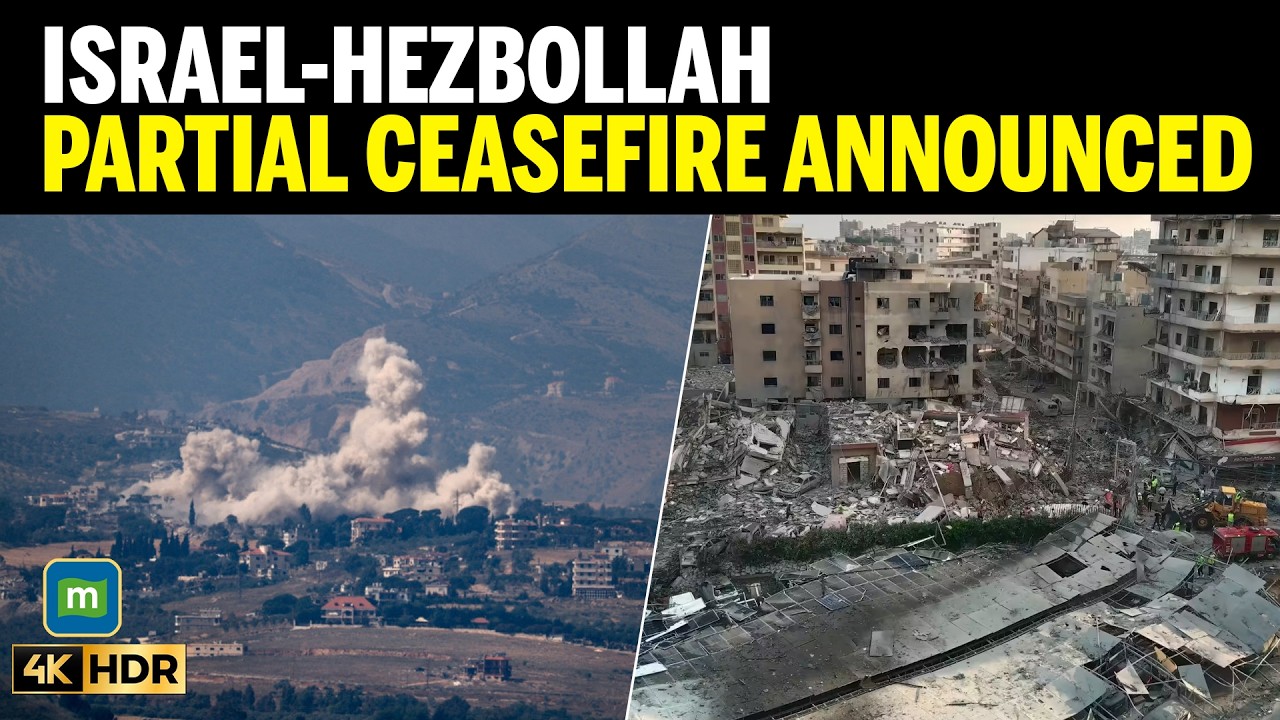
The survey also sheds light on Israeli perspectives regarding the broader regional environment, particularly in relation to Lebanon and the persistent threat posed by Hezbollah. Nearly three-quarters of respondents expressed skepticism about the likelihood of achieving a durable diplomatic and security arrangement with the Lebanese government, including the disarmament of Hezbollah. This pessimism, as World Israel News has reported, reflects longstanding doubts about the feasibility of stabilizing Israel’s northern frontier through diplomatic means alone.
When asked to consider Israel’s long-term security strategy, respondents demonstrated a nuanced understanding of the interplay between military strength and diplomatic engagement. The largest group indicated that both elements should carry equal weight, suggesting a preference for a balanced approach that integrates force with negotiation. In the shorter term, however, support for prioritizing military power declined to 28.5 percent, while backing for diplomatic agreements rose slightly to 30.5 percent. These findings point to an evolving strategic calculus in which Israelis recognize the necessity of both deterrence and dialogue.
The methodology of the survey lends credibility to its findings. Conducted by the Viterbi Family Center for Public Opinion and Policy Research between April 26 and April 30, 2026, the study included 601 Jewish and 150 Arab respondents aged 18 and older. The breadth of the sample ensures that the results provide a representative snapshot of Israeli public opinion at a critical juncture.
Taken together, the data paint a portrait of a society grappling with profound challenges yet determined to navigate them with prudence and resolve. The prevailing view—that ending the conflict with Iran prematurely would be detrimental—reflects a deep-seated understanding of the strategic environment and the potential consequences of miscalculation.
As World Israel News has underscored in its analysis, the Israeli public’s stance is not rooted in an abstract desire for conflict but in a pragmatic assessment of the threats posed by Iran and its regional network. For many Israelis, the prospect of halting operations without achieving meaningful security guarantees is seen as an invitation to future aggression.
This perspective is informed by a broader historical context. Over the past decades, Israel has faced repeated challenges from state and non-state actors, often necessitating difficult decisions about when to escalate and when to de-escalate. The current confrontation with Iran, with its far-reaching implications, is widely regarded as one of the most consequential of these challenges.
In this environment, public opinion serves as both a barometer and a guiding force. The survey’s findings suggest that Israelis are not only aware of the complexities of the situation but are also prepared to support policies that prioritize long-term security over short-term relief. This alignment between public sentiment and strategic necessity may prove to be a critical factor in shaping the decisions of policymakers in the months ahead.
At the same time, the concerns highlighted by the survey—ranging from declining international support to internal divisions—underscore the importance of addressing not only external threats but also the underlying factors that influence national cohesion. As the World Israel News report noted, the strength of a nation lies not only in its military capabilities but also in its ability to maintain unity and resilience in the face of adversity.
In the final analysis, the message emerging from the Israeli public is both clear and complex. There is a strong consensus that security must not be compromised, even in the pursuit of peace. Yet there is also an awareness that achieving lasting stability will require a multifaceted approach that encompasses diplomacy, strategic partnerships, and internal reform.
As Israel continues to navigate this challenging period, the voices captured in the survey offer a compelling reminder of the stakes involved. They reflect a society that, while deeply concerned about the future, remains steadfast in its commitment to safeguarding its security and preserving its sovereignty.



