

















|
Getting your Trinity Audio player ready...
|
By: Fern Sidman
In a development of profound diplomatic significance, representatives of Israel and Lebanon convened on Tuesday in Washington, D.C., marking the first direct negotiations between the two nations in more than forty years. The unprecedented dialogue, hosted at the United States Department of State, represents a tentative yet momentous attempt to address a deeply entrenched and volatile conflict that has long defined the geopolitical landscape of the Eastern Mediterranean.
According to a report on Tuesday by Israel National News, the talks commenced under a cloud of both cautious optimism and unmistakable tension, underscoring the stark reality that diplomacy and armed confrontation are unfolding simultaneously. While the meeting itself signifies a potential opening for long-term stabilization, Israeli officials made it abundantly clear in advance that the negotiations would have no immediate bearing on ongoing military operations against Hezbollah in southern Lebanon.
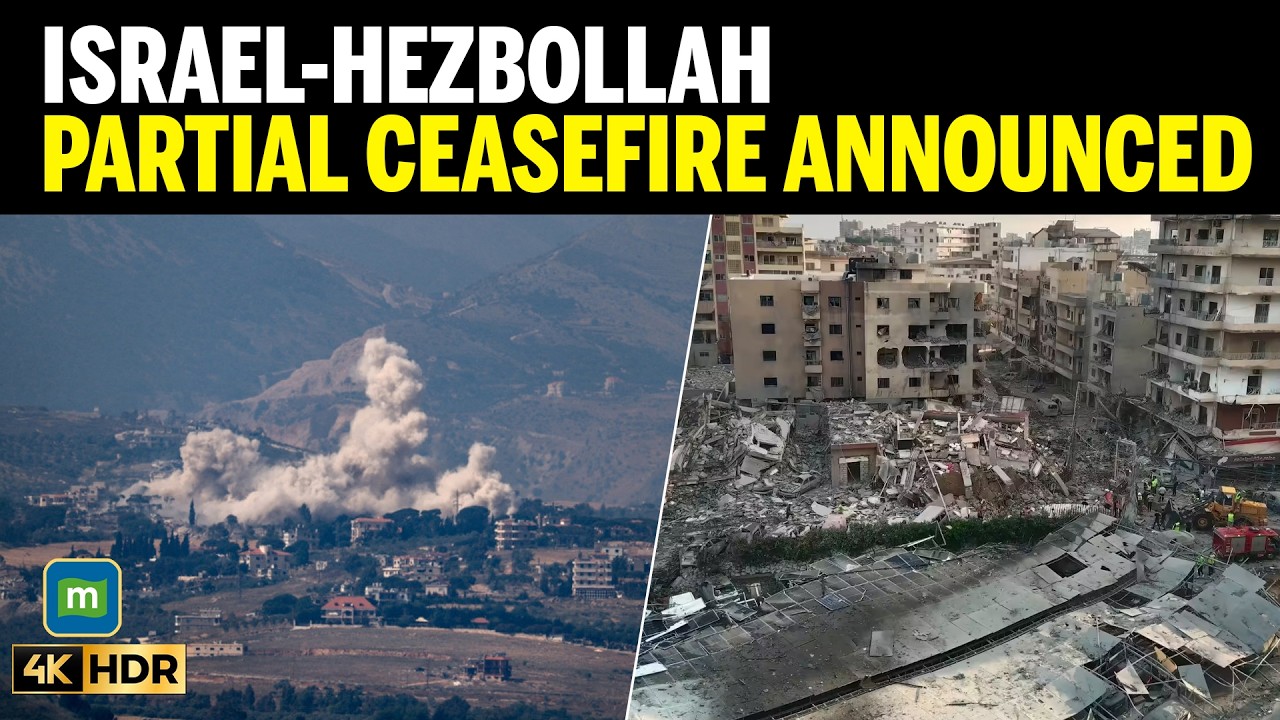
The stark juxtaposition of diplomatic engagement and active hostilities could scarcely have been more pronounced. As delegates assembled in Washington to initiate discussions, air raid sirens echoed across northern Israel, particularly in Kiryat Shmona and surrounding communities in the Galilee region. The alarms followed a reported drone strike near the entrance to Nahariya, highlighting the persistent and immediate threat posed by Hezbollah’s military capabilities.
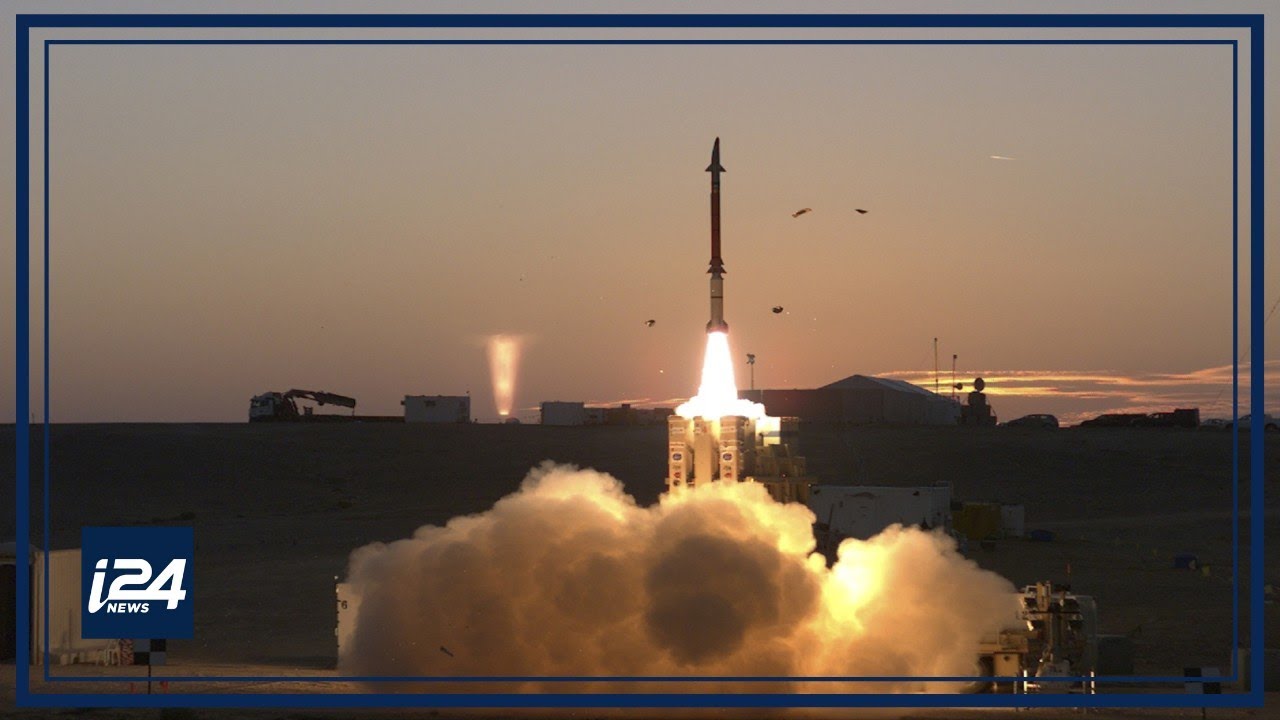
The Israeli Defense Forces simultaneously announced heightened operational readiness in anticipation of intensified attacks. This dual-track reality—negotiations abroad and military escalation at home—illustrates the complexity of the current moment. It also underscores Israel’s strategic posture: engaging in dialogue without compromising its determination to neutralize threats posed by Iranian-backed militant forces.
As the Israel National News report emphasized, Israeli officials are approaching the talks with a clear-eyed understanding that diplomacy, while essential, cannot substitute for the imperative of national defense in the face of ongoing aggression.
The United States has assumed a central mediating role in this delicate diplomatic initiative, reflecting Washington’s longstanding commitment to regional stability. Secretary of State Marco Rubio addressed the significance of the talks prior to their commencement, framing the dialogue within the broader context of Iranian influence in the region.
Rubio characterized the Lebanese populace as victims of external manipulation, specifically pointing to Tehran’s role in arming and directing Hezbollah. His remarks conveyed both a recognition of Lebanon’s internal complexities and a clear articulation of American strategic objectives.
“The Lebanese people are victims of Iranian aggression, and this needs to stop,” Rubio stated, according to the Israel National News report. His comments reflect a broader consensus within U.S. policy circles that any durable resolution to the Israel-Lebanon conflict must address the underlying issue of Iranian proxy warfare.
At the same time, Rubio tempered expectations, emphasizing that the negotiations represent the beginning of what is likely to be a protracted and intricate process. The aspiration, he noted, is not immediate resolution but the gradual construction of a framework capable of supporting a sustainable peace.
The composition of the delegations underscores the cautious and highly controlled nature of the engagement. Representing Israel is Ambassador Yechiel Leiter, a seasoned diplomat tasked with articulating Israel’s strategic priorities and security concerns.
Lebanon is represented by Ambassador Nada Hamada Muawed, whose participation signals Beirut’s willingness to engage directly, albeit within the constraints imposed by its complex internal political landscape.
On the American side, the presence of Ambassador Michelle Issa and senior State Department official Mike Needham reflects Washington’s intent to maintain close oversight of the process and to facilitate communication between the parties.
This carefully calibrated diplomatic architecture highlights both the sensitivity of the negotiations and the high stakes involved. Each participant carries the weight of national interests that have, for decades, been defined by mistrust, intermittent conflict, and deeply rooted grievances.
Any discussion of Israel-Lebanon relations is inextricably linked to the presence of Hezbollah, the powerful Iranian-backed terrorist proxy that operates within Lebanon. The group’s extensive arsenal, including rockets, drones, and advanced weaponry, has transformed southern Lebanon into a persistent flashpoint.
As the Israel National News report noted, Israel views Hezbollah not merely as a local adversary but as a critical component of a broader Iranian strategy aimed at encircling and destabilizing the Jewish state. This perception shapes Israel’s approach to both military operations and diplomatic engagement.
The ongoing hostilities, including the drone strike that coincided with the opening of talks, serve as a stark reminder that Hezbollah retains both the capability and the willingness to escalate tensions. For Israel, this reality necessitates a dual strategy: pursuing diplomatic avenues where feasible while maintaining robust defensive and offensive capabilities.
The fact that Israel and Lebanon have entered into direct negotiations for the first time in four decades is, in itself, a remarkable development. The last comparable engagement occurred under vastly different geopolitical circumstances, before the rise of Hezbollah as a dominant force and before the current configuration of regional alliances.
Yet, the historic nature of the talks does not diminish the formidable obstacles that lie ahead. The issues at stake—border security, the presence of armed militias, sovereignty, and the broader regional balance of power—are deeply complex and resistant to quick resolution.
Rubio’s acknowledgment that the process will require time reflects a realistic assessment of these challenges. The hope, as articulated by American officials is that even incremental progress could lay the groundwork for more substantive agreements in the future.
The negotiations must also be understood within the wider context of Middle Eastern geopolitics. The ongoing confrontation between Israel and Iranian-backed forces extends beyond Lebanon, encompassing multiple fronts including Gaza, Syria, and Yemen.
This interconnected web of conflicts complicates any attempt to isolate the Israel-Lebanon dynamic. Progress in one arena may be influenced by developments in another, and the actions of external actors—particularly Iran—will continue to shape the trajectory of the talks.
At the same time, the involvement of the United States introduces an additional layer of strategic calculation. Washington’s role as both mediator and ally to Israel positions it as a key architect of any potential settlement, while also exposing it to the broader risks associated with regional instability.
As the first day of negotiations unfolds, the contrast between diplomatic aspiration and military reality remains stark. The sirens in northern Israel, the reports of drone strikes, and the IDF’s heightened readiness all serve as reminders that the path to peace is fraught with danger.
Nevertheless, the very act of convening these talks represents a recognition that the status quo is unsustainable. For both Israel and Lebanon, the costs of perpetual conflict—measured in lives, resources, and regional stability—are too high to ignore.
The challenge, as highlighted by Israel National News, lies in translating this recognition into concrete steps toward de-escalation and, ultimately, reconciliation.
The commencement of direct negotiations between Israel and Lebanon marks a pivotal moment in a conflict that has endured for generations. While the outcome remains uncertain, the willingness of both parties to engage—under the auspices of the United States—offers a glimmer of possibility in an otherwise turbulent landscape.
Yet, the road ahead is long and uncertain. The persistence of hostilities, the influence of external actors, and the depth of historical grievances all pose significant challenges to the realization of a lasting peace.
For now, the world watches as diplomacy and conflict unfold in parallel, each shaping the other in real time. Whether this historic dialogue will evolve into a meaningful breakthrough or dissolve under the weight of entrenched divisions remains to be seen. What is clear, however, is that the stakes could scarcely be higher—for Israel, for Lebanon, and for the broader region they inhabit.



