
















|
Getting your Trinity Audio player ready...
|
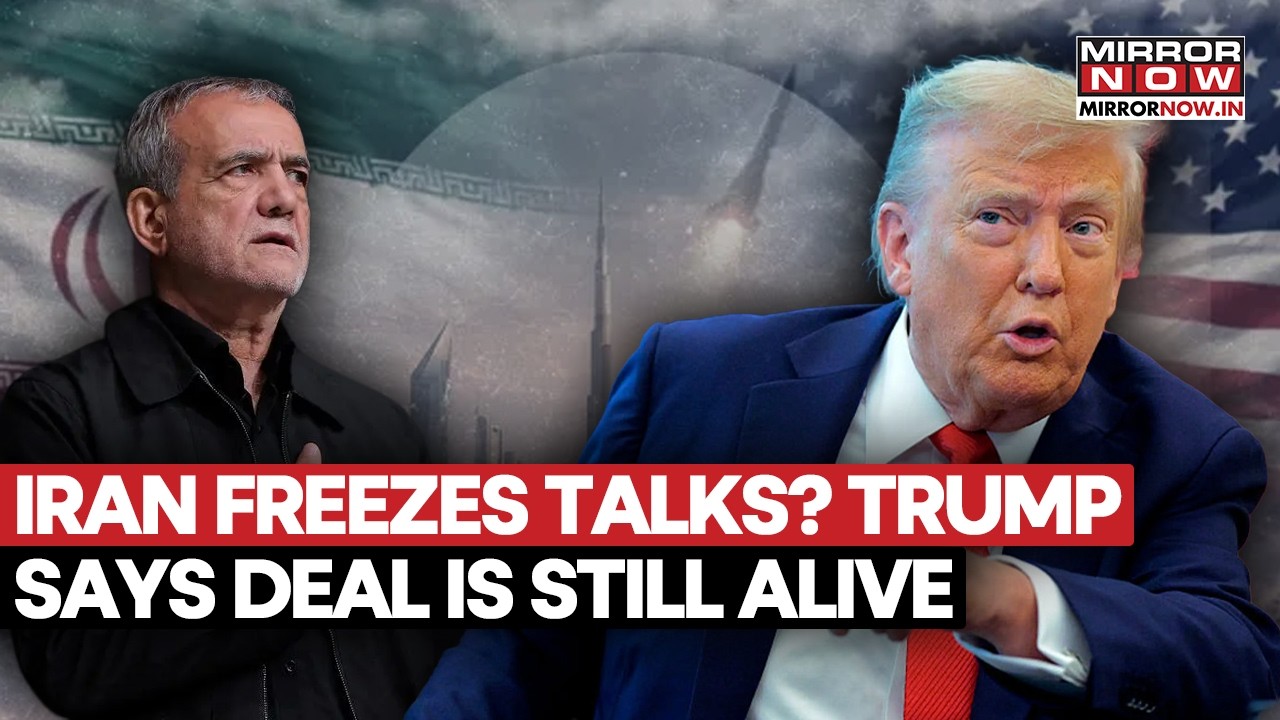
(TJV NEWS) High-stakes negotiations between the United States and Iran are now underway in Pakistan, marking a rare face-to-face meeting between the longtime adversaries as a fragile ceasefire hangs in the balance.
According to reporting from the Associated Press and the Times of Israel, the talks in Islamabad represent the most significant diplomatic engagement between the two nations in decades, with both sides attempting to hammer out terms to end weeks of escalating conflict across the Middle East.
The discussions come just days after a temporary two-week ceasefire was announced, though tensions remain high and the agreement appears increasingly unstable.
Iran has entered the negotiations with a firm list of demands, making clear what it views as non-negotiable “red lines.” Chief among them is Tehran’s insistence on maintaining control over the strategically vital Strait of Hormuz — a critical global shipping route — along with calls for compensation tied to recent military strikes and the release of frozen assets.
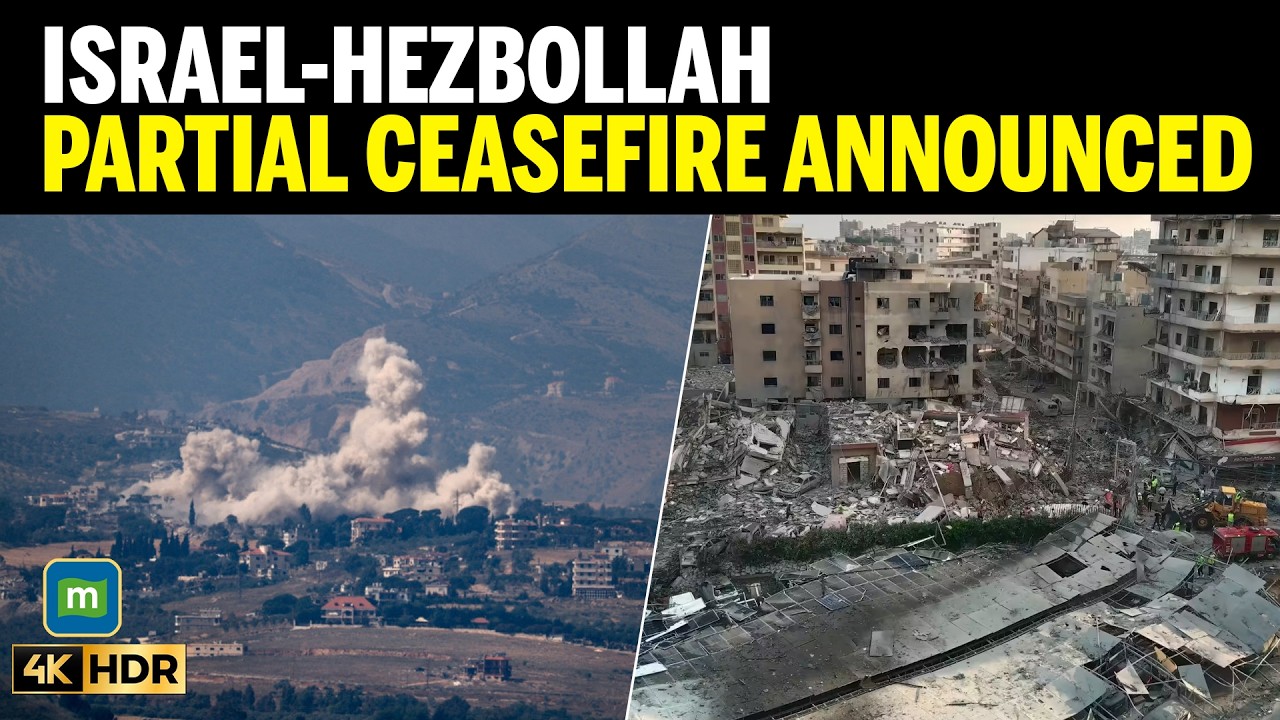
The Times of Israel reports that Iranian officials are also pushing for a broader ceasefire that explicitly includes Lebanon, where fighting between Israel and Hezbollah continues to intensify.
Washington, however, is taking a different stance. U.S. officials are focused on reopening the Strait of Hormuz to unrestricted international shipping and curbing Iran’s nuclear ambitions, while signaling they are unwilling to accept sweeping preconditions from Tehran.
Vice President JD Vance is leading the American delegation, while Iran’s team is headed by senior political and diplomatic figures, underscoring the seriousness of the negotiations.
At the same time, the situation on the ground remains volatile. Fighting in Lebanon continues to threaten any diplomatic progress, with ongoing Israeli strikes and Hezbollah involvement complicating efforts to secure a broader regional truce.
Disagreements over whether Lebanon is even covered under the current ceasefire have further muddied the waters. While some mediators have suggested it should be included, both the U.S. and Israel have cast doubt on that claim, deepening tensions with Tehran.
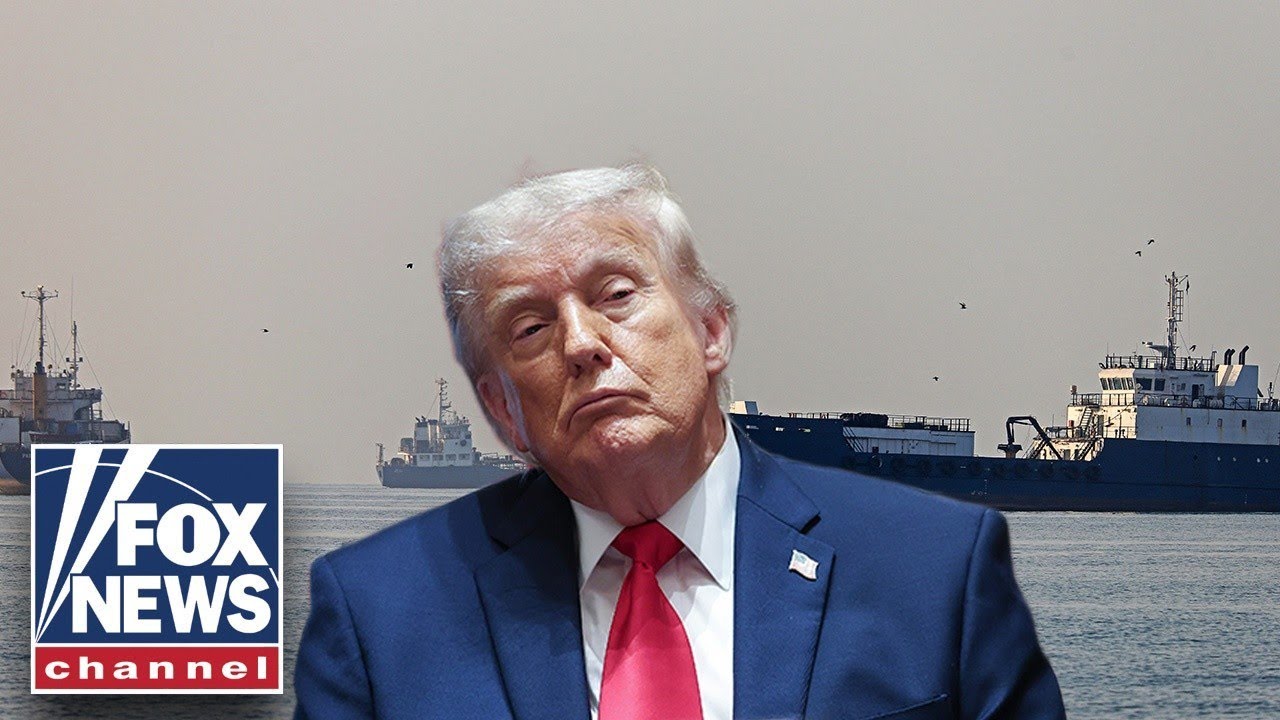
Adding another layer of friction is the status of the Strait of Hormuz itself. The U.S. has reportedly begun operations aimed at ensuring safe passage through the waterway, even as Iran continues to assert control over it — a dispute that remains one of the central sticking points in the talks.
Despite deep mistrust on both sides, the mere fact that direct negotiations are taking place is being viewed as a significant, if uncertain, step toward de-escalation. Still, with competing demands and ongoing violence in the region, any lasting agreement remains far from guaranteed.