



















|
Getting your Trinity Audio player ready...
|
The United States proposes a sweeping Iran nuclear deal requiring a 20-year enrichment halt, dismantling key facilities, and strict inspections, while Israel raises concerns over omissions.
By: Yisroel David
A far-reaching U.S. proposal aimed at curbing Iran’s nuclear ambitions has ignited intense debate across diplomatic and security circles, as details emerge of a draft agreement that would impose sweeping restrictions on Tehran’s atomic program while leaving key regional concerns unresolved.
According to a report on Thursday at World Israel News, the framework under discussion would require Iran to halt uranium enrichment for up to 20 years, transfer all enriched nuclear material out of its territory, and dismantle critical nuclear facilities. The proposal represents one of the most ambitious attempts in recent years to impose long-term limits on Iran’s nuclear capabilities.
Yet even as negotiations appear to be advancing, Israeli officials have raised serious concerns that the deal, while expansive in some respects, may fall short of addressing the full spectrum of threats posed by the Islamic Republic.
At the heart of the proposal is a strict requirement that Iran suspend uranium enrichment for a period of 20 years. This provision alone would significantly constrain Tehran’s ability to produce fissile material, effectively extending its nuclear breakout timeline far beyond current estimates.
In addition, the United States is demanding the complete removal of all enriched uranium from Iranian control. As emphasized by World Israel News, this measure is intended to eliminate Iran’s existing stockpile and reduce the immediate risk of rapid nuclear escalation.
The agreement also calls for the dismantling of key nuclear facilities, including Fordo, Natanz, and Isfahan—sites long regarded as central pillars of Iran’s nuclear infrastructure. Tehran would further be required to formally declare that it is not pursuing nuclear weapons, accept a comprehensive ban on underground nuclear activity, and submit to intrusive, on-demand inspections.
U.S. officials have framed these provisions as non-negotiable. “These are our red lines,” officials stated, underscoring the administration’s insistence on enforceable and verifiable constraints.
World Israel News has noted that the inclusion of automatic penalties for violations represents a critical evolution from earlier agreements, which critics argued lacked sufficient enforcement mechanisms. Under the proposed framework, any breach would trigger immediate consequences without the need for prolonged diplomatic deliberation.
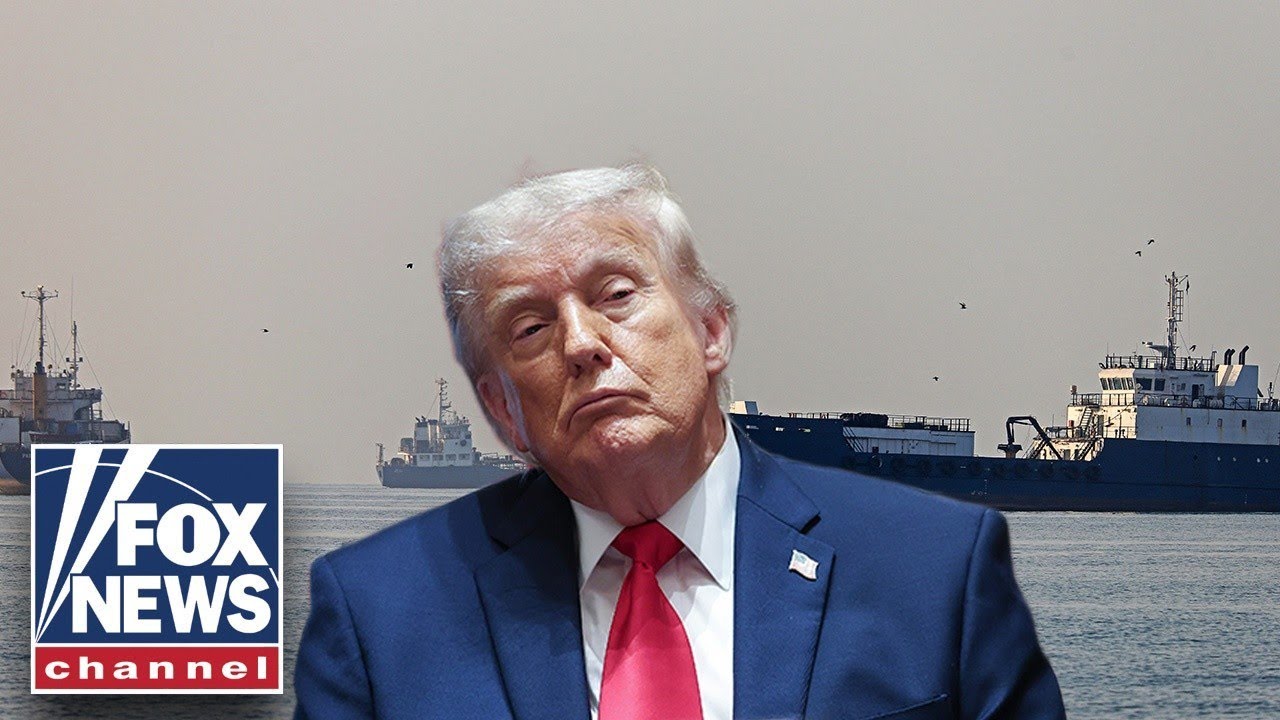
In exchange for compliance, the United States is offering a phased easing of economic and military pressure. According to World Israel News, the proposal includes a gradual reopening of the Strait of Hormuz, a strategic maritime corridor vital to global energy markets.
Under the plan, Iran would incrementally restore access to the waterway as the United States reduces its naval blockade. Full reopening would be contingent upon the successful implementation of the agreement’s final stages.
Sanctions relief would similarly be tied to Iran’s performance. Rather than granting immediate economic benefits upon signing, most relief would be conditioned on verified compliance. However, some frozen Iranian assets could be released early in the process as an initial incentive.
World Israel News emphasized that this structure reflects a deliberate effort to avoid the pitfalls of previous agreements, where front-loaded concessions were criticized for weakening Western leverage.
Despite the scope of the proposed restrictions, Israeli officials have expressed deep unease over what the deal does not include. As reported by World Israel News, the framework reportedly omits any provisions addressing Iran’s ballistic missile program or its support for proxy groups throughout the Middle East.
This omission has become a central point of contention. Israeli leaders fear that a narrowly focused nuclear agreement could allow Iran to retain and even expand other elements of its military and geopolitical influence.
Such concerns echo longstanding criticisms of earlier diplomatic efforts, which many in Israel believe failed to confront the full breadth of the Iranian threat.
World Israel News has repeatedly highlighted these apprehensions, noting that Jerusalem views Iran’s missile capabilities and regional proxy network as inseparable from its nuclear ambitions.
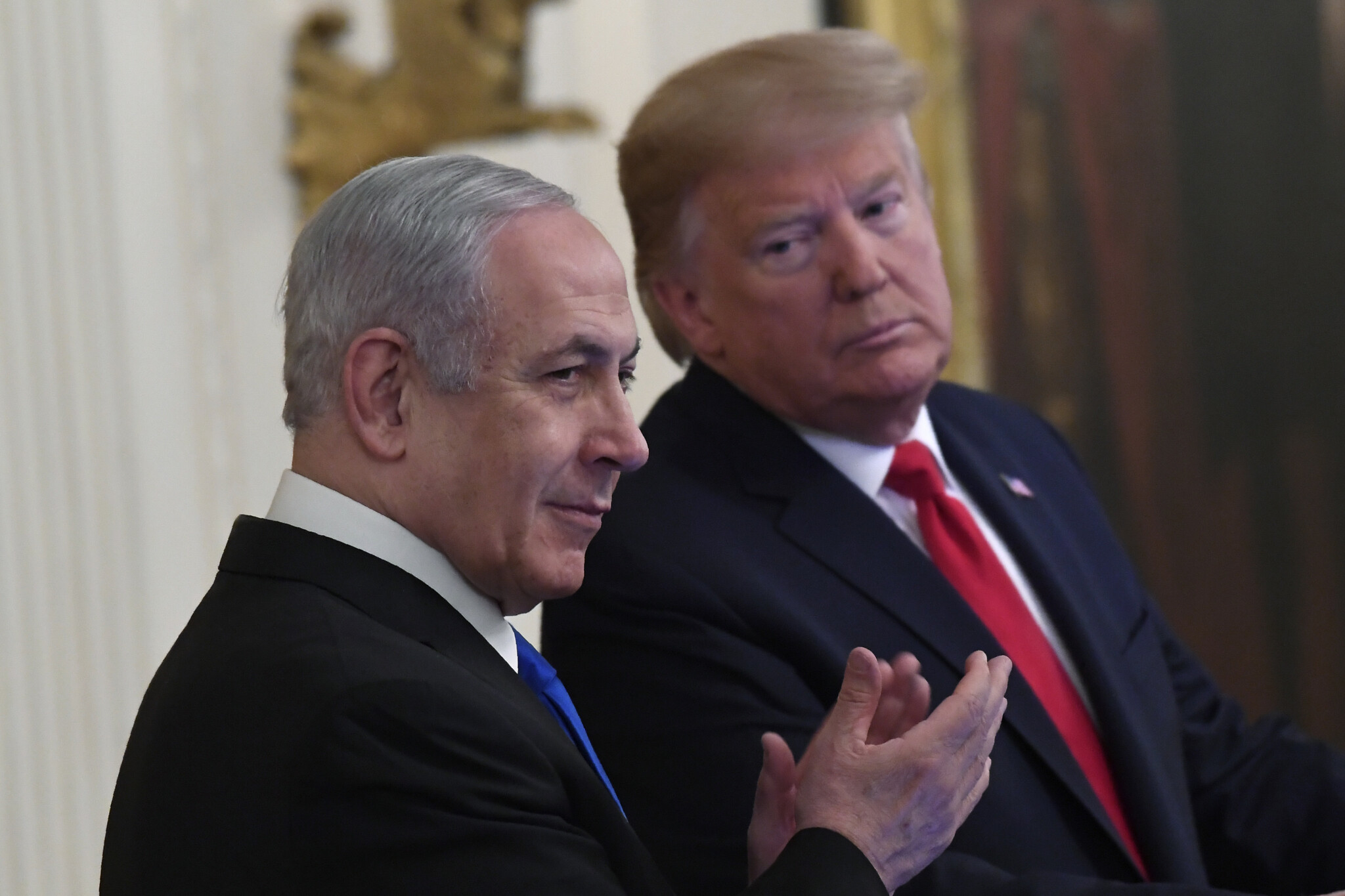
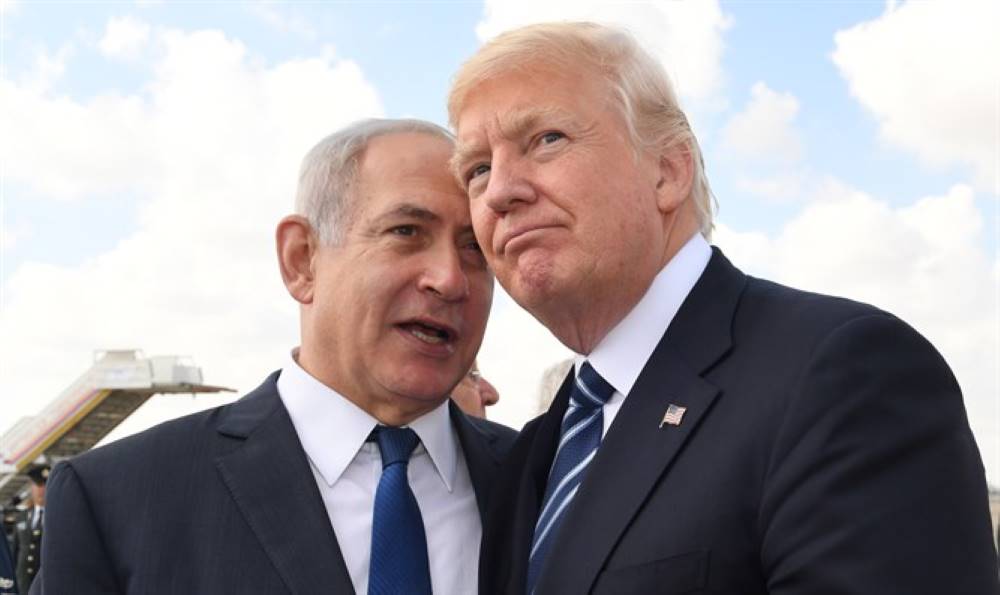
Israeli Prime Minister Benjamin Netanyahu has articulated a firm and unequivocal position regarding the negotiations. While emphasizing close coordination with Washington, Netanyahu made clear that Israel’s core demands remain unchanged.
“There is full coordination between us, there are no surprises,” Netanyahu said. “We share common goals, and the most important goal is removing the enriched material from Iran, all the enriched material, and dismantling Iran’s enrichment capabilities.”
World Israel News underscored that Israel considers these demands non-negotiable. For Jerusalem, the complete elimination of Iran’s enrichment capacity and the removal of all enriched uranium from its territory are essential conditions for any acceptable agreement.
Netanyahu also signaled that Israel is preparing for multiple scenarios, including the possibility that diplomacy may fail.
“President Trump believes he can achieve this one way or another,” Netanyahu stated. “We, however, are prepared for every scenario, and that is my directive to the Israel Defense Forces and to our security agencies as well.”
These remarks, as emphasized by World Israel News, reflect Israel’s dual-track strategy of diplomatic engagement and military readiness.
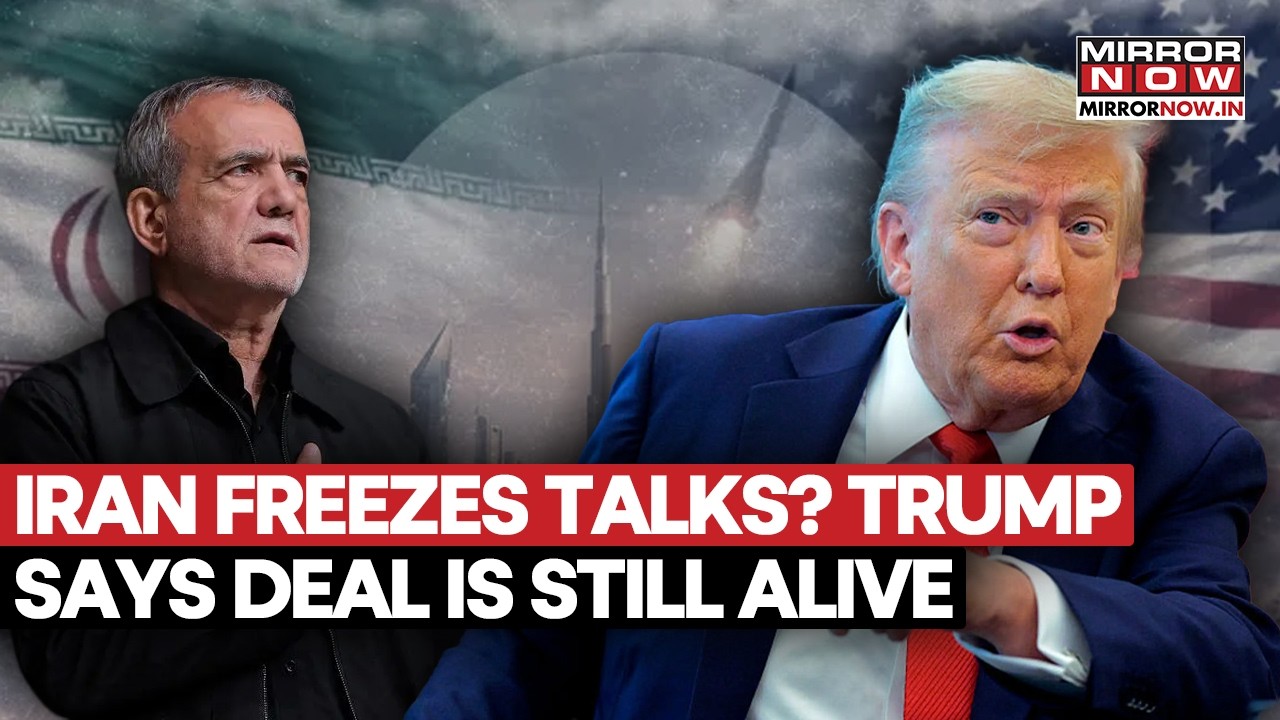
On the American side, President Donald Trump has expressed confidence that negotiations are progressing positively.
“We’re doing very well in Iran. It’s going very smoothly, and we’ll see what happens,” Trump said. “They want to make a deal, they want to negotiate.”
World Israel News reported that U.S. officials believe Iran may be motivated by economic pressures and a desire to ease sanctions. At the same time, Tehran has indicated that it is still reviewing the proposal, suggesting that internal deliberations are ongoing.
According to World Israel News, current diplomatic efforts may initially yield a limited memorandum rather than a comprehensive agreement. Such a framework would aim to stabilize the situation and provide a foundation for continued negotiations, while deferring more contentious issues to future discussions.
This incremental approach reflects the complexity of the negotiations, which must reconcile competing priorities and deep-seated mistrust among the parties involved.
World Israel News has noted that previous attempts to secure a lasting agreement have faltered over similar challenges, including verification, enforcement, and scope.
The potential impact of the proposed deal extends far beyond the nuclear issue itself. A successful agreement could reduce immediate proliferation risks and ease regional tensions, while a failure could heighten instability and increase the likelihood of confrontation.
Israel has consistently maintained that it reserves the right to act independently if it determines that Iran’s nuclear program poses an imminent threat.
World Israel News has emphasized that this underlying reality continues to shape the strategic environment, even as diplomatic efforts proceed.
The U.S. proposal represents a critical juncture in the long-running effort to address Iran’s nuclear ambitions. Its stringent requirements, combined with its notable omissions, have sparked both cautious optimism and significant concern.
As the World Israel News report noted, the outcome of these negotiations will carry profound implications for regional security, U.S.-Israel relations, and the broader international order.
The central question remains whether a deal can be achieved that not only limits Iran’s nuclear capabilities but also addresses the wider strategic challenges posed by the Islamic Republic.
For now, the negotiations remain fluid, the stakes exceptionally high, and the path forward uncertain.



