





















|
Getting your Trinity Audio player ready...
|
U.S. and Iranian forces exchange fire near the Strait of Hormuz as officials dispute events, Trump calls strikes a “love tap,” and nuclear talks continue amid rising tensions
By: Fern Sidman
A volatile confrontation between United States and Iranian forces in the Strait of Hormuz has heightened global concern over maritime security and regional stability, even as both sides insist that a broader war has not resumed and that a ceasefire remains technically in place.
According to senior U.S. officials who spoke to Fox News, American forces carried out targeted strikes on Iranian positions along the country’s southern coastline, including Qeshm Port and Bandar Abbas—critical logistical and naval hubs. A subsequent strike was also reported against the Bandar Kargan naval checkpoint in Minab, signaling a coordinated and geographically dispersed military response.
Despite the scale of the operation, U.S. officials stressed that the strikes were limited in scope and not indicative of a renewed full-scale conflict. That assertion, however, has been sharply contested by Iranian sources, which offered a markedly different account of the events.
Iranian state-aligned media moved quickly to frame the confrontation as an offensive success. The Tasnim News Agency reported that Iranian naval forces launched missile and drone strikes against three U.S. Navy destroyers operating near the Strait of Hormuz.
“The destroyers of the terrorist U.S. force are fleeing towards the Sea of Oman,” the outlet claimed. “The attack on the hostile American destroyers was carried out by missiles and suicide drones.”
The narrative was reinforced by an official statement from the Khatam al-Anbiya Headquarters, a senior Iranian military command authority, which accused the United States of violating the ceasefire.
“We will respond to any attack with force and without any hesitation,” the statement read, underscoring Tehran’s readiness to escalate if necessary.
These competing narratives—one emphasizing defensive retaliation, the other portraying aggressive engagement—highlight the persistent opacity surrounding military incidents in the Persian Gulf.
The U.S. military’s version of events, as outlined by United States Central Command, paints a picture of defensive action taken under direct threat.
“U.S. forces intercepted unprovoked Iranian attacks and responded with self-defense strikes as U.S. Navy guided-missile destroyers transited the Strait of Hormuz to the Gulf of Oman, May 7,” CENTCOM stated.
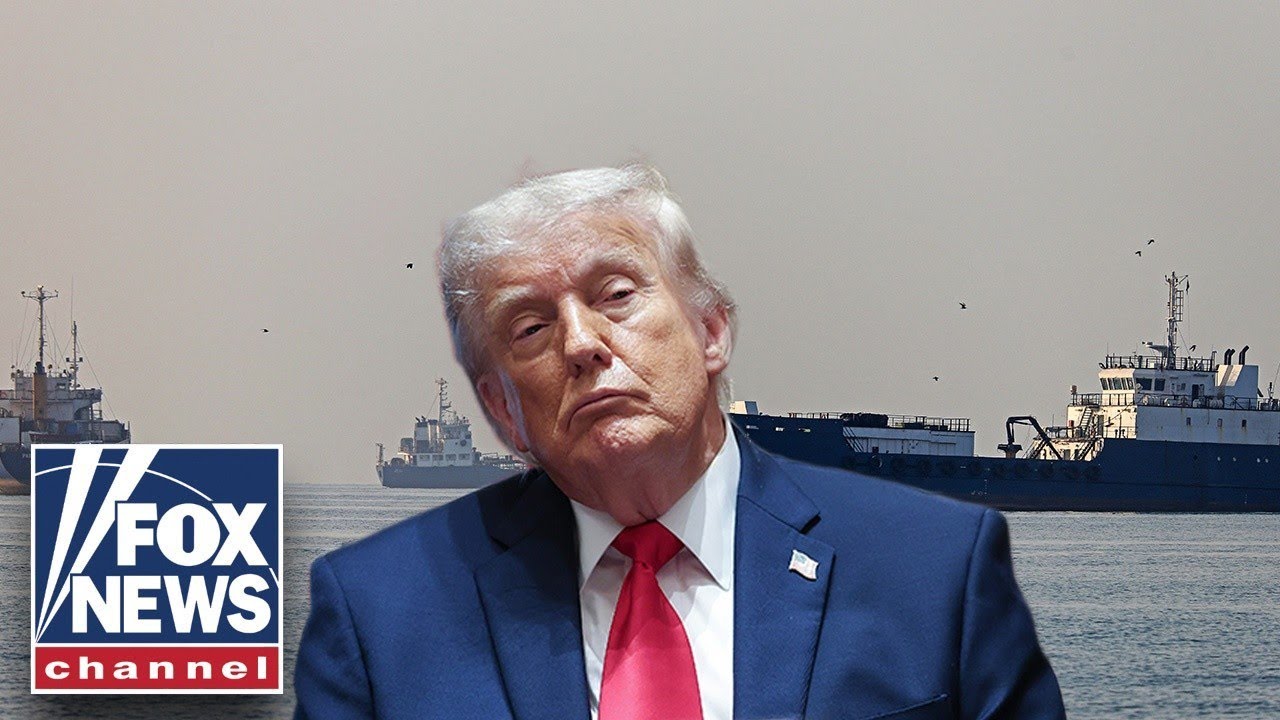
The vessels involved—USS Truxtun (DDG 103), USS Rafael Peralta (DDG 115), and USS Mason (DDG 87)—were navigating an internationally recognized maritime corridor when Iranian forces allegedly launched missiles, drones, and small attack boats.
“Iranian forces launched multiple missiles, drones and small boats… No U.S. assets were struck,” the statement emphasized.
CENTCOM further reported that American forces neutralized incoming threats and conducted precision strikes against Iranian military infrastructure, including missile launch sites, drone facilities, command centers, and intelligence nodes.
“These actions targeted missile and drone launch sites; command and control locations; and intelligence, surveillance and reconnaissance nodes,” the command noted, while reiterating that the United States “does not seek escalation.”
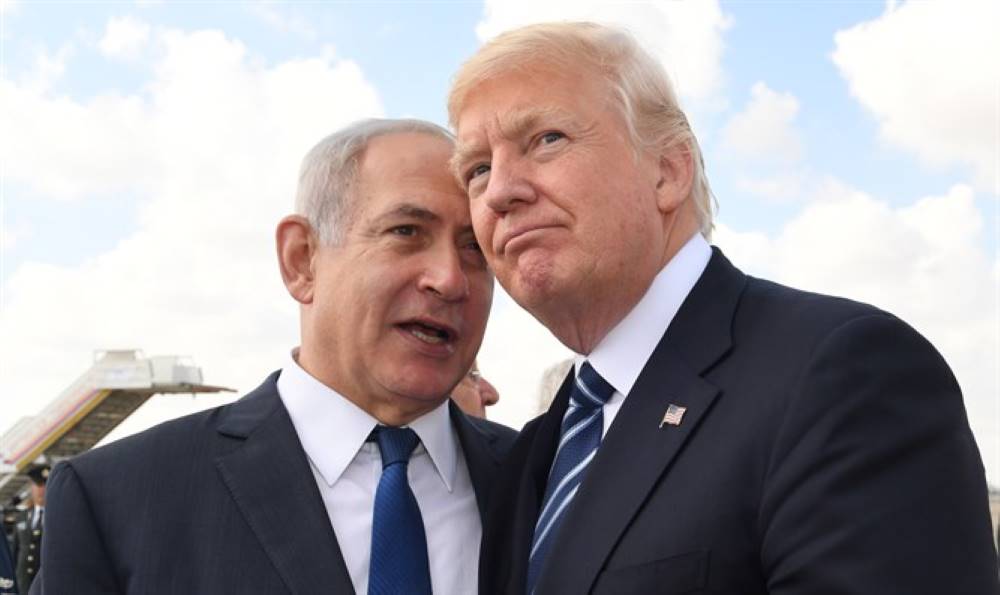
President Trump offered a dual-track message—downplaying the severity of the incident while issuing a clear warning to Tehran.
Speaking to ABC News, Trump described the strikes as a limited response. “It’s a love tap,” he said, adding, “No, no, the ceasefire is going. It’s in effect.”
However, in a detailed post on his Truth Social platform, the President adopted a far more forceful tone. “Three World Class American Destroyers just transited, very successfully, out of the Strait of Hormuz, under fire,” Trump wrote. “There was no damage done to the three Destroyers, but great damage done to the Iranian attackers.”
He continued, “They were completely destroyed along with numerous small boats… Missiles were shot at our Destroyers, and were easily knocked down. Likewise, drones came, and were incinerated while in the air.”
Trump also issued a stark warning regarding Iran’s leadership and future actions. “A normal Country would have allowed these Destroyers to pass, but Iran is not a normal Country. They are led by LUNATICS,” he wrote, adding that failure to reach a nuclear agreement could result in significantly intensified military action.
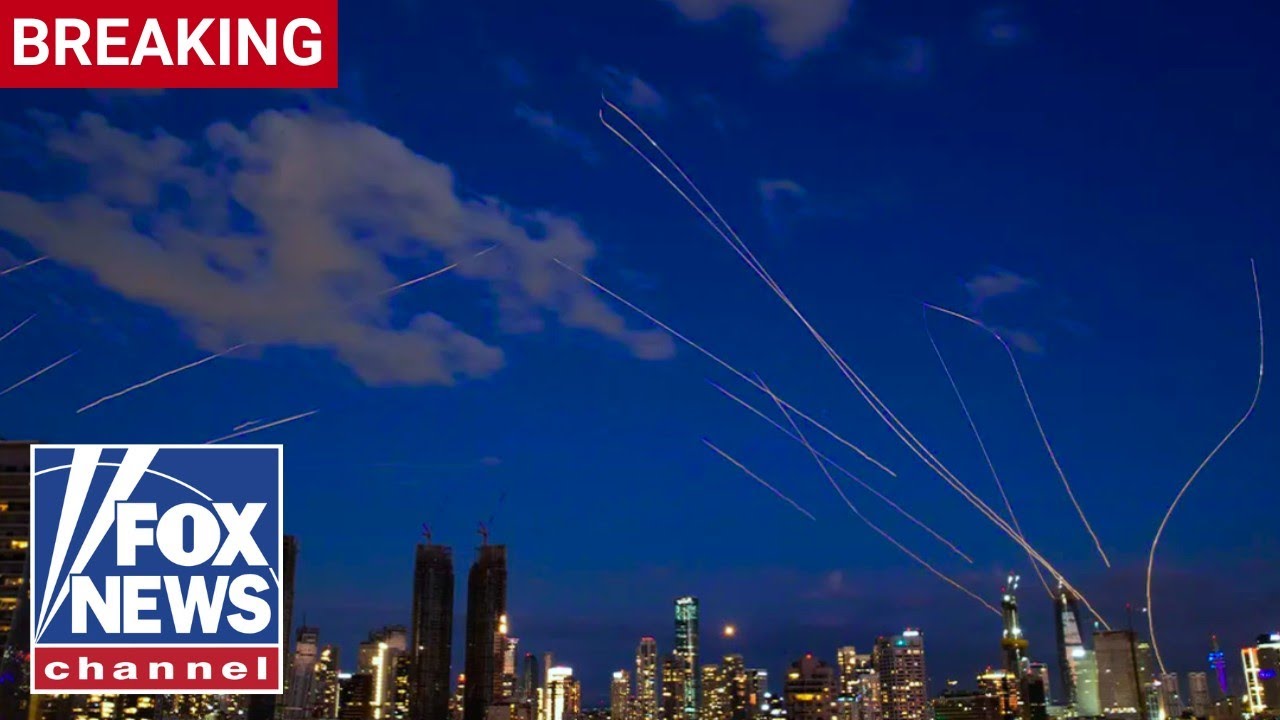
The confrontation coincided with a wave of reported explosions and defensive activity across the region, further complicating the operational picture.
The Mehr News Agency reported that Iranian air defense systems were activated in western Tehran, suggesting elevated threat perceptions within the capital.
Meanwhile, the Fars News Agency initially reported explosions near Bandar Abbas and Qeshm Island, later describing “exchanges of fire” between Iranian forces and unspecified adversaries.
One report indicated that Bahman Pier on Qeshm Island had been struck, while another attributed the activity to “hostile activity” by the United Arab Emirates—a claim that adds another layer of ambiguity to an already complex situation.
Separately, explosions were reported in Abu Dhabi shortly before midnight, raising concerns about the potential expansion of hostilities beyond the immediate U.S.-Iran axis.
Despite the exchange of fire, both Washington and Tehran appear to be maintaining a diplomatic channel, albeit under considerable strain.
“We’re negotiating with the Iranians,” Trump told reporters. “We took our three destroyers and we rammed them through some pretty big stuff today, and we knocked the hell out of them.”
He reiterated that U.S. forces sustained no damage. “The destroyers weren’t hurt in any way. The people weren’t hurt, but they were firing at us, and we were firing back at them.”
Trump also emphasized American military superiority. “Our firepower was a hell of a lot stronger than theirs,” he said.
At the same time, the President outlined the broader objective of the negotiations, which centers on preventing Iran from acquiring nuclear weapons. “It’s more than a one-page offer,” Trump said. “It’s an offer that basically said they will not have nuclear weapons, they are going to hand us the nuclear dust and many other things that we want.”
Yet he expressed skepticism about Iran’s reliability. “They have agreed… When they agree it doesn’t mean much because the next day they forgot they agreed.”
The Strait of Hormuz remains one of the most critical chokepoints in the global energy supply chain, with a substantial percentage of the world’s oil shipments passing through its narrow waters. Any disruption to traffic in the strait carries immediate implications for global markets and geopolitical stability.
The confrontation also intersects with the administration’s broader maritime policy. Earlier in the week, Trump suspended “Project Freedom,” an initiative designed to escort foreign vessels through the strait, reportedly at the request of Pakistan to allow negotiations to proceed.
However, the President signaled that the initiative could be revived if talks collapse. “If they don’t agree, the bombing starts,” Trump warned, referencing the possibility of renewed large-scale military action.
The events of May 7 illustrate the precarious balance between deterrence and diplomacy that currently defines U.S.-Iran relations. While both sides have avoided crossing the threshold into full-scale war, the frequency and intensity of confrontations suggest that the margin for error is narrowing.
For Washington, the objective remains clear: contain Iranian aggression while maintaining military dominance and advancing nuclear negotiations. For Tehran, the calculus appears equally firm—resist perceived encroachments while preserving strategic leverage.
Between these competing imperatives lies a fragile equilibrium, one that could shift rapidly with any miscalculation.
As the situation continues to evolve, the world’s attention remains fixed on the Strait of Hormuz—a narrow waterway that has once again become the epicenter of global tension.



