










|
Getting your Trinity Audio player ready...
|
By: Abe Wertenheim
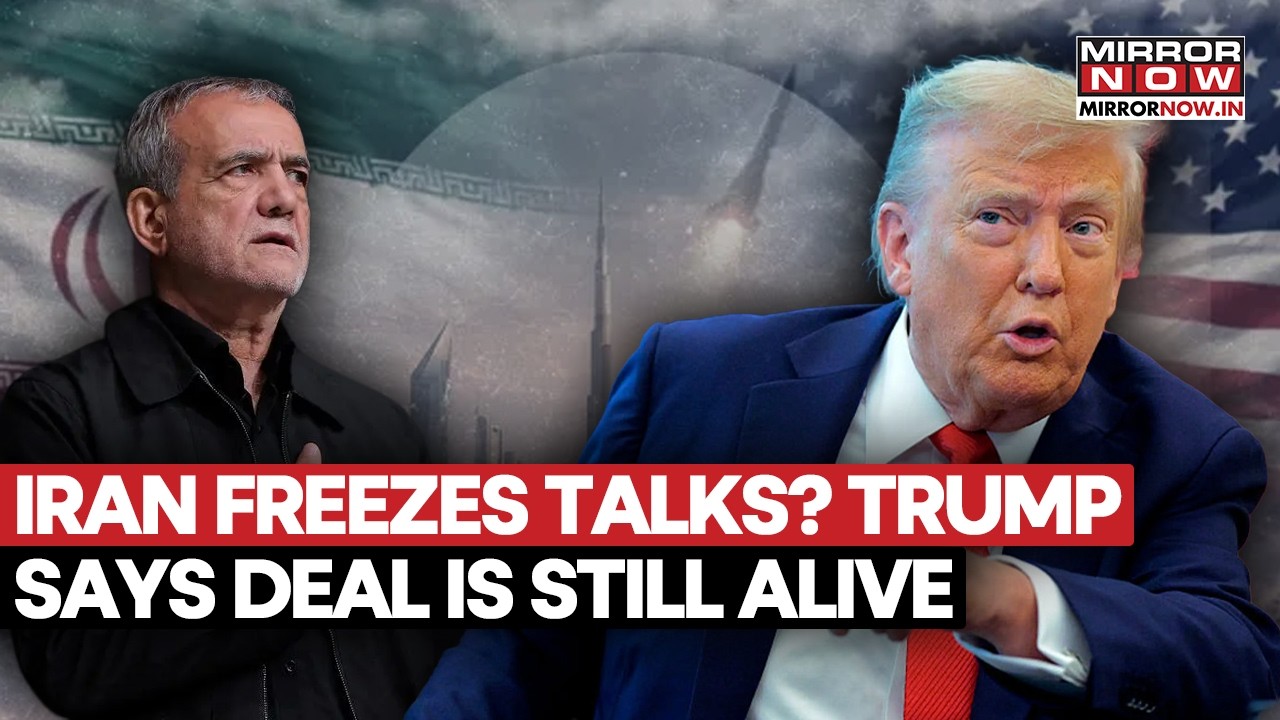
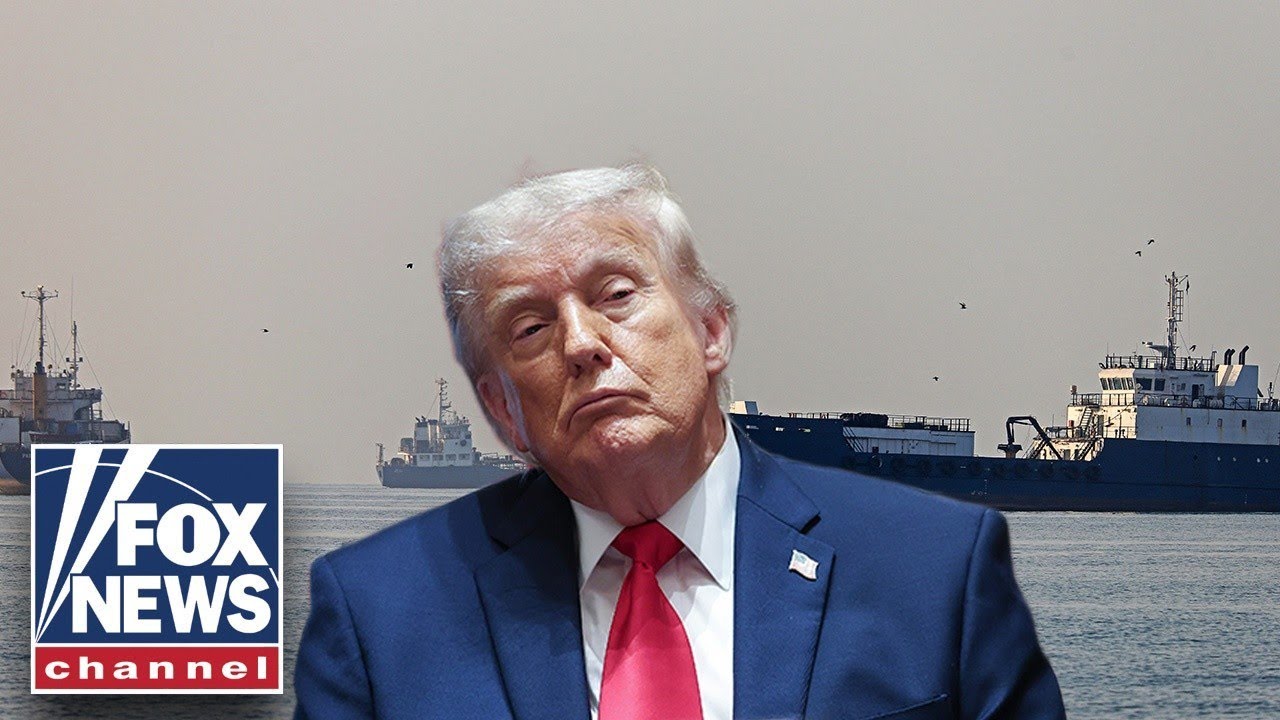
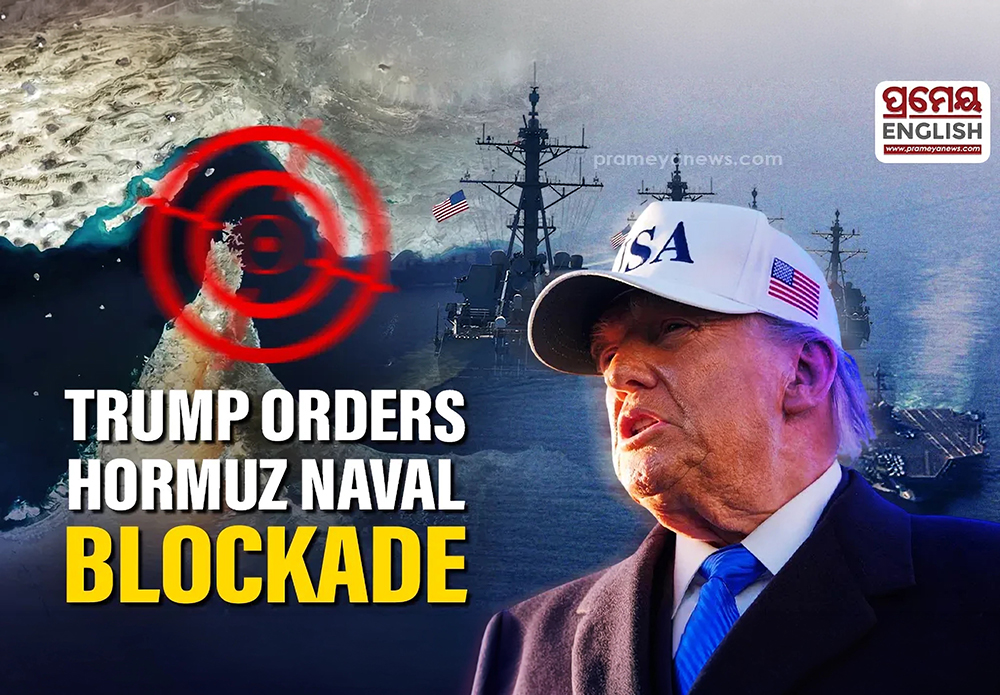
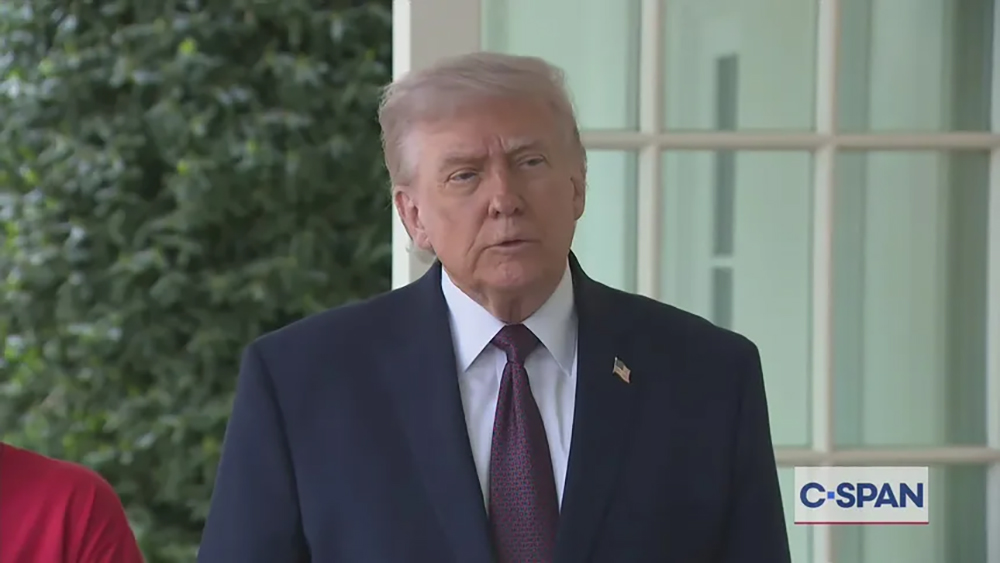
In a dramatic and consequential escalation of an already volatile geopolitical confrontation, President Donald Trump announced that the United States has formally initiated a naval blockade in the Strait of Hormuz—one of the most strategically vital maritime corridors in the world. The move, confirmed Monday in remarks to reporters outside the Oval Office and reported by ABC News, marks a decisive pivot from diplomacy to coercive maritime pressure following the collapse of high-stakes negotiations with Iran over the weekend.
The blockade represents not merely a tactical maneuver but a profound recalibration of American strategy in a conflict that has now entered its seventh week. It is a development laden with far-reaching implications for global energy markets, international alliances, and the precarious balance of power in the Middle East. At its core lies a fundamental question: whether the United States can compel Iran to abandon its nuclear ambitions without precipitating a wider and potentially catastrophic conflict.
The Strait of Hormuz, a narrow maritime passage connecting the Persian Gulf to the Gulf of Oman, serves as a lifeline for global commerce. Approximately one-fifth of the world’s oil and gas supply traverses this chokepoint, rendering it indispensable to the stability of international energy markets. Any disruption—whether through blockade, military confrontation, or political brinkmanship—reverberates far beyond the immediate region, sending shockwaves through economies worldwide.
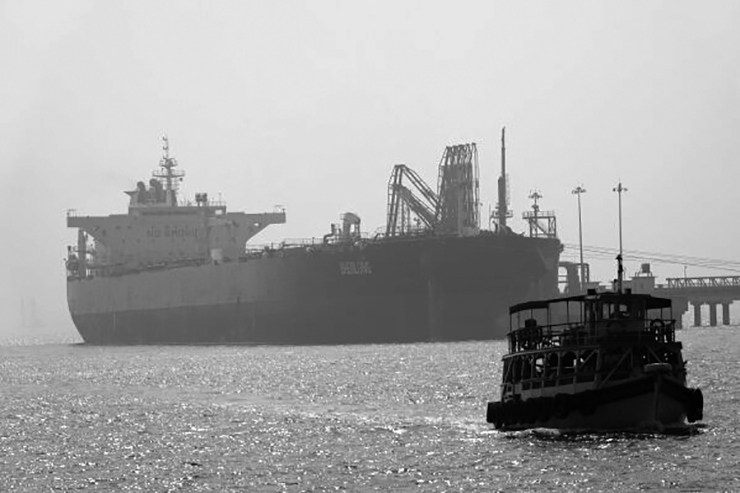
President Trump’s decision to impose a naval blockade thus constitutes a move of extraordinary consequence. As ABC News has detailed, the operation is designed to target Iranian ports and coastal activity, while ostensibly preserving freedom of navigation for vessels not engaged with Iranian trade. This distinction, articulated by U.S. Central Command, underscores the administration’s attempt to balance assertive enforcement with adherence to international maritime norms.
Yet the practical implementation of such a policy remains fraught with complexity. The line between interdiction and escalation is perilously thin, and the presence of heavily armed naval forces in a confined and contested waterway raises the specter of miscalculation.
President Trump has framed the blockade in stark and unequivocal terms. “We can’t let a country blackmail or extort the world,” he declared, according to ABC News coverage. “They’re really blackmailing the world. We’re not going to let that happen.”
This rhetoric reflects a broader strategic doctrine centered on maximum pressure—a willingness to deploy economic, military, and diplomatic tools in concert to compel adversaries to capitulate. In the case of Iran, the administration’s objectives are multifaceted: to force Tehran back to the negotiating table, to ensure the reopening of the strait, and ultimately to dismantle the country’s capacity to develop nuclear weapons.
When pressed on the intended outcomes of the blockade, Trump responded with characteristic brevity: “Maybe everything… both of those things, certainly, and more.” The ambiguity of this statement encapsulates the expansive scope of the administration’s ambitions, even as it leaves unanswered critical questions about the endgame.
The president’s warnings to Iran have been nothing short of severe. In a series of public statements cited by ABC News, Trump declared that any Iranian vessels approaching the blockade would be “ELIMINATED,” emphasizing the United States’ readiness to employ overwhelming force.
He further asserted that Iran’s naval capabilities had already been “obliterated” by prior American strikes, though he cautioned that smaller vessels could still pose a threat. The response, he suggested, would be swift and uncompromising, likening it to anti-narcotics operations at sea that are “quick and brutal.”
Such language is emblematic of a strategy rooted in deterrence through dominance. By signaling an unambiguous willingness to escalate, the administration seeks to dissuade Iranian provocations while reinforcing its own credibility. Yet this approach carries inherent risks, particularly in a region where asymmetrical tactics and proxy engagements have long been the norm.
Tehran, for its part, has responded with defiance. Iranian officials have warned that any threat to the security of their ports would be met with consequences, declaring that “no port in the Persian Gulf and the Sea of Oman will be safe.” This rhetoric suggests a readiness to expand the theater of conflict, potentially targeting commercial shipping or allied assets.
The interplay of threats and counterthreats underscores the precarious nature of the current moment. While both sides profess a desire to avoid full-scale war, the accumulation of military posturing increases the likelihood of unintended escalation.
Complicating matters further is the lack of consensus among the United States’ traditional allies. As ABC News has reported, key European leaders have distanced themselves from the blockade, raising concerns about its legality and potential consequences.
British Prime Minister Keir Starmer explicitly stated that the United Kingdom would not support the operation, while French President Emmanuel Macron announced plans for a “peaceful multinational mission” aimed at preserving freedom of navigation. These divergent approaches highlight a growing fissure within the Western alliance, as nations grapple with competing priorities and risk assessments.
President Trump, however, has downplayed the significance of allied participation. “We don’t need other countries, frankly,” he asserted, while acknowledging that some had offered assistance. This stance reflects a broader emphasis on unilateral action, even as it raises questions about the sustainability of such an approach in a complex and interconnected global system.
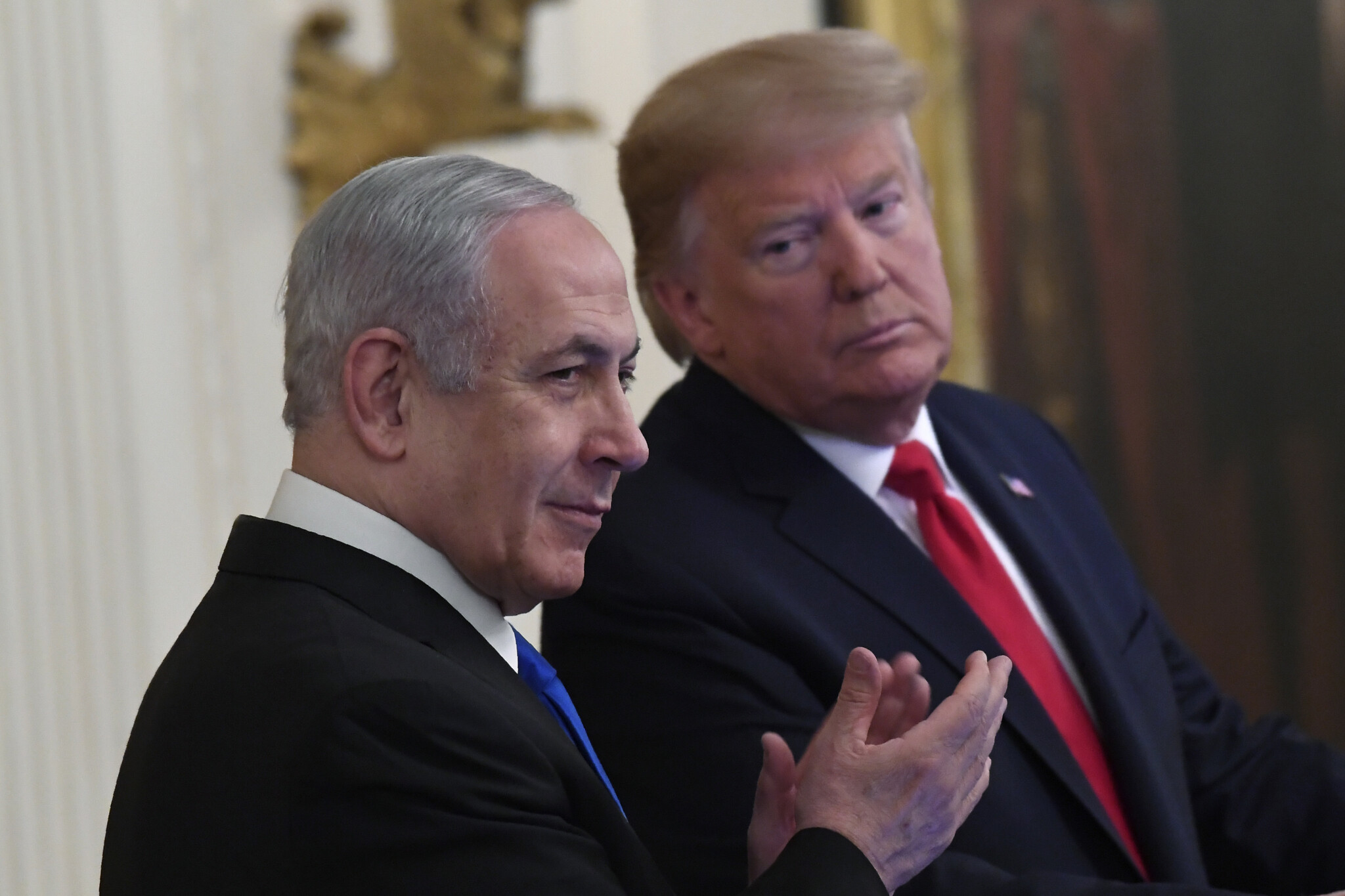
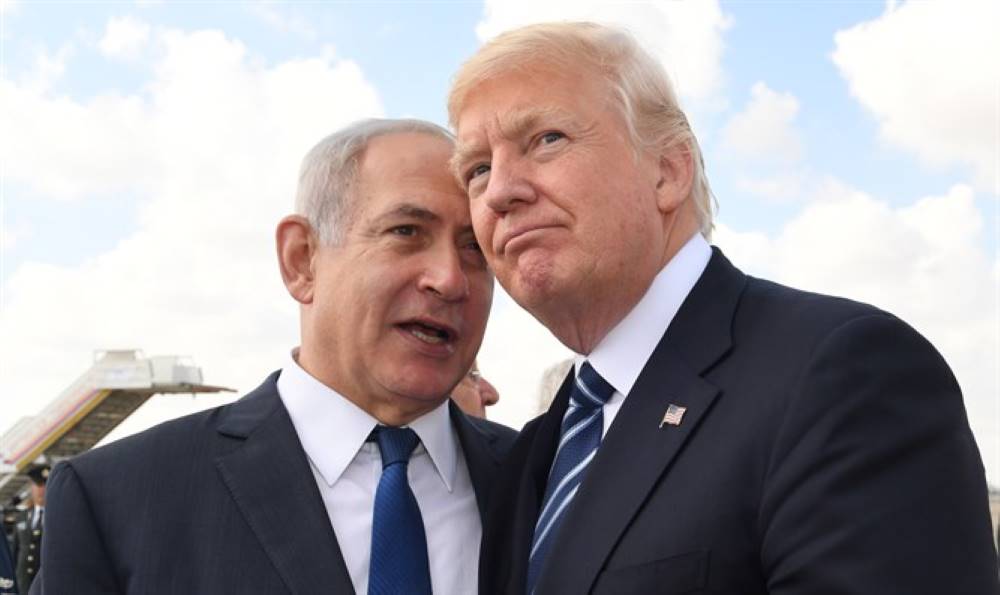
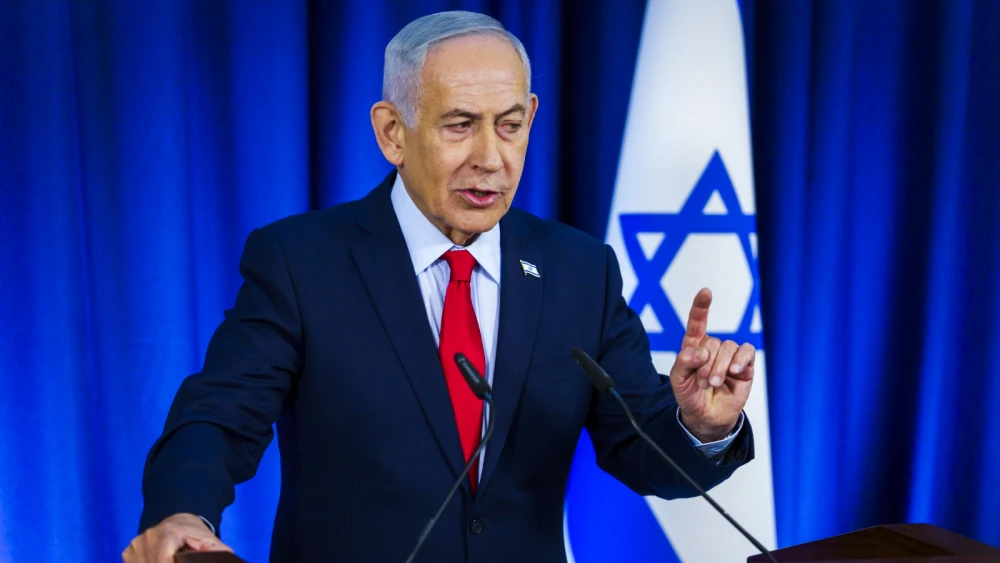
Israeli Prime Minister Benjamin Netanyahu said that Israel supports Trump’s decision to impose a naval blockade on Iran, adding that his government is in full coordination with Washington on the matter.
“Iran violated the rules (of the peace talks in Pakistan), President Trump decided to impose a naval blockade,” Netanyahu said at a Cabinet meeting, according to a video statement released by his office. “We, of course, support this firm position, and we are in constant coordination with the US.”
The economic impact of the blockade has been immediate and profound. Oil prices have surged to unprecedented levels, with a barrel of crude reportedly reaching $148—a development that has intensified inflationary pressures and contributed to a broader global slowdown.
As ABC News has noted, the conflict has already driven up the cost of a wide array of commodities, including gas, fertilizer, and helium. In the United States, consumers are experiencing the effects firsthand, with average gasoline prices exceeding four dollars per gallon.
These dynamics pose a significant political challenge for the administration. President Trump has acknowledged that energy prices may remain elevated through the midterm elections, conceding in a Fox News interview that they could even rise further. Such admissions underscore the domestic ramifications of a strategy that, while geopolitically assertive, carries tangible costs for American households.
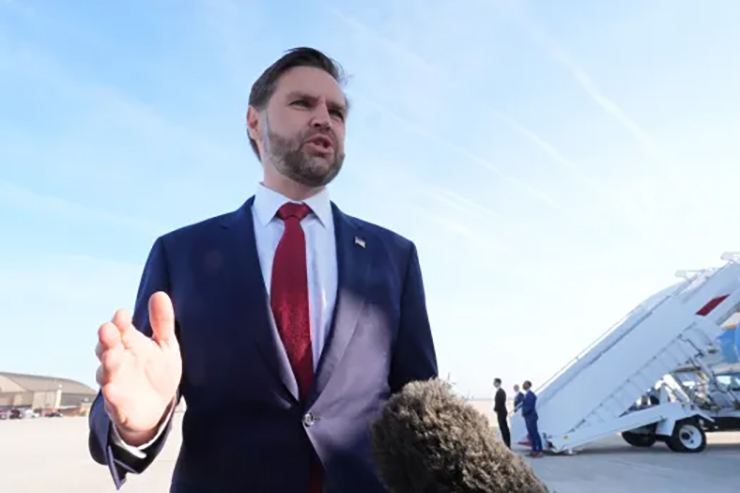
The blockade follows the failure of marathon negotiations in Islamabad, where American and Iranian delegations were unable to bridge critical differences. Vice President JD Vance, who led the U.S. team, emphasized that the primary sticking point was Iran’s refusal to provide a firm commitment to forgo nuclear weapons.
President Trump has reiterated this position with unwavering clarity: “Iran will not have a nuclear weapon,” he declared. “If they don’t agree, there’s no deal. There’ll never be a deal.”
Vance said on Monday that, “in order for Iran to be a normal country economically, it’s going to have to be a normal country from the perspective of not pursuing a nuclear weapons… for not pursuing terrorism.” He added, “There really is a grand deal to be have here but it’s up to the Iranians I think to take the next step.”
This uncompromising stance reflects a broader consensus within the administration that the risks of a nuclear-armed Iran are unacceptable. Yet it also narrows the scope for compromise, raising the stakes of the current confrontation.
Despite the breakdown in talks, there are indications that diplomatic channels remain open. Trump revealed that “the right people” in Iran had reached out, expressing a willingness to resume negotiations. This suggests that, even amid escalating tensions, both sides recognize the potential benefits of a negotiated resolution.
The challenge, however, lies in reconciling fundamentally divergent objectives. For the United States, the priority is the elimination of Iran’s nuclear capabilities. For Tehran, the preservation of its sovereignty and strategic autonomy remains paramount.
As the blockade takes effect, the world finds itself at a precarious juncture. The convergence of military escalation, economic disruption, and diplomatic uncertainty has created a volatile environment in which the margin for error is exceedingly narrow.
The Strait of Hormuz, long a symbol of global interdependence, has now become a focal point of confrontation—a stage upon which the competing ambitions of nations are played out with profound consequences.
The initiation of a U.S. naval blockade in the Strait of Hormuz marks a defining moment in the ongoing conflict with Iran. It is a move that encapsulates the complexities of modern geopolitics, where economic imperatives, security concerns, and ideological differences intersect in unpredictable ways.
As ABC News has chronicled, the ramifications of this decision extend far beyond the immediate theater of operations. They encompass the stability of global markets, the cohesion of international alliances, and the prospects for peace in a region long beset by conflict.
Trump’s War of Words with Pope Leo
In an increasingly fraught international climate defined by moral ambiguity and geopolitical hesitation, President Trump has once again demonstrated a willingness to confront one of the gravest threats to global stability: the Islamic Republic of Iran. As reported on Monday by The New York Times, the latest diplomatic firestorm erupted following sharp criticism directed at Pope Leo XIV, igniting a broader debate that now extends well beyond the confines of rhetoric and into the fundamental question of how the world should respond to a regime that has repeatedly declared its hostility toward both the United States and Israel.
Italian Prime Minister Giorgia Meloni swiftly condemned President Trump’s remarks as “unacceptable,” underscoring the growing unease among certain global leaders regarding the tenor of the discourse. Yet beneath the surface of these rebukes lies a far more consequential divergence—one not of tone, but of substance. For while critics focus on the language employed, the Trump administration remains singularly focused on the existential stakes posed by Iran’s nuclear ambitions and its well-documented history of regional destabilization.
President Trump, speaking candidly outside the Oval Office, made clear that he would not retract his statements regarding Pope Leo XIV. “There’s nothing to apologize for,” he asserted, reiterating his belief that the pontiff’s views on foreign policy—and particularly on the ongoing war with Iran—are fundamentally misguided.
This refusal to yield under pressure is emblematic of a broader philosophy that has defined Trump’s approach to governance: a conviction that clarity and strength must prevail over diplomatic equivocation. While critics have characterized his rhetoric as abrasive, supporters argue that it reflects a necessary candor in an era when the stakes are measured not merely in political capital, but in global security.
Pope Leo XIV, the first American-born leader of the Catholic Church, has emerged as one of the most vocal international critics of the conflict. In remarks delivered during a flight to Algeria, he emphasized his willingness to speak out against what he described as the “absurd and inhuman violence” of war, asserting that he harbors no fear of the Trump administration.
Yet, as The New York Times has detailed, the pontiff’s criticisms extend beyond general appeals for peace. They encompass a broader critique of the strategic and moral underpinnings of the campaign against Iran—one that, in the view of the Trump administration, risks obscuring the fundamental nature of the adversary.
For Iran is not merely another state engaged in geopolitical competition. It is a regime that has, on numerous occasions, articulated its intent to eradicate both the United States and Israel. Its pursuit of nuclear capabilities, coupled with its support for terrorist proxy forces across the Middle East, represents a convergence of ideological extremism and strategic ambition that cannot be dismissed as rhetorical posturing.
The war against Iran, as framed by President Trump and his advisers, is not an elective conflict but a strategic necessity. It is a preemptive effort to neutralize a threat that has been decades in the making—a threat that, if left unchecked, could fundamentally reshape the international order.
This perspective stands in stark contrast to the more conciliatory approach advocated by figures such as Pope Leo XIV. While the pontiff’s emphasis on peace is rooted in a venerable moral tradition, critics argue that it fails to account for the realities of dealing with a regime that has consistently demonstrated hostility toward negotiation and compromise.
Prime Minister Giorgia Meloni’s response to the controversy highlights the complex interplay of alliances and domestic considerations that characterize modern diplomacy. A leader who has cultivated close ties with President Trump, Meloni now finds herself navigating the political sensitivities of aligning with an administration engaged in a controversial military campaign.
Her criticism of Trump’s remarks, while pointed, stops short of challenging the underlying rationale for confronting Iran. This nuanced position reflects the broader dilemma faced by many Western leaders: how to reconcile support for collective security with the political risks associated with endorsing military action.