























|
Getting your Trinity Audio player ready...
|
By: Fern Sidman
A newly surfaced intelligence report has intensified concerns over the evolving operational capabilities of Hamas, alleging that the terrorist organization has been conducting weapons and drone training on Turkish soil in recent months—a development that could significantly reshape the security landscape across multiple fronts in the Middle East.
According to findings reported on Thursday by Kan 11 News, Hamas terrorists have been utilizing civilian cover identities to participate in firearms training at public shooting ranges throughout Turkey. The report further indicates that these individuals have received formal instruction in drone operation, including certification through Turkish-issued licensing programs—an advancement that potentially elevates their tactical proficiency well beyond traditional insurgent capabilities.
The Kan 11 News report emphasized that this activity represents not merely isolated incidents but a structured and ongoing effort to enhance Hamas’s operational readiness. The implications, analysts suggest, extend far beyond Gaza, pointing instead to a coordinated strategy aimed at expanding the organization’s reach across several strategic theaters.
The Kan 11 News investigation revealed that Hamas terrorists have been integrating into civilian environments in Turkey, enabling them to train discreetly while avoiding immediate detection. By utilizing public shooting ranges, operatives are reportedly gaining proficiency in small arms usage in a manner that blends seamlessly with ordinary civilian activity.
This approach, according to Kan 11 News, allows Hamas to circumvent traditional monitoring mechanisms while still accessing legitimate training infrastructure. The use of civilian cover also complicates intelligence efforts, as distinguishing between ordinary participants and covert operatives becomes increasingly difficult.
More concerning, however, is the reported expansion into drone training. The Kan 11 News report noted that Hamas terrorists have undergone formal instruction and have received drone pilot licenses issued by Turkish authorities. Such credentials, typically associated with commercial or recreational drone use, could be repurposed for military applications.
The incorporation of drone technology into Hamas’s operational repertoire represents a significant evolution in its capabilities. Drones have become a central feature of modern asymmetric warfare, offering surveillance, targeting, and strike capabilities at relatively low cost.
The Kan 11 News report underscored that the acquisition of licensed drone operation skills suggests a level of institutional support or at least regulatory permissiveness that has raised alarm among Israeli officials and security analysts.
“The expansion of drone training widens the circle of operatives capable of executing complex missions,” the report stated, highlighting the potential for these individuals to conduct reconnaissance, coordinate attacks, or deploy explosive payloads.
The strategic ramifications of this development are substantial. Unlike conventional weapons, drones can be deployed with precision and flexibility, allowing non-state actors to challenge more technologically advanced adversaries.
Perhaps most troubling, according to the Kan 11 News report, is the intended deployment of these trained operatives. Upon completing their training in Turkey, Hamas reportedly plans to dispatch them to several key regions, including Lebanon, Jordan, and Judea and Samaria.
These areas are widely regarded as potential flashpoints for future conflict involving Israel. The introduction of operatives equipped with enhanced weapons training and drone capabilities could significantly alter the tactical dynamics in these theaters.
Kan 11 News reported that these deployments are part of a broader effort by Hamas to diversify its operational footprint and reduce its reliance on Gaza as its primary base of activity.
The report has also reignited scrutiny of Turkey’s longstanding relationship with Hamas. Under the leadership of Recep Tayyip Erdogan, Ankara has maintained close ties with the organization, a fact that has been openly acknowledged by Turkish officials.
The Kan 11 News report highlighted that Turkey’s intelligence chief has hosted Hamas delegations on multiple occasions, signaling a level of engagement that extends beyond mere political sympathy.
Erdogan himself has been an outspoken critic of Israel’s military operations in Gaza and has repeatedly expressed support for Palestinian causes, including Hamas.
In April 2024, Erdogan met with Ismail Haniyeh in Istanbul. During that meeting, Erdogan emphasized the importance of unity among Palestinian factions.
“Palestinian unity is vital,” Erdogan stated at the time. “The strongest response to Israel and the path to victory lie in unity and integrity.”
Haniyeh was later eliminated in an Israeli operation, further intensifying tensions between Israel and Hamas.
Weeks after the Istanbul meeting, Erdogan made additional remarks that drew widespread criticism. He publicly stated that more than 1,000 Hamas members were receiving medical treatment in Turkish hospitals.
The Kan 11 News report cited this statement as evidence of Turkey’s willingness to provide material support to Hamas, a designation that has placed Ankara at odds with several Western allies.
Erdogan also challenged the characterization of Hamas as a terrorist organization, criticizing comments made by Kyriakos Mitsotakis. This stance has further complicated Turkey’s diplomatic relationships within NATO and the broader international community.
The revelations reported by Kan 11 News come at a time when discussions are underway regarding the future governance and stabilization of Gaza following the ongoing conflict.
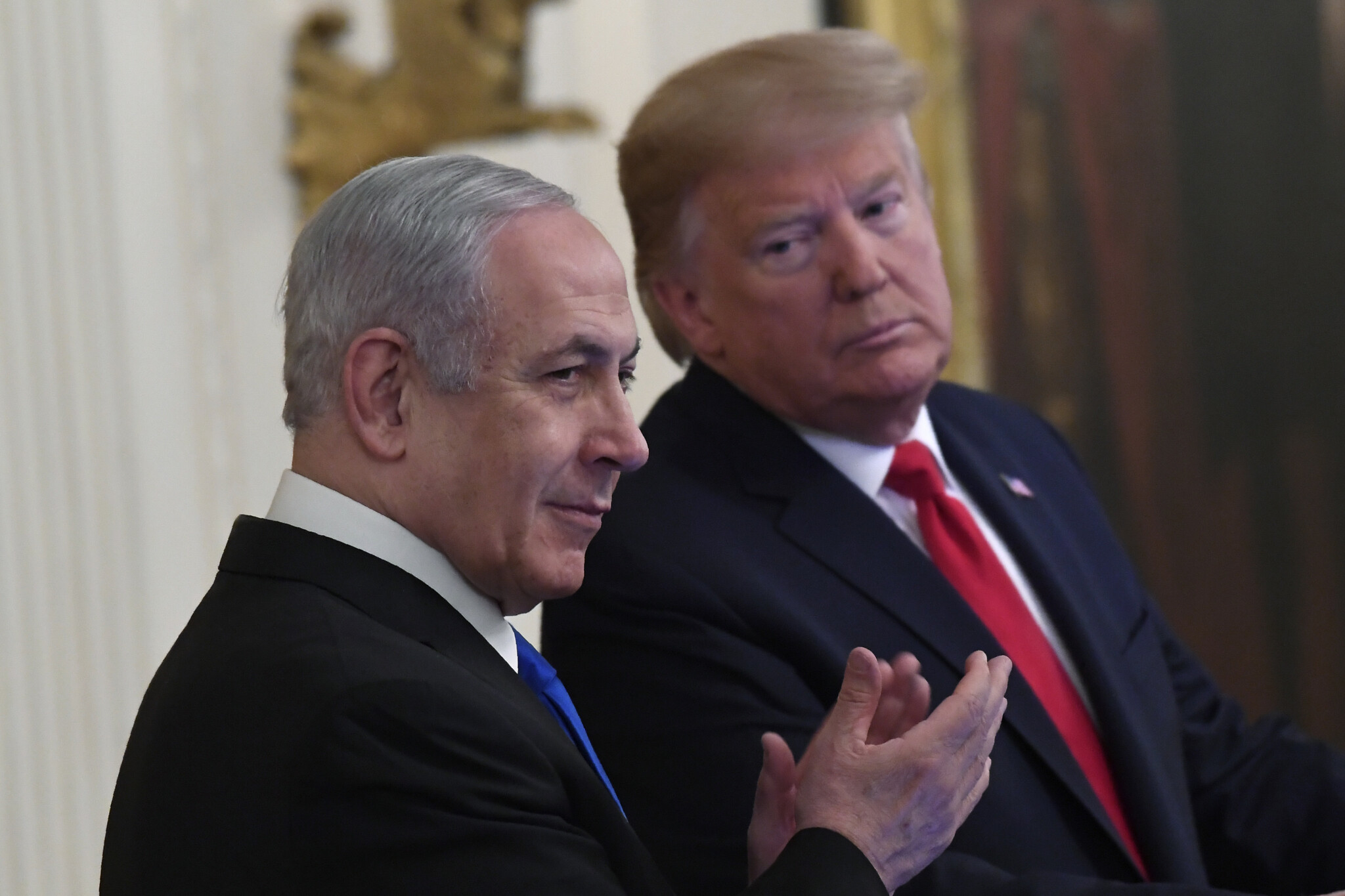
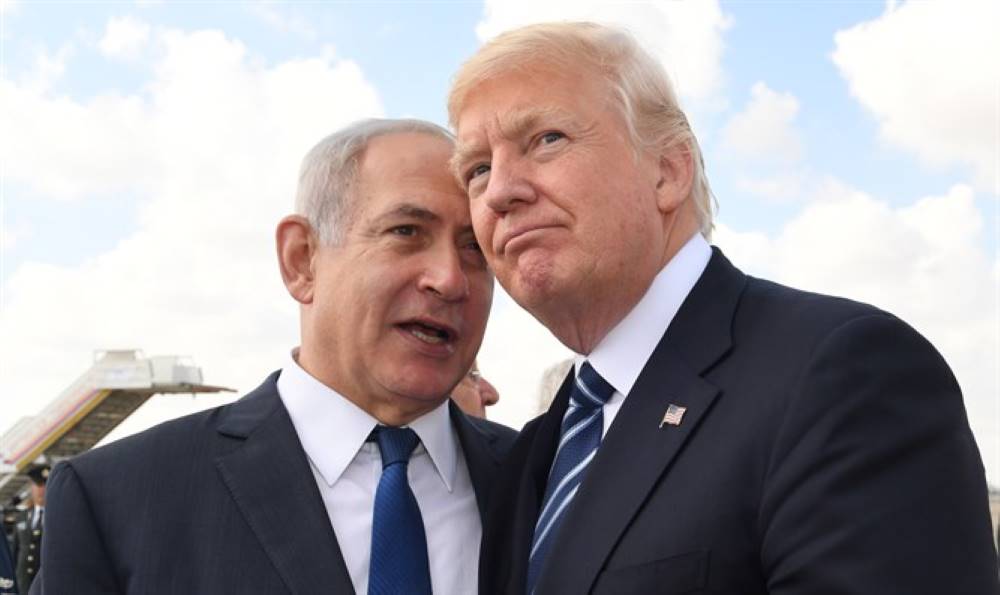
Turkey has expressed interest in participating in a potential stabilization force under a plan advanced by President Trump. However, Israel has categorically rejected any Turkish involvement in post-war arrangements.
Israeli officials have cited Ankara’s ties to Hamas as a primary reason for their opposition, arguing that any role for Turkey could undermine efforts to neutralize the organization’s influence.
Kan 11 News noted that the reported training activities in Turkey are likely to reinforce Israel’s position, further diminishing the prospects for Turkish participation in Gaza’s future administration.
The emerging picture, as outlined by the Kan 11 News report, suggests that Hamas is actively adapting to the evolving realities of modern warfare. By leveraging external training opportunities and expanding its operational capabilities, the organization appears to be preparing for a more decentralized and technologically sophisticated form of conflict.
This shift aligns with broader trends observed among non-state actors, which increasingly rely on innovation and asymmetry to counter more powerful adversaries.
For Israel and its allies, the challenge will be to anticipate and counter these developments before they translate into tangible threats on the ground.
The revelations reported by Kan 11 News raise a host of pressing questions regarding the extent of Hamas’s activities in Turkey and the implications for regional security.
While Ankara has not publicly addressed the specific allegations, the broader context of its relationship with Hamas suggests that these concerns are unlikely to dissipate in the near term.
As the Middle East continues to navigate a period of heightened instability, the intersection of state policies, non-state actors, and emerging technologies will play a decisive role in shaping the future of the region.
For now, the report serves as a stark reminder that the dynamics of conflict are constantly evolving—and that vigilance remains essential in confronting the challenges ahead.



