





















|
Getting your Trinity Audio player ready...
|
Project Freedom: U.S. Moves to Break Hormuz Deadlock as Trump Rejects Iran’s Proposal and Signals New Phase in Gulf Crisis
By: Fern Rosenblatt
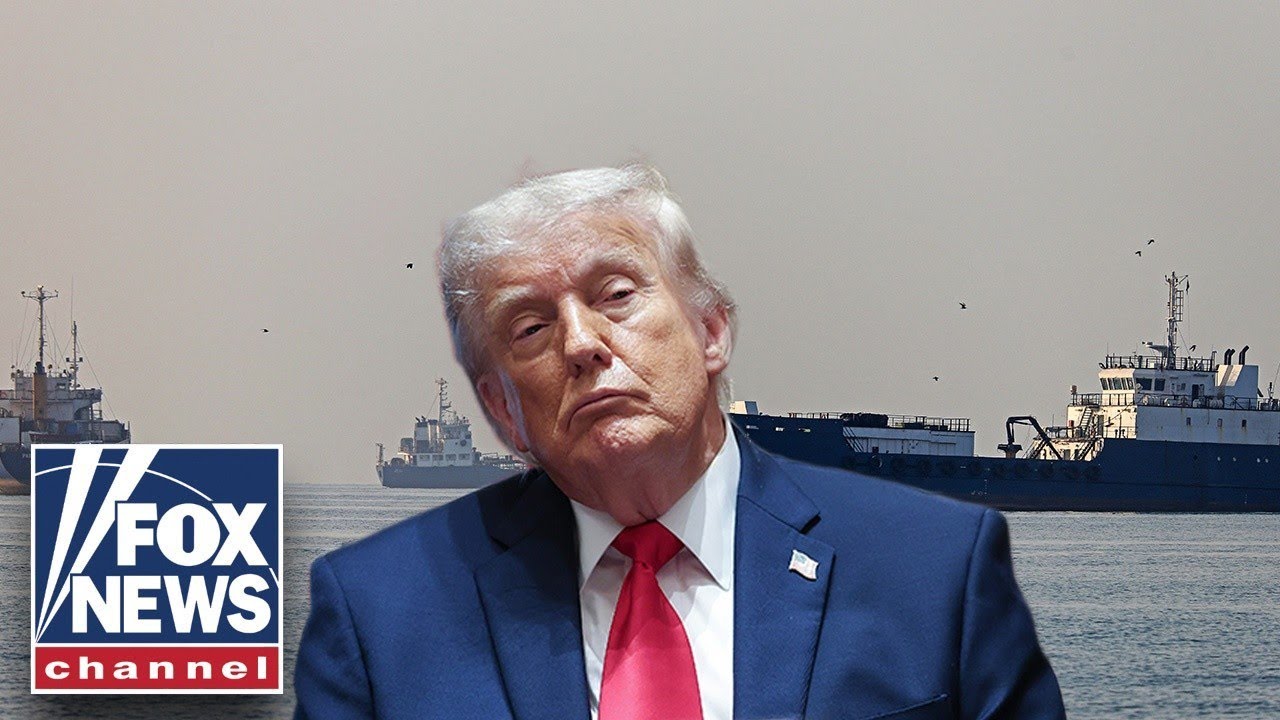
In a dramatic and potentially consequential development amid escalating tensions in the Persian Gulf, President Donald Trump announced that the United States will spearhead a large-scale humanitarian maritime operation aimed at freeing dozens of neutral foreign vessels currently stranded in the strategically vital Strait of Hormuz. The initiative, set to commence Monday morning under the designation “Project Freedom,” reflects both the intensifying volatility of the region and Washington’s evolving posture in managing the crisis.
As detailed in coverage on Sunday by Israel National News, the operation is framed not as a military escalation but as a humanitarian and logistical intervention designed to alleviate a growing maritime bottleneck affecting global commerce. The vessels in question, according to the President, belong primarily to nations not directly involved in the ongoing confrontation between Iran and its adversaries, rendering them “neutral and innocent bystanders” caught in an increasingly precarious geopolitical crossfire.
In a detailed public statement, President Trump underscored the urgency and rationale behind the initiative. He emphasized that numerous countries had appealed to Washington for assistance in safely navigating their vessels out of restricted waters, where rising tensions have disrupted one of the world’s most critical maritime corridors.
“Countries from all over the world… have asked the United States if we could help free up their ships,” Trump explained, noting that these vessels are effectively immobilized despite having “absolutely nothing to do” with the conflict. As Israel National News reported, the President characterized the operation as a goodwill gesture that serves not only global trade interests but also broader regional stability.
The Strait of Hormuz, through which a substantial proportion of the world’s oil supply transits, has long been a focal point of geopolitical friction. The current impasse—marked by heightened military vigilance, disrupted shipping lanes, and diplomatic uncertainty—has amplified concerns about the vulnerability of global energy markets and supply chains.
Against this backdrop, Project Freedom emerges as an attempt to restore a degree of normalcy, at least for vessels unconnected to the underlying conflict.
According to the information provided in the Israel National News report, the United States has committed to guiding these stranded ships and their crews safely through contested waters. The operation will likely involve naval escorts, logistical coordination, and real-time navigation support, although specific operational details have not been publicly disclosed.
Crucially, President Trump indicated that participating vessels have agreed not to return to the region until conditions improve, suggesting that the operation is designed not only to resolve an immediate humanitarian concern but also to reduce congestion and risk in the strait over the medium term.
The President also issued a pointed warning: any interference with the humanitarian convoy would be met with a forceful response. This statement, while framed as a protective measure, carries implicit strategic weight, signaling Washington’s readiness to defend the operation against potential disruption.
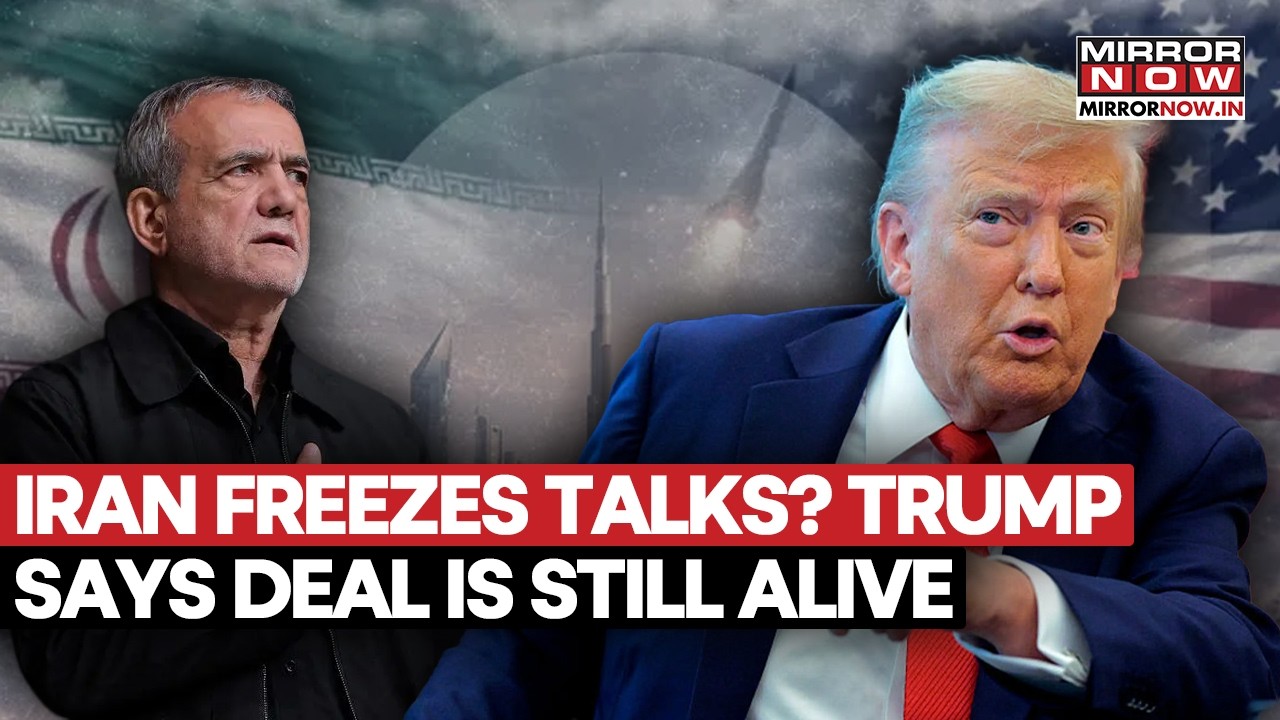
The announcement of Project Freedom comes amid ongoing, albeit fragile, diplomatic engagement between the United States and Iran. As highlighted by Israel National News, negotiations have continued in parallel with military posturing, reflecting a dual-track approach that combines pressure with dialogue.
President Trump acknowledged that his representatives are engaged in “very positive discussions” with Iran, raising the possibility of a broader diplomatic breakthrough. However, his subsequent remarks suggest a more cautious—and perhaps skeptical—assessment of Tehran’s intentions.
Over the weekend, Iran submitted a comprehensive 14-point proposal outlining conditions for a permanent resolution to the conflict. According to reports cited by Israel National News, the proposal includes demands for the lifting of sanctions, the release of frozen assets, guarantees against future military action, and the withdrawal of United States forces from areas surrounding Iran.
The plan also seeks recognition of Iran’s right to uranium enrichment under international agreements and calls for a new governance mechanism for the Strait of Hormuz—a proposal that would fundamentally alter the strategic dynamics of the region.
Despite the breadth of these proposals, President Trump was unequivocal in his response. After reviewing the document, he declared it “not acceptable,” indicating that significant gaps remain between the positions of the two sides.
The juxtaposition of a humanitarian maritime operation with a firm rejection of Iran’s diplomatic overture encapsulates the complexity of the current moment. On one hand, the United States is positioning itself as a stabilizing force, facilitating safe passage for neutral actors and seeking to prevent further disruption to global commerce. On the other, it remains deeply skeptical of Iran’s proposals and unwilling to concede on core issues.
As the Israel National News report noted, this dual approach reflects a broader strategic calculus: to maintain pressure on Tehran while preserving avenues for negotiation. The effectiveness of this strategy will depend in large part on the interplay between military realities and diplomatic flexibility.
The stakes are considerable. The Strait of Hormuz is not merely a regional waterway; it is a critical artery of the global economy. Any sustained disruption has the potential to reverberate far beyond the Middle East, affecting energy prices, supply chains, and economic stability worldwide.
Beyond the geopolitical implications, the situation also presents a genuine humanitarian challenge. Many of the stranded vessels have been at sea for extended periods, with crews reportedly facing shortages of food, medical supplies, and other essentials.
President Trump highlighted these concerns, emphasizing that the operation is intended to address the immediate needs of those on board. “Many of these ships are running low on food and everything else necessary for large-scale crews to stay on board in a healthy and sanitary manner,” he said.
This dimension of the crisis has received particular attention in reporting by Israel National News, which has underscored the human cost of prolonged maritime disruption. The safe evacuation of these crews, therefore, represents not only a logistical achievement but also a humanitarian imperative.
The launch of Project Freedom is likely to have far-reaching implications for regional dynamics. By asserting a leadership role in resolving the maritime impasse, the United States reinforces its position as a key guarantor of navigation security in the Persian Gulf.
At the same time, the operation may test the willingness of regional actors to accommodate or challenge this role. Iran’s response, in particular, will be closely watched. Any interference with the convoy could escalate tensions, while cooperation—or even tacit acquiescence—could signal a willingness to deescalate.
Internationally, the initiative may also influence perceptions of American leadership. For countries whose vessels are stranded, the operation offers a tangible demonstration of support. For others, it raises questions about the balance between humanitarian intervention and strategic assertion.
Despite the immediate clarity of the operation’s objectives, the broader trajectory of the crisis remains uncertain. The rejection of Iran’s proposal suggests that a comprehensive diplomatic resolution is not imminent. At the same time, the continuation of talks indicates that both sides remain engaged, albeit cautiously.
As the Israel National News report emphasized, the interplay between negotiation and confrontation will likely define the next phase of the conflict. Project Freedom, in this sense, may serve as both a practical intervention and a symbolic gesture—an effort to stabilize a volatile situation while broader questions remain unresolved.
The unfolding developments in the Strait of Hormuz represent a critical juncture in one of the world’s most strategically sensitive regions. The United States’ decision to lead a humanitarian maritime operation underscores the urgency of the situation, while the rejection of Iran’s proposal highlights the enduring challenges of achieving a lasting settlement.
For now, Project Freedom stands as a testament to the complexities of modern statecraft, where humanitarian considerations, economic imperatives, and geopolitical rivalries intersect. As the operation begins and the diplomatic process continues, the world will be watching closely—aware that the outcomes will shape not only the future of the Gulf but also the broader contours of international stability.
The coming days may well determine whether the region moves toward deescalation or deeper entrenchment in conflict.



