


























|
Getting your Trinity Audio player ready...
|
Oil Market Moves Lower
(TJV NEWS) Oil prices dropped after reports that the U.S. and Iran are moving closer to an agreement that could reopen the Strait of Hormuz, a key global oil shipping route, according to the Wall Street Journal.
The Strait of Hormuz is one of the most important oil transit points in the world, handling about 20% of global crude shipments.
U.S. and Iran Deal Hopes
Markets reacted to news that Washington and Tehran are discussing a framework deal that could extend a ceasefire and reduce tensions in the region.
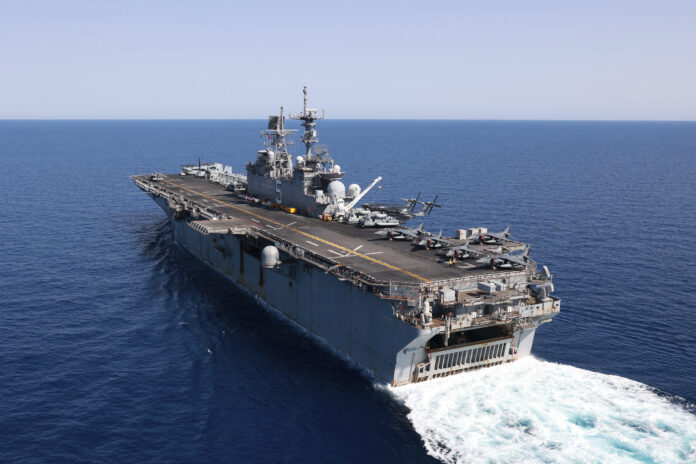
The possible agreement includes steps to reopen shipping lanes and reduce military risks in the Gulf. Investors are watching closely because any progress could quickly change global energy supply expectations.
Oil Prices Drop Fast
Brent crude and WTI both fell sharply, with losses around 4% to 5% in recent trading sessions.
Traders say the price drop is driven by expectations that more oil supply could return to global markets if the Strait of Hormuz reopens safely.
Why the Strait of Hormuz Matters
The Strait of Hormuz is a critical chokepoint for global energy.
- Around 1/5 of global oil passes through it
- Any disruption raises global fuel prices
- Any reopening helps stabilize supply
Even small changes in access to the waterway can move oil prices quickly.
Markets React to Lower Risk
Stock markets rose while oil fell as investors priced in lower geopolitical risk.
Airlines, shipping companies, and industrial firms tend to benefit when oil prices drop because fuel costs go down.
At the same time, energy stocks often fall when crude prices decline.
Big Uncertainty Still Remains
Despite the optimism, the situation is still fragile.
Officials have warned that no final agreement has been signed yet, and key issues between the U.S. and Iran remain unresolved.
Energy experts also say that even if a deal is reached, it could take months for shipping and supply chains to fully normalize.
Inflation and Economy Impact
Lower oil prices could ease inflation pressures in the U.S. and globally.
Cheaper fuel can reduce transportation and manufacturing costs, which can eventually flow into lower consumer prices.
But analysts caution that volatility will likely continue until the situation is fully resolved.
Bottom Line
The oil market is reacting quickly to hopes of peace and reopening the Strait of Hormuz.
But as WSJ reports, the situation is still developing, and energy traders remain cautious despite the recent price drop.



