





















|
Getting your Trinity Audio player ready...
|
By: Fern Sidman
The fragile cessation of hostilities between Israel and Hezbollah, heralded only days ago as a potential prelude to de-escalation, is already showing signs of strain, with rhetoric hardening and military incidents threatening to unravel the tenuous calm. As reported on Saturday by Israel National News, the latest developments underscore the precariousness of the arrangement, as both sides navigate a landscape fraught with mistrust, competing strategic imperatives, and the ever-present risk of renewed conflict.
At the center of the unfolding tension is Hezbollah leader Naim Qassem, who on Saturday issued a stern and unequivocal warning regarding the terms and expectations of the ceasefire. In remarks cited by Israel National News, Qassem asserted that any cessation of hostilities must be mutual and comprehensive, rejecting the notion of a unilateral restraint. “There is no ceasefire from one side only,” he declared, signaling that Hezbollah stands prepared to respond forcefully to what it perceives as violations by Israel.
This statement, delivered with unmistakable resolve, reflects Hezbollah’s longstanding posture of deterrence and retaliation. Qassem’s remarks were not limited to a general warning but were accompanied by a detailed articulation of the group’s conditions for a sustainable peace. These include a complete and permanent halt to military activity across Lebanese territory, a full withdrawal of Israeli forces, the release of detainees, the return of displaced populations to their homes, and a comprehensive reconstruction effort supported by regional and international actors.
Such demands, as noted by Israel National News, are expansive and ambitious, encompassing not only immediate military considerations but also broader political and humanitarian dimensions. They reveal Hezbollah’s intent to leverage the ceasefire as a platform for advancing its strategic objectives, even as it seeks to project an image of resilience and legitimacy. Qassem’s insistence that Hezbollah has not been defeated and remains committed to what he described as Lebanon’s “liberation and independence” underscores the ideological underpinnings of the group’s position.
At the same time, Qassem extended an olive branch of sorts to the Lebanese state, expressing a willingness to embark on “a new page” of cooperation with government institutions. This overture, while couched in conciliatory language, serves a dual purpose: reinforcing Hezbollah’s role as a central actor within Lebanon’s political landscape while seeking to align its activities with the broader framework of national unity and sovereignty. As the Israel National News report highlighted, this duality—combining militancy with political engagement—has long been a defining characteristic of the organization.
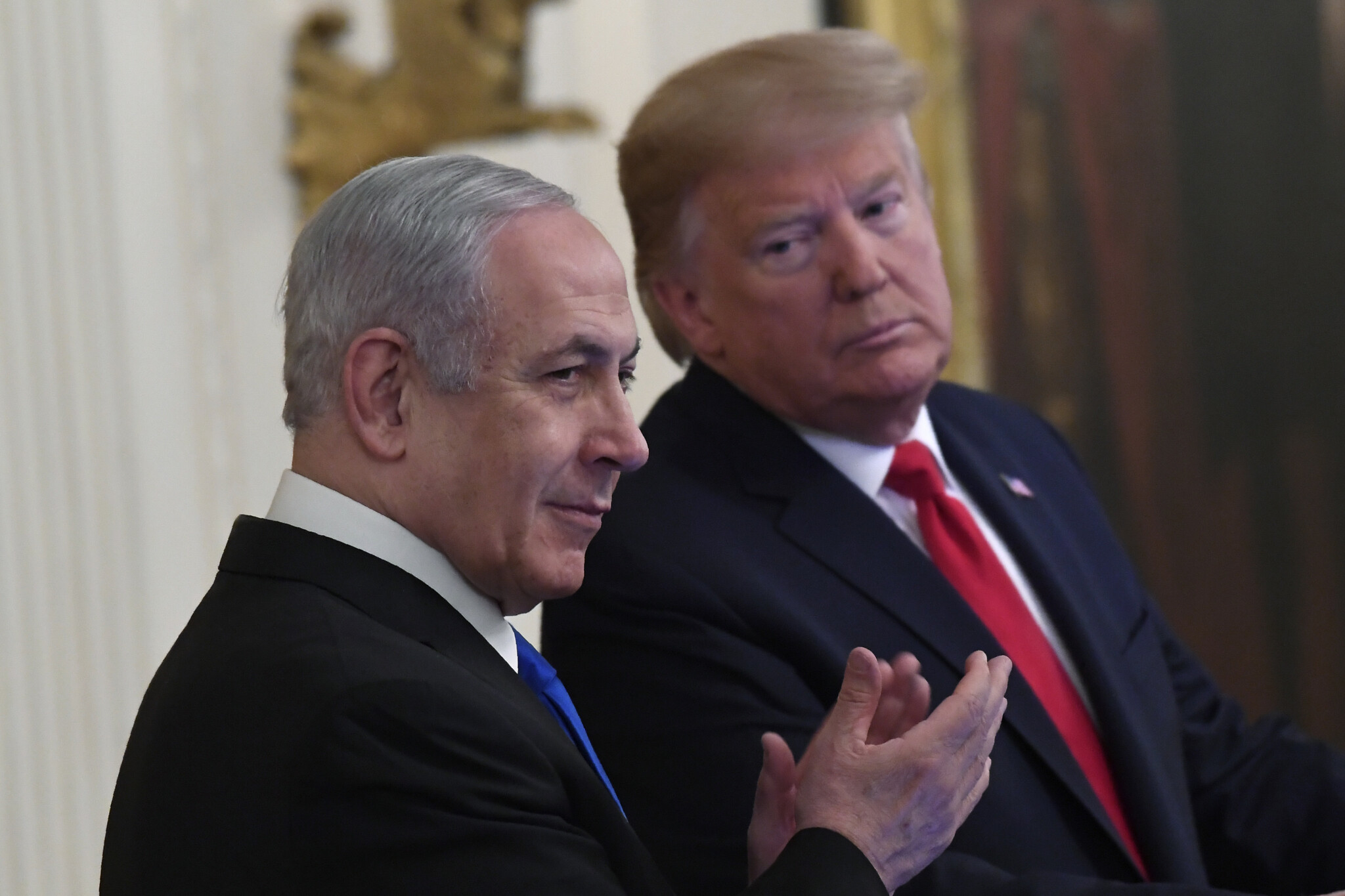
The ceasefire itself, announced by President Donald Trump and taking effect at midnight on Friday, was intended to provide a brief respite from escalating hostilities. However, even before its formal implementation, military operations continued to shape the strategic environment. According to the information provided in the Israel National News report, the Israel Defense Forces initiated a targeted operation in southern Lebanon mere hours before the ceasefire came into force. Elite units were deployed to the Christophani Ridge, a strategically significant location approximately twelve kilometers north of Mount Hermon, where they established an operational foothold.
The timing and nature of this operation are indicative of Israel’s broader approach to the conflict: securing tactical advantages and neutralizing perceived threats while maintaining readiness for rapid response. The Christophani Ridge, situated near critical terrain and within proximity to areas of Hezbollah activity, represents a key vantage point in the complex geography of the region. By establishing a presence there, Israeli forces sought to reinforce their defensive posture and deter potential incursions.
Despite the formal cessation of hostilities, the situation on the ground has remained volatile. As reported by Israel National News, Israeli forces operating south of the so-called “yellow line”—a demarcation intended to prevent imminent threats to northern Israeli communities—have encountered multiple instances of Hezbollah operatives approaching their positions. These movements, interpreted as violations of the ceasefire, have prompted swift and decisive responses from the Israel Defense Forces.
In several incidents, Israeli troops identified groups of terrorists advancing from the north toward their positions, posing what was described as an immediate and credible threat. In response, coordinated actions involving both air and ground units were undertaken to neutralize the danger. The Israeli Air Force conducted precision strikes targeting the advancing operatives, while artillery units provided support to ground forces engaged in the area. As was reported by Israel National News, these operations resulted in the elimination of the identified threats and the destruction of infrastructure deemed to facilitate hostile activity.
One particularly notable episode involved the identification of a terrorist cell moving toward Israeli positions in violation of the ceasefire parameters. Acting with urgency, Israeli forces launched an aerial strike that successfully neutralized the group. In a separate but related action, an underground shaft—believed to be part of Hezbollah’s extensive network of tunnels and fortified positions—was targeted after terrorists were observed entering it. The strike reportedly achieved a direct hit, further underscoring Israel’s commitment to preemptive and defensive measures.
These developments illustrate the inherent challenges of enforcing a ceasefire in a context where both sides maintain high levels of operational readiness and deep-seated mistrust. The concept of a ceasefire, while ostensibly straightforward, becomes exceedingly complex when interpreted through the lens of asymmetric warfare, where non-state actors operate alongside conventional military forces and where the boundaries between defense and offense are often blurred.
For Israel, the movements of Hezbollah operatives toward its positions constitute clear violations that necessitate immediate action to protect its forces and civilian populations.
The broader implications of this fragile ceasefire extend beyond the immediate theater of operations. The involvement of external actors, including the United States, adds an additional layer of complexity to the situation. President Trump’s role in announcing and advocating for the ceasefire reflects Washington’s ongoing efforts to manage regional conflicts and prevent escalation. However, the durability of such arrangements ultimately depends on the willingness and capacity of the parties involved to adhere to their terms.
In Lebanon, the situation is further complicated by internal dynamics, where Hezbollah’s dual identity as both an Iranian-backed terrorist organization and a political entity influences its calculations. Qassem’s call for cooperation with the Lebanese government suggests an awareness of the need to maintain domestic legitimacy, even as the group prepares for potential renewed hostilities. The Lebanese state, for its part, faces the daunting task of balancing sovereignty, security, and the competing interests of various factions within its borders.
For Israel, the priority remains the protection of its northern communities and the prevention of Hezbollah’s entrenchment along its borders. The concept of the “yellow line” as a defensive boundary underscores this focus, serving as a buffer against incursions and a framework for operational decision-making. As the Israel National News report noted, Israeli forces have made clear that any threat within this zone will be met with decisive action, irrespective of the broader ceasefire context.
As the ten-day ceasefire progresses, its fate hangs in the balance, contingent on the actions and reactions of both sides. The initial incidents reported by Israel National News suggest that the path to sustained calm is fraught with obstacles, requiring not only restraint but also a degree of mutual understanding that has thus far proven elusive.
In the final analysis, the current moment represents a critical juncture in the ongoing conflict between Israel and Hezbollah. The ceasefire, while offering a temporary reprieve, has not resolved the underlying tensions that continue to drive the confrontation. Instead, it has exposed the fragility of such arrangements in a region where historical grievances, strategic imperatives, and ideological commitments intersect with often explosive consequences.
Whether this pause in hostilities will evolve into a more durable framework for peace or collapse under the weight of mutual suspicion remains an open question. What is certain, as the Israel National News report emphasized, is that the situation demands vigilant attention, measured responses, and a recognition of the profound stakes involved—not only for the immediate parties but for the broader stability of the region.