































|
Getting your Trinity Audio player ready...
|
By: Hal C Clarke
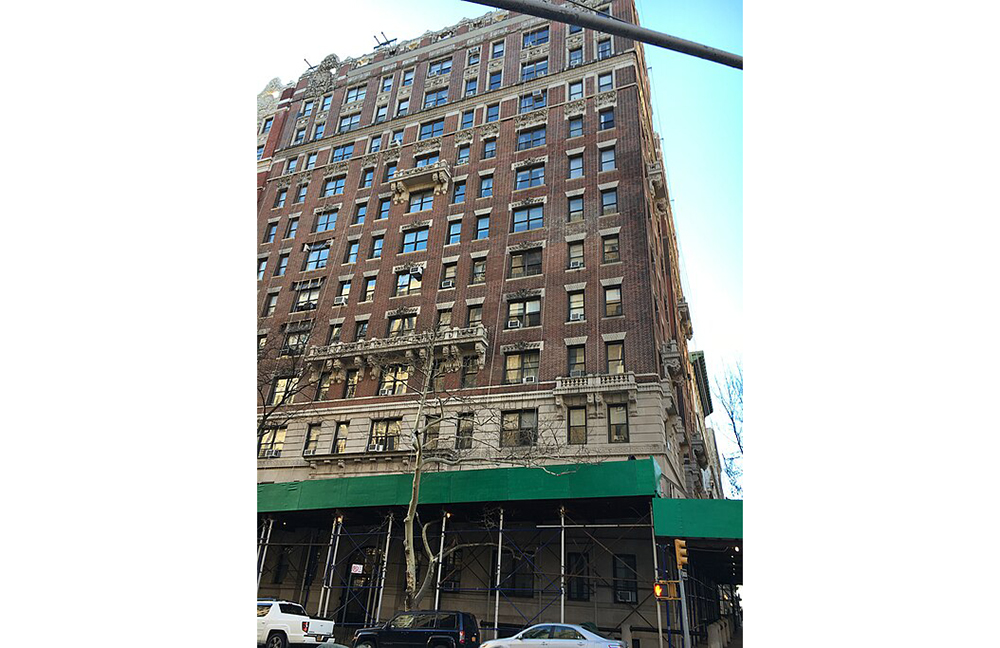
A stretch of Manhattan’s Upper West Side remains blanketed with unsightly scaffolding, despite efforts by the city to reduce the structures. West End Avenue, notorious for its scaffolding density, has seen some progress since Mayor Eric Adams launched the “Get Sheds Down” initiative—but the area remains overwhelmed, reports the New York Post.
Over the past nine months, 19 scaffolding sheds have been removed from the avenue, yet five new ones have popped up, leaving only four unobstructed blocks in a nearly 40-block span. Residents liken the issue to a frustrating game of “whack-a-mole.”
Scaffolding Still Dominates West End Avenue
When the New York Post first examined West End Avenue in April 2023, the two-mile stretch between 107th and 72nd Streets was home to 57 scaffolding sheds, with just one block free of the structures. A recent count found 43 sheds still standing, with three additional blocks cleared. Yet, for many residents, the improvement is negligible.
“It’s like having braces on your teeth—you don’t want them there, but you get used to it,” said Carmen Anderson, 54, a longtime Upper West Sider. “I noticed a few scaffolds came down because suddenly I had sunlight on certain blocks. But overall, they’re still everywhere.”
Mike McDermott, a 70-year-old resident, echoed the sentiment: “Politicians and the news might spur temporary fixes, but new scaffolds just go up. There’s no stopping it.”
Mayor’s Scaffolding Initiative
Mayor Adams made tackling the city’s scaffolding problem a priority, rolling out the “Get Sheds Down” plan in July 2023. The initiative reduced scaffolding permit durations from 12 months to 90 days and increased fines for violations to $10,000. According to the Post, city records show that since the program began, 7,289 sheds have been removed, and over 100 property owners have been taken to court to compel scaffolding removal.
Despite these efforts, scaffolding still covers more than 390 cumulative miles of sidewalks citywide—a slightly greater distance than what records showed nine months ago.
A History of Scaffolding
Scaffolding laws were introduced in the 1980s after a Barnard College student tragically died from falling debris. Local Law 11 mandates exterior inspections for buildings six stories or taller and requires protective scaffolding during necessary repairs.
While the laws aim to ensure safety, they’ve also led to scaffolding structures that linger for years. The New York Post reports that landlords often delay costly repairs, instead opting to pay fines for extended scaffolding permits. For some buildings, these delays turn temporary fixes into semi-permanent features.
The Impact on Residents
West End Avenue’s scaffolding density is among the highest in the city. Though Broadway, Park Avenue, and Fifth Avenue have more scaffolding overall, those thoroughfares are three times longer. Residents along West End can walk nearly the entire stretch without seeing the sun, the Post notes.
“It’s part of the scenery,” McDermott said. “But it’s a shame—these are old, beautiful buildings, and no one gets to admire them.”
Future Outlook
The Department of Buildings remains optimistic about its progress, telling the Post that legislative changes could help speed up scaffold removal. “We look forward to the City Council’s enactment of new enforcement tools to get more sheds down faster,” a spokesperson said.
Yet, many West End residents are skeptical. For them, scaffolding has become a permanent fixture in their lives.



