





















|
Getting your Trinity Audio player ready...
|
By: Hal C Clarke
A major media controversy is unfolding after a Pulitzer Prize was awarded to a Gaza-based photographer whose widely circulated image of an emaciated child later required clarification regarding the boy’s underlying medical condition, as JNS reported.
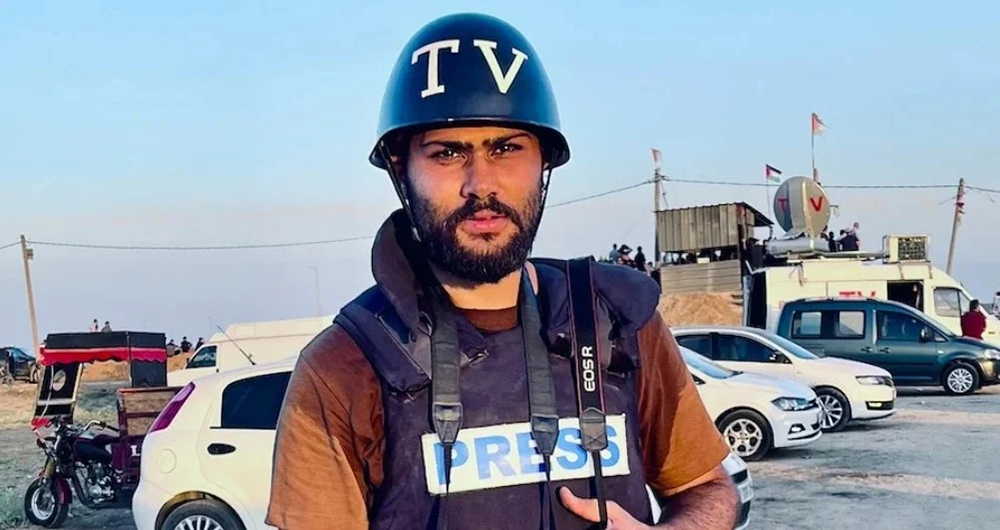
According to the report, Palestinian photojournalist Saher Alghorra received the 2026 Pulitzer Prize for Breaking News Photography for a series of images documenting the humanitarian toll of the war in Gaza. The award recognized what the Pulitzer committee described as a “haunting” body of work depicting devastation and hunger in the conflict zone.
At the center of the controversy is one of the most widely shared images from that series—a photograph of a severely underweight young boy that was originally presented as evidence of starvation in Gaza. The image gained global attention after appearing alongside reporting on food shortages and humanitarian conditions during the war.
However, as JNS reported, the narrative surrounding the image shifted after it emerged that the child had been suffering from pre-existing health issues, including cerebral palsy. The original description of the boy reportedly stated that he had been born healthy, but that claim was later corrected following public scrutiny and additional information about his medical condition.
The clarification sparked criticism from some observers who argued that the image had been used in a misleading way, particularly given its prominence in shaping global perceptions of the crisis. Critics say the omission of key medical details initially contributed to a simplified narrative about the child’s condition and the broader humanitarian situation.
Despite the controversy, the Pulitzer committee stood by its decision to honor Alghorra’s work, emphasizing the overall impact of his photography rather than focusing on a single image. The award recognized his broader documentation of life in Gaza during wartime, including scenes of destruction, displacement, and hardship faced by civilians.
The debate has also drawn in political voices. Israeli officials and commentators were among those who sharply criticized the recognition, arguing that the image—and others like it—risk reinforcing narratives they view as inaccurate or incomplete. Some described the award as emblematic of broader concerns about bias in international media coverage of the conflict.
At the same time, others have defended the photographer and the publication of such images, noting the extreme difficulty of reporting from conflict zones where access is limited and conditions are rapidly evolving. They argue that images of suffering, even when complex, play a crucial role in bringing attention to humanitarian crises.
The incident highlights a deeper tension within modern journalism: the challenge of balancing emotional, impactful storytelling with full contextual accuracy—especially in war zones where information is often fragmented. It also underscores how a single image can shape global narratives, influence public opinion, and spark intense debate long after it is first published.



