




























|
Getting your Trinity Audio player ready...
|
Outrage in Brighton Beach: Bruce Blakeman Leads Charge to Halt Controversial Singer Amid Antisemitism Firestorm
By: Fern Sidman
A mounting political and cultural controversy has erupted in Brooklyn, where a scheduled performance by an internationally known singer has ignited a fierce backlash among elected officials, community leaders, and residents alike. At the center of the dispute is a May 9 concert at the Oceana Theater in Brighton Beach, featuring Uzbek performer Yulduz Usmonova, whose past remarks about Jews and Israel have drawn widespread condemnation. Leading the charge against the event is Nassau County Executive Bruce Blakeman, the Republican candidate for governor, who has forcefully called for the performance to be canceled.
View this post on Instagram
As detailed in a report on Monday in The New York Post, the controversy has quickly escalated into a broader debate about the boundaries of free expression, the consequences of inflammatory rhetoric, and the responsibility of cultural institutions operating within one of the largest Jewish communities in the United States.
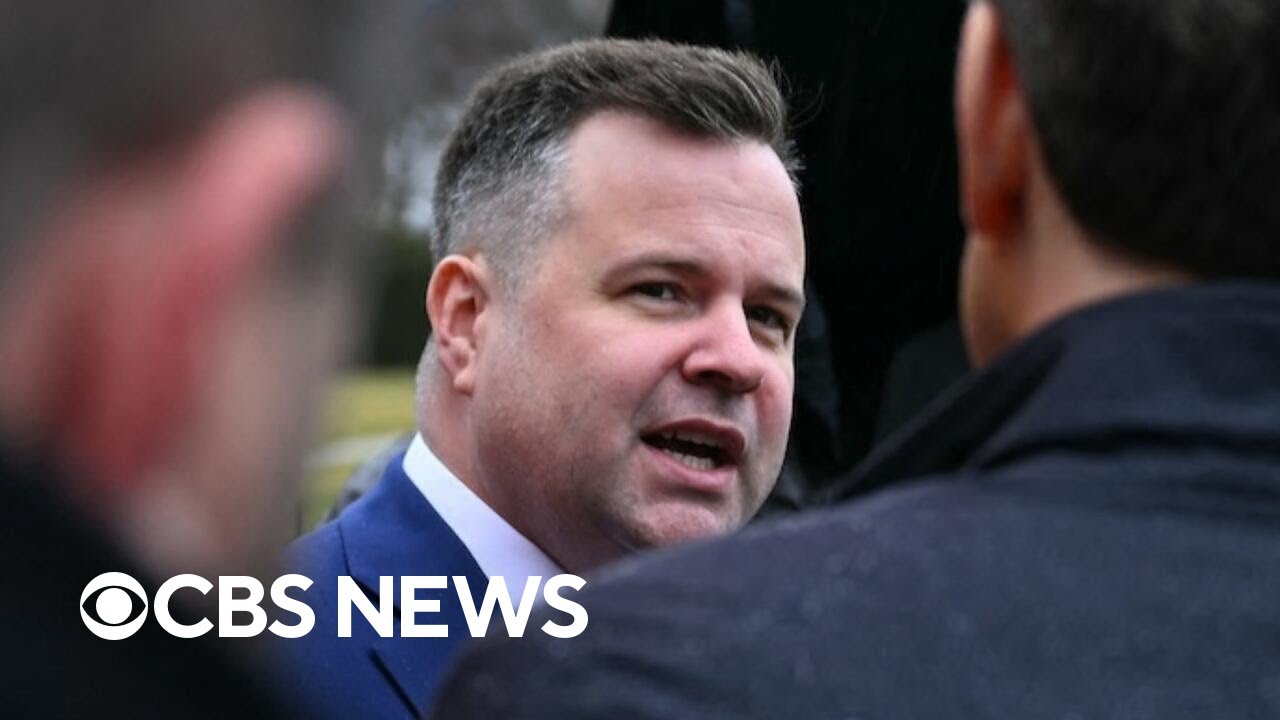
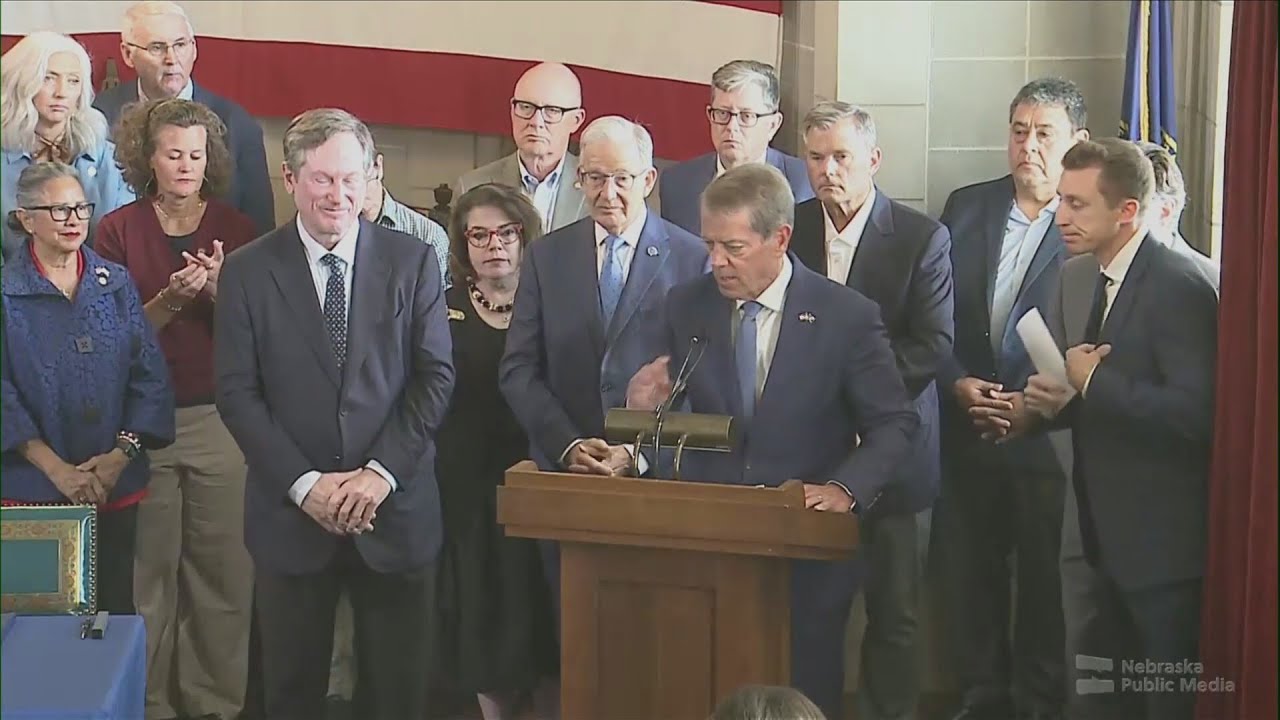
Blakeman’s intervention has transformed what might have been a localized dispute into a high-profile political issue with statewide implications. Standing outside the Oceana Theater during a press conference alongside several state lawmakers, Blakeman did not mince words in his condemnation of Usmonova’s scheduled appearance.
“There is no place for hate speech or hate singing, for that matter, here in Brooklyn or anywhere in New York State or America,” he declared, according to The New York Post. His remarks reflected a broader concern that allowing the performance to proceed would signal tolerance for rhetoric that many consider deeply offensive and harmful.
Blakeman went further, characterizing the singer in starkly negative terms and asserting that her presence in the community would be inappropriate given her past statements. His comments underscore the degree to which the controversy has become not merely about a single performance, but about the standards to which public figures and venues are held.
The current uproar can be traced back to a series of social media posts made by Usmonova in 2021, in which she expressed vehement opposition to Israel and issued statements widely interpreted as hostile toward Jews. As reported by The New York Post, these remarks included declarations of solidarity with Palestinians and language that critics say crossed the line into explicit incitement.
In one particularly controversial post, she suggested that supporters would mobilize in defense of Palestinians and invoked imagery that many observers deemed threatening. The comments sparked immediate backlash at the time and have continued to shadow her public appearances in subsequent years.
GOP’s Bruce Blakeman pushes NYC venue to cancel singer for rant against Israel, Jews https://t.co/9bD9W636fe pic.twitter.com/Gsk1iJacm0
— New York Post (@nypost) May 4, 2026
The enduring impact of those statements became evident in 2024, when a previously scheduled performance at the same venue was canceled following protests. According to coverage cited by The New York Post, that decision reflected a recognition by organizers of the potential for unrest and the sensitivity of the issue within the local community.
In recent interviews, Usmonova has sought to distance herself from her earlier remarks, expressing regret and acknowledging the negative consequences of her statements. She has indicated that she now views her previous comments as misguided and has suggested that her perspective has evolved.
As noted in The New York Post report, the singer stated that she feels uneasy about her past rhetoric and has questioned whether she was justified in holding such views. This apparent attempt at reconciliation has been interpreted by some as a sincere effort to move forward, while others remain skeptical of its authenticity.
For Blakeman and the lawmakers who joined him, however, these expressions of regret have not been sufficient to mitigate the original harm. They argue that the severity of the earlier statements—and their potential impact—cannot simply be undone by subsequent clarification.
The controversy has resonated particularly strongly in Brighton Beach, a neighborhood with a substantial Jewish population and a long history as a cultural hub. Local officials have emphasized the importance of maintaining an environment in which residents feel safe and respected, free from rhetoric that could be perceived as threatening or exclusionary.
Assemblyman Michael Novakhov, speaking at the same press conference highlighted by The New York Post, framed the issue in stark terms. He described the situation as one that “demands a clear and immediate response,” emphasizing that the community must draw firm boundaries against antisemitism.
“This is about drawing the line,” Novakhov stated. “We will not allow our neighborhoods to become a cesspool for antisemitism. We will not allow antisemitism to be normalized, and we will not stay silent when our community is targeted.”
His remarks reflect a broader sentiment among local leaders that the stakes extend beyond a single event, touching on fundamental questions about communal identity and mutual respect.
The dispute has also raised broader questions about the role of cultural institutions in navigating politically sensitive issues. The Oceana Theater, like many venues, operates at the intersection of artistic expression and community responsibility. Its decision to host—or potentially cancel—the performance carries implications not only for its own reputation but also for the broader cultural landscape.
Critics argue that providing a platform to individuals with a history of inflammatory statements risks legitimizing those views, even if the performance itself is not overtly political. Supporters of the singer, on the other hand, may contend that artistic expression should not be unduly restricted based on past controversies.
As The New York Post report observed, this tension between freedom of expression and the need to address harmful rhetoric is increasingly prevalent in public discourse.
For Blakeman, the controversy represents an opportunity to articulate a clear stance on issues of antisemitism and public accountability as he campaigns for higher office. His outspoken position aligns with a broader effort to present himself as a defender of community values and a leader willing to confront contentious issues directly.
At the same time, the dispute underscores the complexities of navigating such issues in a diverse and dynamic city like New York. The reactions of voters, community groups, and other stakeholders will likely influence not only the outcome of this specific controversy but also the broader political landscape.
Notably, representatives for both the Oceana Theater and Usmonova have not publicly responded to the latest wave of criticism. This absence of comment, highlighted in coverage by The New York Post, has contributed to the sense of uncertainty surrounding the event’s future.
Whether the performance will proceed as scheduled remains an open question, one that may ultimately hinge on a combination of public pressure, logistical considerations, and internal deliberations by the venue.
The controversy surrounding the planned performance in Brighton Beach has evolved into a defining moment that encapsulates broader societal debates about accountability, expression, and communal responsibility. As chronicled in detail by The New York Post, it is a story that resonates far beyond the confines of a single theater.
The outcome—whether cancellation, modification, or continuation—will likely carry lasting implications for how similar issues are addressed in the future.
For now, the spotlight remains fixed on Brighton Beach, where a scheduled concert has become a focal point for a much larger conversation about the boundaries of tolerance and the enduring importance of standing firmly against hatred in all its forms.



