



























|
Getting your Trinity Audio player ready...
|
By: Hal C Clarke
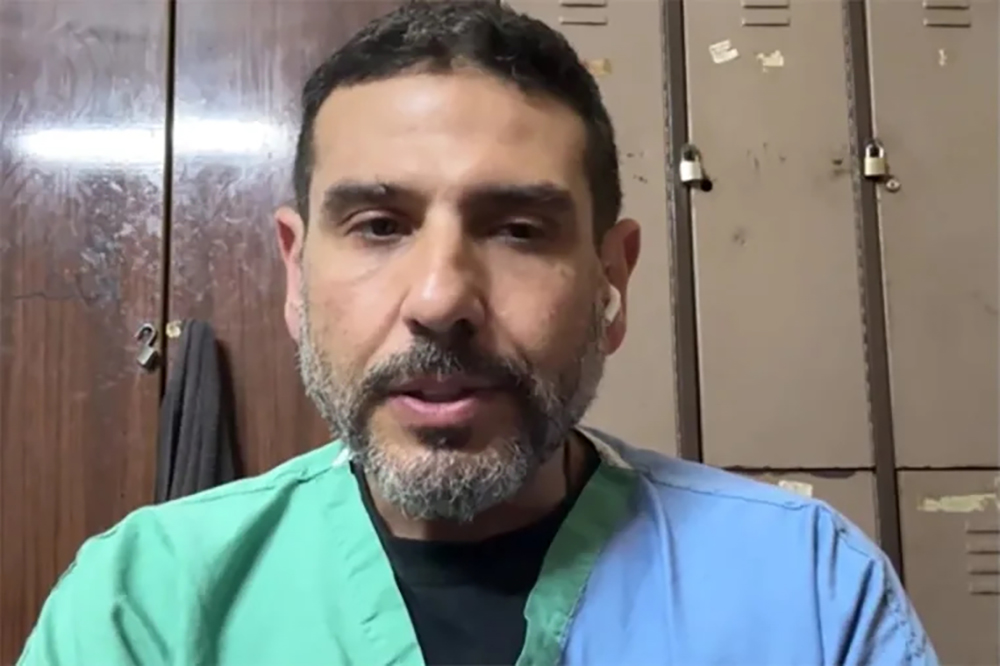
A New Jersey congressional candidate is facing growing scrutiny over campaign finances after it was revealed he is paying himself thousands of dollars a month in rent using campaign funds, according to a report by VIN News.
As reported, Dr. Adam Hamawy—a plastic surgeon and Democratic candidate running in New Jersey’s 12th Congressional District—has structured his campaign to pay $7,900 per month to his own medical practice for office space. Federal Election Commission filings show that his campaign has already issued its first rent payment to Princeton Plastic Surgeons, a business he solely owns, with additional payments expected in the coming months.
Hamawy, a former U.S. Army combat surgeon who served in the Iraq War, has built his campaign around a strongly critical stance toward Israel. His platform includes calls to immediately halt U.S. military aid and arms sales to the country, as well as opposition to funding defensive systems like the Iron Dome.
The campaign has defended the rental arrangement, arguing that it reflects fair market value and complies with federal election rules. According to a campaign spokesperson cited in the report, the decision was driven by practical considerations, noting that campaign space in central New Jersey is expensive and that a physical location is necessary to coordinate volunteers and organize outreach efforts.
Federal regulations generally allow candidates to rent property from themselves or their businesses, provided the payments are properly disclosed and align with market rates. Still, such arrangements often draw attention because they involve campaign funds flowing directly into a candidate’s own financial interests—a practice critics sometimes label as self-dealing.
Hamawy’s team has emphasized that the campaign is operating as a grassroots effort and suggested that using his own office space was a cost-conscious solution, even if it appears unusual. They also indicated that the rate was determined with guidance from compliance professionals to ensure it meets legal standards.
Beyond the financial questions, Hamawy’s candidacy itself has become a focal point in a competitive Democratic primary. He is seeking to replace longtime Representative Bonnie Watson Coleman, who is retiring, in a race expected to feature multiple contenders.
His outspoken foreign policy views—particularly his sharp criticism of Israel’s actions in Gaza—have helped him stand out in the crowded field.
At the same time, his positions have attracted both support and criticism, reflecting broader divisions within the Democratic Party over U.S. policy in the Middle East. Progressive organizations have backed his campaign, while pro-Israel groups have remained firmly opposed.
The financial arrangement involving his medical practice adds another layer of controversy as the race intensifies. While technically permissible under election law, it raises questions about optics and transparency—issues that frequently surface in campaigns where candidates maintain close ties to private businesses.



