














|
Getting your Trinity Audio player ready...
|
By: Ariella Haviv
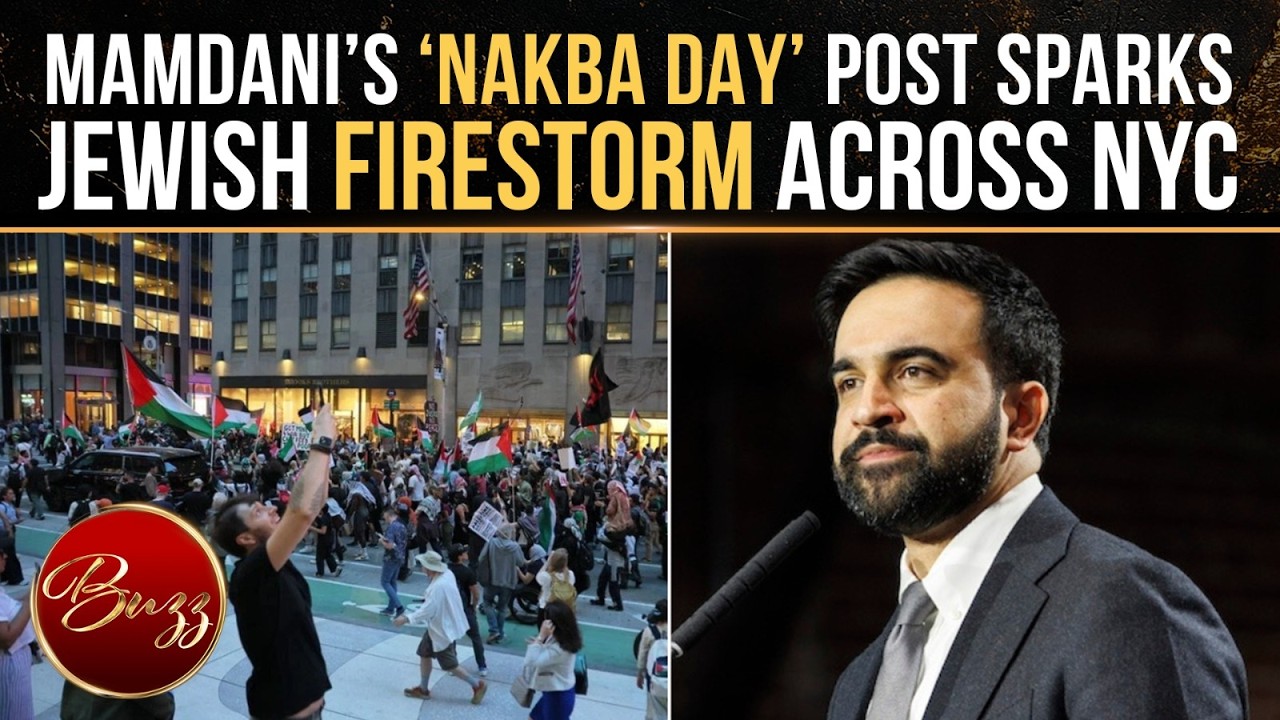
New York City Mayor Zohran Mamdani has come under intense and immediate scrutiny following the release of a controversial Nakba Day video that has drawn sharp rebuke from Jewish organizations, elected officials, and community leaders who accuse the administration of advancing a deeply incomplete and politically charged narrative regarding the founding of the State of Israel.
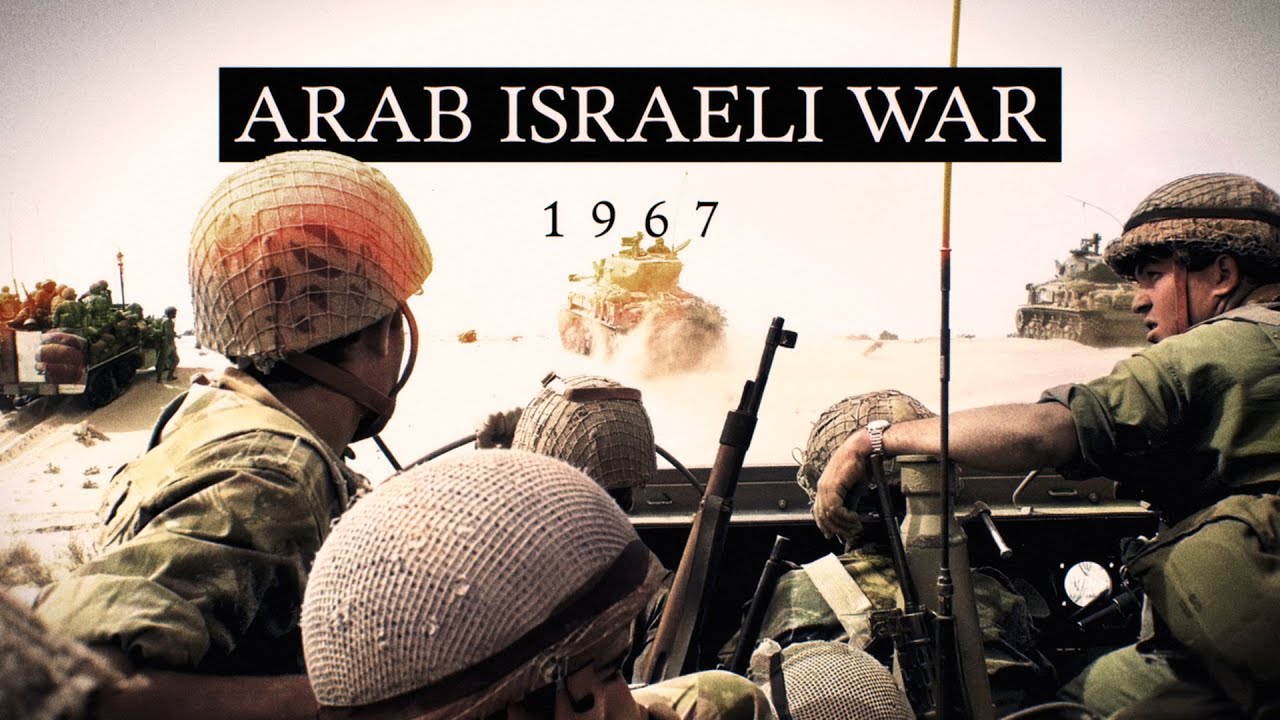
The video, disseminated by the mayor’s office on Friday shortly before the onset of Shabbat, sought to commemorate what is described by Palestinian advocates as the “Nakba,” or catastrophe, referring to the purported displacement of Palestinians during the 1948 Arab-Israeli war. However, as reported on Saturday by VIN News, critics contend that the presentation omitted critical historical context, thereby fostering a one-sided portrayal that risks inflaming already heightened communal tensions in the nation’s largest city.
The Naqba Day protesters in Washington Square Park in NYC state their objectives as it pertains to the complete annihilation of Israel and all of its Jewish inhabitants. #NaqbaDay @washingtonsqpk @PAL_Awda #intifada @Israel pic.twitter.com/PmJcHxjMZW
— The Jewish Voice (@TJVNEWS) May 15, 2026
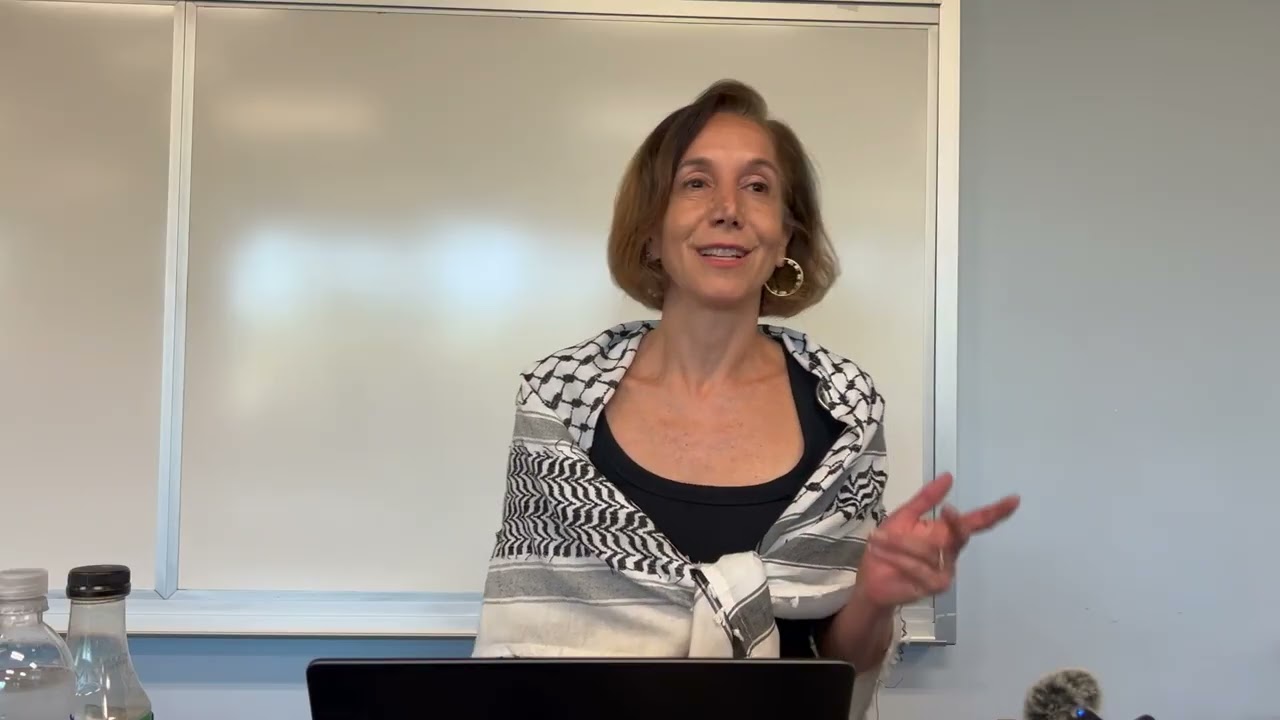
Central to the controversy is the video’s narrative framing. The presentation featured testimony from a Palestinian resident recounting her family’s departure from Jerusalem during the 1948 conflict and characterized the Nakba as an “ongoing experience” for Palestinians. While such accounts are not uncommon in discussions of the period, critics argue that the exclusion of key historical facts fundamentally distorts the broader context of the events.
As VIN News reported, Jewish advocacy groups were swift and unequivocal in their response. The UJA-Federation of New York issued a pointed critique, asserting that the mayor’s office had presented “a selective version of history” that failed to acknowledge the complex and multifaceted realities surrounding Israel’s establishment. In particular, critics emphasized the absence of any reference to the coordinated invasion of the nascent Jewish state by multiple Arab armies immediately following its declaration of independence.
Equally notable, according to the VIN News report, was the video’s omission of the United Nations partition plan of 1947, which proposed the creation of both Jewish and Arab states in the region. Arab leaders at the time rejected the proposal outright, a decision that precipitated the ensuing conflict. By excluding this foundational element, detractors argue, the video effectively erases the diplomatic context that preceded the war.
The criticism did not stop there. Lawmakers and community leaders also underscored the absence of any mention of the displacement of Jewish communities from Arab countries in the years following Israel’s founding—a phenomenon that saw hundreds of thousands of Jews forced to flee or expelled from their homes across the Middle East and North Africa. As one critic cited by VIN News observed, “you cannot tell the story of 1948 while ignoring the parallel suffering and displacement experienced by Jewish communities.”
Among the most vocal critics were New York State Assemblymembers Simcha Eisenstein and Sam Berger, who questioned not only the content of the video but also the decision to allocate municipal resources toward what they described as a politically motivated project. “This is not neutral education,” one of the lawmakers asserted. “This is the promotion of a narrative that is deeply hostile to Israel and profoundly insensitive to the Jewish community.”
Their concerns were echoed by a broad coalition of Jewish organizations, many of which warned that the timing and tone of the video were particularly troubling given the current climate of rising antisemitism in New York City. According to the VIN News report, several leaders cautioned that such messaging, when disseminated by a high-ranking public official, carries significant weight and has the potential to exacerbate divisions within an already polarized environment.
“This is not happening in a vacuum,” one communal representative stated. “At a time when Jewish New Yorkers are facing increased hostility and threats, the mayor’s office has a responsibility to promote unity and historical accuracy—not narratives that deepen mistrust.”
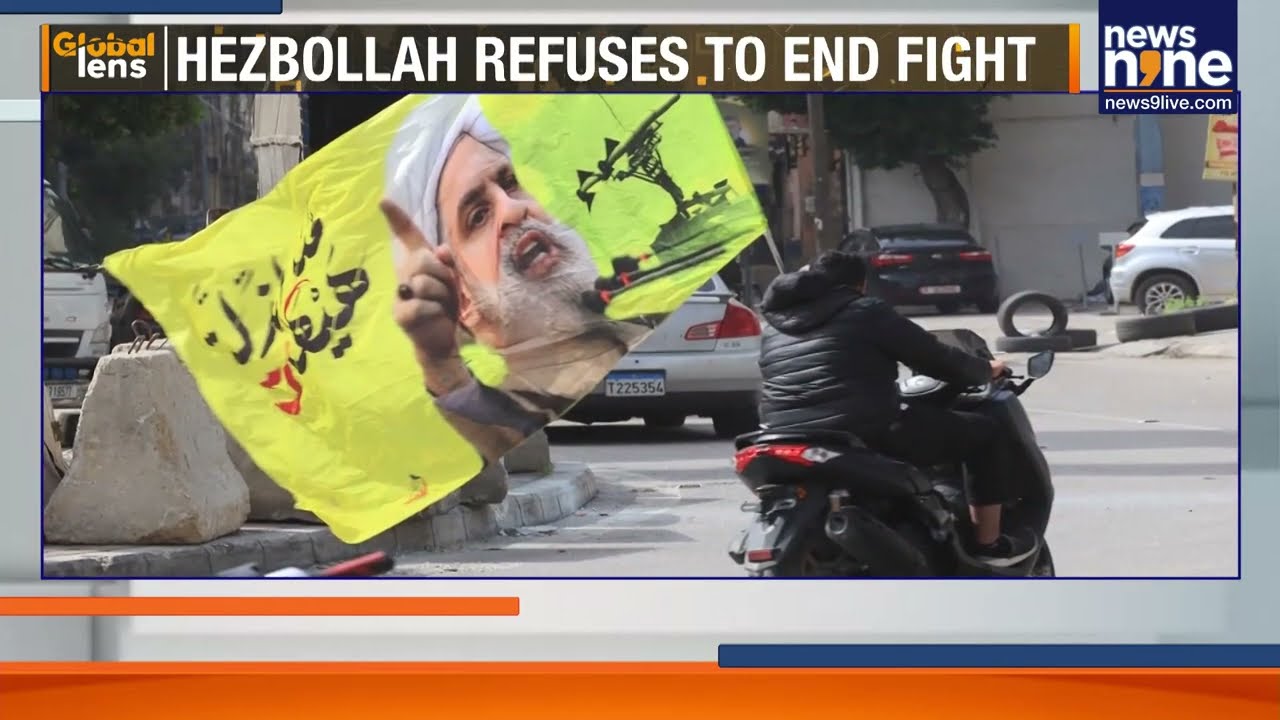
The backlash unfolded against the backdrop of Nakba Day demonstrations in Manhattan, where some protesters displayed Hezbollah flags and chanted slogans calling for the elimination of Israel. These developments further heightened concerns among Jewish leaders, who argued that the mayor’s video, whether intentionally or not, risked lending legitimacy to extremist rhetoric.
“The optics are deeply concerning,” one observer noted. “On the same day that demonstrators are calling for Israel’s destruction, the mayor’s office releases a video that many perceive as reinforcing a one-sided and accusatory narrative. That combination is profoundly troubling.”
Compounding the controversy was the juxtaposition of the video’s release with the mayor’s earlier statements condemning antisemitism. Earlier in the day, Mamdani had praised law enforcement authorities for arresting a suspect accused of planning an attack on a New York synagogue, declaring that “antisemitism and extremism will not be tolerated in this city.”
While these remarks were welcomed by many, critics argued that they stood in stark contrast to the content of the Nakba Day video. “You cannot on one hand denounce antisemitism and on the other promote a narrative that contributes to it,” one elected official told VIN News. “Consistency matters, especially in moments of heightened tension.”
The mayor’s office has not issued a comprehensive response to the criticism as of this writing, leaving many questions unanswered regarding the intent and vetting process behind the video. However, the intensity of the reaction suggests that the issue is unlikely to dissipate quickly.
For many observers, the controversy underscores a broader challenge facing public officials in navigating complex historical and geopolitical issues within a diverse and often divided constituency. The Israeli-Palestinian conflict, with its deeply entrenched narratives and emotional resonance, presents particular difficulties in this regard.
Yet, as critics have emphasized, the responsibility of public office demands a commitment to balance, accuracy, and sensitivity. “History is not a tool to be selectively deployed,” one community leader remarked. “It must be presented in its full complexity, especially when it touches on issues that are so deeply personal and consequential for so many people.”
The VIN News report highlighted the ways in which narratives surrounding Israel and its founding can influence perceptions and shape public discourse. In this instance, the reaction to the mayor’s video serves as a stark reminder of the stakes involved.
As New York City continues to grapple with rising antisemitic incidents and broader questions of social cohesion, the episode raises fundamental questions about the role of government in shaping historical narratives and the impact of such efforts on communal relations.
Today marks Nakba Day, an annual day of remembrance to commemorate the expulsion of more than 700,000 Palestinians between 1947 and 1949 during the creation of the State of Israel and the year that followed.
Inea is a New Yorker and a Nakba survivor. She shared her story with us… pic.twitter.com/z2PBOaJq5Z
— Mayor Zohran Kwame Mamdani (@NYCMayor) May 15, 2026
Whether the mayor’s office will seek to clarify or revise its position remains to be seen. What is clear, however, is that the release of the Nakba Day video has ignited a debate that extends far beyond a single piece of content, touching on issues of historical memory, political responsibility, and the delicate balance required to govern a city as diverse and dynamic as New York.
In the words of one critic quoted by VIN News, “This is not just about a video. It is about trust, accountability, and the obligation to tell the full story—not just the parts that fit a particular narrative.”




2 Comments
Maxwell
May 17, 2026So, where was the video for Holocaust remembrance day? I’m sure he has one in the works, right?
Neal
May 17, 2026Better to put out a video that the words of the Jewish prophets are becoming a reality with the birth of the Jewish state than complaining about Mamdani – who will probably never change. Let Mamdani explain that according to his religious beliefs.