



























Hebcal New York Loading…
  • Home  
  • LIRR Strike Raises Alarm Over Potential Transit Chaos Across New York
- New York News

LIRR Strike Raises Alarm Over Potential Transit Chaos Across New York

Getting your Trinity Audio player ready...

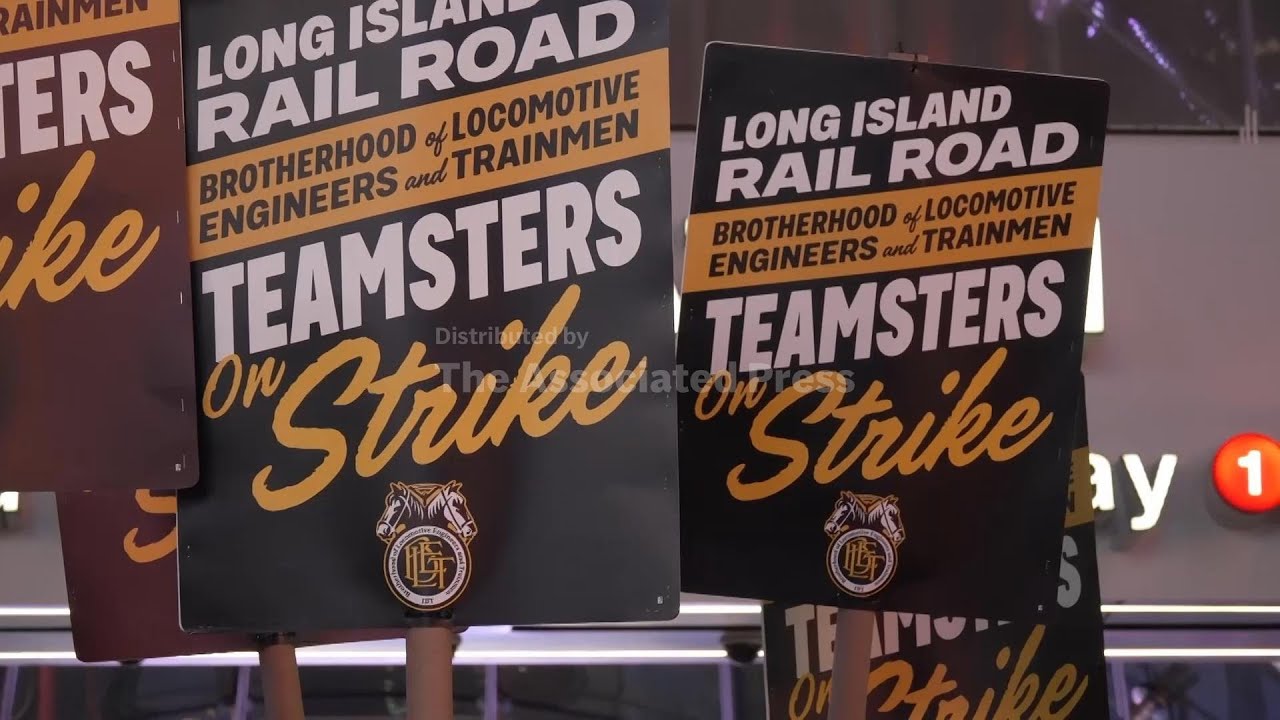
AP reports that engineers operating the Long Island Rail Road officially went on strike Friday after contract negotiations between the Brotherhood of Locomotive Engineers and Trainmen and the Metropolitan Transportation Authority collapsed, triggering major transportation disruptions across the New York metropolitan area. (apnews.com)

The strike marks the first major LIRR work stoppage in decades and immediately threw commuting schedules into turmoil for hundreds of thousands of riders who depend on the rail system daily to travel between Long Island and New York Cit

Massive Disruptions Across Long Island

The Long Island Rail Road is one of the busiest commuter rail systems in the United States, carrying more than 250,000 passengers each weekday.

With engineers now officially off the job, AP reports that train cancellations and severe service disruptions spread rapidly throughout the system as commuters scrambled for alternate transportation options. (apnews.com)

Highways, bridges, buses, and rideshare services across Long Island and New York City quickly experienced mounting congestion as displaced commuters flooded alternative transit routes.

Transportation analysts warned that prolonged disruptions could create severe economic consequences throughout the region.

Union Says Workers Forced Into Strike

According to AP reports, union officials argued that railroad engineers were left with no choice after negotiations over wages and contract conditions stalled. (apnews.com)

The Brotherhood of Locomotive Engineers and Trainmen said workers were seeking compensation that better reflects inflation, rising housing costs, and the demanding nature of commuter rail operations in the New York area.

Union representatives accused the MTA of failing to provide a fair contract offer despite months of negotiations.

Workers also expressed frustration over scheduling demands and broader concerns tied to staffing and long-term working conditions.

MTA Scrambles to Manage Crisis

The Metropolitan Transportation Authority urged commuters to work remotely if possible while emergency contingency measures were activated across the transit network.

AP reports that transit officials warned riders to expect significant delays and overcrowding as the strike continued. (apnews.com)

MTA leadership criticized the union’s decision to walk off the job, arguing that the agency had already offered substantial wage increases and benefits improvements.

Officials also warned that the strike could inflict major financial damage on the regional economy if not resolved quickly.

Businesses and Commuters Brace for Fallout

The strike immediately reignited fears of a broader transportation crisis across the New York metropolitan region.

Businesses throughout Manhattan, Queens, Brooklyn, and Long Island began preparing for staffing shortages and operational disruptions as workers struggled to reach offices and job sites.

Restaurants, retailers, healthcare facilities, and financial firms were among the industries expected to feel the impact most heavily.

Commuters interviewed following the strike announcement described panic, confusion, and frustration as many faced dramatically longer travel times.

Federal Mediation Efforts Continue

Despite the strike beginning, AP reports that federal mediators and transit officials are continuing efforts to restart negotiations and reach a settlement. (apnews.com)

Political leaders are now facing mounting pressure to help broker a deal before disruptions worsen further.

Transportation experts warn that every additional day of the strike could compound traffic congestion, economic losses, and commuter frustration across the region.

New York Faces Another Transit Crisis

The LIRR strike arrives as New York’s broader transportation system remains under pressure from aging infrastructure, financial challenges, labor disputes, and post-pandemic ridership instability.

For many commuters, the work stoppage represents yet another reminder of how vulnerable the region’s transportation infrastructure remains.

As negotiations continue behind closed doors, hundreds of thousands of riders are now left waiting to see how long one of New York’s most disruptive transit strikes in years will last.

Leave a comment

Your email address will not be published. Required fields are marked *
