






















|
Getting your Trinity Audio player ready...
|
By: Fern Sidman
Against the backdrop of rising antisemitism, ongoing geopolitical turbulence, and renewed debates over Jewish identity and continuity, prominent Jewish community leaders, activists, philanthropists, and Israeli government officials convened in New York City on Thursday for a special gathering organized by the Israel Justice Organization and Arutz Sheva-Israel National News.
The event, led by Dr. Joe Frager and Jonathan Burkan and attended by Israeli Cabinet ministers Ofir Sofer, Amichai Eliyahu, and Yitzhak Wasserlauf, served as a forum for extensive discussions regarding the challenges confronting the Jewish people worldwide, the strengthening of ties between Israel and Diaspora communities, and the strategic importance of preserving Jewish heritage and national resilience.
According to a report on Thursday by Israel National News, the gathering brought together influential voices from both sides of the Atlantic at a moment when concerns about antisemitism, Jewish security, and Israel’s international standing remain at the forefront of communal discourse.
The evening was moderated by Yoni Kempinski, editor of the English-language division of Israel National News and a longtime journalist and commentator. Kempinski guided the discussions and facilitated conversations that ranged from the challenges facing Jewish communities in North America to Israel’s strategic position amid mounting regional threats.
Throughout the evening, participants repeatedly emphasized that the relationship between Israel and Diaspora Jewry remains one of the defining pillars of Jewish continuity and collective strength.
Attendees noted that the challenges confronting Jewish communities today transcend national borders and require a coordinated response rooted in mutual responsibility, shared history, and a common vision for the future.
Over dinner, community leaders and government officials engaged in extensive discussions regarding methods of strengthening cooperation between Jewish communities around the world and the State of Israel.
Participants explored ways to deepen educational initiatives, foster cultural exchange, encourage immigration to Israel, and build stronger institutional partnerships capable of confronting rising hostility toward Jews and the Jewish state.
According to the information provided in the Israel National News report, many of those present stressed that the enduring bond between Israel and Diaspora communities remains essential to the Jewish people’s ability to navigate increasingly complex global realities.
Several participants argued that the post-October 7 environment has demonstrated the necessity of maintaining strong relationships across the global Jewish community.
For many in attendance, the Hamas massacre of October 7 represented not only an assault on Israel but also an attack on the broader Jewish world.
Consequently, strengthening communal solidarity was viewed as both a moral imperative and a strategic necessity.
Minister Sofer Highlights Strategic Alliance Between Israel and the United States
Aliyah and Integration Minister Ofir Sofer delivered remarks emphasizing the importance of the partnership between North American Jewry and Israel, describing it as a vital component of the Jewish people’s collective resilience.
According to the information contained in the Israel National News report, Sofer praised those gathered and characterized their participation as evidence of the enduring connection between Israel and Jewish communities abroad.
The minister also focused considerable attention on the strategic relationship between Israel and the United States, particularly in light of ongoing concerns regarding Iran and regional security.
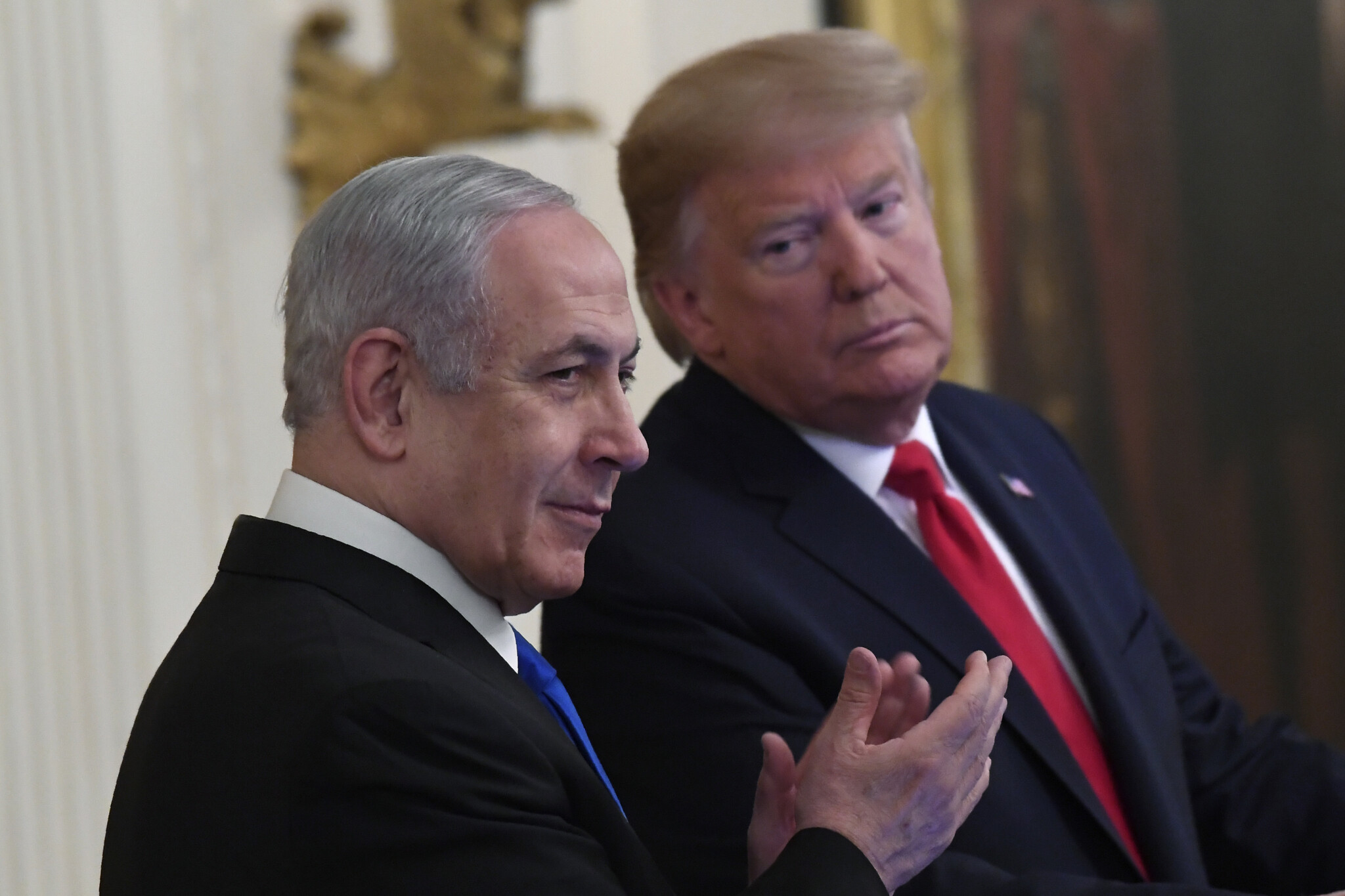
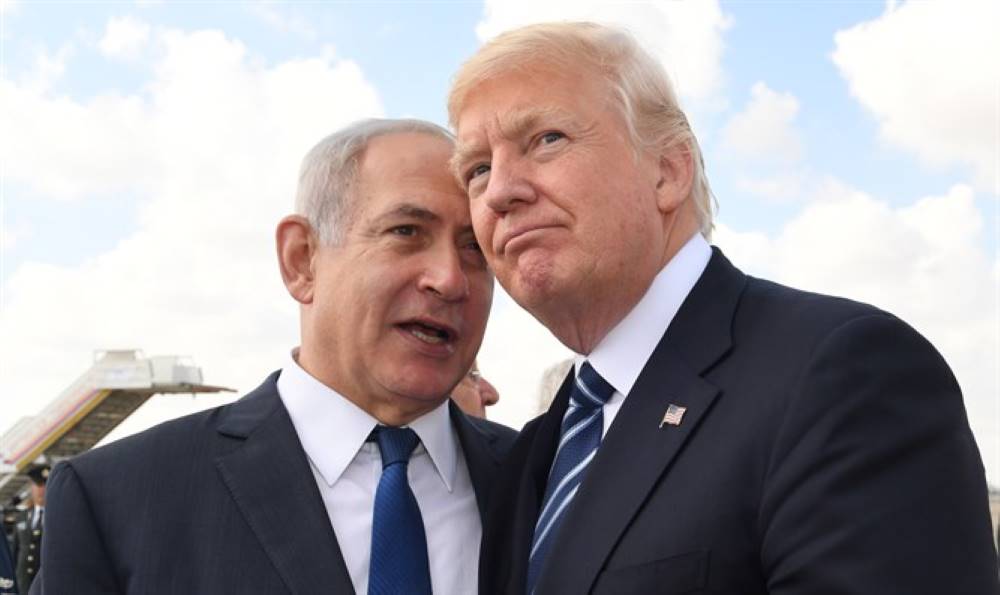
“Even today, there is a close connection between Benjamin Netanyahu and Donald Trump, and Israel’s positions are conveyed directly and receive attention and understanding as part of the close cooperation between the countries,” Sofer stated.
His comments underscored the continuing importance that many Israeli officials place on maintaining close coordination with Washington regarding security matters.
At the same time, Sofer stressed that Israel’s national security decisions ultimately remain independent.
“Israel will always be committed, above all, to the security of the state’s citizens and will act to defend itself in any situation,” he declared.
The minister also addressed immigration and integration issues, emphasizing that new immigrants remain a crucial source of national strength.
As Minister of Aliyah and Integration, Sofer argued that immigration has become even more significant following the October 7 attacks. He suggested that the continued arrival of Jews from around the world contributes not only to demographic growth but also to national resilience during periods of crisis.
Sofer further touched upon contemporary cultural and political debates within Israel, specifically referencing public controversy surrounding the appointment of the director general of the Israel Antiquities Authority.
In remarks that generated considerable discussion among attendees, he described the controversy as “a war by the progressives,” arguing that certain ideological forces oppose efforts to strengthen public awareness of Jewish historical roots and national identity.
Eliyahu Emphasizes Jewish Heritage and Historical Continuity
Heritage Minister Amichai Eliyahu delivered one of the evening’s most symbolically powerful presentations, focusing extensively on the importance of preserving and transmitting Jewish historical consciousness.
Eliyahu framed contemporary debates as part of a broader struggle between those seeking to strengthen connections to Jewish heritage and those attempting to weaken such ties.
The minister argued that this challenge exists not only in Israel but also throughout Jewish communities in the United States and elsewhere.
He described the mission of the Heritage Ministry as helping individuals reconnect with their historical and cultural foundations, particularly among new immigrants who may be seeking stronger links to their ancestral traditions.
One of the evening’s most memorable moments occurred when Eliyahu removed an ancient ring from his pocket and displayed it to the audience.
The artifact, dating from the period surrounding the destruction of the Second Temple, bore ancient Hebrew script and served as a tangible symbol of Jewish continuity across millennia.
Holding up the ring, Eliyahu offered a pointed observation. “It does not say ‘Free Palestine’ here,” he remarked.
The comment drew significant attention from those gathered and was intended to underscore what he described as the enduring historical connection between the Jewish people and the Land of Israel. “This is another reminder of the unbreakable connection between the people of Israel today and previous generations over thousands of years,” he said.
For many attendees, the artifact served as a powerful illustration of the historical narrative that continues to shape contemporary Jewish identity and Israeli national consciousness.
The minister’s presentation highlighted the belief that archaeological discoveries and historical artifacts provide tangible evidence of the longstanding Jewish presence in the region and reinforce the continuity of Jewish civilization.
Wasserlauf Reflects on Critical Moments During Confrontation With Iran
Minister Yitzhak Wasserlauf offered participants a rare and deeply personal glimpse into some of the most consequential moments of recent Israeli decision-making.
According to the Israel National News report, Wasserlauf recounted his experiences during deliberations surrounding Operation Rising Lion and the government’s decision to confront Iran.
His remarks provided attendees with insight into the gravity of the choices facing Israeli leaders during periods of national crisis.
Wasserlauf described the atmosphere surrounding those discussions as one marked by extraordinary tension and uncertainty.
The minister shared personal reflections regarding how he coped with the immense weight of responsibility during those critical hours.
He revealed that he found comfort in the recitation of Psalms while confronting difficult forecasts presented to government officials. According to his account, many of the scenarios being considered at the time carried potentially severe consequences.
Yet amid those challenges, he said, faith provided a source of strength and perspective.
Wasserlauf emphasized that during those moments he believed divine intervention and national perseverance were inseparable elements of Israel’s survival. He explained that, from his perspective, the events that unfolded required both recognition and gratitude.
The minister stated that the experience reinforced his belief in the importance of acknowledging what he characterized as extraordinary outcomes achieved despite difficult circumstances.
His remarks resonated with many attendees who viewed Israel’s recent security challenges through both strategic and spiritual lenses.
Strengthening Global Jewish Unity
Throughout the gathering, participants returned repeatedly to a central theme: the necessity of strengthening Jewish unity in an increasingly volatile world.
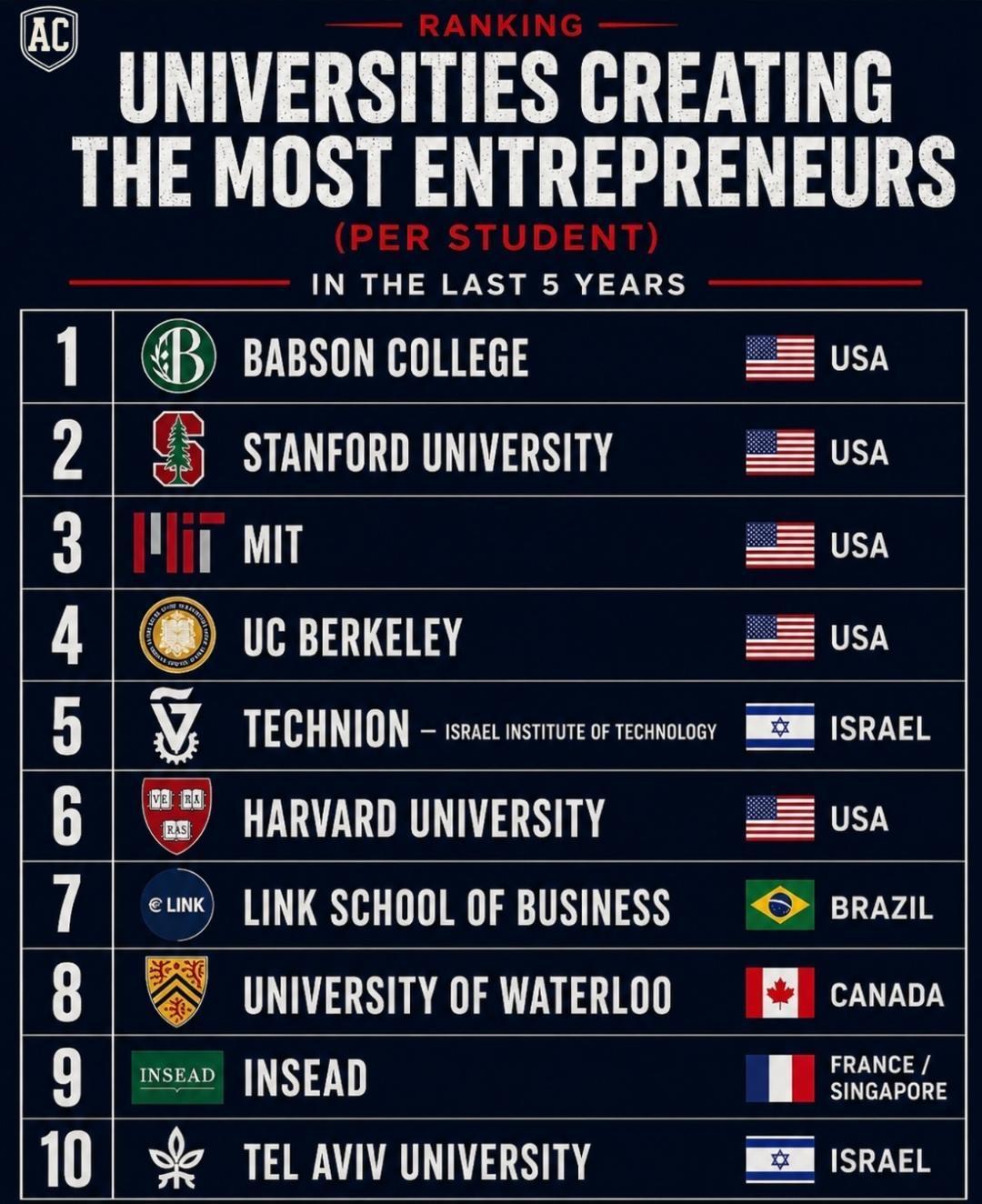
Israel National News reported that discussions consistently highlighted concerns about rising antisemitism, challenges facing Jewish students on university campuses, threats directed against Jewish institutions, and efforts to delegitimize Israel in international forums.
Speakers argued that confronting these challenges requires a renewed commitment to Jewish education, cultural continuity, and communal cooperation.
Many attendees emphasized that the relationship between Israel and Diaspora communities must evolve beyond symbolic gestures and develop into a deeper strategic partnership capable of addressing contemporary threats.
The evening ultimately served as both a celebration of shared identity and a call to action.
Participants expressed confidence that the enduring bonds linking Jewish communities worldwide remain strong despite growing external pressures.
As the gathering concluded, the prevailing message was one of resilience, continuity, and collective responsibility.
For those assembled in New York, the event represented more than a discussion of current events. It reflected a broader conviction that the Jewish people’s future depends upon maintaining the connections that have sustained them across generations and continents.
In an era marked by uncertainty and rising challenges, attendees repeatedly emphasized that those connections remain among the Jewish world’s most valuable assets.



