


















|
Getting your Trinity Audio player ready...
|
By: Max Schleifer
Tens of thousands of participants, spectators, community leaders, elected officials, marching bands, and cultural organizations are expected to converge along Manhattan’s famed Fifth Avenue on Sunday, May 31, 2026, as New York City hosts the annual Israel Day on Fifth parade, one of the largest public celebrations of Israeli culture and Jewish identity outside the State of Israel.
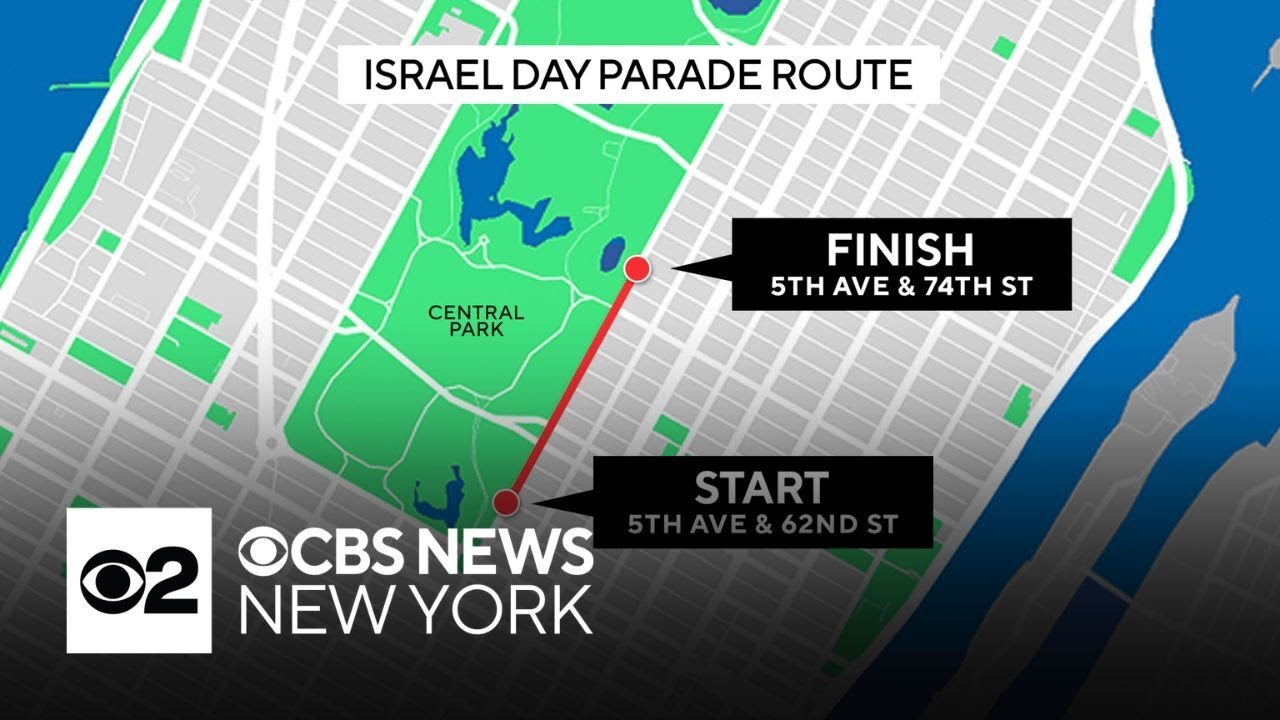
The event, which will run from 11:30 a.m. until approximately 4:00 p.m., has long served as a prominent fixture on New York City’s civic calendar. Organizers anticipate another large turnout as participants march from 52nd Street to 74th Street along Fifth Avenue, continuing a tradition that has endured for more than six decades.
This year’s parade arrives amid an increasingly complex political and security environment, drawing national attention not only for its cultural significance but also because of the decision by Mayor Zohran Mamdani not to attend the event, making him the first New York City mayor in more than 60 years to decline participation.
The Israel Day Parade, officially known as Israel Day on Fifth, traces its origins to 1964, when supporters organized an event commemorating the creation and development of the modern State of Israel. What began as a comparatively modest gathering eventually evolved into a major annual procession stretching along one of the most recognizable thoroughfares in the world.
Over the decades, the parade has become synonymous with public displays of Jewish pride, cultural heritage, and support for Israel. Schools, synagogues, community organizations, youth groups, cultural institutions, and civic leaders traditionally participate in the event.
This year’s procession is expected to feature colorful floats, musical performances, marching bands, community delegations, and thousands of participants representing a broad spectrum of Jewish organizations from across New York and beyond.
The event remains one of the largest annual demonstrations of solidarity with Israel anywhere outside the Jewish state itself.
Given the current global security climate and heightened concerns surrounding antisemitism and threats against Jewish institutions, authorities have implemented an extensive security plan for the event.
Law enforcement officials have indicated that spectators should expect significant screening procedures and a visible police presence throughout the parade route.
Security officials have designated numerous prohibited items within spectator areas, including firearms, knives, and other weapons. Backpacks, large bags, umbrellas, lawn chairs, folding chairs, picnic blankets, coolers, drones, and oversized banners or flags that could obstruct visibility will also be prohibited.
Attendees are being encouraged to arrive early, allow additional time for security screenings, and comply with all instructions issued by law enforcement personnel.
The heightened security posture reflects broader concerns about threats targeting Jewish communities both domestically and internationally.
The parade will have a significant impact on traffic patterns throughout Midtown Manhattan and portions of the Upper East Side.
According to event organizers and city officials, extensive street closures will begin early Sunday morning.
Formation areas along Fifth Avenue and surrounding cross streets between 51st Street and 56th Street will be restricted before the event begins. During the parade itself, Fifth Avenue between 62nd Street and 74th Street will be subject to significant closures and traffic limitations.
Motorists are being advised to seek alternate routes and anticipate delays throughout the day.
Public transportation officials are also encouraging attendees to utilize subway and bus services whenever possible.
One of the most prominent figures participating in this year’s celebration will be New York City Police Commissioner Jessica Tisch, who is serving as grand marshal.
Tisch’s role underscores both the ceremonial significance of the event and the extraordinary security planning that has accompanied preparations.
Her participation reflects a longstanding tradition in which prominent civic leaders are selected to help lead the procession and represent the broader relationship between New York City and its Jewish community.
While the parade itself remains focused on cultural celebration and community solidarity, political attention has increasingly centered on Mayor Zohran Mamdani’s decision not to attend.
The mayor has publicly stated that his absence reflects his disagreements with policies of the Israeli government rather than opposition to New York’s Jewish community.
Responding to criticism from some Jewish leaders and community organizations, Mamdani emphasized his continued commitment to protecting the event and supporting Jewish life throughout the city.
“I look forward to joining and hosting many community events celebrating Jewish life in New York and the rich Jewish history and culture of our city,” Mamdani stated.
The mayor added, “While I will not be attending the Israel Day Parade, my lack of attendance should not be mistaken for a refusal to provide security or the necessary permits for its safety.”
Mamdani further explained the principles guiding his decision. “I’ve been very clear: I believe in equal rights for all people everywhere. That principle guides me consistently,” he said.
The mayor’s announcement generated substantial discussion among political observers, community leaders, and elected officials.
Supporters have characterized the decision as an expression of personal political conviction, while critics argue that attendance at the parade historically transcends partisan or policy disagreements and serves as a gesture of solidarity with New York’s substantial Jewish population.
In contrast to the mayor’s decision, Governor Kathy Hochul is expected to participate in Sunday’s parade.
Her attendance continues a longstanding tradition among New York governors and statewide elected officials who have frequently joined the annual celebration.
Numerous federal, state, and local officials are also expected to march alongside community leaders, educators, students, religious organizations, and cultural groups.
Their participation highlights the parade’s continuing prominence within New York’s civic landscape.
For those unable to attend in person, extensive broadcast coverage will provide opportunities to follow the event remotely.
FOX 5 plans to stream the parade live through its FOX LOCAL platform from noon until 3:00 p.m.
The broadcast is expected to feature live coverage of marching groups, interviews with participants, and commentary highlighting the event’s history and significance.
Digital streaming options have increasingly expanded access to the parade, enabling viewers throughout the United States and internationally to observe the festivities.
The Israel Day Parade enters its latest chapter at a moment marked by heightened political debate, growing concerns about antisemitism, and ongoing discussions regarding the relationship between Israel and Jewish communities worldwide.
Yet despite those broader conversations, organizers emphasize that the event remains rooted in celebration, community engagement, and cultural expression.
For many participants, the annual march represents far more than a political statement. It serves as an affirmation of heritage, identity, continuity, and communal resilience.
As thousands gather along Fifth Avenue once again, the parade’s enduring presence demonstrates its unique role within New York City’s public life.
More than 60 years after its founding, Israel Day on Fifth continues to attract broad public attention, drawing together participants from diverse backgrounds in a tradition that has become an established part of the city’s cultural fabric.
When the first marchers step onto Fifth Avenue on Sunday morning, they will not only be participating in a parade but also continuing a longstanding civic tradition that has connected generations of New Yorkers to one another and to a shared celebration of history, culture, and community.