
















|
Getting your Trinity Audio player ready...
|
By: Fern Sidman
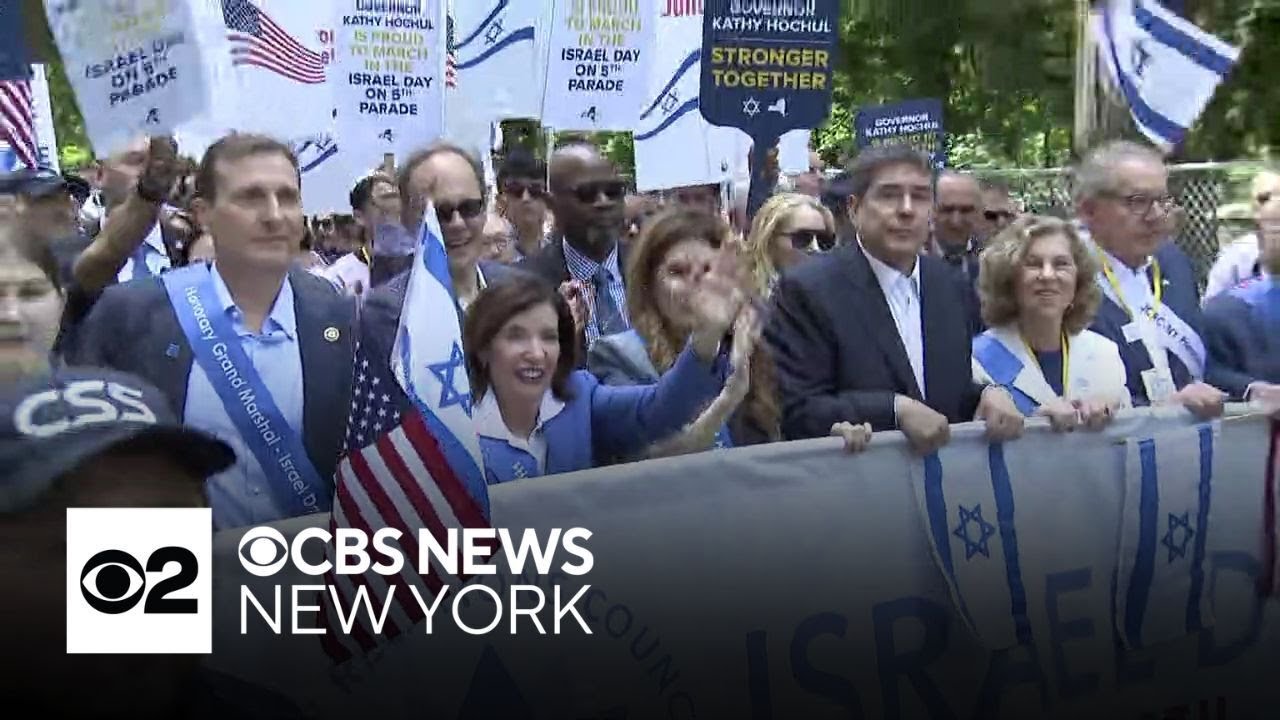
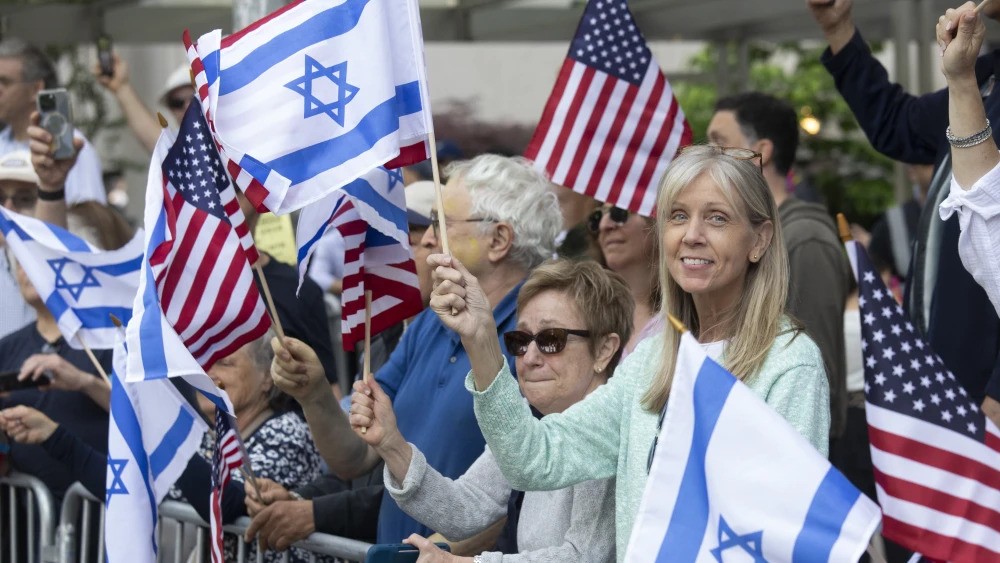
Tens of thousands of participants, spectators, community leaders, elected officials, clergy members, and supporters of Israel filled Manhattan’s Fifth Avenue on Sunday for the annual Israel Day Parade, transforming one of the city’s most iconic thoroughfares into a vibrant display of solidarity, cultural pride, and communal resilience.
Yet while the celebration itself projected a message of unity and support for New York’s Jewish community, much of the public conversation surrounding this year’s event centered on a conspicuous absence: Mayor Zohran Mamdani’s decision not to attend.
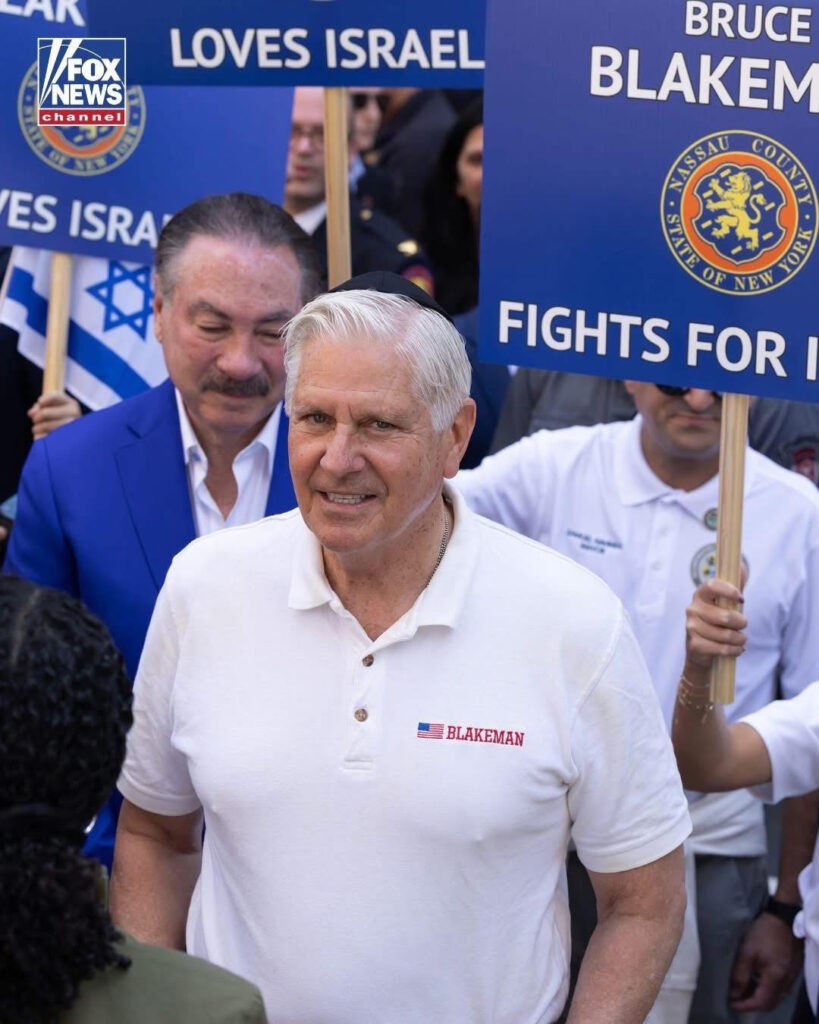
According to a report on Sunday in The New York Post, an array of high-profile political figures joined the festivities, including Governor Kathy Hochul, former Mayor Eric Adams, former Mayor Michael Bloomberg, New York City Police Commissioner Jessica Tisch, and numerous state and local elected officials. Their participation stood in sharp contrast to Mamdani’s decision to remain away from the event, a choice that continued to generate controversy among many parade attendees and Jewish community leaders.
The annual parade, one of the largest celebrations of its kind outside Israel, has long served as a gathering point for New Yorkers of diverse backgrounds who seek to celebrate Jewish heritage, recognize the enduring relationship between the United States and Israel, and demonstrate support for New York’s substantial Jewish population.
This year’s event unfolded against a backdrop of heightened concern over antisemitism, increased security measures, and growing political tensions surrounding the Middle East conflict.
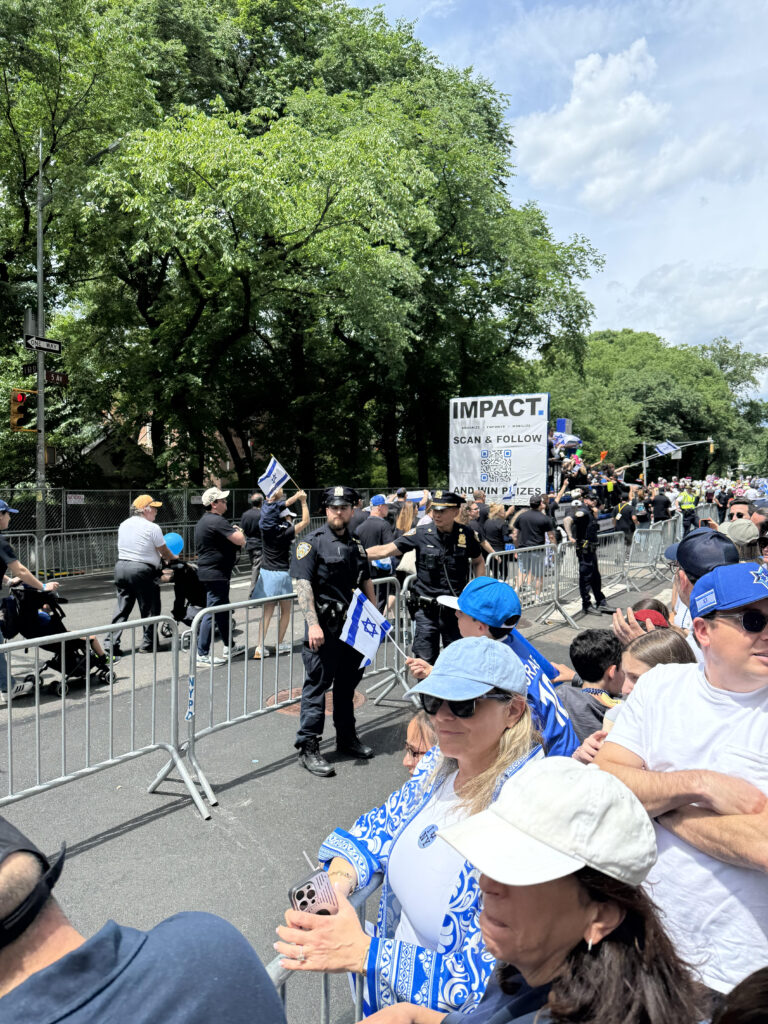
According to The New York Post report, Governor Hochul joined thousands of marchers who proceeded north along Fifth Avenue beneath a sea of Israeli and American flags.
Police Commissioner Jessica Tisch, who has become one of the most visible public officials addressing concerns about antisemitism and public safety in New York City, also participated prominently in the parade.
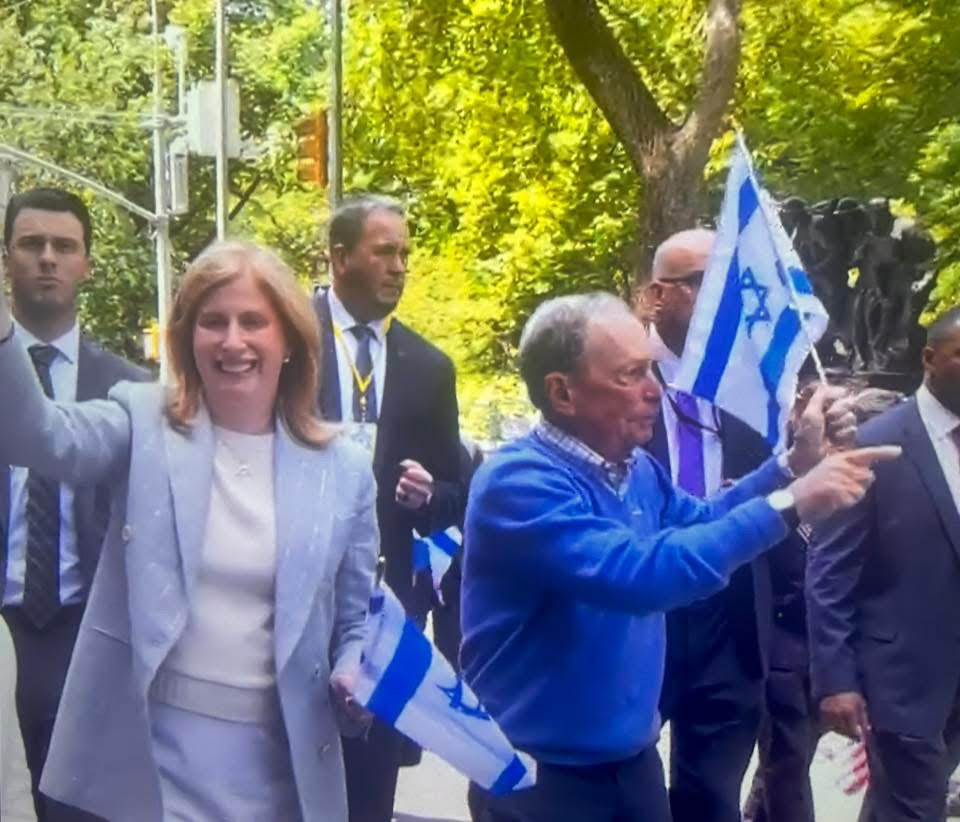
Tisch marched alongside former Mayor Michael Bloomberg, a longtime supporter of Israel who participated in the parade throughout his 12 years as mayor.
Dressed in blue and white and carrying an Israeli flag, Bloomberg received an enthusiastic reception from spectators lining the parade route.
According to The New York Post report, parade-goers began chanting “We miss you, Mike!” as Bloomberg walked beside Tisch behind an NYPD banner accompanied by uniformed officers.
Others reportedly shouted, “Jessie for mayor!” as the commissioner advanced through the crowd.
The enthusiastic response underscored the deep emotional significance that many participants attached to the presence of public officials who chose to march.
For many attendees, the participation of city and state leaders represented an affirmation of solidarity during a period when concerns about antisemitism remain elevated.
Commissioner Tisch’s participation was particularly notable given comments she made during a security briefing prior to the event.
Standing beside Mayor Mamdani at a press conference focused on parade security, Tisch addressed questions regarding the mayor’s absence.
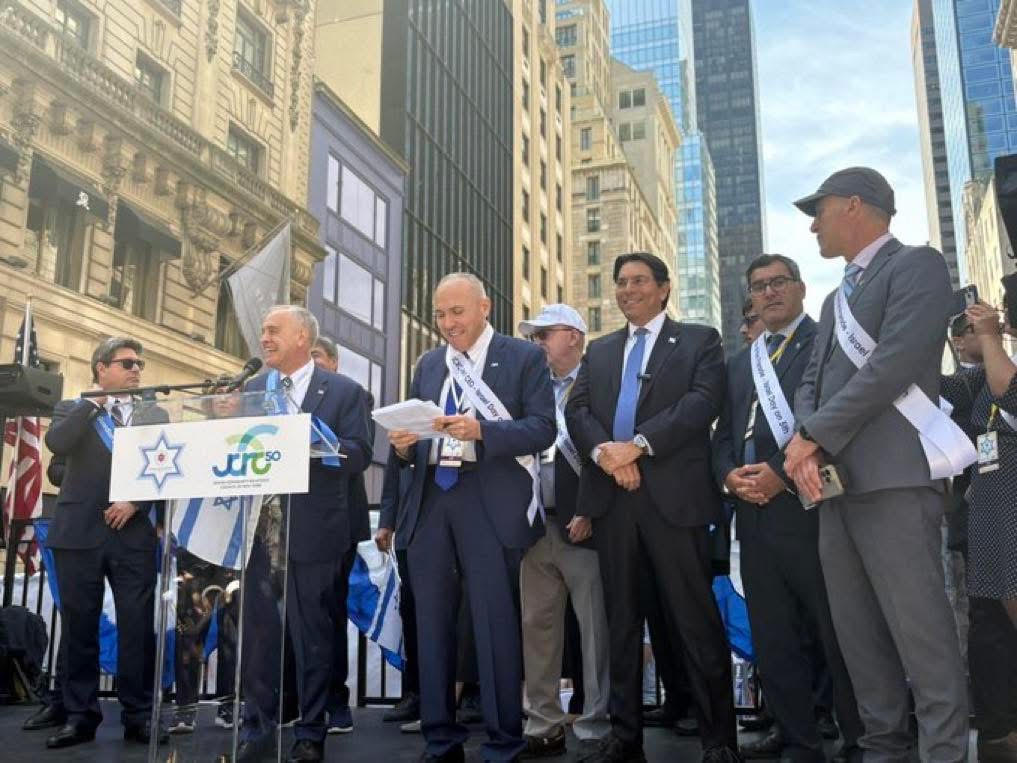
As was reported by The New York Post, she stated: “It’s the mayor’s decision not to march, and it’s my decision to march proudly.” That statement resonated strongly among many parade attendees.
Throughout the day, Tisch emphasized the importance of ensuring security for an event that has become a major symbolic gathering for New York’s Jewish community.
The NYPD deployed what officials described as one of the most comprehensive security operations ever assembled for the parade, reflecting ongoing concerns about threats directed at Jewish institutions and communities.
Former Mayor Eric Adams also drew considerable attention during the event. Having attended the parade throughout his tenure as mayor, Adams was greeted warmly by numerous participants.
Eric Adam the most popular ex-mayor in New York City today pic.twitter.com/wQsf56fRxR
— The Jewish Voice (@TJVNEWS) June 1, 2026
Adams used the occasion to criticize what he characterized as a failure of leadership at a time when antisemitic incidents remain a serious concern. “At a time when antisemitism is rising across our country and Jewish New Yorkers are facing hatred, intimidation and attacks at unprecedented levels, you cannot afford silence,” Adams declared in a video posted to social media.
As he marched through the parade route, spectators reportedly greeted him enthusiastically. “The real mayor is here, Mr. Adams!” one attendee shouted.
Another participant, Rabbi Yoav of Manhattan’s Lower East Side, called out: “We miss you, Mayor Adams!”
The interactions reflected the emotional and political significance that many parade-goers attached to the event.
While the parade moved forward with significant attendance and strong public enthusiasm, Mayor Mamdani’s absence remained a recurring topic of discussion.
The New York Post reported that Mamdani spent part of the day participating in a radio interview during which he discussed his future political ambitions and expressed enthusiasm for his role as mayor.
Later, he was reportedly seen riding a bicycle through the city.
Mamdani has long been an outspoken critic of Israeli government policies and has previously stated that he would not attend the parade. His position has been consistent throughout his political career.
In comments previously reported by the Jewish Telegraphic Agency, Mamdani stated: “While I will not be attending the Israel Day Parade, my lack of attendance should not be mistaken for a refusal to provide security or the necessary permits for its safety.” He continued: “I’ve been very clear: I believe in equal rights for all people — everywhere. That principle guides me consistently.”
Despite those assurances, critics argued that the mayor’s decision represented a departure from a longstanding tradition observed by New York City mayors for decades.
Many observers noted that Mamdani’s decision marked a rare break with precedent. According to The New York Post report, it may be the first time a New York City mayor has declined to attend the parade since its establishment in 1964.
That fact alone made the decision a major focus of media coverage and public discussion. For many participants, the issue was not merely political but symbolic. The parade has historically served as a unifying civic event that transcends partisan divisions.
As a result, some attendees expressed disappointment that the city’s highest elected official was not present.
Despite the controversy, the parade also featured moments highlighting interfaith cooperation and diversity.
One of the most notable developments was the participation of a Muslim contingent led by interfaith advocate Anila Ali, founder of the American Muslim & Multifaith Women’s Empowerment Council.
The New York Post reported that Ali led what was described as the first Muslim group to participate formally in the parade. Their presence represented an effort to demonstrate solidarity across religious communities and challenge assumptions about divisions between Muslims and supporters of Israel.
Ali indicated that members of the group faced hostility and intimidation before the event but chose to participate regardless. Their march drew praise from many spectators who viewed it as an important demonstration of interfaith cooperation.
Throughout the day, many parade attendees shared their views regarding the political controversy surrounding the mayor’s absence.
Stella Englard, a resident of Westchester County attending the parade while waving an Israeli flag, spoke bluntly about her feelings. “He’s disgusting, and it’s better off that he’s not here,” she told The New York Post. “There would be a lot of angry people if he was here.” Englard continued: “He’s the most divisive mayor that I have seen in my lifetime. This is the first time a mayor has not been to the Israel Day Parade. That tells you everything you need to know.”
She added that she believed the mayor had failed to demonstrate sufficient support for New York’s Jewish community.
Another attendee, Brooklyn resident Hedy Aldima, expressed a similar view. “First of all, we don’t want him here,” she said. “We don’t need him here.”
In remarks quoted by The New York Post, Aldima compared Mamdani unfavorably to former Mayor Bill de Blasio. “At one time I thought DeBlasio was the worst mayor. This guy makes him look like a cupcake,” she said. “DeBlasio was the worst mayor there ever was. This guy takes it all away from him.”
Despite the political debate, the overarching atmosphere of the day remained celebratory.
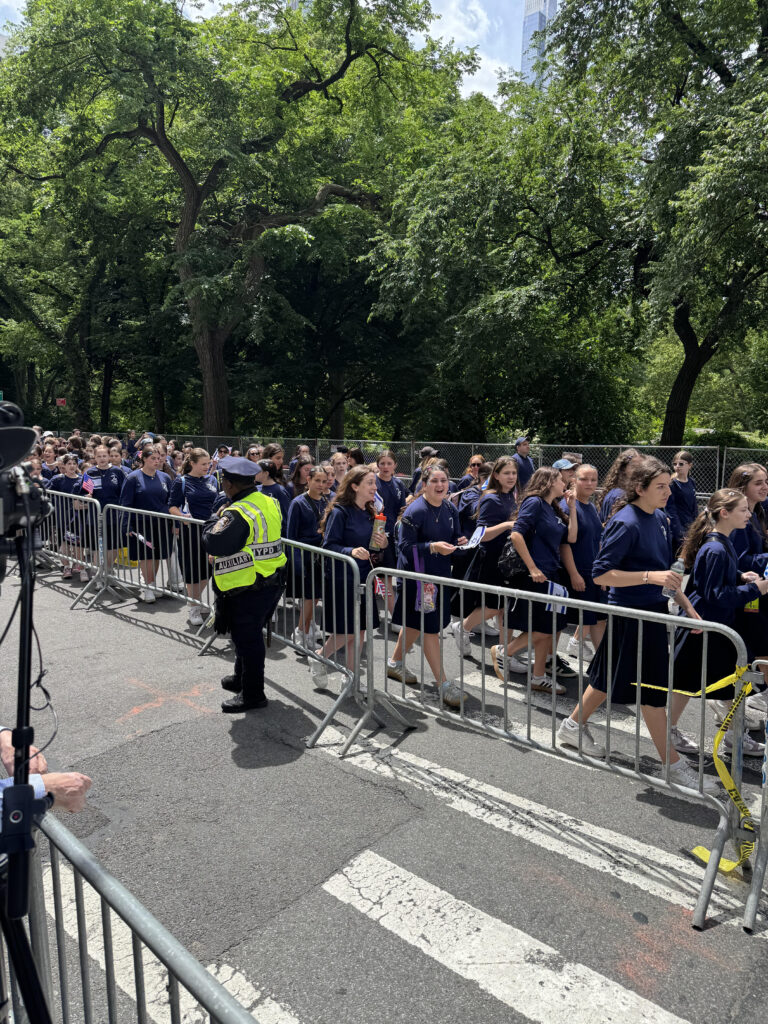
Thousands of participants marched proudly along Fifth Avenue carrying flags, performing music, dancing, and celebrating Jewish culture and identity. Community organizations, schools, synagogues, youth groups, elected officials, and civic leaders all participated in the annual tradition.
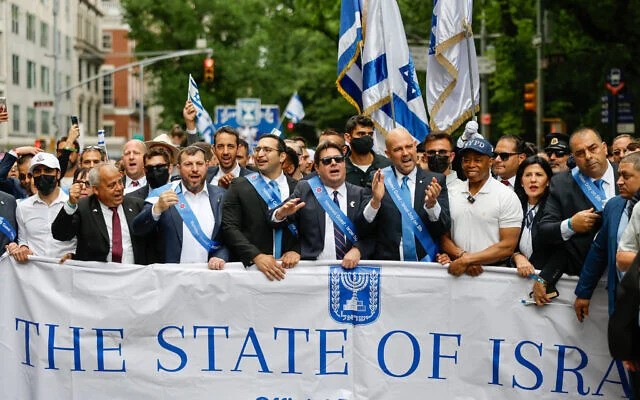
For many attendees, the central message of the parade remained unchanged: solidarity, resilience, and communal pride. While Mayor Mamdani’s absence generated headlines and debate, the event itself proceeded with remarkable energy and enthusiasm.
As Fifth Avenue filled with Israeli and American flags beneath bright skies and heightened security, participants demonstrated that the annual Israel Day Parade continues to serve as one of New York City’s most significant expressions of Jewish communal life and public support for Israel.
Whether viewed through a political lens or a cultural one, the parade once again underscored the enduring prominence of New York’s Jewish community and its determination to gather publicly, proudly, and without intimidation.



