
































|
Getting your Trinity Audio player ready...
|
By: Jeff Gorman
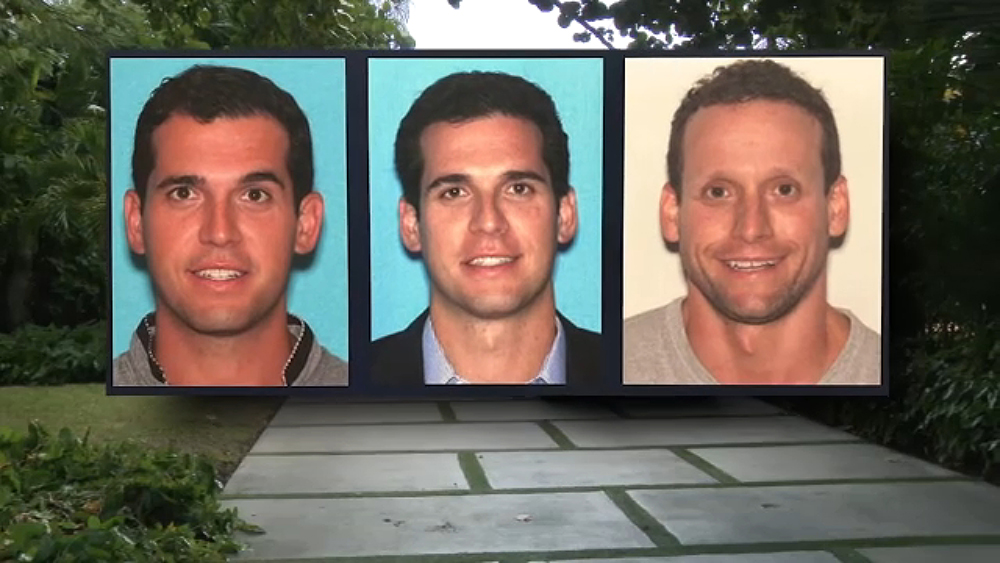
As the third week of the federal trial of Tal Alexander and his twin brothers, Oren and Alon Alexander, drew to a close on Friday, the proceedings had already assumed the gravity of a case that may leave a lasting imprint on the jurisprudence of sex trafficking prosecutions involving wealth, social power, and allegations of systemic abuse. The courtroom, according to a report on Friday in The New York Times, has become a crucible in which raw testimony, procedural rigor, and the psychological realities of trauma converge, forcing jurors—and the wider public—to confront the uncomfortable terrain where memory, consent, fear, and accountability intersect.
The Alexander brothers, prominent real estate figures accustomed to privilege and influence, stand charged in a sweeping 12-count indictment that includes conspiracy to commit sex trafficking and related offenses. If convicted on the most serious counts, they face the possibility of life imprisonment. The trial, which will resume on February 24 after a scheduled recess, has already been marked by moments of piercing emotional intensity and procedural disruption, including the removal of a juror who admitted to having formed a verdict prematurely.
The emotional core of the third week of testimony centered on the accounts of women who described sexual assaults that they say took place years earlier in settings of apparent affluence and social celebration: parties in Aspen and the Hamptons, gatherings that outwardly bore the trappings of privilege but, according to prosecutors, concealed patterns of exploitation and coercion. Judge Valerie Caproni herself remarked, in a moment captured by The New York Times, that jurors appeared to be “hanging on to every word” of one young woman’s testimony. That observation, made outside the presence of the jury, underscored the palpable atmosphere in the courtroom as Maylen Gehret recounted her allegation that she was drugged and raped by Alon Alexander in Aspen in 2017, when she was seventeen years old.
Her testimony carried an additional layer of complexity when subjected to cross-examination. Defense counsel elicited that she had not physically resisted or verbally said “no” during the alleged assault. The exchange, while legally conventional, highlighted the fraught terrain of consent law and the persistent misconceptions surrounding victim behavior under conditions of fear or incapacitation. It is precisely this terrain that prosecutors sought to contextualize later in the week through expert testimony, as the courtroom grappled not only with what occurred but with how trauma is experienced and remembered.
Another accuser, Lindsey Acree, testified with visible emotion about an alleged rape in a Hamptons home in 2011 involving Tal Alexander and another man. She described her memory of the event as fragmented, likening it to a “flipbook with missing pages,” a metaphor that resonated with many observers. The New York Times report noted that defense counsel pressed her on inconsistencies and the evolution of her recollections over time, a line of questioning that reflects a common strategy in sexual assault cases, where the fallibility of memory is often weaponized to undermine credibility. Yet Acree’s testimony also illuminated how trauma can fracture recollection, producing not fabrication but disjointed recall shaped by fear and dissociation.
A recurrent theme advanced by defense attorneys has been the suggestion that the accusers are motivated by financial gain, participating in what the defense characterizes as a coordinated civil litigation strategy designed to extract monetary settlements. The women who testified addressed this accusation directly, with The New York Times reporting their efforts to reclaim agency over the narrative imposed upon them. Gehret stated that her lawsuit was not about enrichment, noting that her family’s wealth rendered any financial motivation implausible.
Her framing of the lawsuit as a symbolic reclamation of power—an attempt to take something from those she says took from her—introduced a moral dimension that extends beyond pecuniary considerations. Acree, for her part, said that the decision to sue crystallized only after hearing defense attorneys publicly disparage accusers as gold diggers and con artists, a characterization she found cruel and dehumanizing.
The courtroom was further unsettled by testimony from women who described witnessing assaults on others. An accuser using the pseudonym Isa Brooks testified that during a Memorial Day weekend party in 2009, when she was sixteen, she was raped by Tal and Alon Alexander and two other men, and that she observed a group of men on top of another girl that same weekend.
Another witness, Avishan Bodjnoud, corroborated the presence of violent behavior at that gathering, recounting how she wrote accusatory messages on walls in eyeliner in a desperate attempt to leave some trace of what she had seen. The New York Times report emphasized the haunting nature of this detail, which suggested an instinctive, if futile, attempt to create evidence in an environment where the women felt powerless.



