















|
Getting your Trinity Audio player ready...
|
Blakeman Denounces Mamdani as “Un-American” During Protest Against Antisemitism in Queens
By: Jeff Gorman
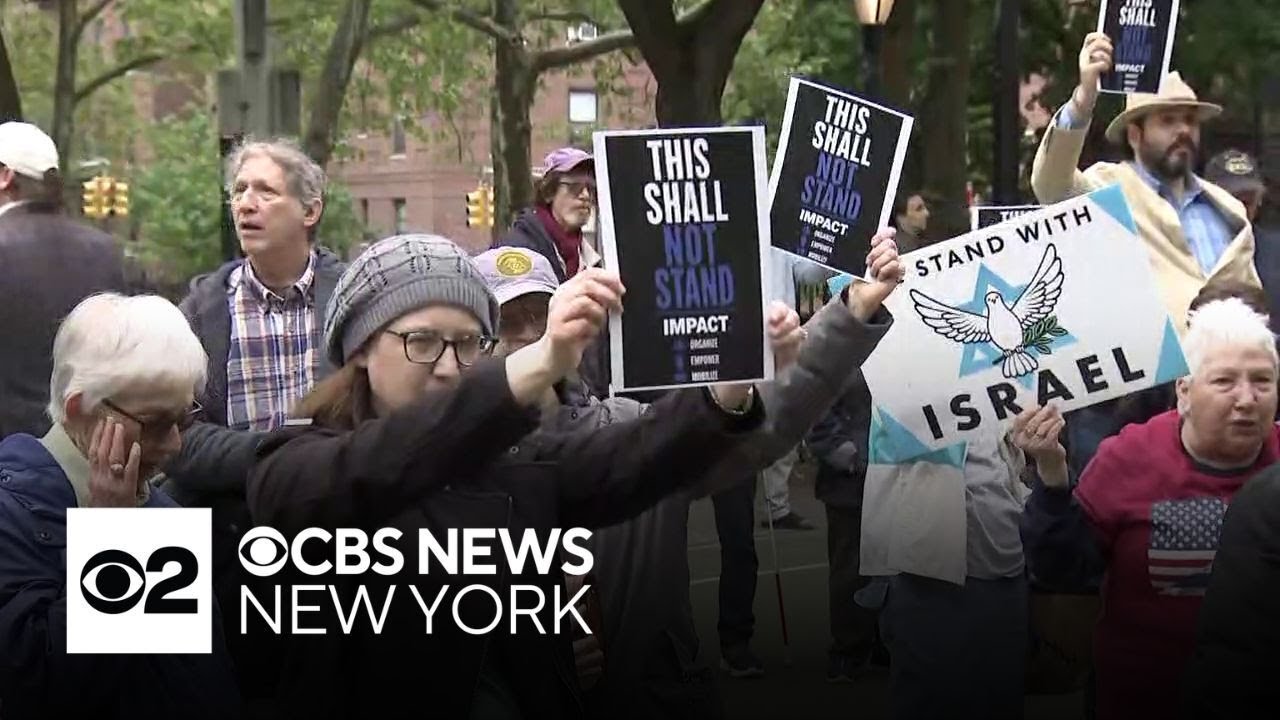
In a pointed and impassioned display of political dissent and communal anxiety, a rally in Queens on Sunday drew approximately 150 participants who gathered to denounce a troubling surge in antisemitic incidents across New York City. The event, held at Yellowstone Park in Forest Hills, became a platform for sharp criticism of Mayor Zohran Mamdani, with leading voices accusing his administration of fostering division and failing to confront the escalating crisis.
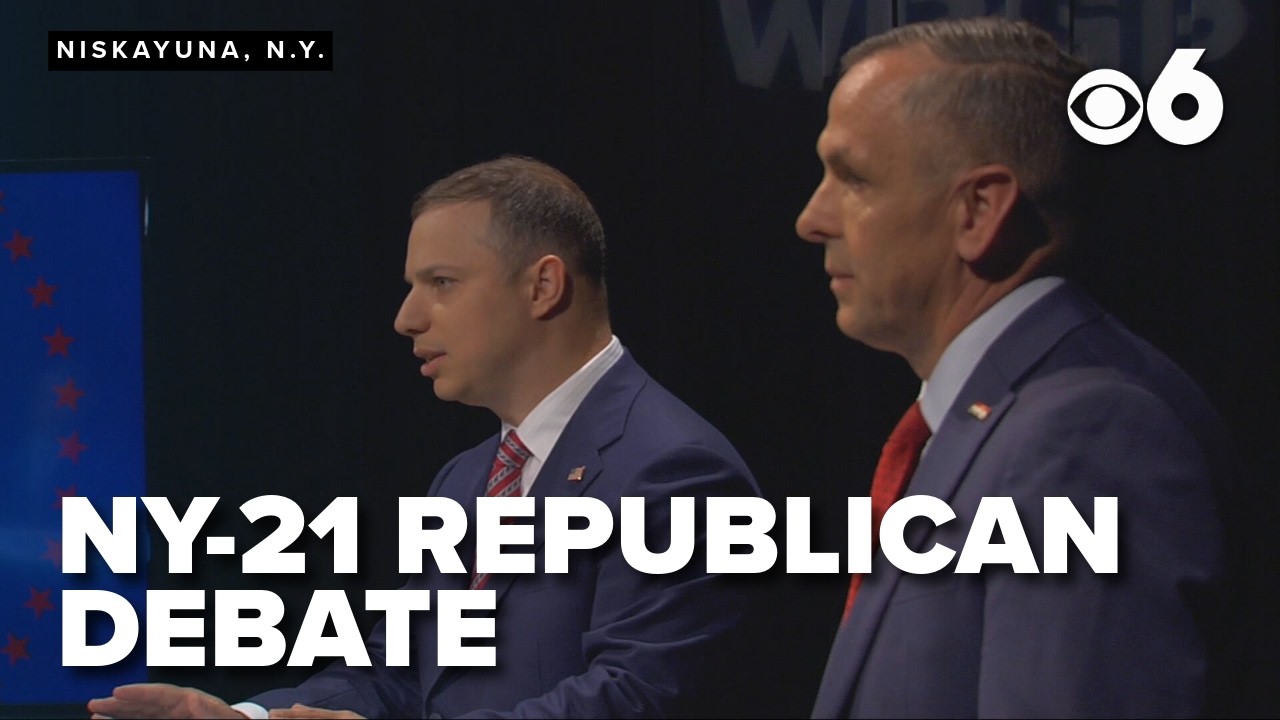
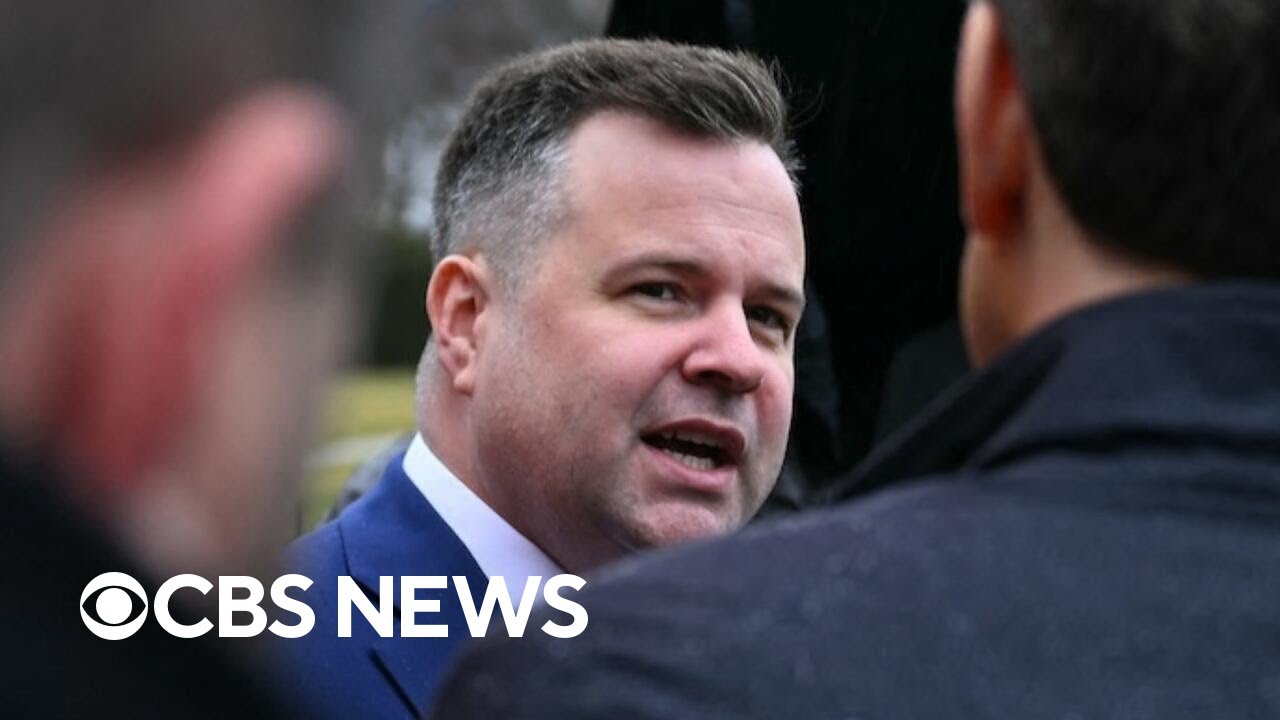
As reported by The New York Post, the rally was headlined by Nassau County Executive Bruce Blakeman, a Republican gubernatorial candidate whose remarks set a combative tone for the gathering. Addressing attendees and later speaking directly to The New York Post, Blakeman delivered a blistering critique of the mayor’s early policy decisions and broader leadership approach.
“One of his first acts as mayor was to change the definition of antisemitism,” Blakeman said, expressing incredulity at a misplaced priority. “We don’t have enough problems in the city? That was the first thing he had to do?” His remarks referenced a controversial move by the administration that weakened existing frameworks for identifying and combating anti-Jewish hostility.
Blakeman’s criticism quickly escalated in intensity. “He’s got a dark heart. He’s un-American and he’s antisemitic,” he declared. “And he’s got to change or otherwise this city will rise up against him because this is a city of good people.” The statement, as quoted by The New York Post, encapsulated the frustration among rally participants, many of whom expressed a sense of urgency regarding a deteriorating civic climate. Blakeman’s remarks were met with thunderous applause and loud cheers.
The Nassau County executive further framed his critique within a broader vision of New York City’s identity. “This is a city of every race, religion, ethnic group,” he said. “People of all abilities and lifestyles. And they should all be living together in peace and harmony. And not have a mayor that divides us.” His comments underscored a recurring theme throughout the rally: the conviction that leadership at City Hall has failed to uphold the city’s longstanding ethos of pluralism and coexistence.
The gathering itself was organized in response to a “staggering” wave of hate crimes, particularly within Queens. While modest in size compared to larger demonstrations seen elsewhere, the rally carried symbolic weight as a localized expression of broader concerns reverberating throughout the metropolitan area. According to The New York Post report, participants assembled in the early hours of Sunday morning, their presence reflecting both solidarity and alarm.
The timing of the event was especially significant. It followed closely on the heels of a highly publicized antisemitic protest outside the Park East Synagogue on Manhattan’s upper east side, where Red-Green Alliance demonstrators shouted vile antisemitic slurs and issued threats while attempting to disrupt a real estate event. That incident, covered by The New York Post, has become emblematic of what many Jewish residents describe as an increasingly hostile environment.
Adding another dimension to the rally’s rhetoric was comedian Zach Sage-Fox, who addressed the crowd on Blakeman’s behalf. His remarks extended the criticism beyond the mayor himself to include scrutiny of the mayor’s family. Specifically, Sage-Fox referenced social media activity attributed to Mamdani’s wife, Rama Duwaji, which had resurfaced earlier in the year and sparked controversy.
“I’d rather him be honest,” Sage-Fox said, as quoted by The New York Post. “At least his wife doesn’t play both sides. At least she says who she is. Her silence is complicity and at least we know what we’re dealing with.” The statement drew applause from the crowd, though it also underscored the deeply personal nature of the political discourse surrounding the issue.
Sage-Fox continued by contrasting inconsistencies in the mayor’s public stance. “But no, the two-faced stuff, it’s BS and we’re not going to stand for it. We’re not going to stand for it,” he declared. The repetition of the phrase served to emphasize a broader sentiment of disillusionment among attendees, many of whom voiced concerns about accountability and transparency.
Perhaps the most pointed accusation came when Sage-Fox directly linked the mayor’s political trajectory to the rise in antisemitism. “We have a person running this city who takes no accountability for the rise of antisemitism that he helped create over his political career,” he said. “I’m sorry, but it’s the truth — he’s playing both sides of the coin.” These remarks, prominently featured in coverage by The New York Post, encapsulated the central grievance articulated throughout the rally. The assemblage at the rally also vigorously applauded Sage-Fox’s comments.
While the rhetoric was undeniably forceful, it also reflected a broader context in which concerns about antisemitism have intensified both locally and nationally. Community leaders and residents have increasingly pointed to incidents ranging from vandalism and harassment to more overt acts of hostility as evidence of a troubling trend. The Queens rally, though relatively small in scale, functioned as a microcosm of these anxieties.
Participants repeatedly invoked the notion of accountability, calling on city leadership to adopt more robust measures to address the issue. For many, the rally represented not only a critique of current policies but also a call to action. The emphasis on unity—across religious, ethnic, and political lines—was a recurring motif, even as the language employed by speakers conveyed a sense of urgency and, at times, exasperation.
Coverage by The New York Post highlighted the intersection of local governance and broader societal dynamics, suggesting that the debate over antisemitism in New York City is unlikely to subside in the near term. The rally’s focus on the mayor’s actions and inaction—underscored the extent to which the issue has become a focal point in the city’s political discourse.
At the same time, the event illuminated the challenges inherent in navigating a complex and often polarized environment. The strong language employed by speakers, while resonating with supporters, also risked further entrenching divisions. Yet for those in attendance, such rhetoric appeared to reflect a genuine sense of alarm rather than mere political posturing.
As the rally concluded, participants dispersed with a shared understanding that their concerns extend beyond a single event or individual. The issues raised—ranging from policy decisions to cultural dynamics—are part of a broader conversation about the future of New York City as a place of diversity and coexistence.
In the final analysis, the Queens rally served as both a protest and a signal—a clear indication that for the city’s Jewish population, the current antisemitic trajectory is untenable. Whether the criticisms leveled at Mamdani will translate into policy changes or political consequences remains to be seen. What is certain, however, is that the issue of antisemitism has become an increasingly prominent—and contentious—feature of the city’s public life.
As The New York Post continues to report on these developments, the voices heard in Forest Hills on Sunday will likely echo in future debates, shaping both the narrative and the response to one of the most pressing challenges facing New York City today.



