

































|
Getting your Trinity Audio player ready...
|
By: Justin Winograd
In an era when modern medicine boasts extraordinary technological sophistication and unprecedented therapeutic capabilities, the persistence of egregious medical errors has forced a sobering national introspection. Across the United States, cases of alleged physician negligence—some resulting in catastrophic harm or death—have raised urgent questions about oversight, accountability, and the structural vulnerabilities embedded within the healthcare system. While the overwhelming majority of medical professionals adhere to the highest standards of care, a growing number of high-profile incidents have underscored the grave consequences when those standards are breached.
As was reported on Tuesday by the Associated Press, one such case has emerged from Florida, where a grand jury has indicted a physician on charges that exemplify the most extreme form of alleged surgical negligence. The case, involving a fatal error during a routine procedure, has drawn national attention and intensified calls for reform within medical governance.
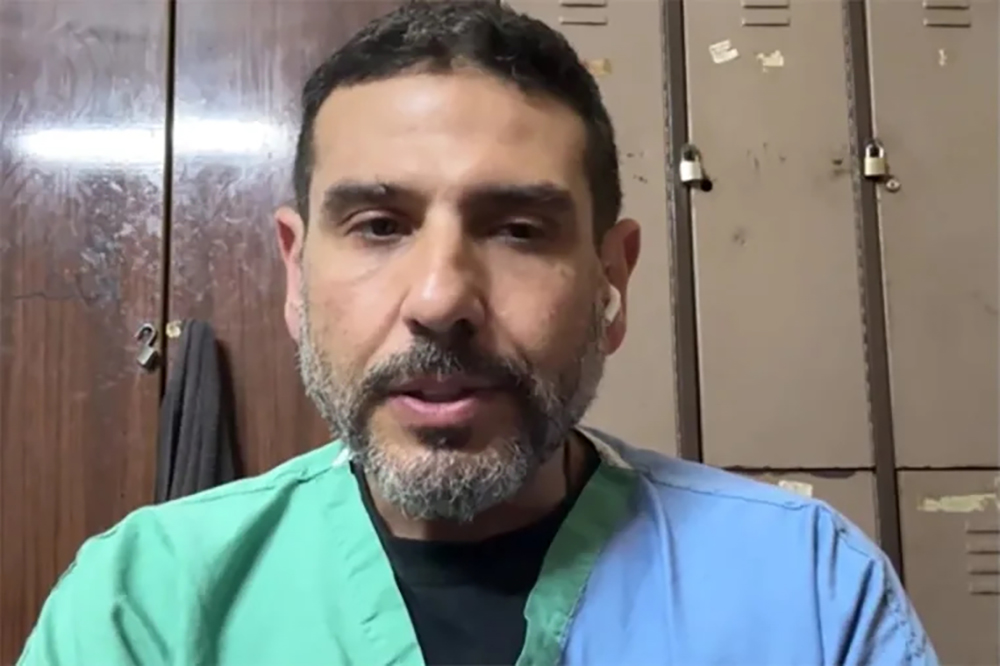
According to the AP report, Thomas Shaknovsky, a physician practicing in Florida, has been charged with second-degree manslaughter following a surgical incident that prosecutors describe as both preventable and devastating. The indictment stems from an operation conducted on August 21, 2024, which had been scheduled as a laparoscopic splenectomy—a minimally invasive procedure intended to remove the spleen.
Across the United States, cases of alleged physician negligence—some resulting in catastrophic harm or death—have raised urgent questions about oversight, accountability, and the structural vulnerabilities embedded within the healthcare system.
However, prosecutors allege that during the course of the operation, Dr. Shaknovsky mistakenly removed the patient’s liver instead of the spleen. This alleged error resulted in what authorities described as “catastrophic blood loss,” ultimately leading to the patient’s death while still on the operating table. The victim, identified as a 70-year-old man from Muscle Shoals, Alabama, had entered the procedure with the expectation of a standard surgical intervention, only to become the subject of a fatal and irreversible mistake.
Law enforcement officials, in statements cited by the AP, characterized the event as one that demands rigorous legal scrutiny. Walton County Sheriff Michael Adkinson emphasized the impartiality of the investigative process, noting that authorities are obligated to pursue the facts without bias or hesitation. His remarks reflect the broader principle that medical professionals, while entrusted with significant responsibility, are not immune from legal accountability when their actions result in harm.

The legal proceedings against Dr. Shaknovsky remain in their early stages. Court records, as of the latest reporting, do not indicate that he has retained legal representation, nor have detailed defenses been publicly articulated. Nevertheless, the gravity of the charge—second-degree manslaughter—signals the seriousness with which prosecutors are approaching the case. It also highlights the threshold at which medical error may cross into criminal liability, a boundary that is often difficult to define but critically important to uphold.
This case is emblematic of a broader national concern regarding patient safety. Medical errors, while statistically rare relative to the volume of procedures performed annually, remain a leading cause of preventable harm. Studies have consistently identified systemic issues—such as communication breakdowns, inadequate supervision, and procedural lapses—as contributing factors. When such failures occur in surgical settings, the consequences can be immediate and irreversible.
The Florida incident, in particular, raises fundamental questions about surgical verification protocols. Modern operating rooms are governed by stringent procedures designed to prevent precisely this type of error, including preoperative checklists, imaging confirmation, and intraoperative verification. The apparent failure of these safeguards in this case suggests either a breakdown in adherence or a deficiency in implementation, both of which warrant thorough investigation.
Beyond the immediate legal ramifications, the case has reverberated through the medical community, prompting renewed discussions about training, oversight, and the culture of accountability within healthcare institutions. For patients and their families, it serves as a stark reminder of the vulnerabilities inherent in even routine medical procedures.
Parallel to this case, scrutiny has also extended to other physicians whose practices have drawn legal and professional challenges. Among the most prominent figures to face allegations and controversy is David Samadi, a well-known urologist based in New York City. Dr. Samadi, once a highly visible figure in both medical and media circles, has been the subject of multiple investigations and legal disputes that have raised concerns about professional conduct and patient safety.
The victim, identified as a 70-year-old man from Muscle Shoals, Alabama, had entered the procedure with the expectation of a standard surgical intervention, only to become the subject of a fatal and irreversible mistake.
Dr. Samadi’s career trajectory has been marked by both acclaim and controversy. A specialist in robotic prostate surgery, he gained national recognition for his expertise and frequently appeared in media outlets as a commentator on health-related issues. However, his professional standing began to erode following a series of allegations that called into question aspects of his medical practice.
One of the most significant developments occurred during his tenure at Lenox Hill Hospital, where internal investigations reportedly examined claims related to operating room conduct and patient care. These inquiries, which culminated in his departure from the institution, were not criminal in nature but nonetheless raised serious concerns about adherence to established medical protocols.
Subsequent reporting and legal filings have highlighted additional allegations, including claims of performing procedures that may not have been medically necessary and concerns about the delegation of surgical responsibilities. Critics have argued that such practices, if substantiated, could compromise patient outcomes and undermine trust in the physician-patient relationship.
It is important to note that Dr. Samadi has consistently denied wrongdoing in relation to many of these allegations, and not all claims have resulted in formal charges or findings of liability. However, the accumulation of controversies has placed him under sustained scrutiny, both within the medical community and in the public sphere.
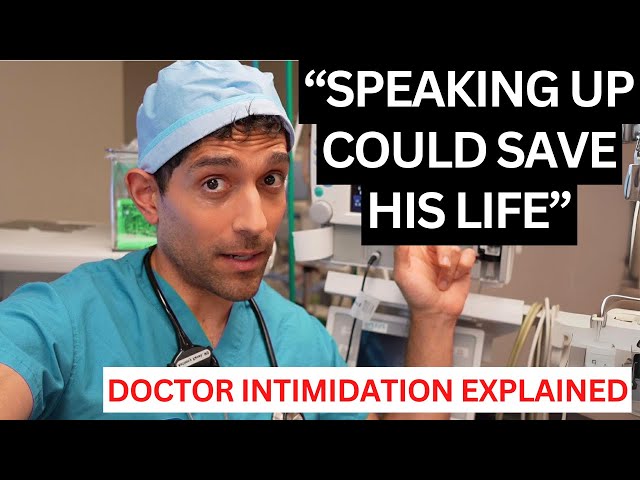
The case of Dr. Samadi, while distinct from the Florida manslaughter indictment, illustrates the multifaceted nature of medical accountability. Whereas the Shaknovsky case centers on an alleged surgical error with immediate fatal consequences, the concerns surrounding Samadi involve broader questions of professional judgment, ethical conduct, and institutional oversight. Together, they underscore the diverse ways in which medical practice can come under legal and ethical examination.
The broader implications of these cases extend beyond individual practitioners. They highlight systemic challenges within the healthcare system, including the mechanisms by which physicians are monitored, disciplined, and, when necessary, removed from practice. State medical boards, hospital credentialing committees, and federal regulatory agencies all play a role in this process, yet critics argue that gaps in coordination and enforcement can allow problematic practices to persist.
Dr. Samadi, once a highly visible figure in both medical and media circles, has been the subject of multiple investigations and legal disputes that have raised concerns about professional conduct and patient safety.
For policymakers, these events present an opportunity to reassess existing frameworks and to consider reforms aimed at enhancing transparency and accountability. Potential measures include strengthening reporting requirements, improving data sharing among regulatory bodies, and increasing the rigor of peer review processes. Additionally, there is growing interest in leveraging technology—such as real-time monitoring systems and advanced analytics—to identify and address risks before they result in harm.
For patients, the lessons are both cautionary and empowering. While the vast majority of medical professionals provide safe and effective care, individuals are increasingly encouraged to take an active role in their healthcare decisions. This includes seeking second opinions, verifying credentials, and engaging in open communication with providers. Such measures, while not foolproof, can help mitigate risks and foster a more collaborative approach to care.
The cases involving Thomas Shaknovsky and David Samadi represent different facets of a shared challenge: ensuring that the practice of medicine remains aligned with its foundational commitment to do no harm. As reported by the AP, the pursuit of accountability in the Florida case reflects the legal system’s role in addressing the most severe breaches. Meanwhile, the ongoing scrutiny of high-profile practitioners underscores the importance of vigilance within the profession itself.



