

























|
Getting your Trinity Audio player ready...
|
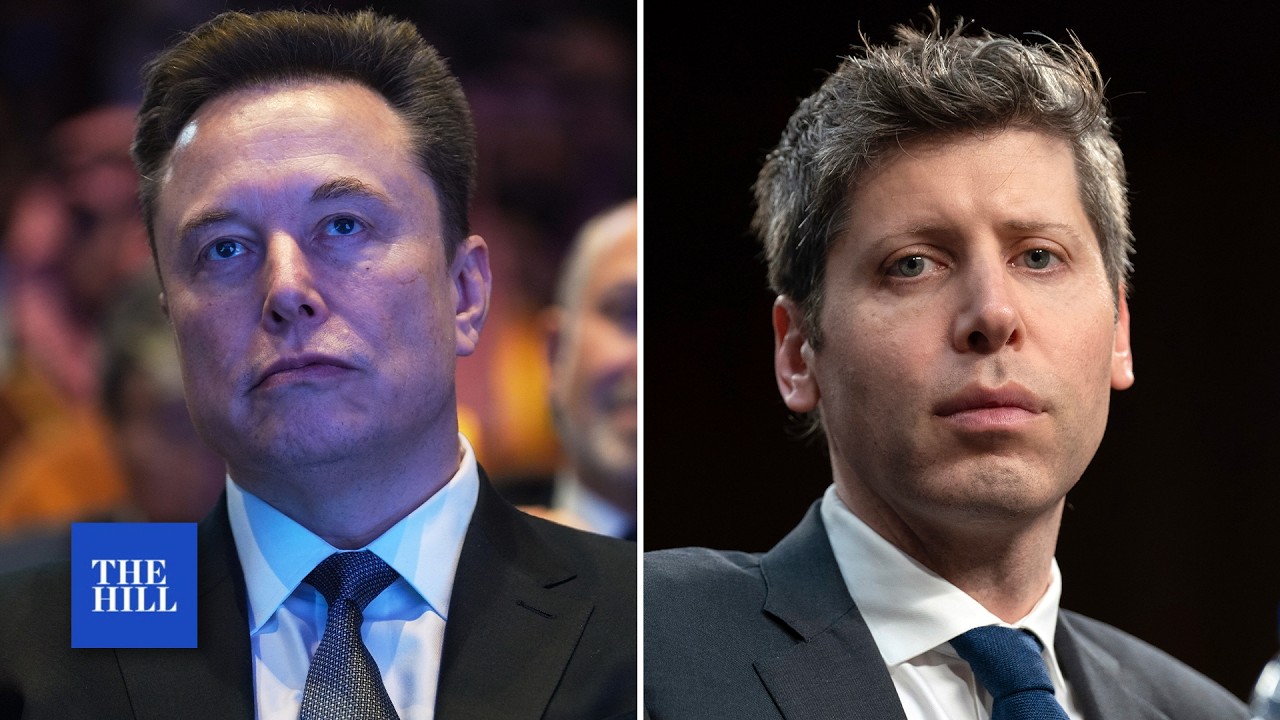
The escalating legal war between OpenAI CEO Sam Altman and billionaire Elon Musk is rapidly becoming one of the most consequential courtroom battles in the history of artificial intelligence, with the future structure of OpenAI—and potentially the direction of the global AI race—hanging in the balance.
According to extensive reporting from the Associated Press, the high-stakes trial unfolding in California has evolved far beyond a simple business dispute. The AP reported that the case now centers on explosive accusations involving betrayal, corporate control, artificial intelligence safety, investor influence, and the transformation of OpenAI from a nonprofit research lab into one of the most powerful and valuable technology companies in the world.
At the center of the storm stands Sam Altman, the face of OpenAI’s meteoric rise and one of the most influential figures in Silicon Valley. But according to AP reporting, no individual may have more at stake in the trial than Altman himself.
A Battle Over the Soul of OpenAI
The AP reported that Elon Musk’s lawsuit accuses Altman and OpenAI leadership of abandoning the organization’s original mission of developing artificial intelligence for the benefit of humanity. Musk claims the company shifted toward a profit-driven model while concealing critical changes from early backers and supporters.
Musk, one of OpenAI’s original co-founders and early financial backers, alleges that Altman and OpenAI executives violated the spirit of the company’s founding principles by transforming the organization into a commercial AI powerhouse closely aligned with major corporate interests, including Microsoft.
The AP noted that Musk is seeking sweeping remedies that could dramatically reshape OpenAI’s structure, including leadership changes and major financial penalties.
Altman Fighting for More Than Reputation
For Sam Altman, however, the stakes extend far beyond legal liability.
According to the AP, Altman’s leadership credibility, OpenAI’s corporate future, investor confidence, and the company’s long-term ambitions could all be deeply affected by the trial’s outcome. OpenAI has become one of the most valuable and influential artificial intelligence firms on earth, with estimates placing its valuation at hundreds of billions of dollars.
The AP reported that OpenAI’s future plans—including potential restructuring and long-term fundraising efforts—could face serious complications if the court sides with Musk.
Altman took the witness stand in recent proceedings and strongly rejected allegations that he betrayed OpenAI’s founding mission. According to AP reporting, Altman argued that Musk himself previously attempted to gain control over the company and pushed for OpenAI to merge with Tesla years earlier.
Inside the Bitter Feud
The courtroom conflict has exposed years of internal tensions between some of Silicon Valley’s most powerful figures.
The AP reported that testimony and internal communications presented during the trial have painted a picture of deep disagreements over governance, control, commercialization, and the pace of AI development. Former OpenAI executives and board members have reportedly delivered conflicting accounts regarding Altman’s leadership style, Musk’s ambitions, and the company’s transformation.
According to AP coverage, Musk’s legal team has attempted to portray Altman as deceptive and overly focused on corporate expansion, while OpenAI’s defense has argued that Musk’s actions stem largely from resentment after losing influence over the company he helped launch.
The Future of Artificial Intelligence at Stake
Beyond the personal feud, the trial is increasingly viewed as a referendum on the future of artificial intelligence itself.
The AP reported that broader concerns surrounding AI safety, corporate accountability, and the concentration of technological power have repeatedly surfaced during courtroom arguments. Questions involving artificial general intelligence, or AGI, have loomed over the proceedings as experts debate how rapidly advancing AI systems should be governed.
Critics of OpenAI argue that the company has become too commercially driven and insufficiently transparent, particularly given the enormous influence advanced AI systems may eventually wield across global economies, governments, media, and military systems.
Supporters of Altman, meanwhile, argue that OpenAI’s aggressive expansion has been necessary to compete in an increasingly intense global AI race involving China, major technology firms, and state-backed competitors.
Investor and Market Anxiety Growing
The AP reported that investors, regulators, and technology companies around the world are closely monitoring the trial because its outcome could influence the broader AI industry for years to come.
OpenAI’s relationship with Microsoft, future fundraising efforts, licensing agreements, and possible IPO ambitions could all face increased scrutiny depending on how the court rules.
Analysts have also warned that the case may trigger broader regulatory pressure on artificial intelligence firms, especially concerning governance structures, ethical safeguards, and transparency.
Silicon Valley’s Most Personal War
What makes the trial particularly dramatic is the intensely personal nature of the conflict.
Elon Musk and Sam Altman were once collaborators united by a shared vision of developing safe artificial intelligence. Today, according to AP reporting, they stand as bitter rivals locked in a courtroom battle that could reshape both of their legacies.
The AP emphasized that the case has become a defining moment not just for OpenAI, but for the entire technology sector as questions surrounding corporate power, AI safety, and human control over rapidly advancing machines become increasingly urgent.
A Defining Moment for the AI Revolution
As the trial moves forward, Silicon Valley, Wall Street, Washington, and global technology markets are watching closely.
The AP reported that the final verdict could determine not only the future leadership of OpenAI, but also how the next generation of artificial intelligence companies are structured, regulated, and controlled.
For Sam Altman, the stakes could hardly be higher.
Because in a courtroom battle that has already exposed the ambitions, rivalries, and power struggles driving the AI revolution, the future of one of the world’s most powerful technology empires now hangs in the balance.



