


















(TJV NEWS) A new report cited by Bloomberg has sparked debate over whether the U.S.-Israeli military campaign against Iran actually reduced the threat of Tehran obtaining a nuclear weapon or made it harder to monitor the country’s nuclear activities.
According to Bloomberg, officials familiar with new data from the International Atomic Energy Agency (IAEA) say the risk of Iran secretly pursuing a nuclear weapon is now higher than it was before military strikes by the United States and Israel began in 2025. The White House has strongly disputed that conclusion, arguing that President Donald Trump’s strategy severely damaged Iran’s nuclear capabilities and made the world safer.
UN Nuclear Watchdog Raises New Concerns
Bloomberg reported that the IAEA circulated a restricted report warning member states about growing nuclear proliferation risks tied to Iran’s stockpile of highly enriched uranium.
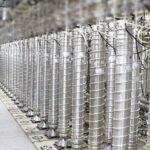
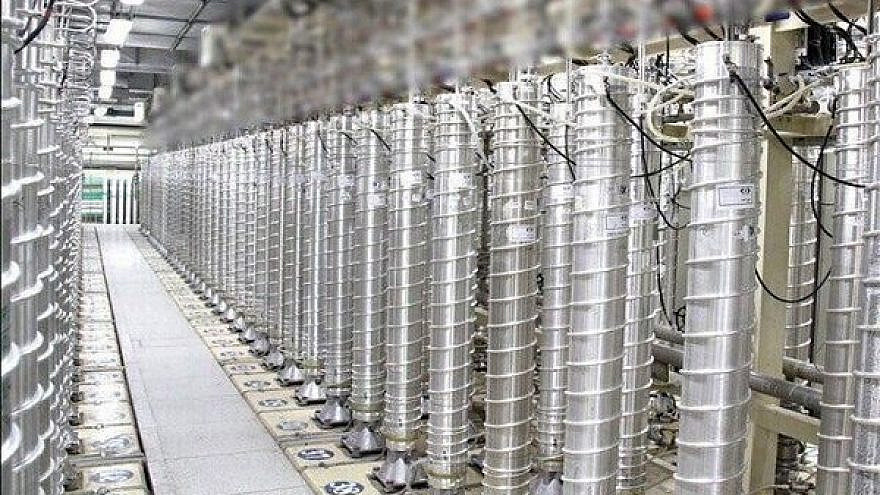
Before the 2025 conflict, IAEA inspectors were conducting regular inspections of Iran’s near-weapons-grade uranium. However, following the war and subsequent restrictions imposed by Tehran, inspectors have been unable to verify the location and status of significant quantities of enriched uranium. According to diplomats cited by Bloomberg, this has created a new problem: the material still exists, but international inspectors no longer know exactly where it is or what condition it is in.
The IAEA has warned that it can no longer draw conclusions about some of Iran’s nuclear material, including stockpiles enriched to levels approaching weapons-grade purity. The agency says the lack of access creates serious proliferation concerns.
White House Rejects Bloomberg’s Conclusion
The White House quickly pushed back against Bloomberg’s reporting.
According to WJLA, administration officials criticized the report’s implications and argued that Iran’s nuclear infrastructure suffered major damage from the U.S.-Israeli campaign.
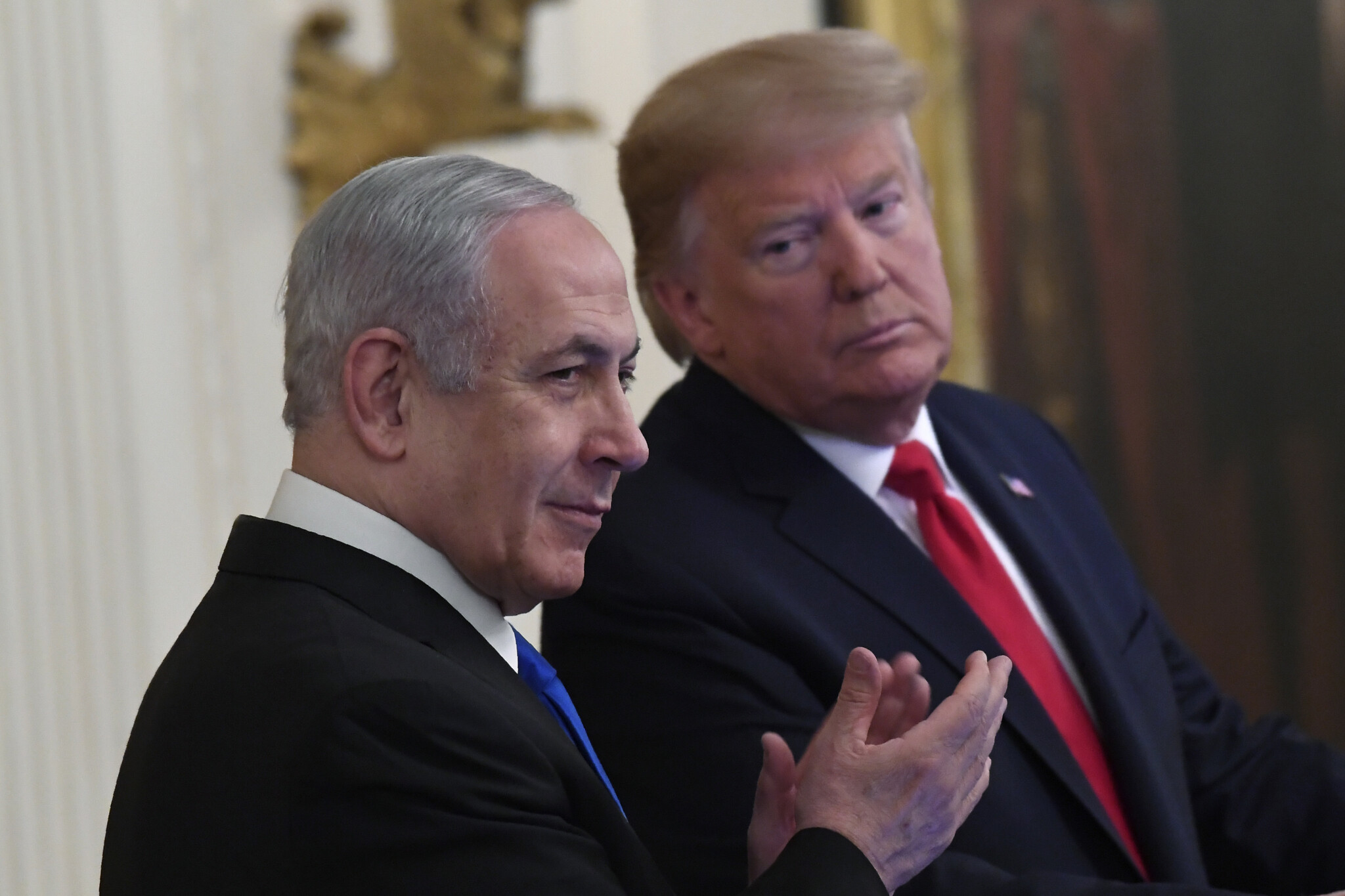
White House officials maintain that President Trump’s military pressure significantly degraded Iran’s nuclear program and reduced Tehran’s ability to quickly develop a nuclear weapon. The administration also argues that Iran’s military and economic position has been weakened, giving Washington greater leverage in ongoing negotiations.
The administration continues to insist that preventing Iran from obtaining a nuclear weapon remains one of its top national security priorities.
Missing Uranium Remains a Key Issue
At the center of the dispute is Iran’s stockpile of highly enriched uranium.
The IAEA says it has been unable to verify the location of hundreds of kilograms of enriched uranium since inspections were disrupted. The agency recently reported that inspectors have had extremely limited access to Iranian nuclear facilities and cannot fully account for material that was previously under international safeguards.
Reuters reported that the IAEA remains unable to determine the status of key uranium stockpiles because several sites have not been accessible since the conflict began. Agency officials have described the situation as a significant monitoring challenge.
Diplomacy Continues Despite Growing Tensions
The warning comes as the Trump administration continues pursuing negotiations with Tehran aimed at reaching a broader agreement over Iran’s nuclear activities.
President Trump has repeatedly said he prefers a diplomatic solution but has also warned that military options remain available if negotiations fail. Recent reports indicate that talks remain difficult and progress has been limited.
IAEA Director General Rafael Mariano Grossi has stressed that any future agreement must include verification measures, warning that a deal without inspections would leave major questions unanswered about Iran’s nuclear activities.
What Happens Next?
The issue is expected to dominate discussions at upcoming IAEA meetings, where member nations will review the agency’s latest findings on Iran’s nuclear program.
While the White House argues that military action damaged Iran’s nuclear infrastructure, the IAEA’s concerns highlight a different challenge: international inspectors now have less visibility into Iran’s uranium stockpiles than they did before the conflict began. Whether diplomacy can restore that oversight remains one of the biggest unanswered questions in the ongoing standoff between Washington and Tehran.