















|
Getting your Trinity Audio player ready...
|
By: Jason Ostedder
Iran’s political leadership issued a fresh warning to Washington on Sunday, declaring that no agreement with the United States will be finalized unless Tehran’s demands and national interests are fully respected, as negotiations over a potential diplomatic framework appear to be entering a decisive and increasingly contentious stage.
According to reports highlighted by JFeed, Iranian Parliament Speaker Mohammad Baqer Qalibaf delivered a forceful message at the opening of a parliamentary session in Tehran, emphasizing that the Islamic Republic remains unwilling to compromise on what it regards as its sovereign rights despite growing international pressure and ongoing discussions mediated through regional intermediaries.
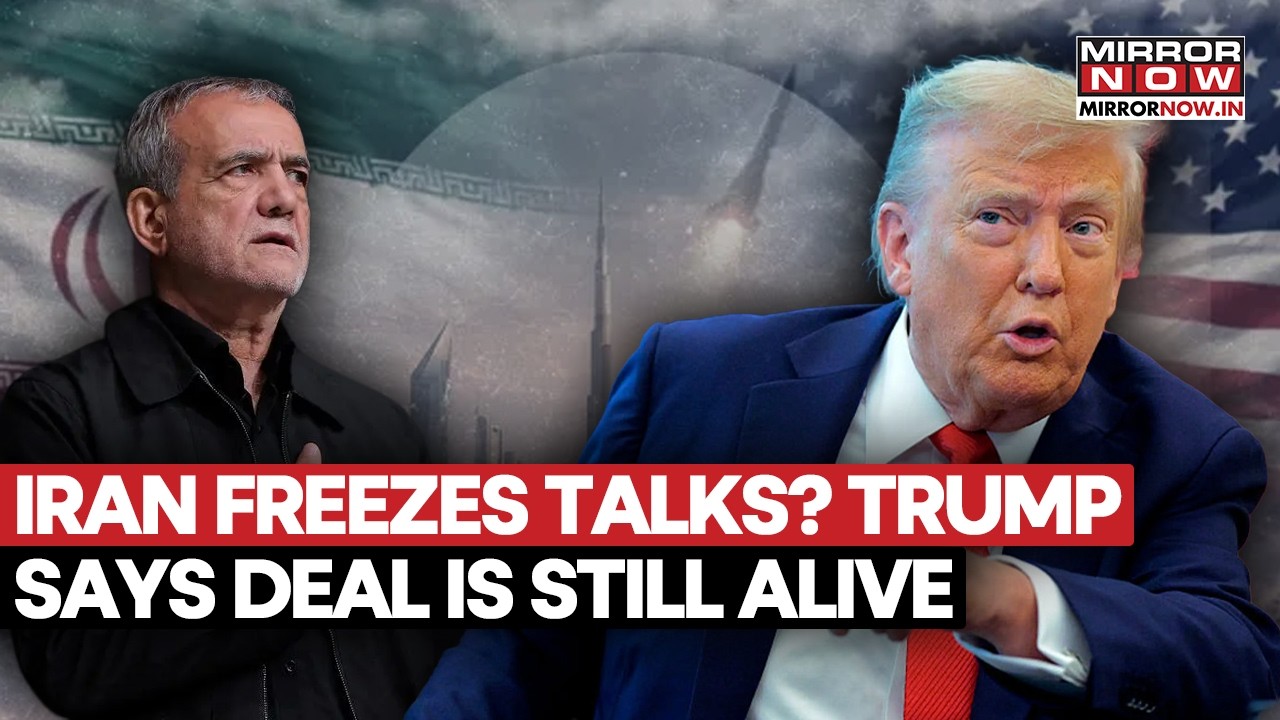
The remarks came amid mounting speculation that President Donald Trump is seeking substantial revisions to a draft agreement currently under discussion between American and Iranian negotiators, particularly regarding Iran’s nuclear program, its stockpile of enriched uranium, and future oversight mechanisms intended to ensure compliance.
The developments underscore the persistent complexity of one of the most consequential geopolitical disputes in the Middle East, a confrontation that has shaped regional security calculations for decades and continues to influence global energy markets, international diplomacy, and military planning.
As JFeed reported, Qalibaf adopted a notably uncompromising tone in his public comments, making clear that Tehran views any prospective agreement through the lens of tangible outcomes rather than diplomatic assurances. “No agreement will be signed until all our rights are respected,” Qalibaf declared.
The statement reflected longstanding Iranian skepticism toward American commitments and highlighted the deep reservoir of mistrust that continues to define relations between the two adversaries despite ongoing diplomatic engagement.
In remarks extensively cited by JFeed, Qalibaf emphasized that Iran would not measure success by promises, declarations, or political rhetoric.
Instead, he argued that Tehran would judge any arrangement exclusively by what it achieves in practice.
“We have no trust in the enemy’s promises, only in clear results on the ground,” Qalibaf stated. “The only test will be achieving real gains.”
The comments illustrate the challenge facing negotiators attempting to bridge decades of hostility and mutual suspicion.
Even when diplomatic channels remain open, officials on both sides continue to question whether the opposing party intends to fulfill its obligations.
For Tehran, the issue extends beyond the text of any agreement and into the broader question of credibility.
Iranian leaders have repeatedly argued that previous understandings failed to deliver anticipated benefits, reinforcing skepticism toward future commitments.
Qalibaf reiterated this position by stressing that Iran would implement any obligations only after determining that its interests had been adequately protected.
He stated that the Islamic Republic would fulfill its commitments only if it became certain that “the rights of the Iranian people have been preserved.”
The Iranian parliamentary speaker also used the occasion to launch a broader political critique of American policy.
According to the JFeed report, Qalibaf accused Washington of attempting to weaken Iran internally through a combination of economic pressure, media campaigns, and diplomatic coercion.
He argued that the United States was attempting to exploit sanctions and public messaging efforts in order to create divisions within Iranian society and force concessions from Tehran.
Qalibaf characterized these efforts as part of a broader strategy intended to compensate for what he described as American military shortcomings. According to his assessment, Washington is attempting to secure through negotiations what it failed to achieve through pressure. “The enemy is living in illusions,” he declared.
The statement reflected the defiant rhetoric that has become a hallmark of Iranian political discourse during periods of heightened tension with the United States.
While negotiations continue, senior Iranian officials have consistently sought to project confidence and resilience, emphasizing that Tehran will not accept terms perceived as undermining national sovereignty.
Qalibaf’s comments emerged shortly after reports surfaced indicating that President Trump convened a high-level meeting in the White House Situation Room to review the evolving diplomatic framework.
According to information cited by JFeed, Trump reportedly requested several revisions to the draft agreement that had been assembled through mediation efforts involving regional intermediaries.
The discussions reportedly focused on strengthening provisions related to Iran’s nuclear activities and ensuring that any commitments are accompanied by clear enforcement mechanisms.
American officials familiar with the deliberations reportedly indicated that the president wants stronger language concerning Iran’s nuclear obligations and more precise procedures governing verification and compliance.
The reported revisions suggest that Washington remains determined to secure what administration officials regard as measurable and enforceable safeguards before approving any final arrangement.
At the heart of the negotiations lies the issue that has dominated international concern for years: Iran’s nuclear program.
According to JFeed, the existing draft framework includes an Iranian commitment not to develop nuclear weapons. However, some of the most difficult technical and political questions would remain unresolved at the moment of signing and instead be addressed during a subsequent negotiation period.
Under the reported framework, discussions concerning Iran’s enriched uranium stockpile and future enrichment activities would continue during a 60-day implementation phase. Those issues represent some of the most sensitive components of the broader dispute.
Western governments have long argued that highly enriched uranium can potentially shorten the pathway toward nuclear weapons capability, while Iranian officials insist that their program is intended for peaceful purposes. The challenge for negotiators has therefore been to establish mechanisms capable of satisfying security concerns while preserving what Tehran describes as its legitimate rights.
According to JFeed, President Trump has expressed interest in creating more detailed procedures regarding the handling of Iran’s enriched uranium reserves.
Reports indicate that he is seeking clearer timelines, specific deadlines, and robust oversight structures capable of verifying compliance. The objective, according to officials familiar with the discussions, is to eliminate ambiguity and prevent disputes over implementation.
Trump reportedly wants any agreement to produce immediate and measurable results rather than rely on broad declarations that could later become subject to competing interpretations. This approach reflects concerns within Washington that previous diplomatic arrangements sometimes contained provisions that proved difficult to monitor or enforce.
As a result, American negotiators appear focused on constructing mechanisms that provide transparency and accountability throughout the implementation process.
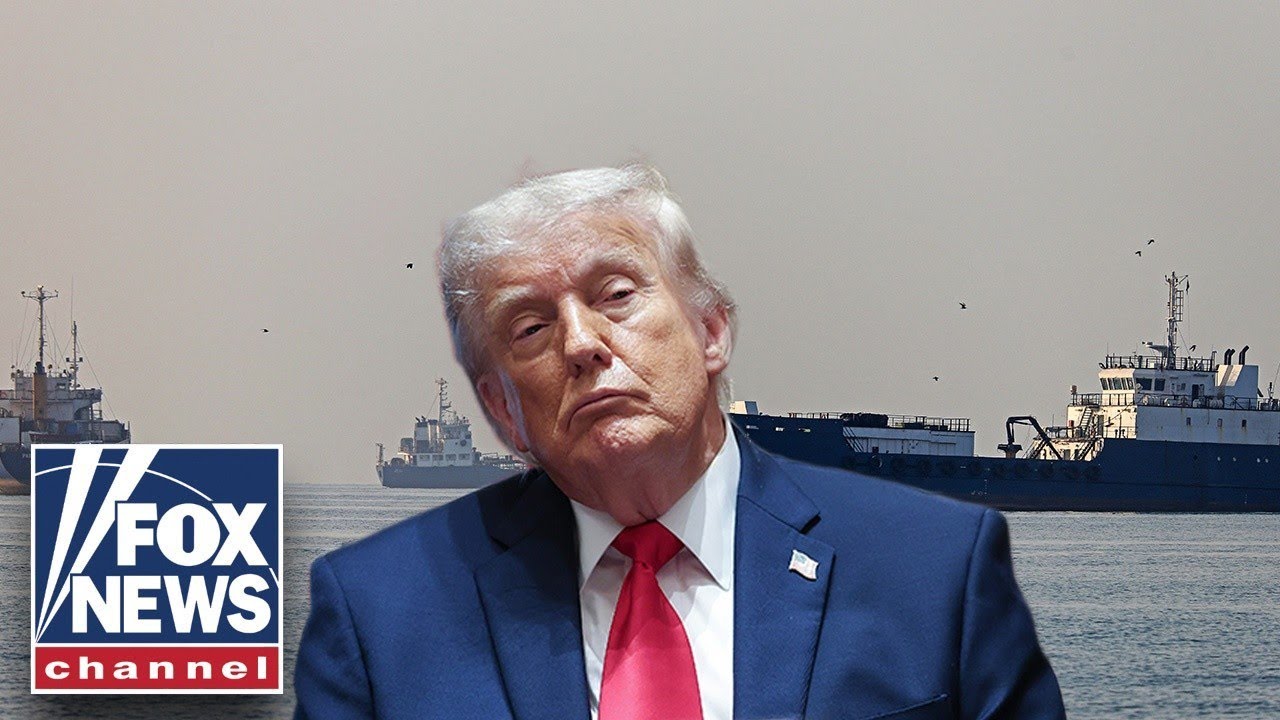
Another major area of discussion involves the future status of the Strait of Hormuz, one of the world’s most strategically significant maritime corridors. According to JFeed, Trump has also requested revisions to language addressing navigation rights within the vital waterway.
The Strait of Hormuz serves as a critical gateway for global energy exports, handling a substantial portion of international oil shipments. Any disruption to maritime traffic in the region can have immediate repercussions for global markets and energy prices.
Because of its importance, freedom of navigation has become a central component of the ongoing negotiations.
Washington reportedly wants stronger guarantees that shipping routes will remain open and that commercial vessels will be able to operate without interference.
Administration officials are said to believe that any agreement must contain enforceable provisions capable of ensuring stability in one of the world’s most economically consequential waterways.
As JFeed has reported throughout the evolving negotiations, both sides appear determined to protect their core interests while avoiding a complete collapse of diplomatic efforts.
For Tehran, preserving national sovereignty and maintaining what it considers legitimate nuclear rights remain non-negotiable priorities. For Washington, preventing the emergence of a nuclear-armed Iran and ensuring freedom of navigation in the Persian Gulf remain paramount strategic objectives.
These competing priorities have created a negotiating environment characterized by both opportunity and risk. On one hand, ongoing dialogue suggests that channels for compromise remain open. On the other hand, public statements from senior officials reveal how significant the remaining differences continue to be.
The coming days may prove decisive as negotiators attempt to reconcile the competing demands emerging from both capitals.
Iranian officials continue to insist that any final arrangement must respect what they describe as the rights of the Iranian people. American officials, meanwhile, appear focused on ensuring that commitments are accompanied by clear mechanisms capable of producing verifiable results.
As JFeed has noted, the success or failure of these discussions could have far-reaching implications extending well beyond Washington and Tehran.
The outcome will likely influence regional security, international energy markets, and broader geopolitical alignments across the Middle East.
For now, both sides remain engaged in a diplomatic process marked by caution, skepticism, and strategic calculation.
Whether those negotiations ultimately produce a lasting agreement remains uncertain. What is clear, however, is that both Washington and Tehran recognize the enormous stakes involved as they navigate one of the most consequential diplomatic challenges of the current era.



