


























|
Getting your Trinity Audio player ready...
|
By: Tzirel Rosenblatt
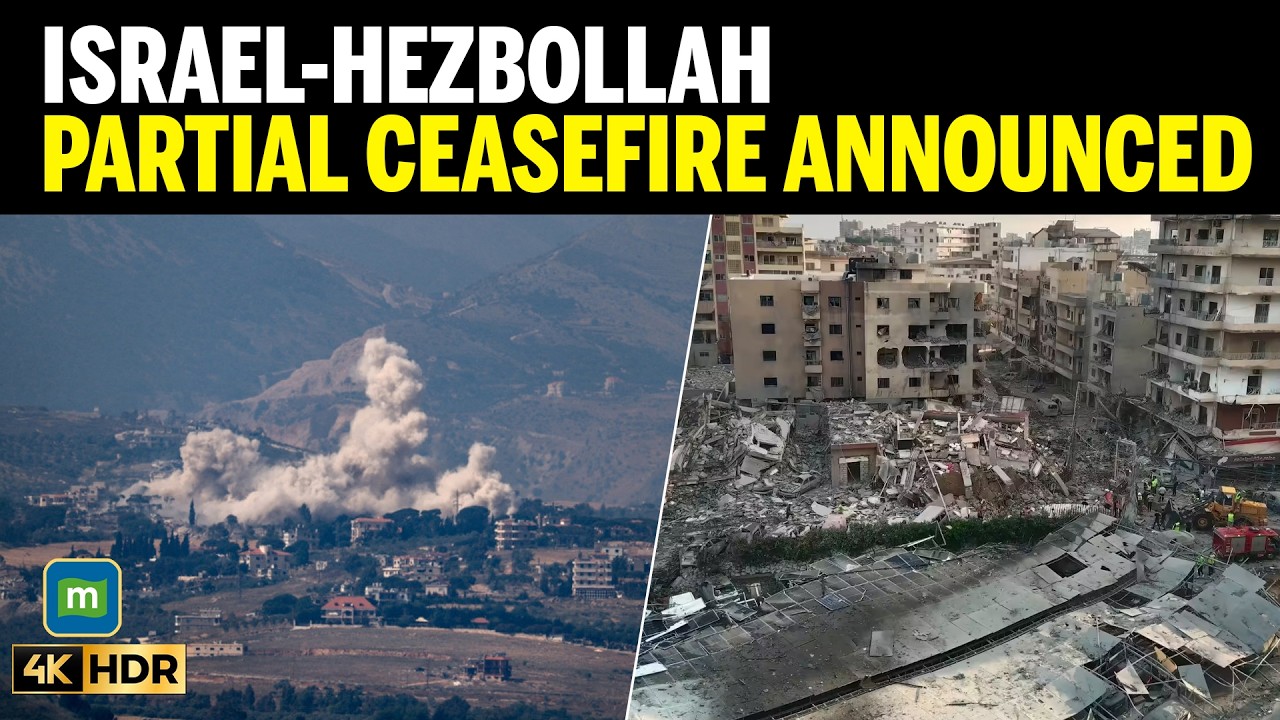
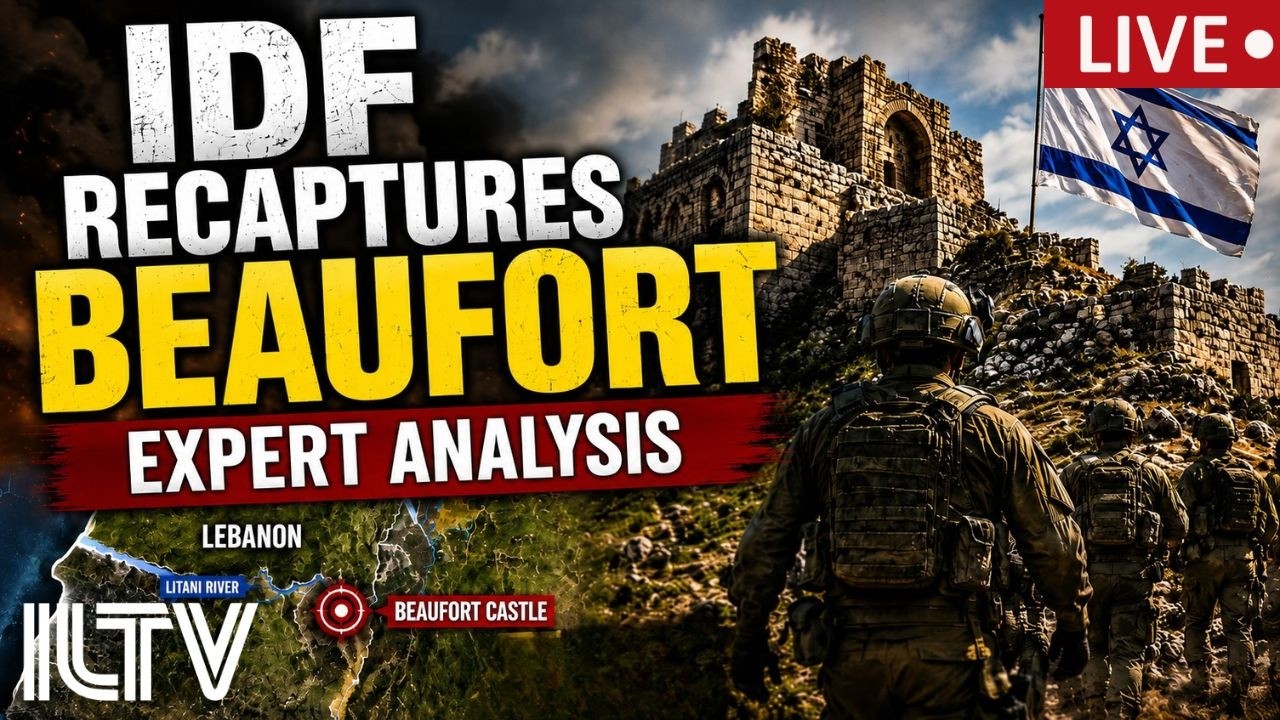
The Israel Defense Forces have launched a significant new military operation in southern Lebanon, expanding ground activities into the strategically important Beaufort Ridge and Wadi al-Saluki regions in an effort to dismantle Hezbollah terrorist infrastructure, eliminate hostile operatives, and strengthen Israeli security along the volatile northern frontier.
According to a report on Sunday morning at Israel National News, the operation marks another major stage in Israel’s ongoing campaign to degrade Hezbollah’s military capabilities and establish greater operational control in areas that have long served as key launching points for attacks against Israeli communities in the Galilee Panhandle and the border town of Metula.
The IDF Spokesperson’s Unit announced Sunday morning that the mission is designed to remove what military officials describe as direct threats posed by Hezbollah positions in southern Lebanon. Israel National News reported that the offensive is already underway and has involved substantial ground operations supported by intensive aerial and artillery fire.
Military officials characterized the campaign as part of a broader strategic effort to reshape the security reality along Israel’s northern border after years of persistent threats from Hezbollah, the Iranian-backed terrorist organization that has maintained extensive military infrastructure throughout southern Lebanon.
According to the information provided in the Israel National News report, the offensive did not begin suddenly but was preceded by an extensive period of planning, intelligence gathering, and operational preparation.
The IDF stated that the operation commenced several days ago, when significant numbers of Israeli ground forces began conducting offensive maneuvers designed to expand what military officials refer to as the Forward Defense Line.
The mission received formal approval from Chief of Staff Lt. Gen. Eyal Zamir following what the military described as a comprehensive operational planning process involving Northern Command and multiple branches of the Israeli defense establishment.
Israel National News reported that preparatory activities included intelligence assessments, operational simulations, logistical planning, and coordinated fire support arrangements designed to maximize the effectiveness of the operation while minimizing risks to Israeli forces.
Military planners reportedly concluded that conditions were favorable for expanding Israeli control over critical terrain that has historically served as a focal point for Hezbollah activity.
A central focus of the operation is Beaufort Ridge, a commanding geographical feature overlooking significant portions of southern Lebanon.
Israeli military officials view the ridge as one of Hezbollah’s most important operational areas in the region. The IDF stated that Hezbollah utilized positions on the ridge to coordinate military activities, direct combat operations, and facilitate attacks against Israeli targets.
Military officials said the area became a critical component of Hezbollah’s broader operational network, particularly because of its commanding vantage point and strategic proximity to the Israeli border. The IDF further noted that Hezbollah infrastructure established on the ridge was developed with substantial Iranian support and direction.
Israel National News reported that military planners believe that denying Hezbollah access to such terrain could significantly diminish the organization’s ability to conduct future attacks and coordinate military operations near the border.
Israeli officials have repeatedly emphasized that Iranian involvement in supporting Hezbollah remains a major security concern, particularly given Tehran’s long-term efforts to strengthen the group’s military capabilities.
Alongside operations at Beaufort Ridge, Israeli forces are conducting intensive activities in the Wadi al-Saluki region. Israel National News reported that this area has similarly been identified as a significant operational zone used by Hezbollah.
Military officials indicated that forces are searching for and dismantling weapons storage sites, launch facilities, observation posts, command centers, and other infrastructure used to support Hezbollah military activities.
The IDF stated that launch positions located in the broader operational area were responsible for firing hundreds of projectiles toward Israeli civilians and military personnel during previous periods of conflict. According to military assessments cited by Israel National News, neutralizing these launch capabilities remains a central objective of the current campaign.
Israeli officials have argued that eliminating such infrastructure is essential to preventing future attacks against northern Israeli communities.
One of the most consequential aspects of the operation is the reported movement of Israeli forces beyond the Litani River. The Israel National News report noted that the Litani has historically held major strategic significance in Israeli-Lebanese military calculations.
The river has often served as a reference point in discussions concerning Hezbollah deployments, international resolutions, and security arrangements in southern Lebanon.
The IDF confirmed that Israeli forces have crossed the river and expanded activities against Hezbollah targets north of the waterway. Military officials indicated that operations are continuing to grow in scope and may extend into additional areas if operational conditions warrant further action.
The expansion reflects what appears to be a broader Israeli effort to pursue Hezbollah infrastructure beyond traditional zones of engagement and to disrupt terrorist capabilities at greater distances from the border.
Before the ground phase of the operation began, the Israeli Air Force conducted extensive strikes throughout the target area. According to the Israel National News report, military officials described the air campaign as a critical component of the broader offensive.
The strikes reportedly targeted command centers, weapons depots, observation positions, launch sites, transportation routes, and other infrastructure associated with Hezbollah activities. In addition to air power, Israeli forces employed substantial artillery and tank fire as part of a coordinated fire support effort.
Military officials stated that these operations were designed to weaken Hezbollah defenses, suppress hostile activity, and create favorable conditions for advancing ground troops. Israel National News reported that the preparatory bombardment reflected lessons learned from previous conflicts, where extensive fire support often proved essential in reducing threats to maneuvering forces.
The operation has also included substantial engineering activities.
According to the IDF, forces completed a series of missions aimed at preparing the battlefield and enabling offensive operations. Israel National News reported that Israeli soldiers conducted searches for hidden military infrastructure, neutralized hostile positions, and carried out engineering tasks necessary to support advancing forces.
Military officials emphasized that terrain preparation remains a crucial element of modern military operations, particularly in regions where Hezbollah has spent years constructing fortified positions, tunnels, observation networks, and concealed weapons facilities.
The engineering effort is intended not only to support current operations but also to prevent Hezbollah from rapidly reestablishing military infrastructure after Israeli forces move through an area.
The IDF also confirmed that forces are operating near Nabatieh, one of Hezbollah’s most significant centers of influence in southern Lebanon. Nabatieh has long been regarded as a major Hezbollah stronghold and an important hub for the organization’s political and military activities.
Military officials did not specify whether additional operations would occur closer to the city itself, but they emphasized that Israeli forces remain prepared to broaden the campaign if necessary.
The presence of Israeli troops near such strategically sensitive locations highlights the expanding scope of the current operation and underscores Israel’s determination to target what it views as critical components of Hezbollah’s military network.
Israeli officials stressed that the latest offensive should not be viewed as an isolated action.
According to the Israel National News report, military leaders described the operation as one component of a broader campaign that has involved dozens of separate activities across southern Lebanon in recent weeks.
Those operations have included targeted strikes, intelligence missions, infrastructure destruction, and efforts to disrupt Hezbollah’s command-and-control capabilities. The cumulative objective, according to military officials, is to significantly degrade Hezbollah’s operational effectiveness while creating a more secure environment for residents of northern Israel.
Israeli leaders have repeatedly stated that restoring long-term security to communities near the Lebanese border remains a central national priority.
The expansion of Israeli military operations comes amid continuing regional tensions involving Iran and its network of allied organizations throughout the Middle East. Hezbollah remains one of the most heavily armed terrorist organizations in the world and is widely viewed as Iran’s most powerful proxy force.
Israeli defense officials continue to regard Hezbollah as one of the country’s most significant security threats. The current operation therefore carries implications not only for the immediate situation in southern Lebanon but also for the broader regional balance of power.
As the campaign continues, military analysts, diplomats, and regional governments will closely monitor developments to determine whether the operation succeeds in achieving its objectives and how Hezbollah responds.
For now, Israeli officials appear committed to maintaining military pressure and expanding operational activities where necessary, arguing that sustained action is required to neutralize threats and secure Israel’s northern frontier against future attacks.



