



















|
Getting your Trinity Audio player ready...
|
Tensions Surface in Trump–Netanyahu Call as Diplomacy with Iran Hangs in the Balance
By: Jerome Brookshire
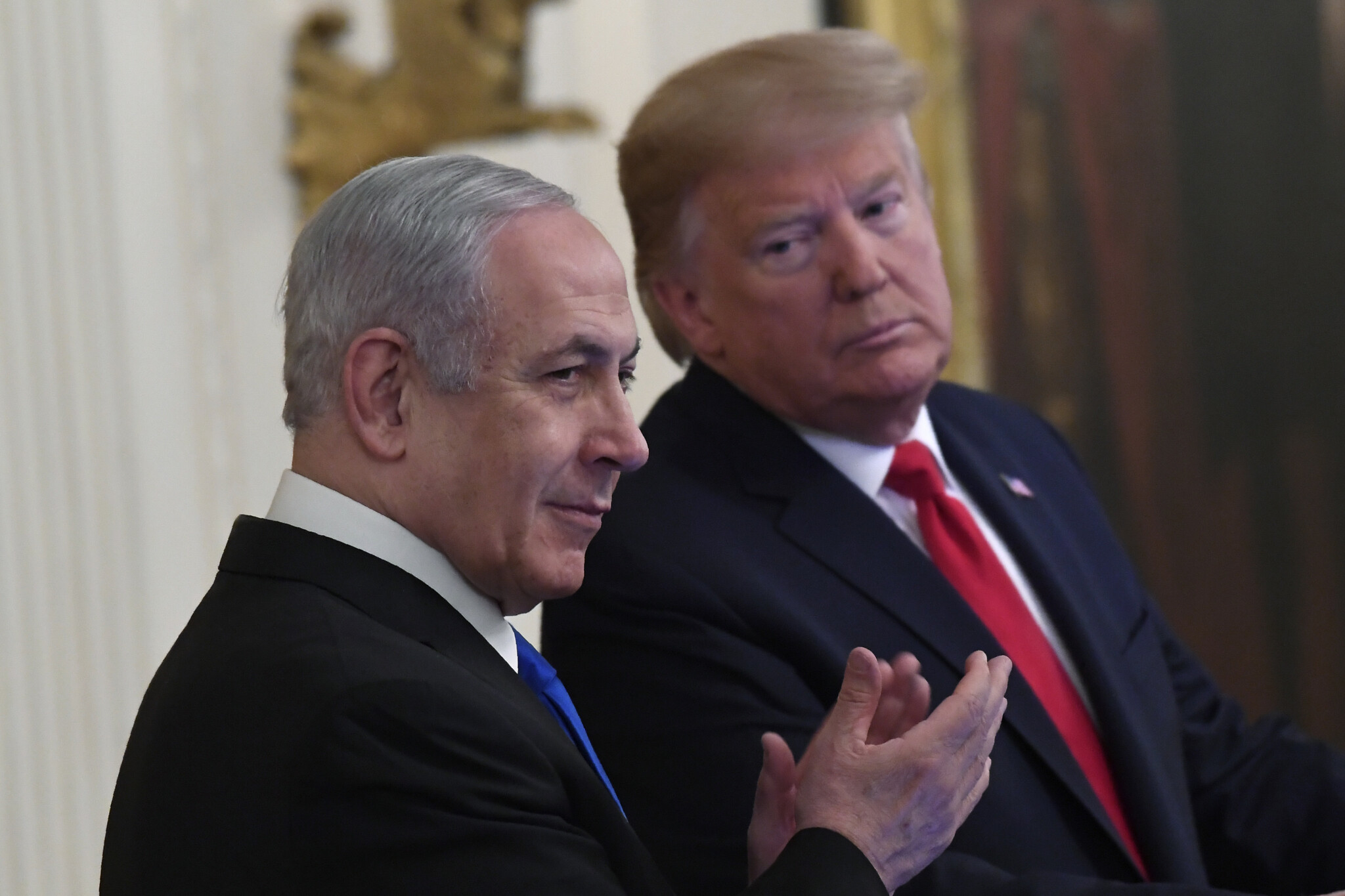
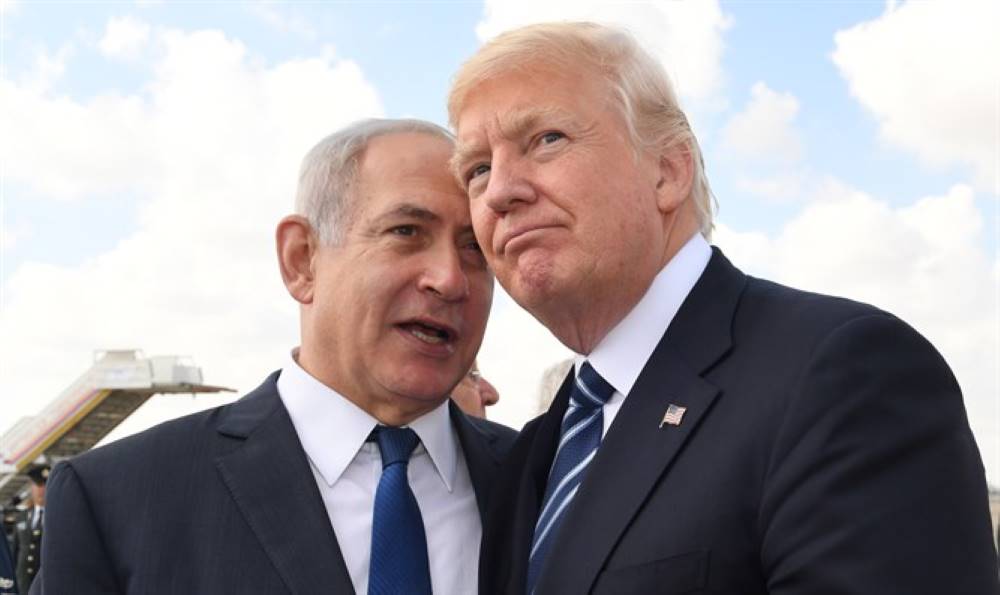
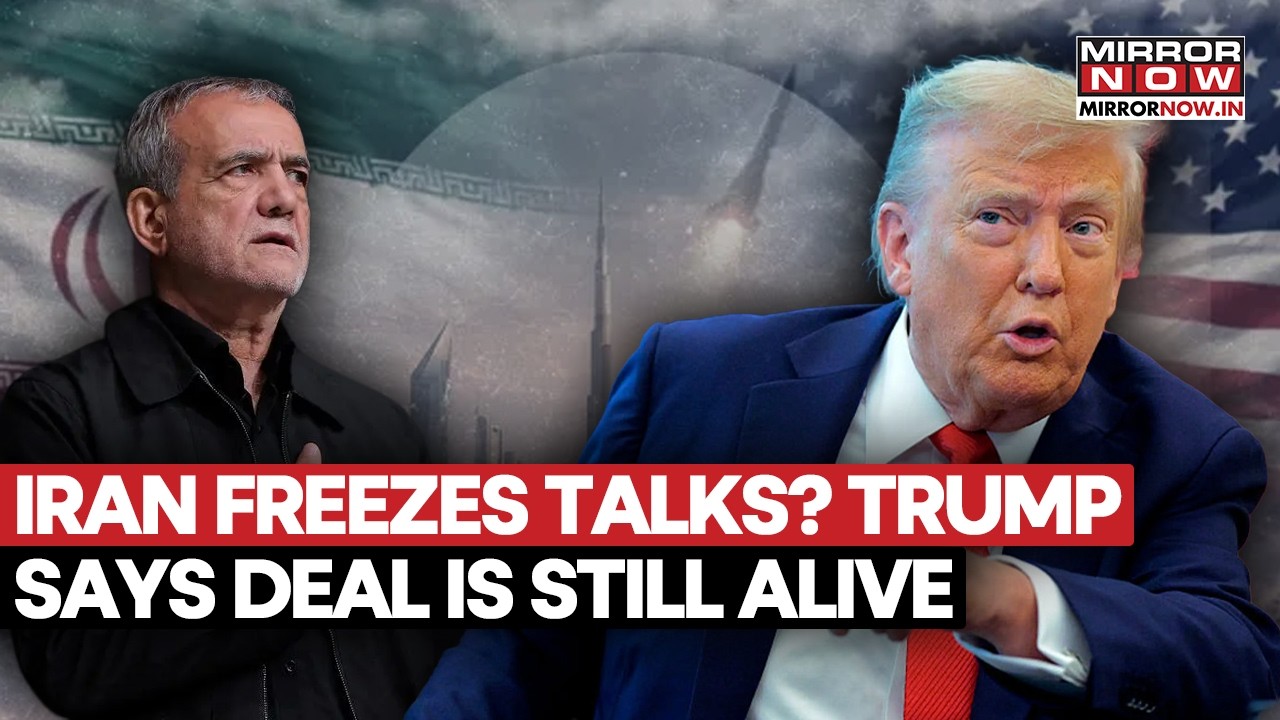
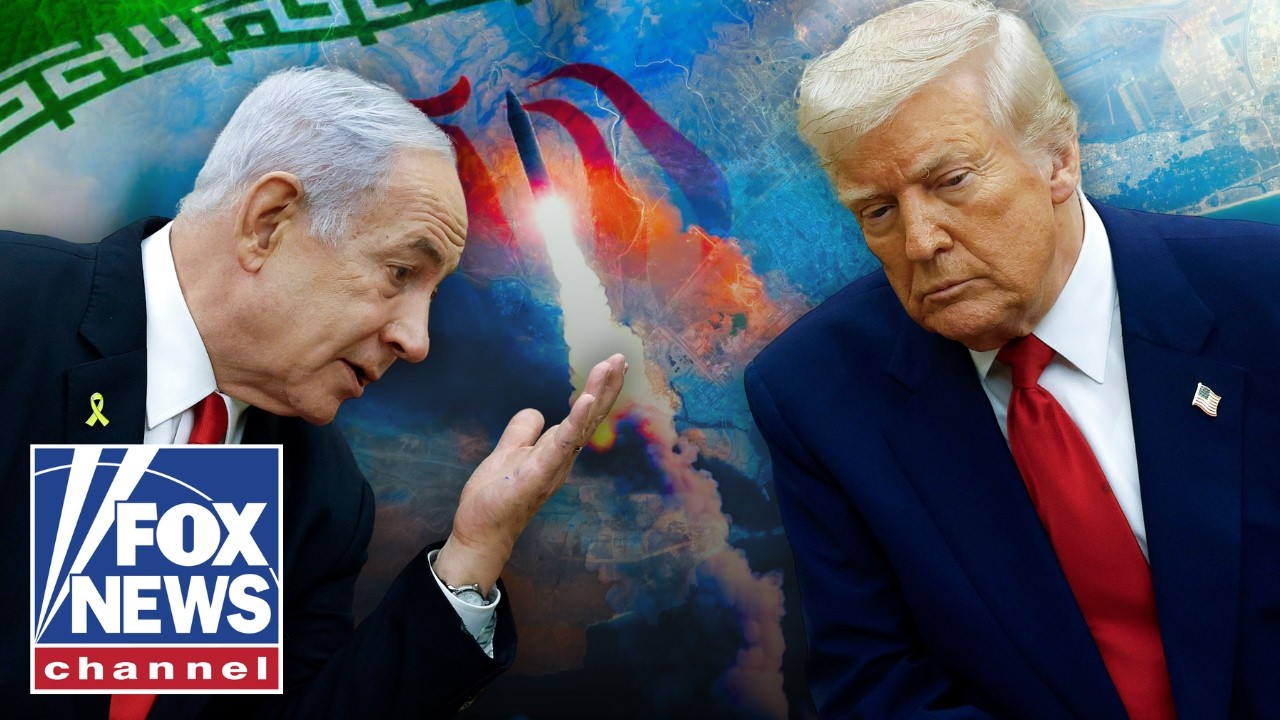
In a revealing moment that underscores the widening strategic divergence between Washington and Jerusalem, President Donald Trump and Israeli Prime Minister Benjamin Netanyahu engaged in a notably strained telephone conversation on Tuesday regarding a newly proposed diplomatic framework aimed at halting the escalating conflict with Iran. According to multiple sources familiar with the exchange, as reported on Wednesday by Axios, the discussion exposed deep fissures in how the two leaders envision the path forward amid one of the most volatile geopolitical crises in recent years.
At the center of the conversation was a revised proposal brokered through an intricate network of regional and international intermediaries, including Qatar and Pakistan, with additional involvement from Saudi Arabia, Turkey, and Egypt. As detailed by Axios, the framework seeks to establish an immediate cessation of hostilities through a formal “letter of intent,” followed by a structured 30-day negotiation period focused on resolving critical issues surrounding Iran’s nuclear program and the reopening of the strategically indispensable Strait of Hormuz.
The proposal reflects a concerted effort by regional powers to avert a broader conflagration that could destabilize not only the Middle East but also global economic systems dependent on uninterrupted energy flows. Yet, as Axios has reported, the reception of this initiative has been far from uniform, with the United States and Israel exhibiting markedly different levels of confidence in its viability.
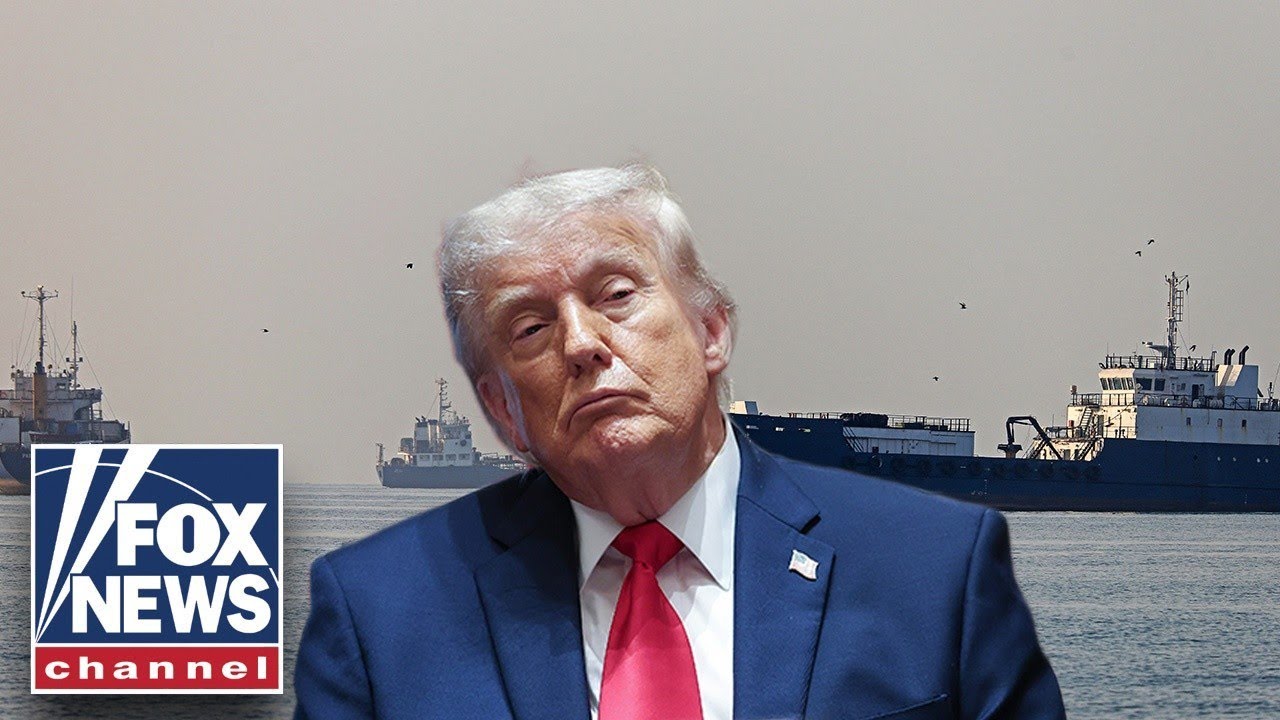
President Trump, according to the Axios report, has signaled a cautious willingness to explore the diplomatic avenue, even as he continues to maintain a posture of military readiness. This dual-track approach—combining negotiation with the implicit threat of force—has long been a hallmark of Trump’s foreign policy strategy. In this instance, however, it appears to have introduced a degree of tension with Israel’s leadership, which views the situation through a more uncompromising lens.
Prime Minister Netanyahu, as described by Israeli officials cited in Axios, remains deeply skeptical of the proposed framework. His reservations are rooted in a longstanding concern that Iran’s leadership may exploit diplomatic overtures as a means of buying time while preserving, or even advancing, its nuclear capabilities. For Netanyahu, the imperative is not merely to pause hostilities but to fundamentally degrade Iran’s military infrastructure and eliminate its stockpiles of enriched uranium.
This divergence in strategic priorities became particularly evident during the call, which Axios characterized as “difficult.” Israeli officials indicated that Netanyahu emerged from the conversation visibly frustrated, reflecting a growing unease within Israel’s security establishment about the direction of U.S. policy. While Washington appears inclined to test the prospects of diplomacy, Jerusalem remains wary of any approach that does not deliver immediate and tangible reductions in Iran’s military capacity.
The underlying tension is further compounded by the broader regional dynamics influencing the negotiations. As Axios has reported, Trump’s decision to temporarily pause major strike plans was influenced in part by appeals from Gulf allies, who have urged restraint in order to provide space for diplomatic engagement. These allies, including key figures in Qatar and Saudi Arabia, are acutely aware of the potential economic and security repercussions of an expanded conflict, particularly given the centrality of the Strait of Hormuz to global energy markets.
The Strait, through which a significant percentage of the world’s oil supply is transported, has become a focal point of the proposed agreement. Its reopening is not merely a symbolic gesture but a substantive requirement for restoring stability to international trade and energy distribution networks. The inclusion of this provision in the framework underscores the extent to which economic considerations are intertwined with the broader geopolitical calculus.
Yet, as the Axios report emphasized, the success of the proposal hinges on the willingness of all parties to engage in good faith—a condition that remains uncertain. Iran’s position, while not fully detailed in the available reporting, is likely to be shaped by its own strategic interests, including the desire to secure sanctions relief and preserve elements of its nuclear program. This introduces an additional layer of complexity to negotiations that are already fraught with mistrust and competing objectives.
For the Trump administration, the challenge lies in balancing these competing pressures while maintaining credibility with both domestic and international audiences. The decision to entertain the proposal reflects an acknowledgment of the potential benefits of de-escalation, but it also carries risks, particularly if the negotiations fail to produce meaningful outcomes. In such a scenario, the administration could find itself compelled to revert to military options under conditions that are less favorable than before.
Netanyahu’s position, by contrast, appears to be guided by a more immediate assessment of threat. Israeli officials, as cited by Axios, have consistently emphasized the need for decisive action to prevent Iran from achieving nuclear capability. This perspective is informed not only by strategic considerations but also by historical experience, which has shaped Israel’s approach to existential threats.
The friction between these two approaches—one emphasizing cautious diplomacy, the other advocating for assertive military action—illustrates the broader challenge of coordinating policy among allies with differing threat perceptions and strategic priorities. While the United States and Israel share a common objective in preventing a nuclear-armed Iran, their methods for achieving this goal are increasingly divergent.
As the situation continues to evolve, the outcome of the proposed framework will likely have far-reaching implications. A successful agreement could pave the way for a more stable regional order, reducing the risk of conflict and fostering conditions for economic recovery. Conversely, a breakdown in negotiations could precipitate a renewed cycle of escalation, with consequences that extend well beyond the immediate participants.
For now, as Axios reported, the emphasis remains on the fragile and uncertain nature of the diplomatic process. The 30-day negotiation period envisioned in the proposal represents both an opportunity and a test—a window in which the competing imperatives of security, diplomacy, and economic stability must be reconciled.
In the final analysis, the “difficult” conversation between Trump and Netanyahu serves as a microcosm of the broader challenges facing the international community. It highlights the complexity of navigating a crisis in which the stakes are extraordinarily high and the margin for error exceedingly narrow.
Whether the proposed framework will succeed in bridging the gap between these divergent perspectives remains to be seen. What is clear, however, is that the decisions made in the coming days and weeks will shape the trajectory of the conflict—and the broader geopolitical landscape—for years to come.



