


















|
Getting your Trinity Audio player ready...
|
Trump Weighs Renewed Military Strike on Iran After Returning from China Trip
Diplomacy Falters and War Threat Looms
By: Max Schleifer
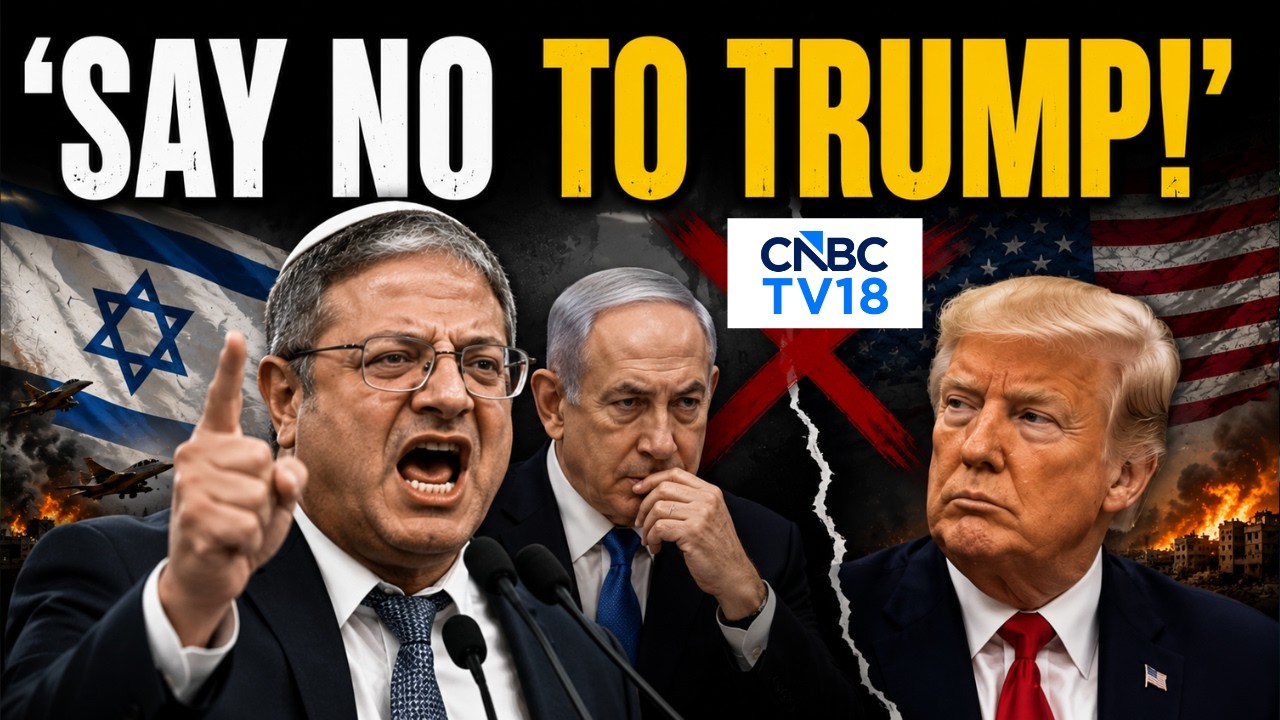
President Trump is reportedly moving closer to authorizing renewed military action against Iran, as diplomatic efforts to end the ongoing conflict appear to have reached an impasse, according to multiple U.S. officials cited by Axios. The deliberations, unfolding at the highest levels of the administration, signal a potentially dramatic escalation in a war that has already destabilized the broader Middle East and strained global geopolitical alignments.
The Axios report, which has become a central reference point for analysts and policymakers alike, underscores a stark reality: the window for a negotiated resolution may be narrowing rapidly. Senior administration officials indicated that Trump is “leaning toward military action” after Tehran delivered what was characterized as a dismissive and defiant response to a U.S.-backed ceasefire proposal.
While no final decision has been publicly announced, the contours of a possible escalation are already taking shape. According to Axios, “potential targets have already been identified within Iran’s infrastructure,” and discussions within the administration have included the possibility of coordinated operations with Israel, particularly in relation to Iran’s controversial uranium stockpiles.
The current crisis reflects a profound breakdown in diplomacy that had, until recently, offered at least a tenuous hope for de-escalation. The ceasefire proposal advanced by Washington was intended to halt hostilities and create a framework for addressing Iran’s nuclear ambitions. However, Tehran’s response—delivered Sunday and described by Iranian state television as a rejection of “excessive demands”—effectively derailed those efforts.
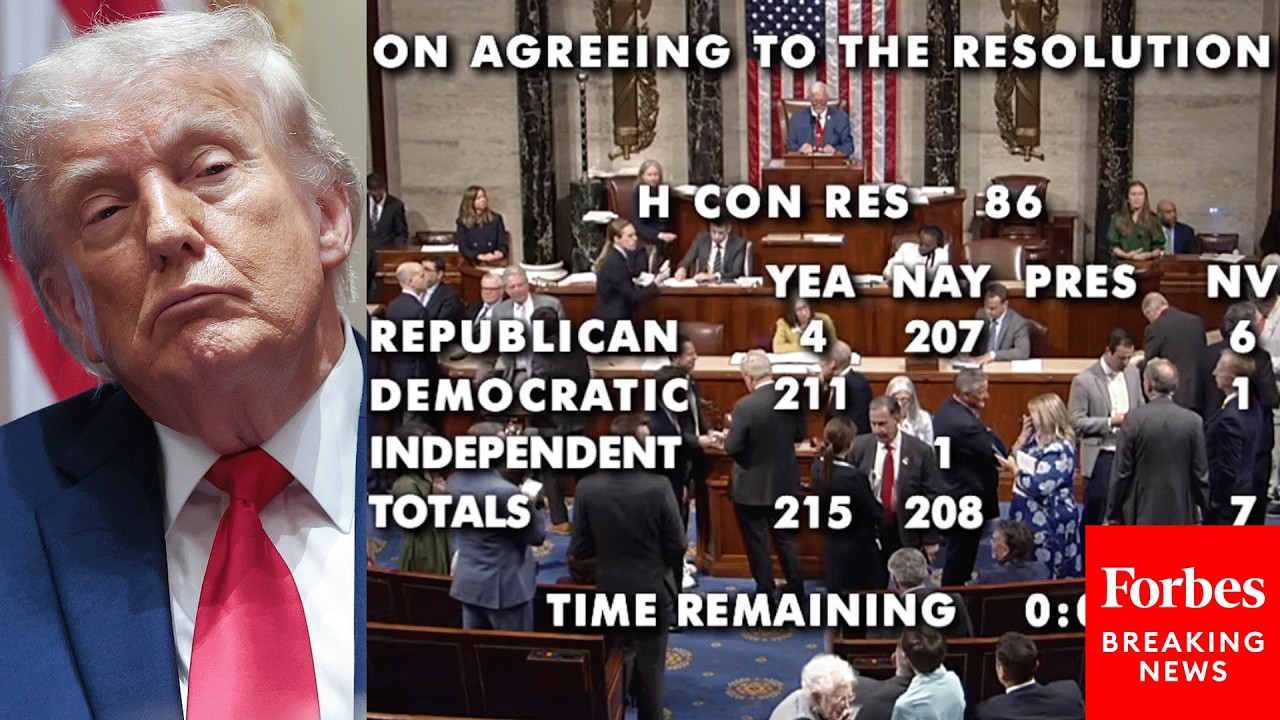
President Trump responded swiftly and unequivocally. “I don’t like it. It is inappropriate,” he said, dismissing Iran’s reply in remarks that were widely circulated and repeatedly cited by Axios.
Behind the scenes, the administration appears to have interpreted Iran’s rejection not merely as a negotiating tactic but as a fundamental refusal to compromise. This perception has fueled growing frustration within the White House and intensified calls for a more forceful response.
Axios reported that Trump convened a high-level meeting with his national security team prior to his departure for China, focusing on what officials described as “the next phase of the war.” The discussions reportedly encompassed a range of options, from renewed airstrikes to broader military operations designed to degrade Iran’s strategic capabilities.
Central to these deliberations is the question of Iran’s nuclear program. Trump has repeatedly emphasized that preventing Tehran from acquiring a nuclear weapon remains his administration’s overriding priority. “I have a plan. Iran can’t have a nuclear weapon,” he declared, reiterating a position that has defined U.S. policy toward Iran for years.
Yet the challenge lies not only in halting Iran’s nuclear ambitions but in doing so without triggering a wider regional conflagration. The identification of specific targets within Iran suggests that any military action would likely be carefully calibrated, aimed at minimizing collateral damage while delivering a decisive strategic blow.
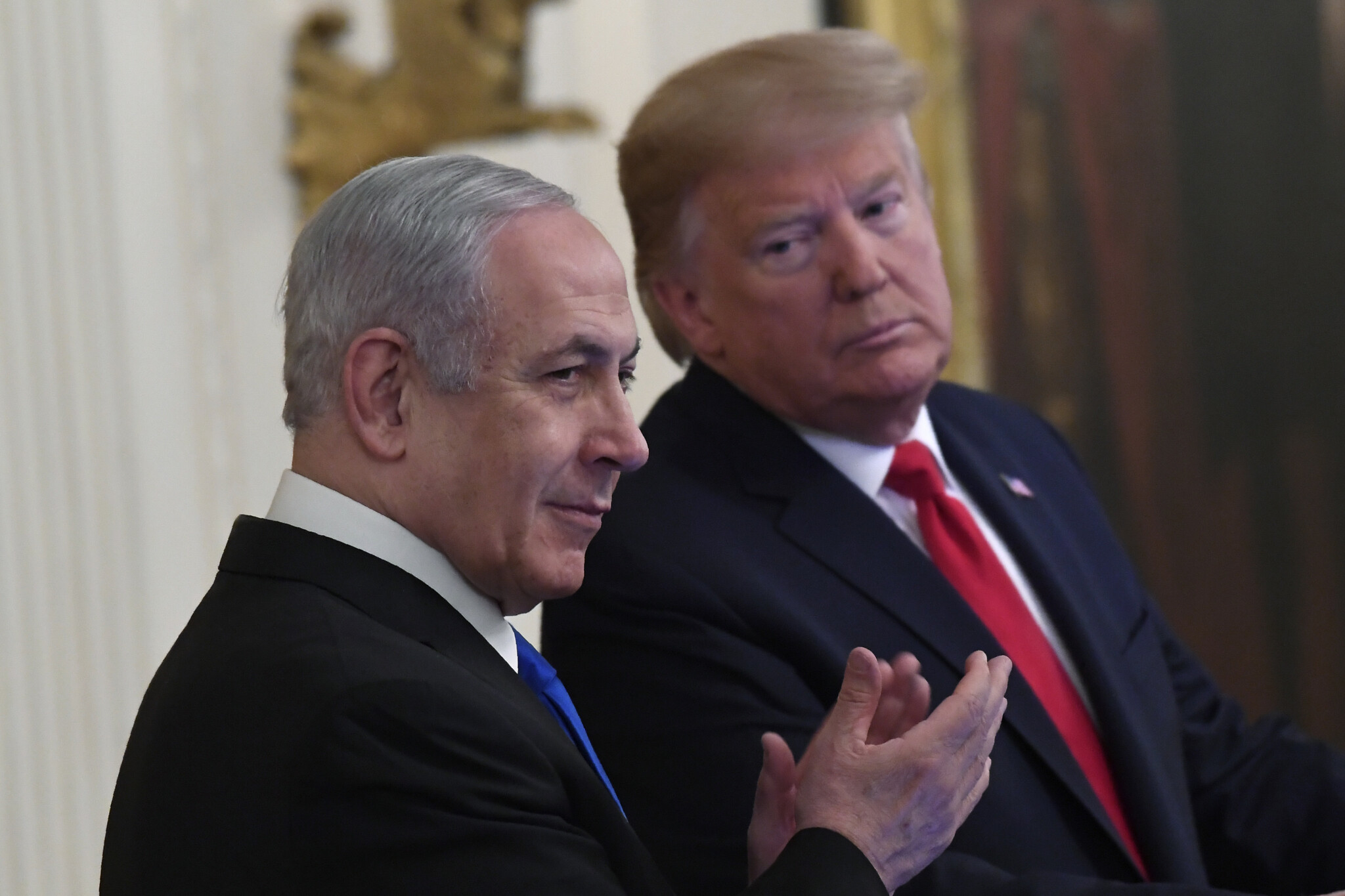
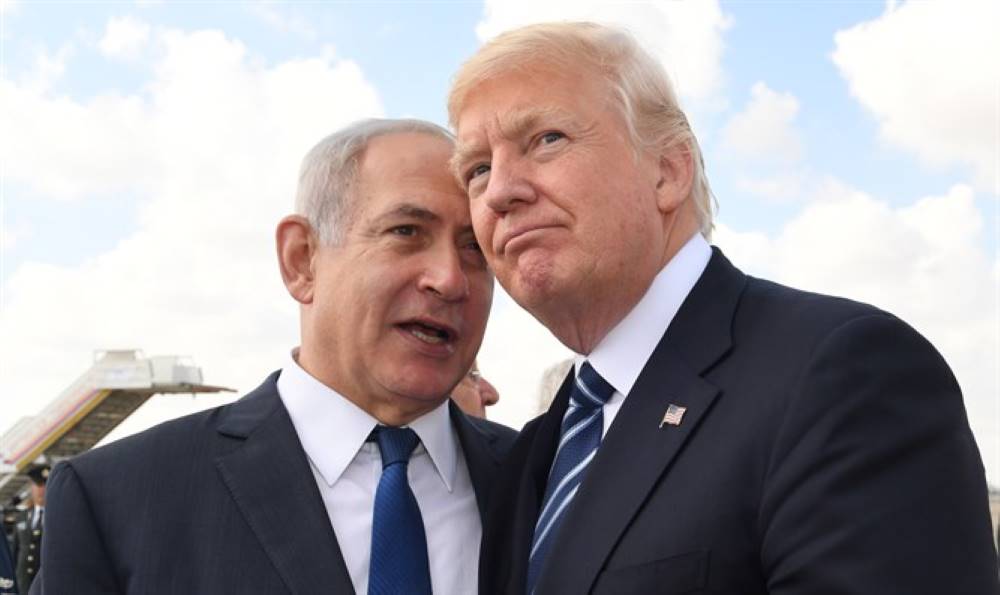
One of the most consequential aspects of the emerging strategy, as highlighted by Axios, is the possibility of joint action with Israel. Such coordination would mark a significant deepening of the already close military relationship between the two nations and could reshape the dynamics of the conflict.
Israel has long viewed Iran’s nuclear program as an existential threat, and its willingness to participate in joint operations could enhance the effectiveness of any strike. At the same time, it would also raise the stakes considerably, potentially drawing additional actors into the conflict.
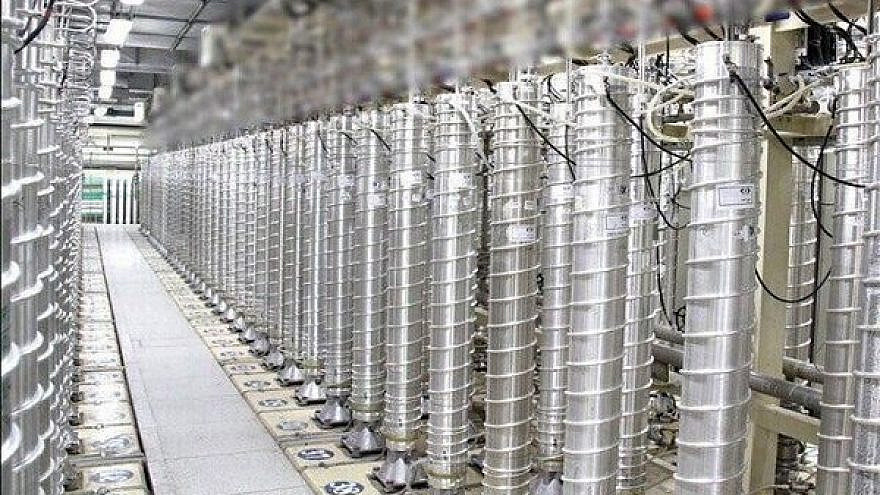
The focus on uranium stockpiles is particularly noteworthy. These materials represent a critical component of Iran’s nuclear capabilities, and their destruction or removal could significantly impede Tehran’s ability to develop nuclear weapons.
Compounding the uncertainty is the precarious state of the current ceasefire. Trump himself cast doubt on its durability, describing it as being “on massive life support.” The phrase, widely quoted by Axios, encapsulates the tenuous nature of the truce and the ever-present risk of renewed hostilities.
The ceasefire, brokered under intense diplomatic pressure, was intended to provide a temporary reprieve from the violence that has engulfed the region. However, the absence of meaningful progress in negotiations has left it vulnerable to collapse.
Iran’s apparent backtracking on a previous commitment to relinquish its enriched uranium stockpile has further eroded trust. Trump noted that while Tehran had initially agreed to such terms, its latest response “omitted any mention of the issue,” raising questions about its intentions.
Adding another layer of complexity is the apparent fragmentation within Iran’s leadership. Trump suggested that the regime is divided between “moderates and lunatics,” a characterization that, while blunt, reflects longstanding assessments of internal factionalism within the Iranian government.
These divisions may complicate efforts to reach a negotiated settlement, as competing power centers within Tehran pursue divergent strategies. For U.S. policymakers, understanding and navigating these internal dynamics is essential to crafting an effective response.
Trump’s ongoing visit to China introduces an additional dimension to the unfolding crisis. According to Axios, the president is expected to discuss the Iran conflict with Chinese President Xi Jinping, whose country maintains significant economic and strategic ties with Tehran.
China’s role could prove decisive. As one of Iran’s key international partners, Beijing possesses considerable leverage that could be used to influence Tehran’s behavior. At the same time, China’s own interests—particularly in maintaining stability in global energy markets—may incline it toward supporting de-escalation.
The prospect of U.S.-China cooperation on Iran, however limited, represents a rare area of potential alignment between the two powers. Whether this alignment can be translated into tangible progress remains an open question.
The increasingly confrontational tone of Trump’s public statements has further heightened tensions. In remarks reported by CNBC and echoed in coverage by Axios, the president warned that if no agreement is reached, he would “bomb the hell out of them.”
Such rhetoric, while consistent with Trump’s characteristically direct style, underscores the seriousness of the situation. It also serves as a signal to both allies and adversaries that the United States is prepared to act decisively if its core objectives are not met.
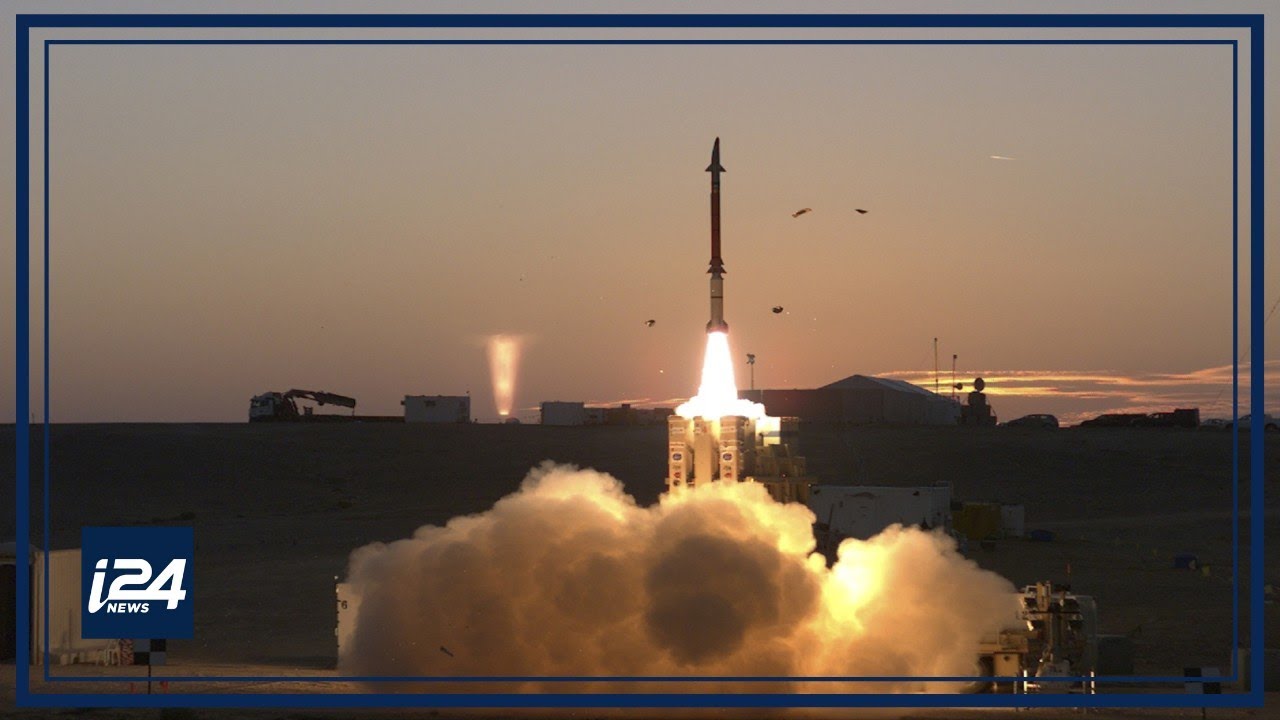
The potential resumption of military operations carries profound implications for the broader Middle East. Iran’s network of regional proxies, its capacity for asymmetric warfare, and its strategic positioning along critical waterways such as the Strait of Hormuz all contribute to the risk of escalation.
Any U.S. strike on Iranian soil could provoke retaliatory actions not only against American forces but also against allied nations and civilian infrastructure. The resulting cycle of escalation could have far-reaching consequences, disrupting global trade and exacerbating existing geopolitical tensions.
As the administration weighs its options, the stakes could scarcely be higher. The decision to pursue military action would mark a pivotal moment in U.S. foreign policy, with implications that extend far beyond the immediate conflict.
For Trump, the challenge lies in balancing the imperative of preventing a nuclear-armed Iran with the need to avoid a protracted and potentially destabilizing war. The choices made in the coming days and weeks will shape not only the trajectory of the current crisis but the broader contours of international security.
For now, the situation remains fluid. Axios reported that while Trump is inclined toward military action, he is unlikely to authorize a new strike before returning from his trip to China. This pause provides a narrow window for further diplomatic engagement, though the prospects for a breakthrough appear increasingly uncertain.
What is clear is that the conflict has entered a critical phase. With diplomacy faltering and military options moving to the forefront, the path forward is fraught with risk and uncertainty.
As one senior official told Axios, the administration is “weighing additional pressure on the Iranian regime” in light of the stalled negotiations. Whether that pressure ultimately takes the form of renewed strikes or a last-minute diplomatic compromise remains to be seen.
In the meantime, the world watches with growing apprehension, aware that the decisions made in Washington—and in Tehran—could reshape the geopolitical landscape for years to come.



